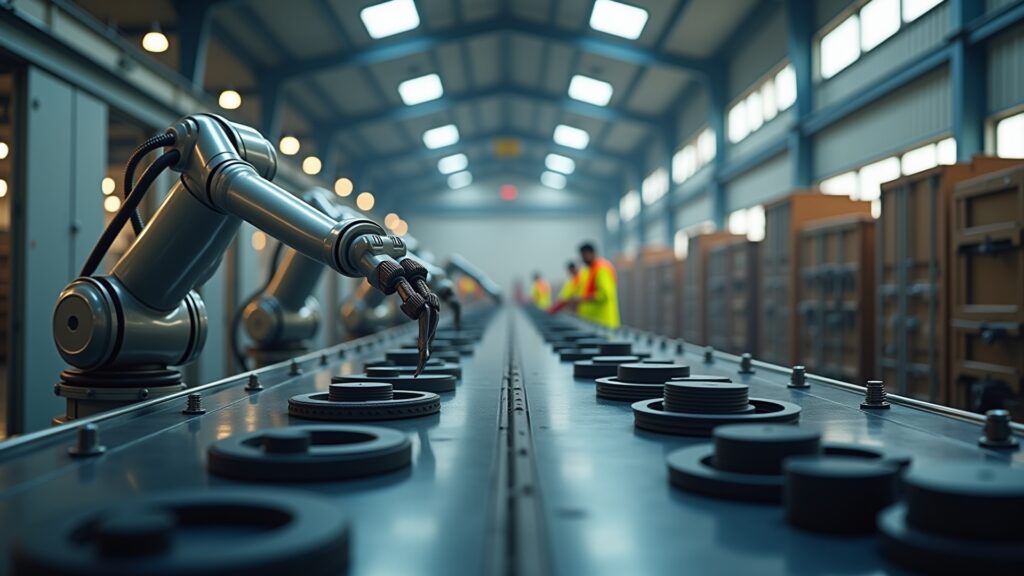
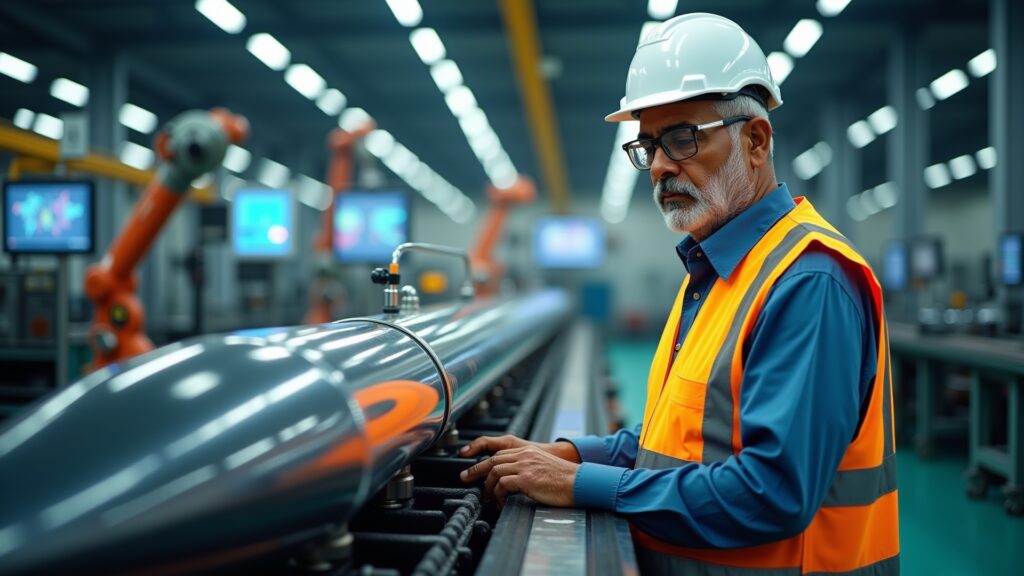
As a leader in manufacturing or industrial operations, the recent surge to 28% domestic mobile manufacturing in India isn’t just an interesting statistic — it’s a pivotal signal for your business and the sector at large. This development reflects more than consumer electronics production; it marks a strategic evolution in industrial scale-up, supply chain resilience, and global competitiveness that will directly influence your operational strategies and investment decisions.
Why This Milestone Matters to You
For your factory, business strategy, or investment portfolio, the growth of India’s domestic mobile manufacturing base reshapes the competitive landscape with tangible advantages. The increasing production share means shorter lead times, reduced dependency on global imports, improved cost structures, and enhanced integration into a domestic ecosystem that supports localisation and innovation. This growth also signals a robust supply chain that is becoming more resilient against global shocks and geopolitical uncertainties.
By understanding this shift, you position yourself to leverage emerging opportunities — from adopting advanced manufacturing technologies to exploring new partnerships and export markets. Whether you lead a production unit, direct procurement, or oversee scale-up plans, the rise in local manufacturing must factor into how you plan capacity, technology investments, and workforce development.
What Is Happening in India’s Mobile Manufacturing Landscape?
India now accounts for 28% of mobile production through domestic companies, a leap driven by targeted government incentives, infrastructure improvements, and a conducive regulatory environment. The Production Linked Incentive (PLI) scheme has been instrumental, incentivising capacity expansion and technology upgrades across the sector.
This shift reflects a broader trend: multinational corporations are adopting the China+1 strategy to diversify manufacturing risks, and India is standing out as a competitive alternative. Domestic manufacturers are scaling rapidly, incorporating automation, robotics, and digital factory frameworks that elevate quality and operational efficiency while controlling costs.
Strategic Impact on Manufacturing and Business
- Industrial Resilience: Localising nearly a third of mobile manufacturing fortifies your supply chain against disruptions and geopolitical volatility.
- Operational Efficiency: Advanced automation and smart-factory integration enable enhanced productivity and reduced time-to-market.
- Cost Competitiveness: Domestic production reduces logistics costs and import duties, improving your bottom line and pricing agility.
- Workforce and Skills Development: The growth drives demand for skilled labor in high-tech manufacturing, creating opportunities for upskilling and innovation.
- Policy and Investment Climate: Stable and targeted incentives are attracting global and domestic capital, facilitating further capacity creation and technology adoption.
- Global Market Positioning: Enhanced export readiness positions you to tap into global demand and improve India’s standing as a scalable manufacturing hub.
Deeper Insight: The Strategic Inflection Point
The rise in domestic mobile manufacturing to 28% serves as a bellwether for India’s broader industrial ambitions. It signals that local companies are not merely catching up but are innovating and scaling at a pace that challenges traditional manufacturing powers.
“In manufacturing, scale matters — but resilience and precision are what create durable advantage.”
This trend dovetails perfectly with the global China+1 manufacturing shift—multinationals seek diversified bases that deliver quality, cost, and speed. India’s growing share showcases its industrial ecosystems maturing — driven by smart investments in automation, digital factory management, and workforce excellence.
For you, this means the pressing need to evaluate where your operations stand on technology adoption, supply chain design, and export readiness. Embracing digital and automated manufacturing processes will not only sustain growth but also sharpen your competitive edge.
Practical Takeaways for Manufacturing Leaders and Investors
- Monitor government initiatives closely: Incentives like the PLI will shape industrial growth and investment flows—align your strategies accordingly.
- Invest in automation and smart factory technologies: These are critical to scaling quality production efficiently and cost-effectively.
- Prioritise supply chain localization: Building trusted, domestic supplier networks reduces risks and improves agility.
- Focus on workforce skill development: Equip your teams to manage advanced manufacturing systems to sustain productivity gains.
- Explore export markets: Position your manufacturing footprint to meet global demand leveraging India’s enhanced capabilities.
- Assess your capital allocation: Strategic investment in capacity expansion now can secure future market leadership.
Expert Perspective
“The real edge is not only in producing more, but in producing faster, smarter, and closer to where demand is shifting.”
“When automation, supply-chain discipline, and execution quality align, manufacturing growth becomes far more sustainable.”
Risks and Challenges to Consider
Despite the promising upswing, challenges remain. You must remain vigilant about potential supply chain bottlenecks, skill shortages, and infrastructure gaps that could slow progress. Regulatory consistency and sustained policy support are critical to avoid disruptions to investment momentum. Additionally, global economic uncertainties can impact export growth and capital inflows.
Managing these risks while aggressively pursuing technology adoption and capacity expansion will be essential for maintaining the hard-won momentum.
What You Should Watch Next
- The evolution of government policies around PLI and related manufacturing incentives.
- Emerging technological trends in automation, robotics, and industrial AI impacting mobile manufacturing.
- Capacity announcements and scale-up plans by leading domestic manufacturers.
- Export performance indicators and new trade partnerships enhancing global market access.
- Developments in workforce training initiatives aligned with smart factory requirements.
Conclusion: A Strategic Indicator for Your Manufacturing Future
The rise to 28% domestic mobile manufacturing marks a strategic milestone for India’s industrial growth and for your manufacturing enterprise. It confirms that India is rapidly evolving into an indispensable hub in the global supply chain with growing capacity, technological sophistication, and export readiness.
For you as a manufacturing leader, investor, or policymaker, this development provides a compelling business case to focus on scalable manufacturing strategies, invest confidently in automation and smart factories, and reinforce your supply chain resilience. The India domestic mobile manufacturing 28 percent milestone isn’t just a number — it is a signal to step up your game and secure long-term competitiveness in a rapidly transforming global market.