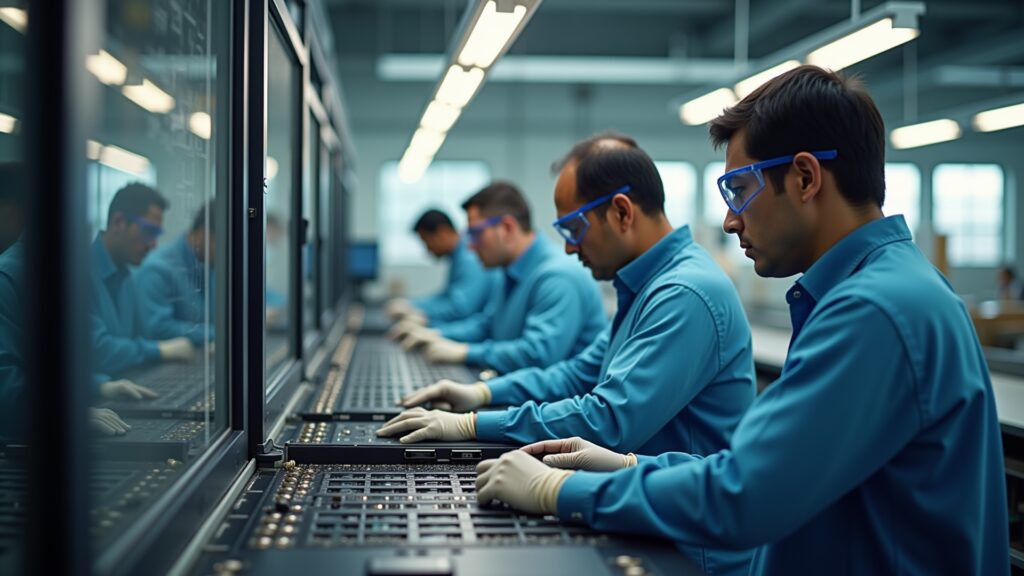
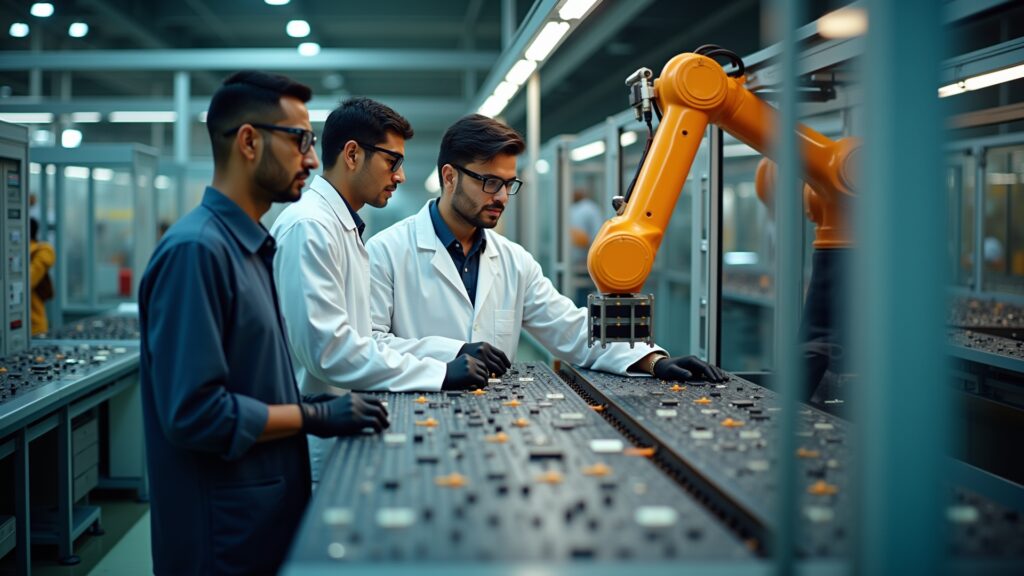
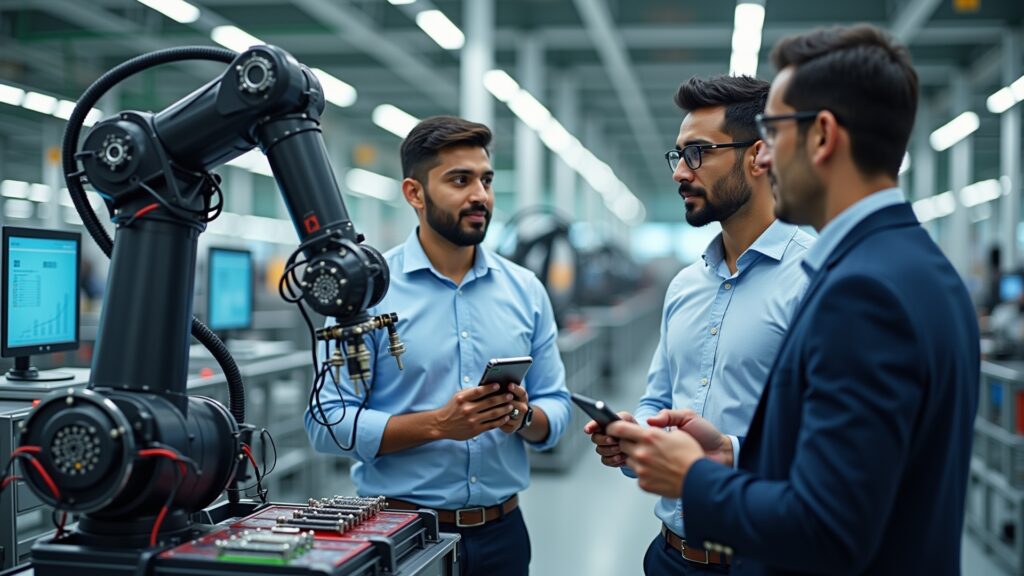
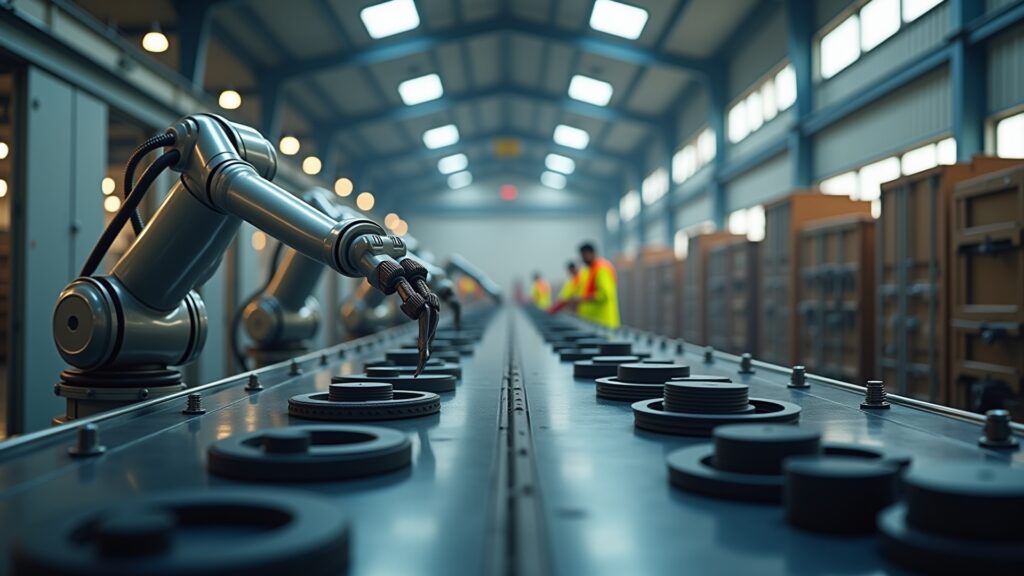
You are witnessing a pivotal moment reshaping global manufacturing: Apple’s India-based component suppliers have just set a new benchmark by exporting $2.5 billion worth of parts to China, with forecasts of reaching $3.5 billion under India’s Export Promotion scheme. This isn’t merely an impressive trade statistic; it represents a strategic realignment in how supply chains are structured, where manufacturing hubs rise, and how your business can navigate these shifts to remain competitive and growth-oriented in a complex global landscape.
Why This Development Matters to You
As a manufacturing executive, investor, or supply chain leader, you need to recognize what this surge in Apple India component exports to China means for your factory and your strategic decision-making. It signals that Indian manufacturing is no longer confined to low-cost assembly or marginal production roles. Instead, your competitors, partners, and potential collaborators in India are scaling rapidly, enhancing technological capabilities, and becoming integral to global electronics value chains that depend on strict quality and volume adherence.
The deeper implication is clear: manufacturing localization and supply chain diversification are tangible priorities for global brands like Apple, driving opportunities—and risks—for production leaders worldwide. Understanding these dynamics equips you to identify new prospects for market access, value addition, and operational excellence, while ensuring your manufacturing and supply chain strategy evolves in sync with the global market realignment.
What Exactly Is Happening?
To break it down, Indian component vendors for Apple have reached a monumental export value of $2.5 billion towards China, the hub where final assembly and other production stages continue to be highly concentrated. This figure is poised to rise to $3.5 billion as India leverages its Export Promotion incentives, accelerating capacity creation and production sophistication.
This scenario illustrates a layered yet strategic supply chain architecture where Indian manufacturing is deeply integrated, supplying critical parts into a China-centric assembly ecosystem. It’s an interplay of global sourcing optimization and targeted industrial policy at work.
Strategic and Industrial Impact on Your Business
- Supply Chain Diversification and Resilience: This pattern reflects the much-talked-about China+1 approach, where Apple and similar tech giants hedge risks by spreading sourcing beyond China. For you, this means reassessing supplier portfolios and production bases to build agility against geopolitical and operational disruptions.
- Advanced Manufacturing as a Differentiator: India’s rise in Apple’s supply chain demands factories equipped with automation, quality control rigor, and capacity scalability. This shift encourages you to invest in smart factories and industrial AI for sustained competitiveness.
- Export Growth and Policy Leverage: India’s Export Promotion scheme is more than a subsidy; it’s a catalyst for industrial expansion. Align your export strategies and capital allocation to tap into these incentives and expand your footprint in high-value markets.
- Investment and Innovation Upside: The momentum behind these exports signals confidence for increased investment in infrastructure and workforce development. This is your chance to pioneer technological upgrades and attract strategic funding.
Strategic Insights for Manufacturing Leaders
Understanding this development requires appreciating the strategic interplay of manufacturing scale, technological innovation, and global trade dynamics. Apple’s India-China export relationship is a microcosm of a broader trend where manufacturing excellence is not just about volume but about trusted partnerships, quality consistency, and supply chain responsiveness.
“In manufacturing, scale matters — but resilience and precision are what create durable advantage.”
You must view this shift as an urgent call to innovate not only your production systems but the very way you think about global supply chains, localization, and export competitiveness. Your strategic priority should be embedding automation, fostering digital integration, and aligning with export-led industrial policies.
Practical Takeaways You Can Apply Now
- Assess your current supplier base for diversification opportunities, especially in emerging hubs like India.
- Invest in factory automation and industrial AI to meet the high standards demanded by top-tier global brands.
- Engage proactively with export incentive programs and align your production scale-up plans accordingly.
- Develop workforce skills to handle advanced manufacturing technologies and quality systems.
- Monitor geopolitical and trade policy developments closely to adapt your sourcing and export strategies.
Expert Perspective
“The real edge is not only in producing more, but in producing faster, smarter, and closer to where demand is shifting.”
“When automation, supply-chain discipline, and execution quality align, manufacturing growth becomes far more sustainable.”
Risks and Challenges You Should Consider
While this growth trajectory is promising, you must remain vigilant about potential risks:
- Geopolitical Sensitivities: The India-China trade dynamic can be complicated by diplomatic tensions, impacting supply chain continuity.
- Quality and Compliance Pressure: Sustaining Apple’s demanding standards requires relentless focus on quality assurance and process excellence.
- Infrastructure and Logistics Constraints: Scaling exports depends on robust industrial infrastructure and seamless export facilitation.
- Workforce and Skill Development: The gap in skilled technicians and engineers for advanced manufacturing poses a challenge that must be addressed proactively.
What You Should Watch Next
Keep an eye on India’s evolving export policies, investment flows into smart factory technologies, and how other global brands follow suit in supply chain diversification. Watching these indicators will help you anticipate shifts and position your manufacturing business to capture emerging opportunities.
Conclusion: Positioning Your Business for Global Manufacturing Leadership
The surge in Apple India component exports to China is more than a headline; it is a strategic signal of Indonesia’s evolving role in global manufacturing. For you as a manufacturing leader or investor, embracing this trend means aligning with advanced manufacturing practices, leveraging export incentives, and nurturing supply chain agility.
By doing so, you not only enhance your operational resilience and market reach but also contribute to a broader industrial ecosystem poised for sustainable, innovation-driven growth on the global stage.
Focus on strategic investments, smart factory transformation, and global supply chain partnerships to secure your competitive edge in this shifting landscape.