As the head of a manufacturing business or the leader of an industrial operations team, you cannot afford to ignore the escalating wave of cyberattacks targeting India’s manufacturing sector. This surge in digital threats isn’t just a technical issue—it directly affects your factory’s productivity, your supply chain’s resilience, your company’s export prospects, and ultimately your competitive positioning in the global market.
Why This Matters to You and Your Manufacturing Enterprise
The rapidly evolving manufacturing landscape in India is defined by automation, industrial AI, and smart factories. Your investment in these technologies aims to increase operational efficiency and scale production. Yet, without robust cybersecurity, all these advancements are vulnerable. A cyber intrusion can disrupt production lines, compromise product quality, and erode customer trust—risks that translate straight to financial losses and jeopardize your strategic growth plans.
Understanding the Surge: What Is Happening in India’s Manufacturing Cybersecurity Landscape
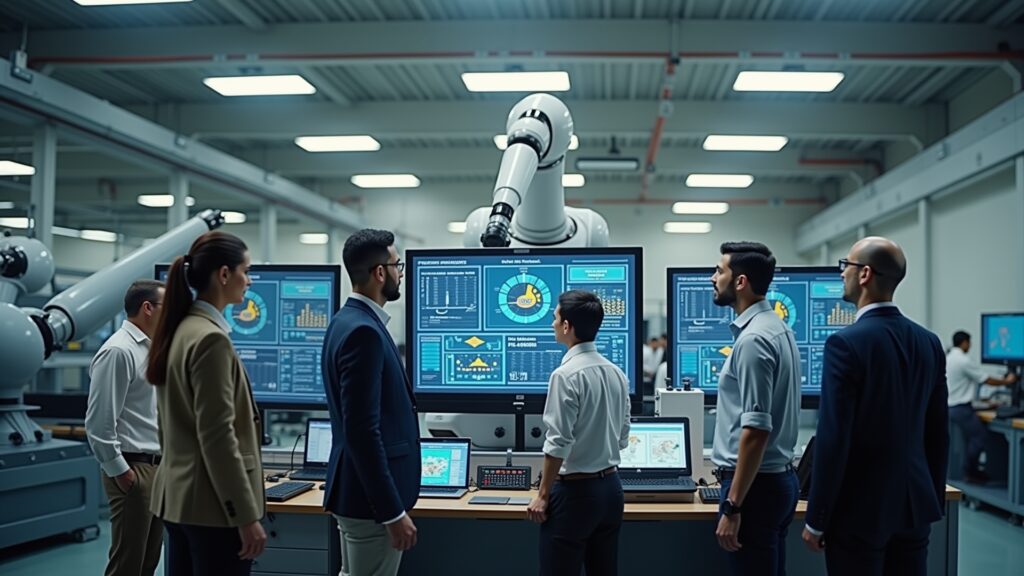
India’s manufacturing sector is increasingly a target for cyber intrusions aimed at exploiting interconnected IT and operational technology (OT) systems. The integration of IoT devices and smart platforms, while enhancing productivity, has expanded the attack surface, making factories more susceptible to data breaches and operational sabotage. This trend reflects a growing global pattern but carries unique implications due to India’s push for industrial scale-up and greater export orientation.
Key Business and Strategic Impacts on Manufacturing Competitiveness
As you scale up automation and digital integration, cybersecurity becomes a pivotal factor influencing a range of business outcomes:
- Operational continuity: Cyberattacks can cause prolonged downtime, halting production and delaying deliveries.
- Supply chain resilience: Disruptions ripple through your suppliers and logistics networks, weakening overall competitiveness.
- Export readiness: International customers and partners demand stringent data security and compliance, affecting market access.
- Capital protection: Investments in robotics, AI, and factory digitization risk devaluation without safeguarding mechanisms.
“The real edge is not only in producing more, but in producing faster, smarter, and closer to where demand is shifting.”
Strategic Insights: Cybersecurity as a Pillar of Industrial Leadership
Addressing cybersecurity in manufacturing is no longer an optional IT function but a core strategic imperative. You must integrate security protocols seamlessly into your factory strategy and digital transformation efforts. Consider the following:
- Adopt unified, AI-driven security frameworks that monitor both IT and OT environments in real time.
- Develop workforce capabilities combining cybersecurity expertise with industrial knowledge to foster a proactive defense culture.
- View cybersecurity expenditures as strategic investments securing long-term productivity and export growth.
- Leverage predictive analytics for early threat detection, minimizing operational disruptions and reinforcing supply-chain trust.
“When automation, supply-chain discipline, and execution quality align, manufacturing growth becomes far more sustainable.”
Practical Takeaways: How You Should Respond
- Conduct comprehensive cybersecurity risk assessments specific to your industrial IT and OT systems.
- Invest in continuous monitoring tools that provide comprehensive visibility across all manufacturing process layers.
- Embed cybersecurity policies within your supplier management to ensure end-to-end supply-chain security.
- Engage with policymakers and industry consortia advocating for manufacturing-specific cybersecurity standards and incentives.
- Prioritize workforce training to build a dual skill set in industrial production and cybersecurity vigilance.
Critical Risks and Challenges to Navigate
While you race to digitalize and automate, the complexity of integrating security into legacy systems can pose implementation challenges. Additionally, evolving cyber threats require you to continuously update defenses, which demands ongoing commitment and resources. Failure to meet these challenges risks not only operational losses but also reputational damage and exclusion from lucrative export markets demanding stringent compliance.
What You Should Watch Next: Emerging Trends and Policies
India’s policy environment is evolving with greater emphasis on cybersecurity frameworks tailored to the manufacturing sector. Keep an eye on regulatory developments aligned with flagship initiatives like the Production Linked Incentive (PLI) schemes and the broader push for local value addition. The country’s positioning as a trusted participant in the global supply chain—especially amid the China+1 strategy shift—will hinge on effective cyber risk management and data protection measures.
Conclusion: Safeguarding India’s Manufacturing Competitive Edge Through Cybersecurity
The surge in India manufacturing cyberattacks signals more than just a rising threat; it underscores a critical juncture in your sector’s evolution. By prioritizing cybersecurity as a fundamental pillar of your business transformation, you protect your assets, secure supply chains, and enhance your standing with international customers and investors. Ultimately, your ability to build a cyber-resilient manufacturing ecosystem will determine your competitive edge in a more interconnected, automated, and digital industry landscape.
“In manufacturing, scale matters — but resilience and precision are what create durable advantage.”