As you steer your manufacturing business through an era marked by rapid industrial transformation, it’s imperative to reconsider the role industrial biotechnology plays in India’s competitive landscape. This sector, once confined largely to startups and niche production lines, now stands at the threshold of becoming a cornerstone for advanced manufacturing, supply chain resilience, and sustainable growth. Understanding this shift is not just an academic exercise; it directly impacts your factory’s operational strategy, investment decisions, export potential, and long-term market positioning.
Why This Matters to You
If you oversee production, manage supply chains, or influence industrial policy, the evolving dynamics of industrial biotechnology in India could reshape your operational priorities. As global supply chains recalibrate and demand increasingly favors localized, resilient, and environmentally responsible manufacturing, integrating biotechnology can substantially enhance your factory’s efficiency, product quality, and competitiveness in international markets.
Moreover, with heightened government incentives and growing investor appetite focused on scaling biomanufacturing, you have a unique window to capitalize on emerging opportunities that align with both national ambitions and your enterprise’s growth plans.
What Is Happening in Industrial Biotechnology?
Historically, India’s industrial biotechnology sector was largely startup-driven, concentrated on specialized bio-manufacturing segments. However, global trends signal a broader trajectory—biotechnology is becoming integral to diversified industrial expansion, spanning chemicals, pharmaceuticals, agro-industrials, and innovative bio-materials.
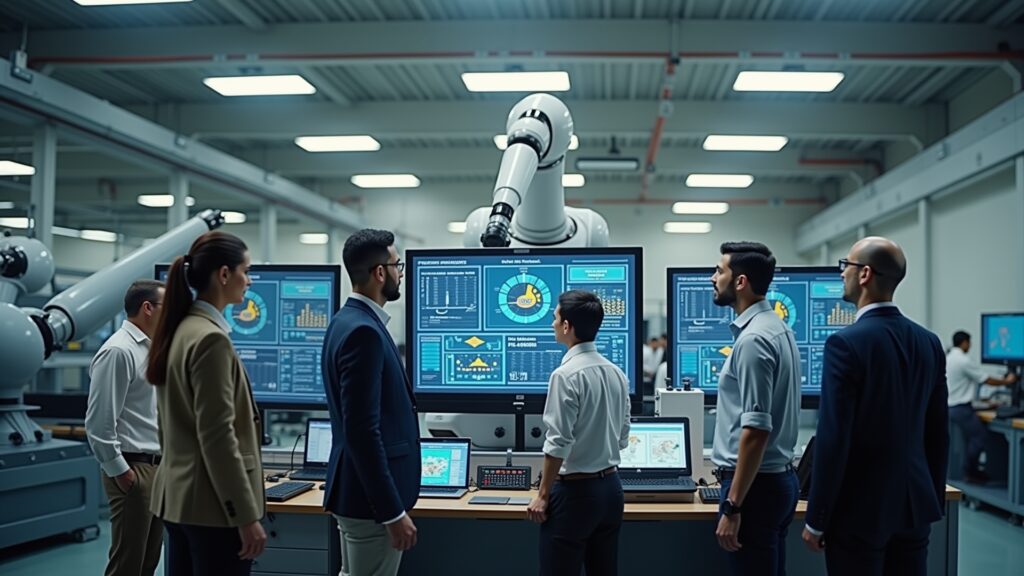
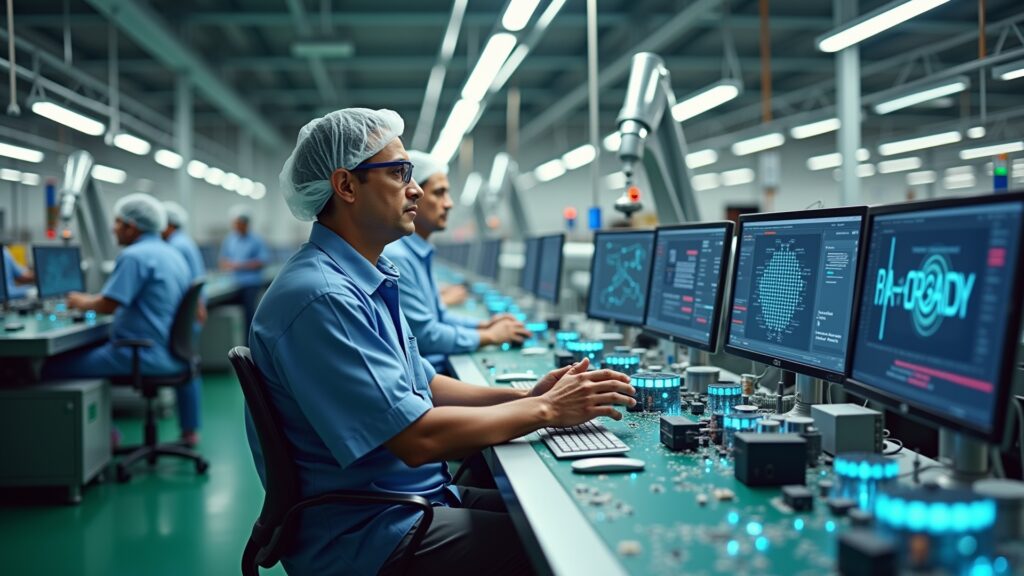
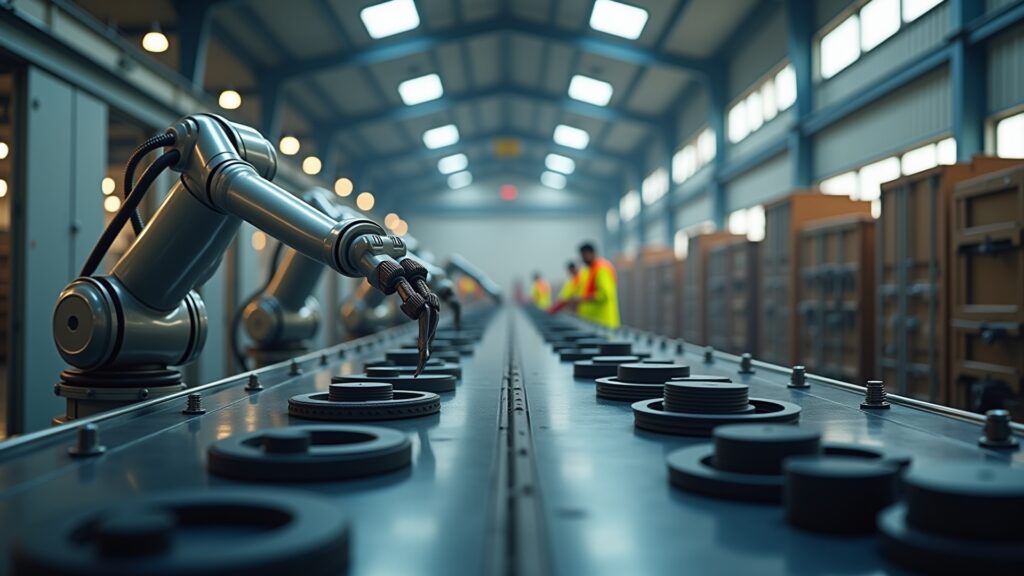
This transition is supported by policy frameworks like production-linked incentives (PLI) and the establishment of industrial biotechnology parks, aiming to cultivate capacity and foster innovation-led scale-ups. Additionally, industrial automation, robotics, and AI are increasingly complementing bio-processes, ushering in smarter, cleaner, and cost-efficient manufacturing environments.
Key Impacts on Your Business and Manufacturing Operations
- Factory Scale-Up and Efficiency: Integrating biotechnological processes with automation allows you to scale production while reducing operation costs and energy consumption.
- Supply Chain Resilience: Localizing bio-based manufacturing strengthens your supply chain against global shocks and dependencies, enhancing export reliability.
- Product Quality and Innovation: Biotechnology facilitates advanced materials and pharmaceutical production that meet stringent international standards, expanding your global market reach.
- Sustainability: Cleaner production processes driven by biotech can align your operations with global environmental mandates and corporate ESG goals.
- Investment and Partnerships: Enhanced policy support attracts investor interest, offering new avenues for capital and strategic collaborations that accelerate technological maturity.
Deep Dive: Strategic Insight for Manufacturing Leaders
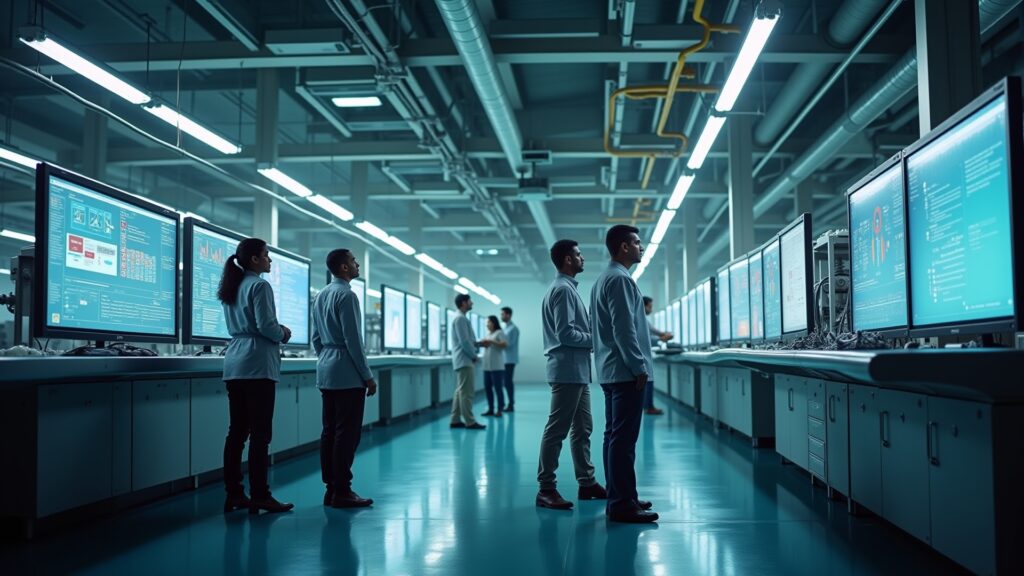
Biotechnology’s integration into your manufacturing footprint is not merely an add-on but a strategic pivot that redefines competitiveness. It enables the fusion of biology with engineering and digital innovation to create smart factories that learn, adapt, and optimize in real-time.
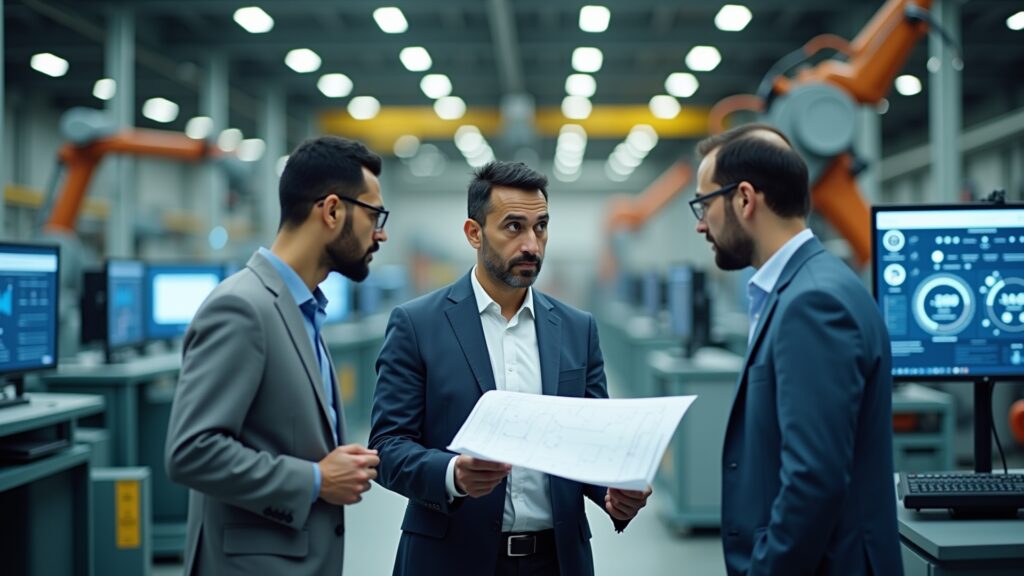
From a strategic standpoint, this means you must foster cross-disciplinary collaboration—bringing together biotech innovators, automation engineers, AI specialists, and supply chain experts under a unified vision. Doing so elevates production capabilities, allowing you to surmount challenges like resource scarcity and volatile global markets.
“In manufacturing, scale matters — but resilience and precision are what create durable advantage.”
Practical Takeaways for Your Manufacturing Enterprise
- Expand Beyond Startups: Shift focus from small-scale biotech ventures to large-scale industrial applications that integrate within your existing production infrastructure.
- Invest in Biotech Infrastructure: Prioritize capital allocation for biomanufacturing units that leverage automation and AI to boost productivity and quality.
- Forge Strategic Partnerships: Collaborate across academia, startups, and technology providers to accelerate innovation adoption and industrial scale-up.
- Align With Policy Incentives: Engage with government initiatives like PLI schemes and industrial parks to maximize support and market access.
- Embed Sustainability: Integrate energy-efficient bioprocesses to meet regulatory standards and build a reputation for green manufacturing.
“The real edge is not only in producing more, but in producing faster, smarter, and closer to where demand is shifting.”
Risks and Challenges to Navigate
You must recognize that scaling biotechnology presents challenges—from regulatory complexities and skill shortages to significant upfront capital requirements. The transition from pilot projects to full-scale manufacturing demands rigorous process validation and supply chain realignment.
Furthermore, aligning biotechnological innovations with traditional manufacturing workflows requires a cultural shift and strategic foresight, making change management a critical success factor.
What You Should Watch Next
Keep a close eye on evolving government policies and incentive programs designed for industrial biotechnology. Monitor advancements in industrial AI and automation technologies that integrate seamlessly with bio-manufacturing. Watch for global shifts favoring bio-based materials and pharmaceuticals, as these markets present high-value export opportunities.
Also, observe emerging partnerships and M&A activity that signal maturity in the ecosystem—these will provide insights into scalable, competitive biotech ventures ripe for collaboration or investment.
“When automation, supply-chain discipline, and execution quality align, manufacturing growth becomes far more sustainable.”
Conclusion: Securing India’s Manufacturing Leadership Through Industrial Biotechnology
Rethinking industrial biotechnology is no longer optional if you aim to lead in India’s manufacturing future. By embracing biotech-enabled automation, fostering policy-driven capacity expansions, and integrating sustainability into your production fabric, you enhance your factory’s resilience and global competitiveness.
This strategic recalibration will position your enterprise not just to participate but to dominate in a biologically advanced, digitally enabled manufacturing era—an era where India can indelibly establish its leadership on the global industrial stage.