As a manufacturing leader navigating India’s rapidly evolving industrial landscape, you are likely aware of the Production Linked Incentive (PLI) scheme’s spotlight. Yet, viewing PLI merely as a financial subsidy risks missing its broader potential and critical challenge. PLI is not just an incentive—it’s a strategic litmus test that demands operational maturity, visionary planning, and a deep alignment with India’s ambition to be a global manufacturing powerhouse.
Why This Matters to You
If you are a founder, plant head, supply chain executive, or investor in the manufacturing sector, PLI is a decisive factor shaping your business trajectory. This policy redefines competitiveness by setting high bars for scalability, productivity, localisation, and supply chain resilience. Your ability to embrace and excel within the PLI framework will influence not only immediate growth but also your long-term positioning in global markets.
The Strategic Evolution Behind PLI
Introduced as part of India’s vision to boost manufacturing and exports, PLI moves beyond mere cost incentives. It challenges you to rethink your manufacturing strategy radically. Instead of focusing on low-cost production alone, PLI demands a shift towards advanced manufacturing practices, smart factory integration, and higher value addition.
Industry veteran Abhijit Yemul aptly describes PLI as a “rigorous strategic test” that assesses operational excellence and scalability. It compels you to adopt a structured approach involving efficient execution, robust planning, and an integrated value chain model aligned with India’s industrial goals.
Key Impact Areas: From Factory Floors to Global Supply Chains
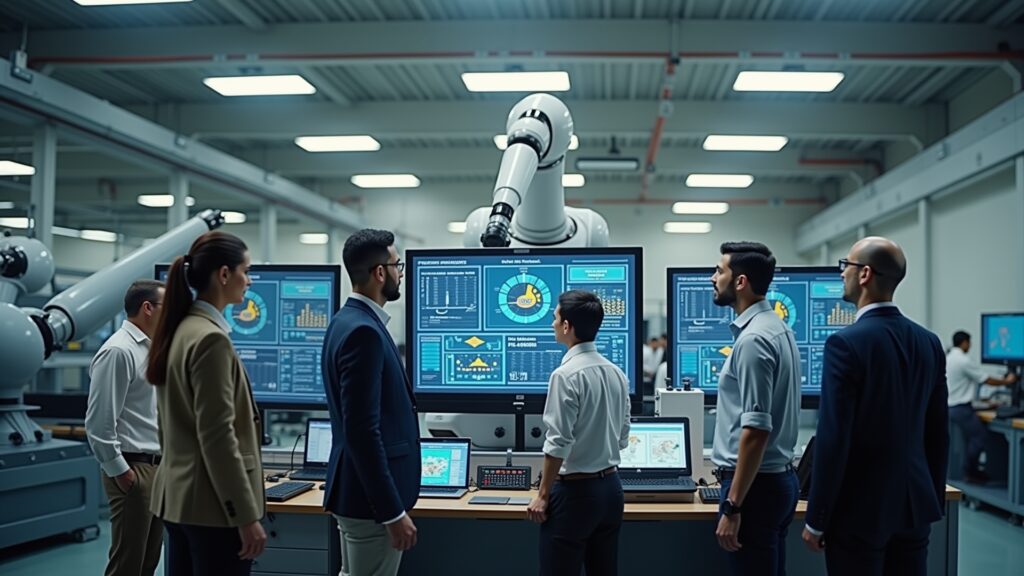
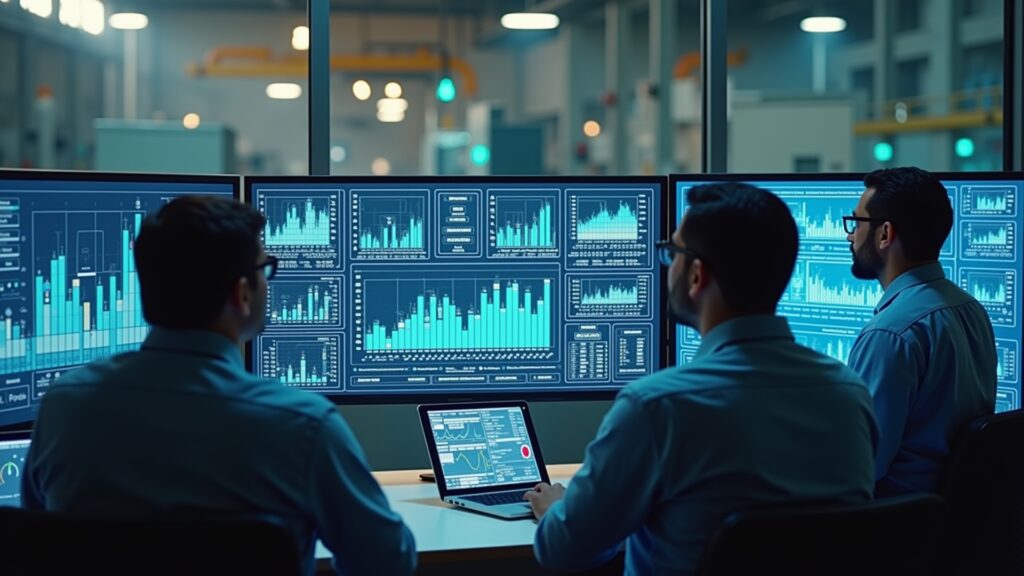
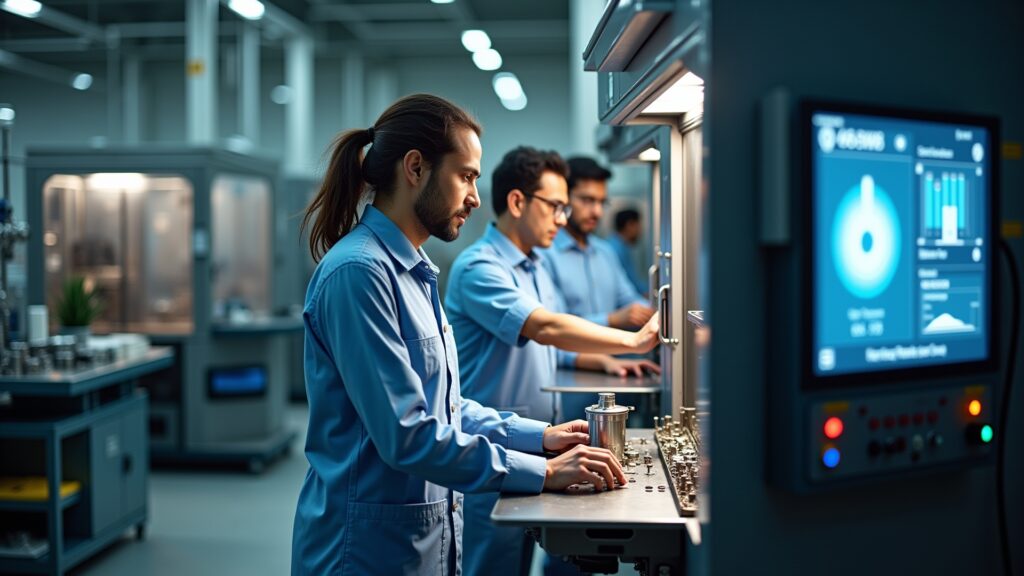
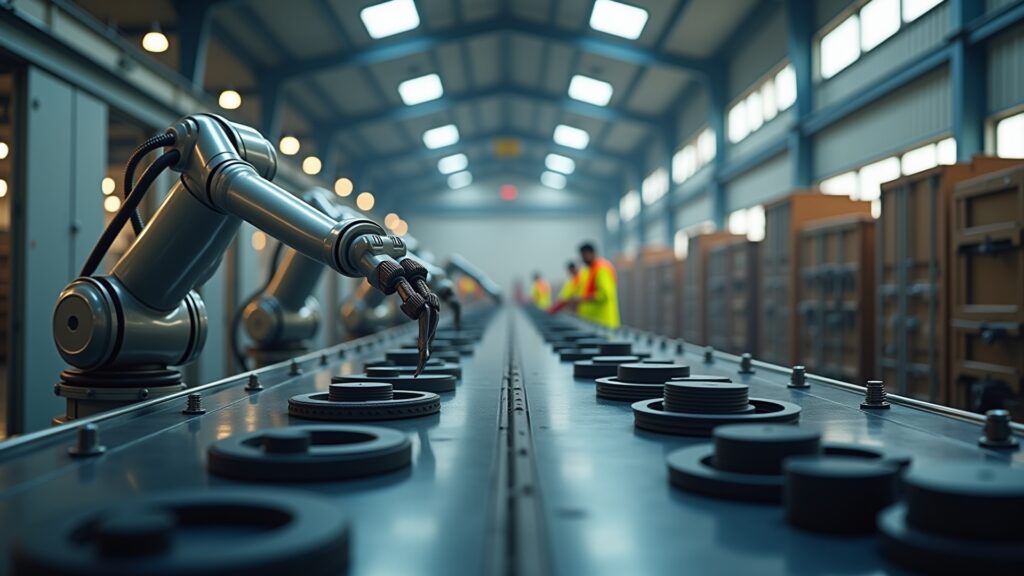
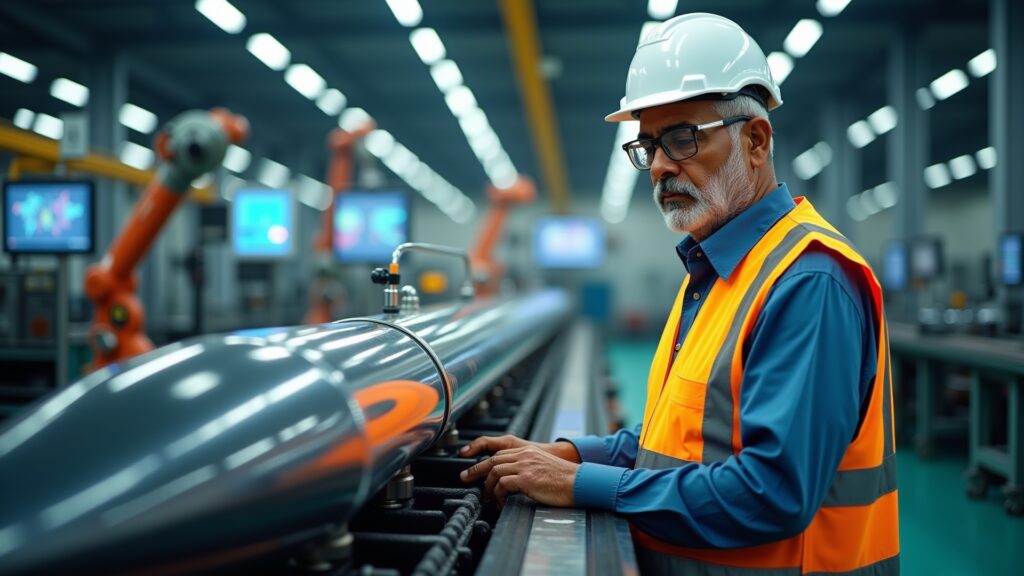
Advanced Manufacturing and Automation: PLI incentivizes investments in automation, digital operations, and industrial AI—technologies crucial to meet stringent performance metrics. For your factory, this means embracing digitization, predictive maintenance, and energy-efficient production methods that optimize quality and costs at scale.
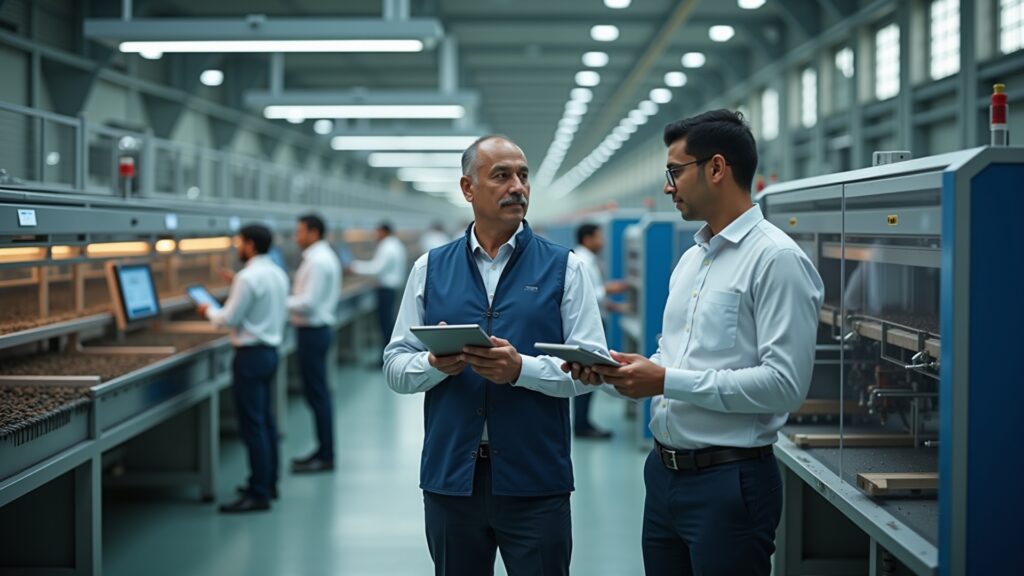
Supply Chain Resilience and Localisation: In the wake of global supply chain disruptions, PLI pushes you to deepen localisation and build robust procurement frameworks that shield your operations from geopolitical risks. The scheme also rewards export-ready productivity enhancements, supporting India’s growing presence as a reliable sourcing hub.
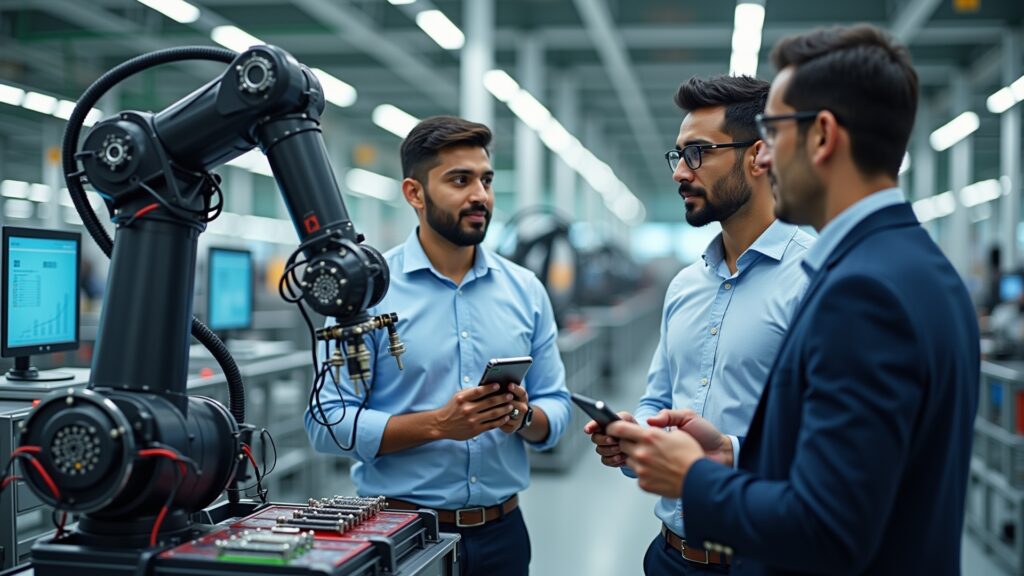
Leadership and Policy Synergy: Executives must view PLI as a test of leadership agility—balancing capital allocation, business transformation, and workforce upskilling with sustainability goals. Collaborating proactively with industrial policy and infrastructure frameworks amplifies your ability to extract full benefits from PLI.
Strategic Insights for Sustainable Growth
PLI’s framework underscores a transformational shift from transactional gains to strategic competitiveness:
- It necessitates a pivot to smart factories, emphasizing automation and AI-driven operational intelligence.
- You must engineer supply chains that are not only cost-effective but resilient, agile, and deeply localised.
- Aligning production capacity expansions with sustainable practices and cleaner energy use is increasingly pivotal to winning global market trust.
- The incentive calls for integrated execution — synchronizing production, procurement, technology, and talent development under a single strategic vision.
“In manufacturing, scale matters — but resilience and precision are what create durable advantage.”
“The real edge is not only in producing more, but in producing faster, smarter, and closer to where demand is shifting.”
Actionable Takeaways for Manufacturing Leaders and Stakeholders
- Adopt a Strategic Growth Mindset: View PLI as a platform to transform how you design and execute manufacturing processes, not just as a subsidy.
- Invest in Technology and Digitalisation: Prioritize upgrading factory automation, industrial AI applications, and digital supply chains to meet higher operational benchmarks.
- Drive Localisation and Supply Chain Robustness: Strengthen supplier ecosystems, reduce dependency on imports, and build agility to navigate global trade disruptions.
- Align Leadership with Policy and Sustainability Objectives: Ensure your organizational strategy incorporates energy efficiency, workforce upskilling, and compliance with evolving government frameworks.
- Plan for Export Competitiveness: Leverage PLI’s emphasis on productivity and scale to capture international market share amid shifting global demand patterns.
Challenges and Risks to Consider
While PLI offers a potent growth platform, success requires navigating several challenges. Cost pressures from upgrading technology and expanding capacities can strain resources. Maintaining supply chain consistency amid localisation drives may require strategic partnerships and investments. Additionally, leadership must manage workforce transitions to more automated, AI-driven environments without disrupting production continuity.
Understanding that PLI is a strategic test, not a guarantee, is essential. Complacency or superficial compliance may limit your ability to capture long-term competitive advantage.
Looking Forward: What You Should Monitor Next
Keep a close eye on how government guidelines evolve, especially concerning localisation requirements and performance benchmarks. Monitor advancements in industrial AI, automation technologies, and smart factory ecosystems to stay ahead. Watch global trade patterns and geopolitical shifts influencing supply chain realignments, as these will directly affect how you optimize your PLI-driven strategies.
Conclusion: Embrace PLI as a Pillar of India’s Manufacturing Leadership
PLI is redefining manufacturing strategy in India by setting a high-performance bar that challenges you to innovate, scale, and integrate comprehensively. Success under this scheme signals operational excellence, forward-looking leadership, and alignment with a national vision geared toward sustainable, competitive manufacturing growth.
As you engage with PLI, remember: this is more than an incentive—it is a strategic test that, when passed, positions your business at the forefront of India’s manufacturing renaissance on the global stage.
“When automation, supply-chain discipline, and execution quality align, manufacturing growth becomes far more sustainable.”