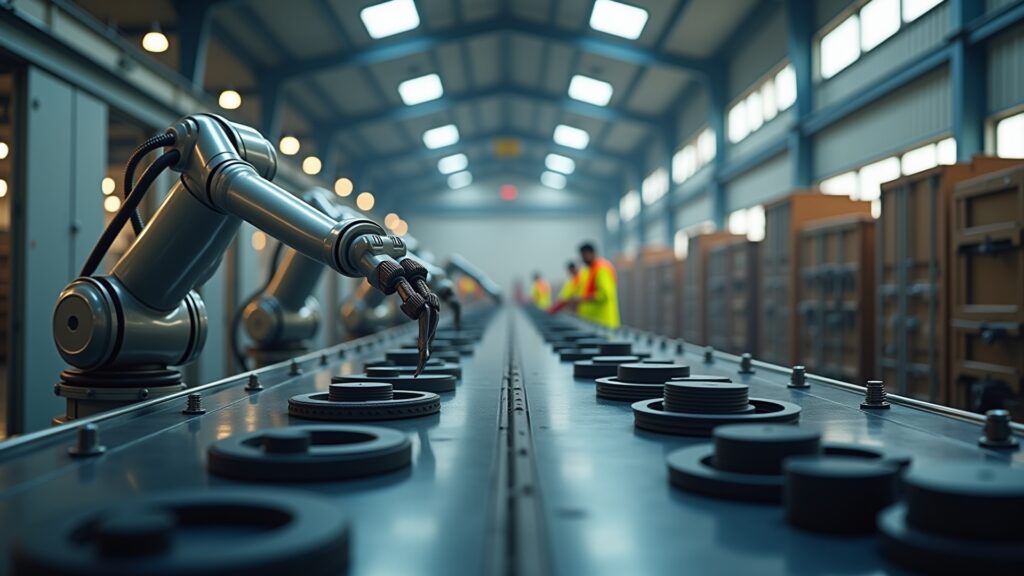
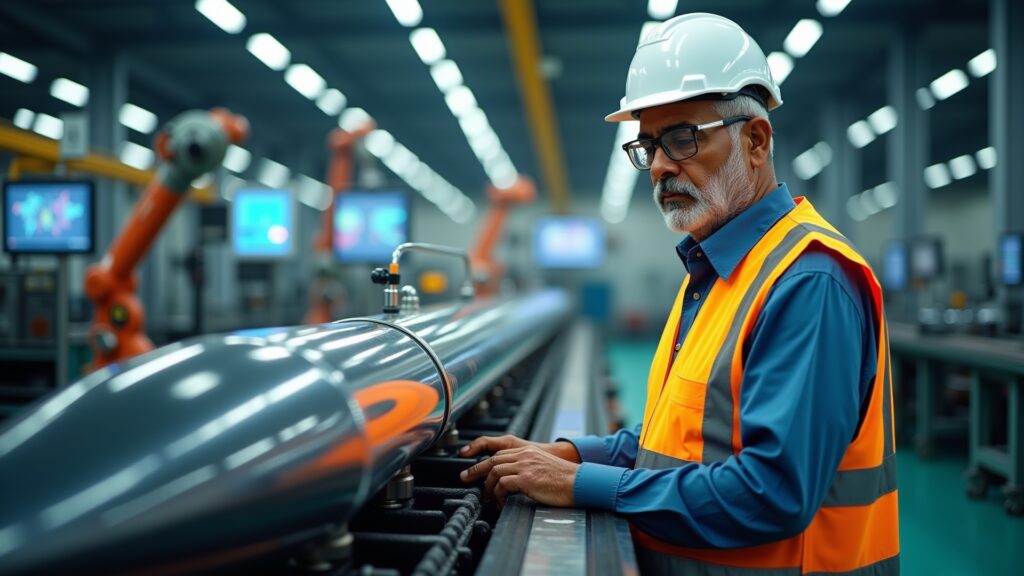
The recent moderation in India manufacturing growth amid the West Asia crisis is not merely a headline—it directly impacts your manufacturing business, strategic planning, and future investment decisions. As you strive to expand capacity, achieve operational excellence, and secure your supply chains, understanding the gravity and mechanics of this geopolitical disruption becomes essential. The volatility in West Asia reverberates through global energy markets, supply chains, and investor risk calculations, challenging the resilience and agility of India’s manufacturing ecosystem.
Why This Matters to You
As a manufacturing leader, plant head, investor, or policy influencer, you operate at the intersection of global supply dynamics and local industrial ambitions. The West Asia crisis introduces uncertainty that can ripple through your raw material sourcing, cost structures, export competitiveness, and investment outlook. Ignoring these signals risks bottlenecks, budget overruns, and lost market opportunities. Conversely, responding strategically can enhance your resilience, differentiate your factory operations, and position you ahead in India’s evolving manufacturing narrative.
What Is Happening: Unpacking the India Manufacturing Growth Moderation
India’s manufacturing landscape has been a cornerstone of its ambition to establish a robust, export-driven economy. Policy initiatives like the Production-Linked Incentive (PLI) scheme, targeted infrastructure upgrades, and export support have accelerated manufacturing capacity and innovation. However, the escalating geopolitical tensions in West Asia have introduced a moderating effect on this growth trajectory.
Specifically, the crisis impacts the supply ecosystem through several interlinked channels:
- Supply Chain Disruption: Many manufacturing inputs, from raw materials to intermediate goods, are linked either directly or indirectly to West Asia. The crisis threatens steady flow and timely procurement.
- Energy Price Volatility: India’s energy-intensive sectors feel the pressure as crude oil and gas prices fluctuate wildly, increasing operational costs and raising the stakes on energy management.
- Investor Risk Premiums: Global investors reassess risk positions amid geopolitical uncertainty, potentially tightening capital flows into manufacturing projects reliant on foreign funding or exports.
Key Impacts on Your Manufacturing Business
- Supply Chain Resilience Is a Priority: Relying on a narrow base of suppliers, especially from volatile regions, exposes you to operational risk. Expanding your vendor base and embracing a China+1 or multi-regional sourcing strategy has become not just advisable but imperative.
- Energy Management Moves to the Forefront: Rising fuel and utility costs demand that you pursue aggressive energy efficiency and sustainability initiatives. This not only controls costs but future-proofs your factory against further price shocks.
- Policy Engagement and Incentive Leverage: Staying informed and engaged with government schemes like PLI can help offset external pressures. Advocating for infrastructure and export facilitation measures strengthens your global competitiveness.
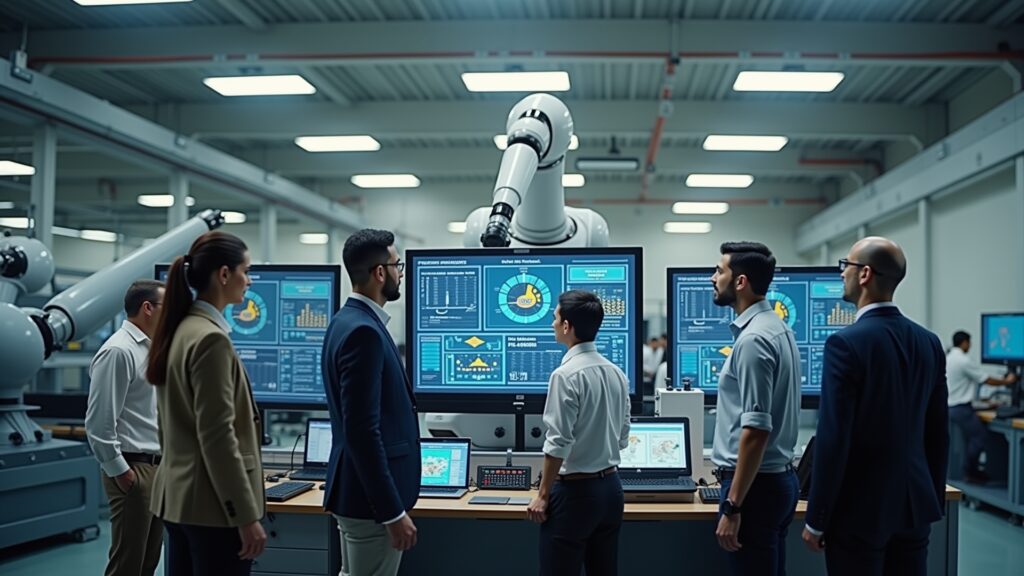
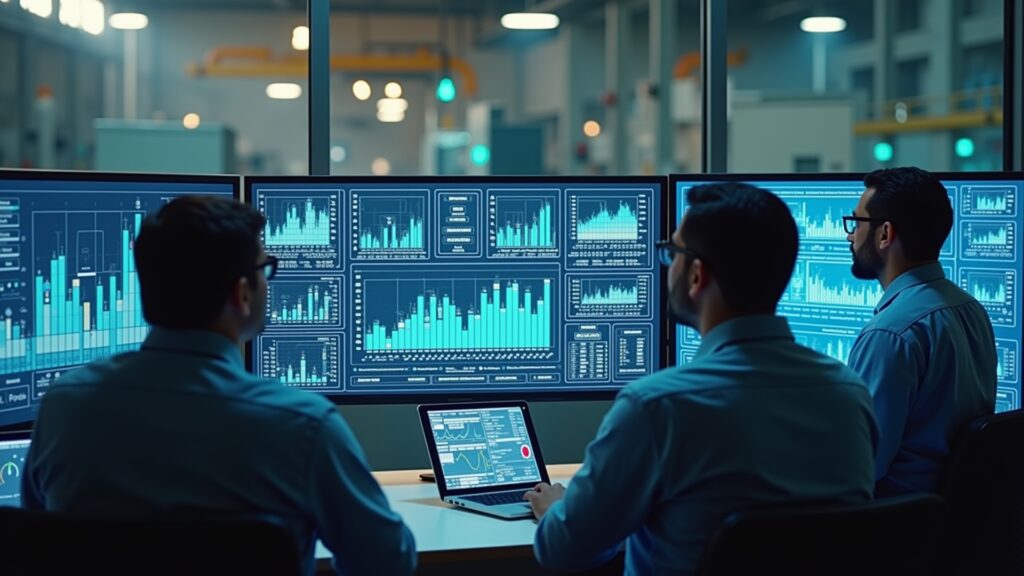
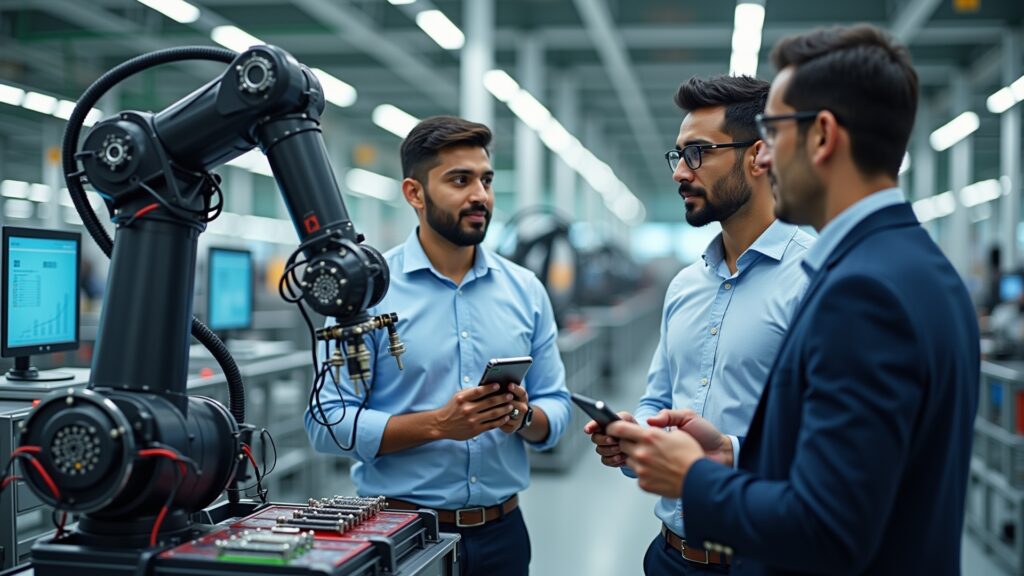
- Automation and Digitalisation as Strategic Differentiators: Integrating industrial AI, automation, and digitised factory management boosts your operational agility and productivity, cushioning cost impacts and supply uncertainties.
Strategic Insights: Navigating Complexity with a Forward-Looking Approach
“In manufacturing, scale matters — but resilience and precision are what create durable advantage.” The West Asia crisis highlights that growth is no longer just about expanding capacity but optimizing every facet of your manufacturing operations. Embedding smart technologies, reinforcing supply chains, and focusing on operational discipline are now your most valuable strategic levers.
The geopolitical risks also remind you of the importance of localization—not merely in production but across the supply chain, engineering innovation, and workforce skills development. Building trusted supplier partnerships within India and allied stable regions can reduce dependence on high-risk routes and inputs.
Moreover, the rise in energy costs is a clarion call to accelerate your sustainability journey. Energy efficiency investments and adopting cleaner production methods will yield dividends both in cost savings and regulatory alignment, boosting brand and market positioning globally.
“The real edge is not only in producing more, but in producing faster, smarter, and closer to where demand is shifting.” Aligning production agility with market signals will help you stay competitive amidst ongoing uncertainty.
Practical Takeaways for Manufacturing Leaders
- Prioritize comprehensive supply chain mapping and diversification to hedge risks from geopolitical hotspots.
- Invest in energy management systems and sustainability projects to mitigate cost volatility.
- Engage proactively with policymakers to leverage incentives and infrastructure initiatives that support export competitiveness.
- Accelerate adoption of industrial automation and AI to improve productivity and operational responsiveness.
- Monitor global energy and geopolitical developments continuously to anticipate and manage emerging risks.
Expert Perspectives
“When automation, supply-chain discipline, and execution quality align, manufacturing growth becomes far more sustainable.”
“Agility in sourcing and operations is no longer optional; it’s fundamental to thriving in a multipolar, uncertain global landscape.”
Risks and Challenges: Navigating Uncertainty and Capitalizing on Opportunity
The moderation in India manufacturing growth amid the West Asia crisis is a caution not to underestimate geopolitical risk. Supply delays, cost inflation, or capital constraints can disrupt your plans. However, overreacting with defensive, short-term measures may also reduce your competitive edge.
You must balance risk management with innovation and strategic investment, ensuring your operations remain lean yet flexible, and growth ambitions remain aligned with global realities.
What You Should Watch Next
Keep an eye on evolving geopolitical developments in West Asia, global energy price trends, and policy responses from the Indian government focused on boosting manufacturing resilience and exports. Emerging technology deployments, particularly in automation and AI, will be critical indicators of industry adaptation.
Equally important is tracking investor sentiment toward manufacturing sectors exposed to geopolitical risks, as shifts here will influence capital availability and long-term project viability.
Conclusion: Steering Through Geopolitical Headwinds with Strategic Foresight
The West Asia crisis moderates India’s manufacturing growth—but it does not halt the country’s industrial ambitions. For you as a manufacturing leader, investor, or policymaker, this phase demands a recalibration toward resilience, efficiency, and adaptable innovation. Embedding these principles in your operations and strategy will not only help you withstand current challenges but also position your factory and business for sustainable, competitive growth in India’s evolving industrial landscape.
By embracing diversification, energy efficiency, policy engagement, and advanced technology adoption, you build a manufacturing future that is robust against geopolitical disruptions while capitalizing on India’s long-term growth trajectory.
“Sustainable manufacturing in a complex world is not about weathering storms alone but about shaping your industrial destiny with foresight and precision.”