As a leader in manufacturing or industrial operations, you recognize the pressing need to move beyond commodity production and embrace higher-value manufacturing. India’s leather sector exemplifies this strategic pivot, moving decisively from basic processing to sophisticated, value-added goods. This evolution is not just an isolated industry upgrade; it signals a vital transformation with direct implications for your factory’s competitiveness, export potential, and supply chain resilience in a global marketplace increasingly driven by quality and innovation.
Why This Shift Matters to Your Manufacturing Strategy
For anyone involved in manufacturing oversight, investments, or industrial policy, the leather sector’s transformation is a bellwether. It underscores how traditional, labour-intensive industries can embrace automation, precision engineering, and product sophistication to capture higher margins, improve productivity, and fortify global positioning — all essential to sustaining long-term industrial growth.
By understanding and aligning with this shift, you can better navigate global supply chain realignments, enhance your export portfolio, and contribute to strengthening India’s position as a producer of premium industrial goods. This transition also affects workforce composition, infrastructure investments, and the sustainability profile of the manufacturing ecosystem you oversee.
Understanding the Evolution in India’s Leather Sector
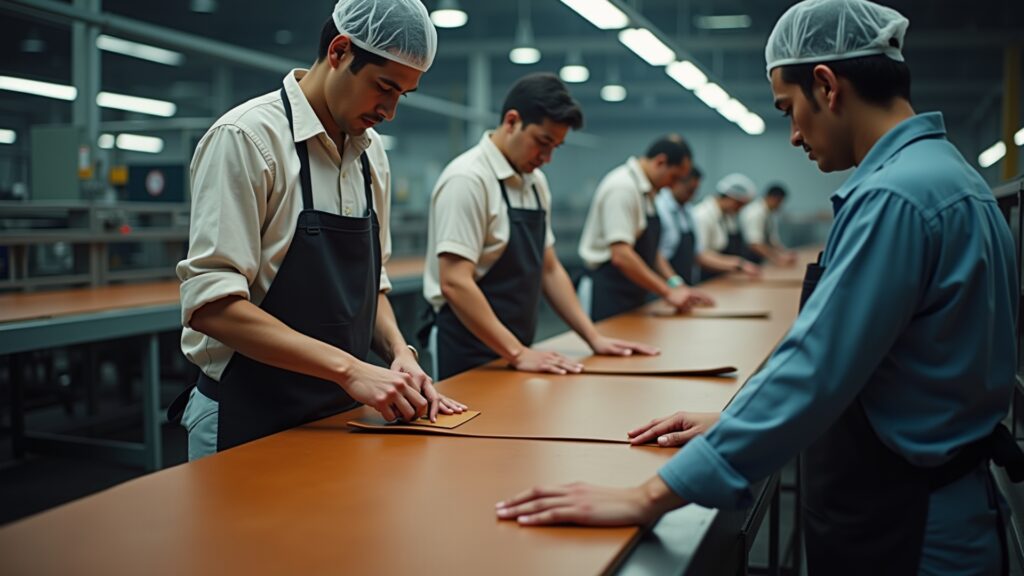
Historically dependent on labour-intensive processes and focused on volume exports, India’s leather industry now targets integration of cutting-edge manufacturing technologies. The focus areas include advanced tanning methods, state-of-the-art finishing techniques, and design innovation aimed at high-end markets such as automotive interiors, luxury fashion, and specialist leather goods.
This shift aligns with global market trends favoring high-quality, durable, and specialized leather products tested to exacting standards. Indian manufacturers’ ability to innovate and produce higher-margin goods empowers them to pivot from a cost-driven to a value-driven business model, enhancing export revenues and industrial scale-up.
Key Business and Manufacturing Impacts
- Value Addition and Efficiency Gains: Embracing automation and precision engineering in processes such as finishing and design enhances product consistency while lowering production costs.
- Enhanced Export Competitiveness: Manufacturing premium leather goods opens access to sophisticated global markets, increasing foreign exchange inflows and brand equity.
- Supply Chain Localization: Increasing local sourcing of raw materials and components reduces reliance on imports, bolstering supply chain resilience and aligning with government policies for self-reliance.
- Workforce Upskilling and Employment Quality: The advanced manufacturing processes demand skilled labour, catalyzing workforce development and improving wage structures.
- Capital Investment and Infrastructure Development: Upgrading to modern factories with intelligent machinery attracts fresh investment, often supported by government incentives, further modernizing India’s industrial infrastructure.
Deepening Your Strategic Insight
This sectoral transformation offers a template for other traditional industries to follow. The leather sector’s move towards high-value manufacturing demonstrates how integrating automation, innovation, and supply chain localization can drive operational excellence and global competitiveness simultaneously.
“In manufacturing, scale matters — but resilience and precision are what create durable advantage.”
By prioritizing product differentiation and quality, you position your manufacturing operations to not just compete, but lead in increasingly demanding markets. This invites a shift from mass production to strategic manufacturing, where technological adoption enhances agility and responsiveness to market signals.
Moreover, the emphasis on sustainable practices throughout the value chain will be crucial. As global buyers insist on responsible sourcing and eco-friendly production methods, your ability to integrate these into leather manufacturing will differentiate your operations and attract premium clientele.
Actionable Takeaways for Manufacturing Leaders
- Adopt Automation Thoughtfully: Invest in precision finishing, automated tanning, and smart design technologies to increase product sophistication without compromising efficiency.
- Enhance Supply Chain Localization: Build relationships with local raw material suppliers and technology providers to reduce external dependencies and improve supply security.
- Focus on Export Market Intelligence: Monitor demand trends in premium leather segments globally to tailor product development and marketing.
- Invest in Workforce Development: Elevate technical skills through targeted training programs to meet the demands of advanced manufacturing techniques.
- Leverage Policy Incentives: Align your capital expenditures with government programs supporting industrial modernization and export promotion.
“When automation, supply-chain discipline, and execution quality align, manufacturing growth becomes far more sustainable.”
Risks and Challenges to Navigate
While the promise of high-value manufacturing is compelling, you must be cognizant of associated risks. Transitioning from traditional methods requires significant capital outlay and carries the challenge of re-skilling labour forces. Additionally, global competition in premium leather markets is intense, demanding continuous innovation and quality vigilance.
Supply chain disruptions, particularly for critical raw materials, may still affect your operations. Hence, building diversified and trusted partnerships remains imperative. Environmental compliance and sustainability measures also require ongoing investment and management to meet evolving regulations and market expectations.
What to Watch Next in India’s Leather Sector
Keep a close eye on how technological integration such as industrial AI, robotics in finishing, and smart factory concepts evolve within the leather industry. Policy announcements supporting export incentives and local manufacturing innovations will also influence sector trajectory.
Global shifts in consumer preferences towards ethical and sustainable products could further accelerate India’s push for cleaner, greener leather manufacturing. Tracking investment flows into new-age leather clusters and infrastructure hubs will offer insights into the sector’s growth path.
Conclusion: Positioning Your Manufacturing Venture for the Future
The shift of India’s leather sector towards high-value manufacturing embodies a strategic industrial evolution that you cannot afford to overlook. By fostering automation, innovation, and localization, this sector is redefining competitiveness and export potential.
This evolution provides a blueprint for any manufacturing leader aiming to future-proof operations, enhance product quality, and build a resilient, technology-driven supply chain. As you consider your strategic investments and operational improvements, learning from the leather sector’s transformation offers valuable lessons in scaling industrial sophistication.
Embrace this shift to high-value manufacturing in India’s leather industry, and you align yourself with a forward-looking movement that is set to fuel broader industrial growth, sustainable practices, and global leadership in manufacturing excellence.