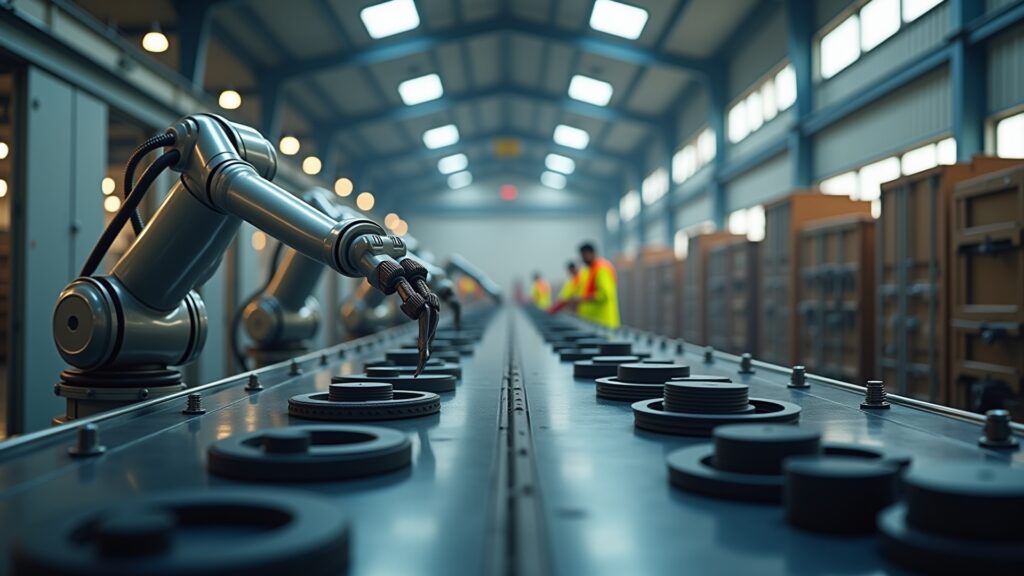
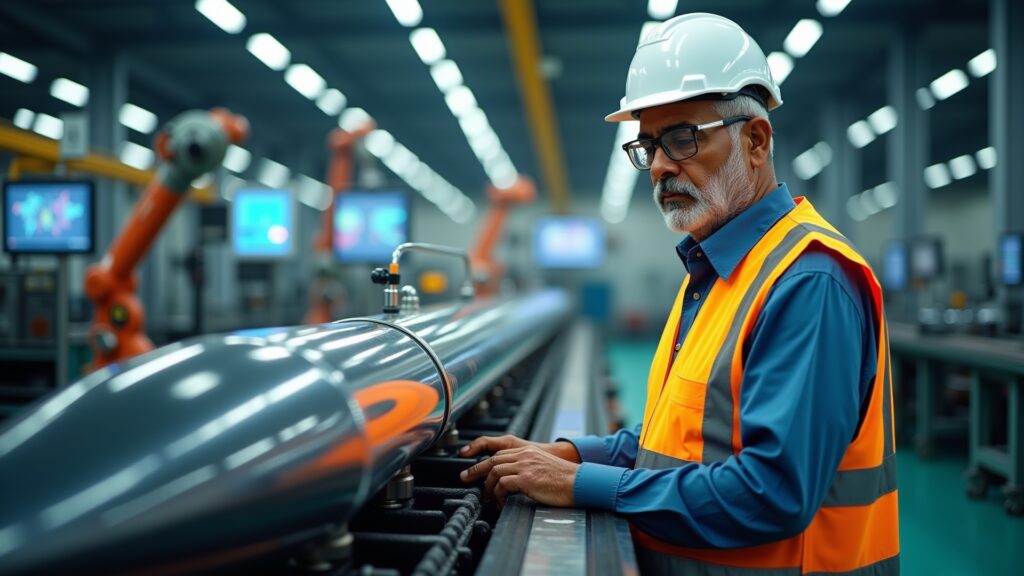
As India’s manufacturing sector registers its second-weakest growth since mid-2022 in June, you are at a pivotal moment. This deceleration in factory output influences your entire industrial ecosystem—from your factory floor to your supply chain strategies and your global market positioning. Understanding why this slowdown matters helps you anticipate risks and seize opportunities in an increasingly complex manufacturing landscape.
Why This Matters to You
The recent dip in India’s factory growth isn’t just a statistic; it’s a signal impacting your operational planning, capital allocation, and competitive positioning. Whether you oversee plant operations, manage supply chains, or invest in manufacturing enterprises, this development affects production volumes, demand forecasting, and export strategies. For you, the priority is clear: adapt your factory strategies to maintain momentum amid softening domestic and global demand.
What Is Happening: Decoding the Factory Growth Slowdown
India’s manufacturing activity, as tracked by the Purchasing Managers’ Index (PMI), slipped noticeably in June. This softening reflects a blend of global and domestic pressures:
- Global demand fluctuations influenced by uneven post-pandemic recovery and inflationary headwinds.
- Domestic market dynamics including possible inventory corrections and growing caution among buyers.
- Ongoing transitions as factories invest in new technologies and recalibrate capacities to better align with evolving market needs.
Collectively, these factors create an environment where growth is restrained but signals a necessary phase of adjustment rather than outright contraction.
Strategic Impact: What This Means for Your Business
For you managing or investing in manufacturing operations, this is both a challenge and a strategic breakpoint. The immediate impact is on output and order pipelines. More crucially, it calls for a rethink of how factories operate and compete in a global setting. Key themes emerging include:
- Accelerated adoption of automation and industrial AI: Leveraging smart factories reduces dependency on unstable demand cycles by improving efficiency and cost containment.
- Supply chain resilience and localisation: Reducing reliance on fragile international supply lines will safeguard your production continuity and align with India’s push for trusted, local supplier networks.
- Focus on exports and market diversification: Expanding into diverse global markets can offset domestic softness and smooth revenue volatility.
- Government policy engagement: Actively utilizing Production-Linked Incentives (PLI) and infrastructure support programs can enhance your capacity and competitiveness.
- Sustainability and energy efficiency integration: Embedding green practices is no longer optional but essential for long-term cost and compliance benefits.
Deeper Insight: Navigating Complexity with Industrial Innovation
Your pathway through this growth slowdown lies in embedding resilience and innovation into factory strategy. Smart manufacturing technologies—from robotics to AI-driven predictive maintenance—offer significant levers to tame variability and enhance operational agility. This technological upgrade must go hand in hand with workforce upskilling, fostering an adaptive, skilled labour base capable of navigating evolving production paradigms.
“In manufacturing, scale matters — but resilience and precision are what create durable advantage.”
Simultaneously, supply chains demand your focused attention. The pandemic underscored the vulnerability of overly globalised supply models. India’s drive for localisation and supply chain diversification is your chance to build secure, responsive sourcing ecosystems that underpin continuous production regardless of external shocks.
Practical Takeaways for Your Manufacturing Leadership
- Monitor demand signals closely: Adjust production plans proactively in response to order book changes and market feedback.
- Invest in smart factory capabilities: Prioritize automation and AI tools that improve throughput and cost efficiency.
- Strengthen supplier integration: Build partnerships with local suppliers to ensure supply chain robustness and agility.
- Leverage government schemes: Align expansion and technology adoption plans with available policy incentives.
- Expand export horizons: Develop strategies to enter or deepen presence in international markets that are less susceptible to localized demand shocks.
- Champion sustainability: Enhance energy efficiency to reduce operating costs and meet emerging regulatory and customer expectations.
“The real edge is not only in producing more, but in producing faster, smarter, and closer to where demand is shifting.”
Cautionary Notes: Risks and Challenges Ahead
While strategic optimism is warranted, be vigilant about the risks associated with this slowdown. Inventory buildups, fragile consumer confidence, and global economic uncertainties can exacerbate demand softness. Moreover, rushed adoption of technology without considering integration challenges or workforce preparedness might lead to inefficiencies or underutilized investments.
What You Should Watch Next
Keep a close eye on policy developments, especially expansions in industrial incentives and infrastructure initiatives that can accelerate your growth trajectory. Also, monitor global economic trends and supply chain disruptions that may influence order patterns. Regularly evaluate your factory’s technological readiness and workforce skills to ensure you respond dynamically as the market evolves.
Conclusion: Embedding Resilience to Secure India’s Manufacturing Future
The India June factory growth slowdown is a wake-up call for you to recalibrate strategies amid shifting global and domestic conditions. By embedding automation, enhancing supply chain resilience, capitalizing on policy support, and broadening export markets, you can convert this challenge into a foundation for sustainable growth. Your ability to adapt swiftly and innovate with precision will define your competitive edge as India marches towards industrial prominence.
“When automation, supply-chain discipline, and execution quality align, manufacturing growth becomes far more sustainable.”