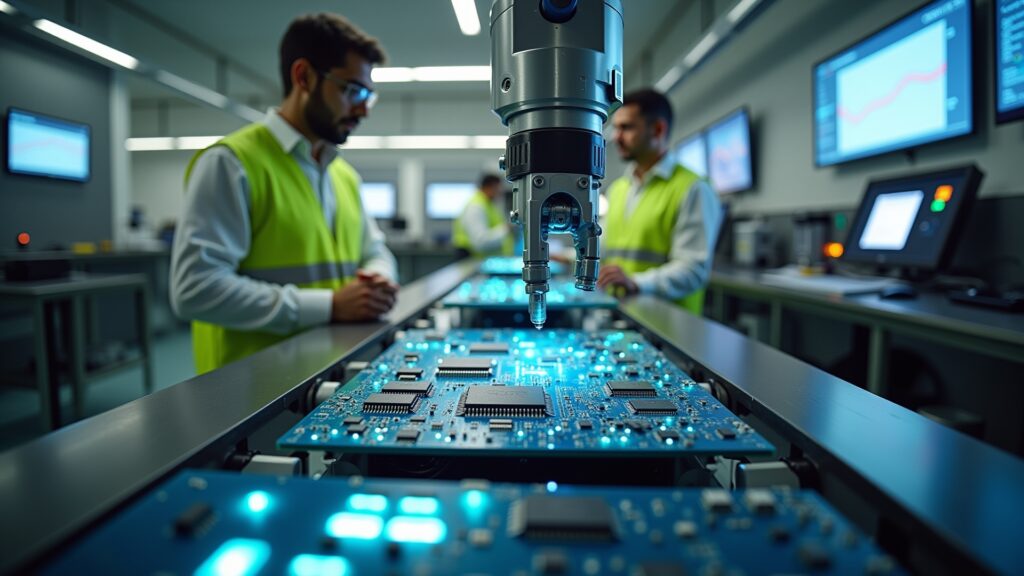
You stand at a pivotal crossroads in manufacturing—India’s burgeoning electronics manufacturing ambition is reshaping the industrial landscape with far-reaching implications for your factory, supply chain, and investment strategies. This is not just a story of scaling output; it is a strategic transformation crossing technological innovation, policy frameworks, and global market realignments that can redefine your competitive positioning in the digital era.
Why This Matters to You
Whether you lead a manufacturing plant, helm supply chain operations, or assess investment portfolios, India’s electronics ambition demands your attention. It promises opportunities to tap advanced factory automation, access localised supply chains, and participate in the global electronics value chain more effectively. Your operational resilience, product innovation capabilities, and export competitiveness depend on understanding these developments and aligning your strategies accordingly.
What Is Happening in India’s Electronics Manufacturing Sector?
India is fast emerging as a global contender in electronics manufacturing, catalysed by expansive government policies such as the Production Linked Incentive (PLI) scheme, focused infrastructure upgrades, and skill development initiatives. These efforts do more than boost production capacity—they create an ecosystem primed for industrial AI, robotics integration, and smart factory adoption. The move aligns with global shifts toward automation, sustainability, and value addition in electronics production, redefining India’s role from a consumption-driven market to a manufacturing hub.
The Strategic Business Impact
Electronics underpin critical growth segments from automotive to telecommunications and industrial automation. By fostering a strong domestic electronics manufacturing base, India is enhancing industrial productivity while delivering on export ambitions amid a global supply chain realignment triggered by the China+1 strategy. This diversification is essential for risk management and cost competitiveness across sectors where technology and supply chain agility are increasingly decisive.
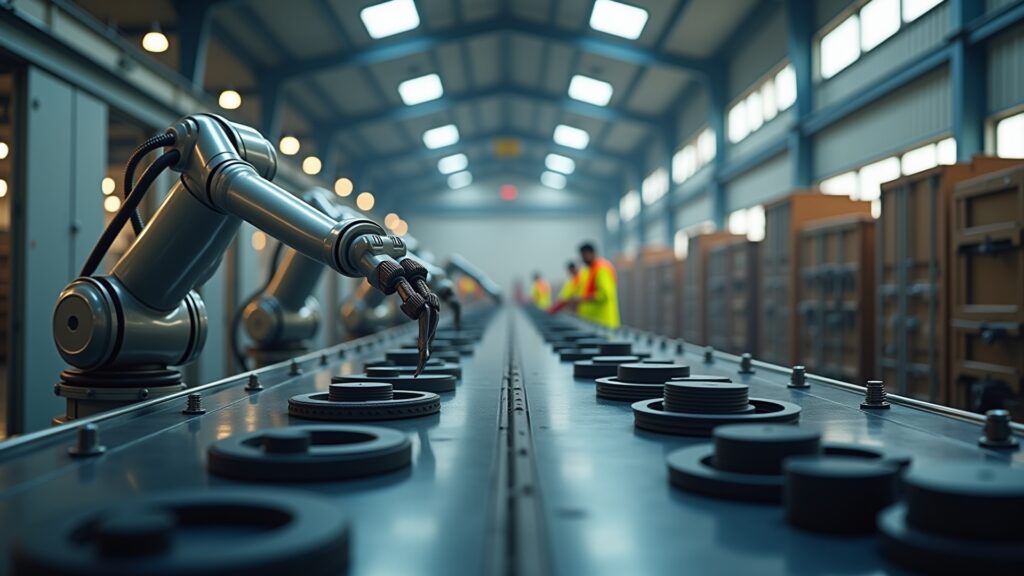
Technologies such as industrial AI and robotics elevate factory efficiency—boosting yield, reducing defects, and optimising resource usage—paving the way for cost-effective production that enhances your competitive edge.
Deepening Policy and Ecosystem Support
India’s manufacturing ecosystem benefits from targeted incentives to reduce capital expenditure, bolster local component production, and promote sustainable industrial operations. The emphasis on energy efficiency and environmentally responsible manufacturing practices is catching the eye of investors who prioritize ESG-friendly growth models. This intersection of policy and innovation creates a fertile ground for scaling without compromising ecological stewardship.
“In manufacturing, scale matters — but resilience and precision are what create durable advantage.”
Strategic Insight: What This Means for Industry Leaders and Investors
As a manufacturing executive or investor, the decisions you make now on capacity expansion, technology integration, and supply chain design will determine your long-term relevance. India’s electronics push signals a need for interdisciplinary collaboration—engineering innovators, automation technology providers, and logistics experts must converge to build resilient ecosystems that can meet rising demand with quality and cost discipline.
Moreover, the growth of the electronics sector is a catalyst for broader industrial development—stimulating job creation, enhancing skill development, and cementing India’s reputation on the global manufacturing stage.
“The real edge is not only in producing more, but in producing faster, smarter, and closer to where demand is shifting.”
Practical Takeaways: How to Position Your Business
- Understand policy frameworks: Leverage incentives like the PLI scheme to reduce upfront investment risks and increase local value addition.
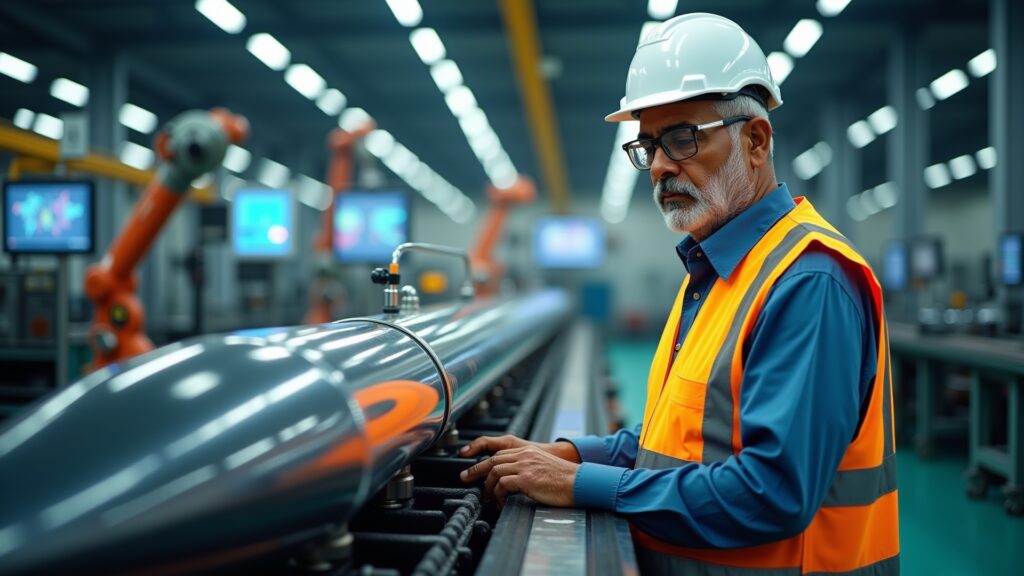
- Invest in smart factories: Deploy industrial AI, robotics, and automation to improve quality and operational efficiency.
- Build supply chain resilience: Develop relationships with local and trusted suppliers to mitigate risks from global supply disruptions.
- Embrace sustainability: Align your manufacturing practices with energy efficiency and ESG standards to attract responsible investment.
- Focus on skill development: Up-skill your workforce in new technologies to ensure seamless adoption and innovation capability.
Risks and Challenges to Consider
Despite the promising growth trajectory, challenges remain. Infrastructure gaps, uneven skill availability, and the imperative of technology adoption at scale can constrain momentum. Additionally, navigating global trade complexities and ensuring consistent quality to meet international standards require sustained leadership attention and investment.
“When automation, supply-chain discipline, and execution quality align, manufacturing growth becomes far more sustainable.”
What You Should Watch Next
Track the evolution of government incentives and infrastructure development closely, as these will influence your cost structures and expansion timelines. Monitor advancements in industrial AI and robotics that can provide a competitive edge. Stay alert to global supply chain shifts that might open new export opportunities or necessitate strategic pivots.
Conclusion
Your engagement with India’s electronics manufacturing ambition is no longer optional—it is essential for sustaining growth and competitiveness in the digital age. This ambition is more than a production target; it is a comprehensive industrial strategy reshaping supply chains, technology deployment, and workforce dynamics. By aligning your business to this dynamic, you harness the full potential of India’s industrial transformation, positioning yourself at the forefront of manufacturing innovation and global market relevance.