As a leader steering an Indian manufacturing enterprise or guiding investments in this sector, you might have anticipated that Free Trade Agreements (FTAs) would be your fast track to global markets and exponential growth. Yet, the reality you face is more complex and less rewarding than the promise of reduced tariffs and expanded export opportunities. Understanding why the impact of FTAs on Indian manufacturing remains underwhelming is essential for you to craft smarter strategies that truly leverage international trade in the pursuit of manufacturing excellence and competitive positioning.
Why This Should Matter to You
FTAs are often positioned as levers for enhancing export volumes, diversifying market access, and integrating India into global value chains. However, if you’re relying solely on tariff concessions and trade deals to propel your factory’s growth or your investment portfolio’s returns, you risk overlooking critical operational and systemic weaknesses that blunt these agreements’ effects. Your competitiveness, productivity, and long-term sustainability hinge not just on trade policy but on how well your manufacturing ecosystem can capitalize on these external opportunities.
What Is Happening: The Reality Behind India’s FTAs
India has actively pursued numerous FTAs with key economies, aiming to unlock new markets and lower trade barriers. Despite these efforts, the expected uplift in manufacturing exports has not materialized to anticipated levels. This gap is rooted in persistent structural and operational challenges that Indian manufacturers face:
- Cost Competitiveness: Higher input costs and fragmented supply chains reduce margin flexibility.
- Infrastructure Constraints: Logistics inefficiencies and inconsistent quality standards delay delivery and erode buyer confidence.
- Regulatory Burdens: Complex compliance requirements impose time and cost penalties.
- Skill Shortages: Gaps in technical and digital skills hamper the adoption of advanced manufacturing technologies essential for meeting global quality benchmarks.
Key Business and Manufacturing Impacts You Should Consider
These challenges mean that, though FTAs lower tariff barriers, your manufacturing operations encounter non-tariff hurdles that erode competitive advantage abroad. The adverse impact is clear across:
- Export Readiness: Delays and inconsistencies in production quality reduce your appeal to discerning international buyers.
- Supply Chain Resilience: Fragmentation and inadequate localization expose you to supply disruptions and cost volatility, limiting your ability to leverage FTAs effectively.
- Scaling Operations: Without operational improvements, achieving economies of scale to compete internationally remains elusive.
Strategic Insight: Moving Beyond Trade Agreements
To unlock meaningful growth from FTAs, you must adopt a comprehensive strategy that aligns trade facilitation with manufacturing transformation. Consider prioritizing:
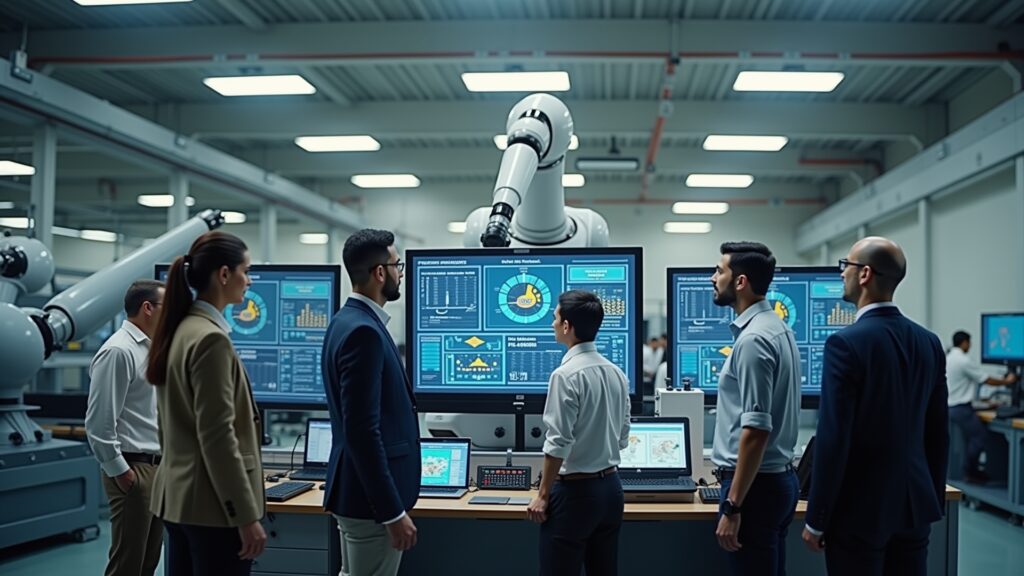
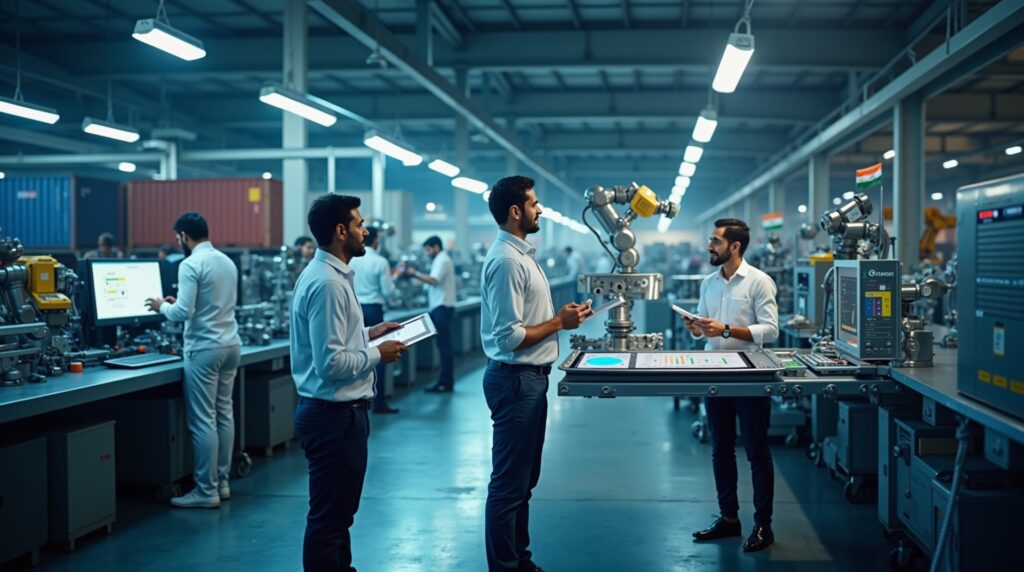
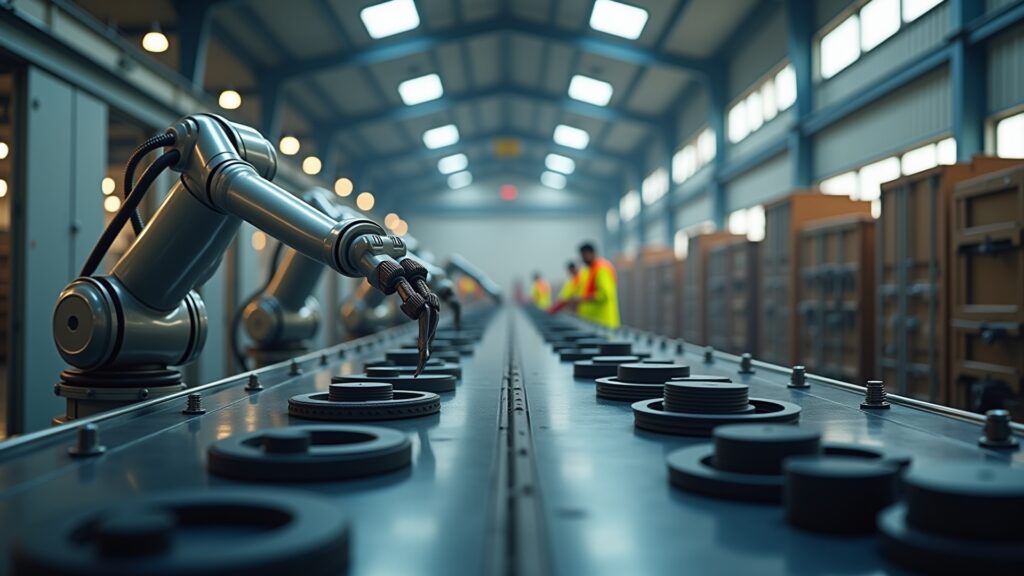
- Automation and Smart Factory Investments: Elevate productivity and quality through robotics, AI, and industrial IoT to meet global standards and reduce lead times.
- Localization of Supply Chains: Develop trusted domestic sources for raw materials and components, reducing dependency on imports and shielding your operations from geopolitical risks.
- Policy and Incentive Alignment: Advocate for and leverage government schemes, such as Production Linked Incentives (PLI), that underpin export-oriented manufacturing growth.
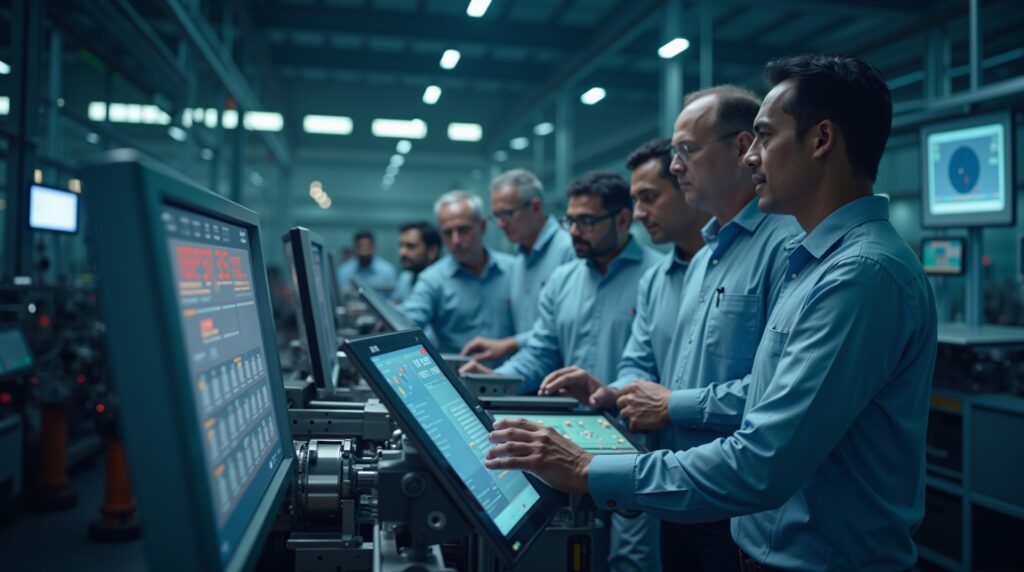
- Operational Excellence: Optimize logistics, quality assurance, and workforce skill development to build resilience and responsiveness.
“In manufacturing, scale matters — but resilience and precision are what create durable advantage.”
“The real edge is not only in producing more, but in producing faster, smarter, and closer to where demand is shifting.”
Practical Takeaways for Your Manufacturing Leadership
- Understand: FTAs are critical enablers but do not compensate for foundational manufacturing weaknesses.
- Monitor: Supply chain integrity, regulatory changes, and skill development initiatives closely to identify bottlenecks and opportunities.
- Invest: In automation and digital transformation projects that enhance product quality and operational agility.
- Collaborate: With policymakers and industry associations to align incentives and push for infrastructure improvements.
- Localize: Your sourcing strategy to improve cost competitiveness and supply-chain stability.
Risks and Challenges You Need to Navigate
Relying on FTAs without addressing internal constraints exposes your operation to risks including underutilized capacity, missed export opportunities, and reduced investor confidence. Additionally, rapid global shifts like supply chain realignments toward “China+1” strategies raise the bar for operational readiness. Without robust manufacturing capabilities, you risk losing out to competitors better positioned operationally, despite similar trade access.
What You Should Watch Next in India’s Manufacturing Landscape
Focus your attention on policy reforms that simplify regulatory frameworks and enhance industrial infrastructure. Be alert to newer FTAs under negotiation or revision that may offer better alignment with India’s manufacturing sectors. Technological adoption trends and government incentives tied to export competitiveness will also be critical indicators to track as they signal India’s readiness to address bottlenecks and maximize FTA gains.
Conclusion: Maximizing the Impact of FTAs Through Industrial Advancement
The impact of Free Trade Agreements on Indian manufacturing remains underwhelming because trade access alone does not overcome entrenched structural and operational challenges. For you to truly harness the benefits of these global deals, you must look beyond tariff reductions. Investing strategically in technology, supply chain localization, skill enhancement, and policy advocacy is non-negotiable. This holistic approach will empower you to transform Indian manufacturing from a sector burdened by inefficiencies into a globally competitive powerhouse, realizing the full potential that FTAs can offer.
“When automation, supply-chain discipline, and execution quality align, manufacturing growth becomes far more sustainable.”