You are at a crucial crossroads in India’s manufacturing journey. As you plan the expansion of your factories, streamline production, or enhance supply chain resilience, the long-standing challenge of industrial land accessibility and regulation likely looms large. The Confederation of Indian Industry’s (CII) new roadmap for industrial land reform promises to reshape this landscape fundamentally — offering you a strategic lever to scale your manufacturing operations more efficiently, attract investment, and embed your business deeper into global value chains.
Why This Industrial Land Reform Matters to You
For you as a manufacturing leader or investor, land is not just a piece of real estate; it’s the foundation of capacity creation, operational scale, and competitive agility. India’s current industrial land scenario involves fragmented tenure systems, overlapping regulations, and zoning inconsistencies, which delay factory setups and expansions. These inefficiencies directly translate into missed opportunities — in domestic production, export growth, and adoption of advanced technologies like robotics and industrial AI.
By addressing these systemic barriers, CII’s roadmap offers you a chance to accelerate capital investment cycles, customize industrial clusters for your specific production needs, and leverage government incentives more effectively. This reform therefore isn’t just about land policy—it’s about unlocking your manufacturing ecosystem’s full potential.
Understanding CII’s Industrial Land Reform Roadmap
CII’s proposals focus sharply on three pivotal areas:
- Simplification of land acquisition processes: Streamlining regulatory approvals to minimize delays in securing land.
- Optimization of land-use regulations: Introducing clear, flexible zoning that supports modern manufacturing requirements, such as dedicated smart factory zones and export-oriented units.
- Development of specialized industrial clusters: Creation of modular and scalable industrial parks that foster supplier-manufacturer proximity, supply chain efficiency, and easier integration of automation.
This comprehensive approach aims to create a seamless industrial ecosystem where manufacturing operations can scale rapidly and sustainably.
Key Impacts on Your Manufacturing Business and Market Position
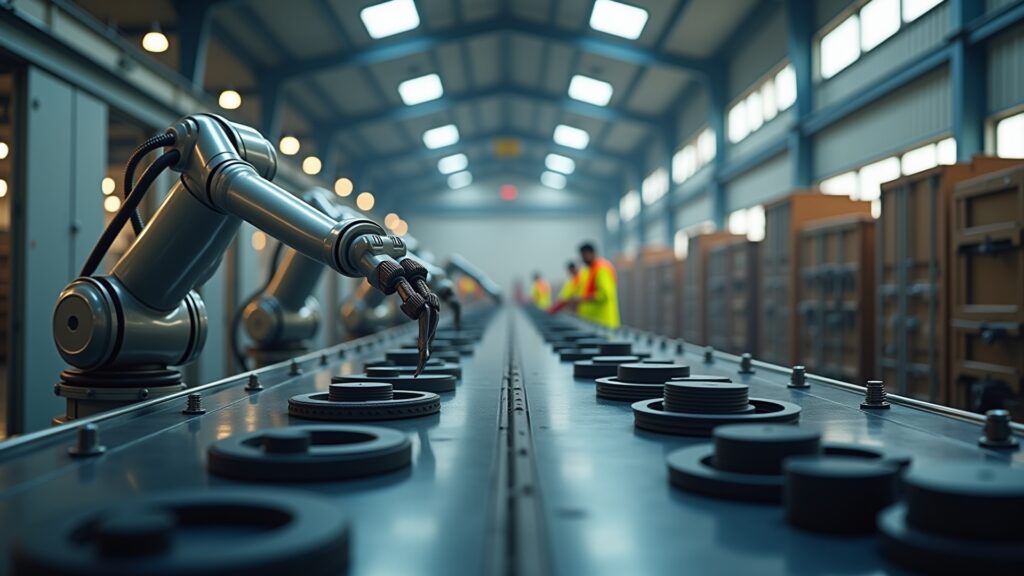
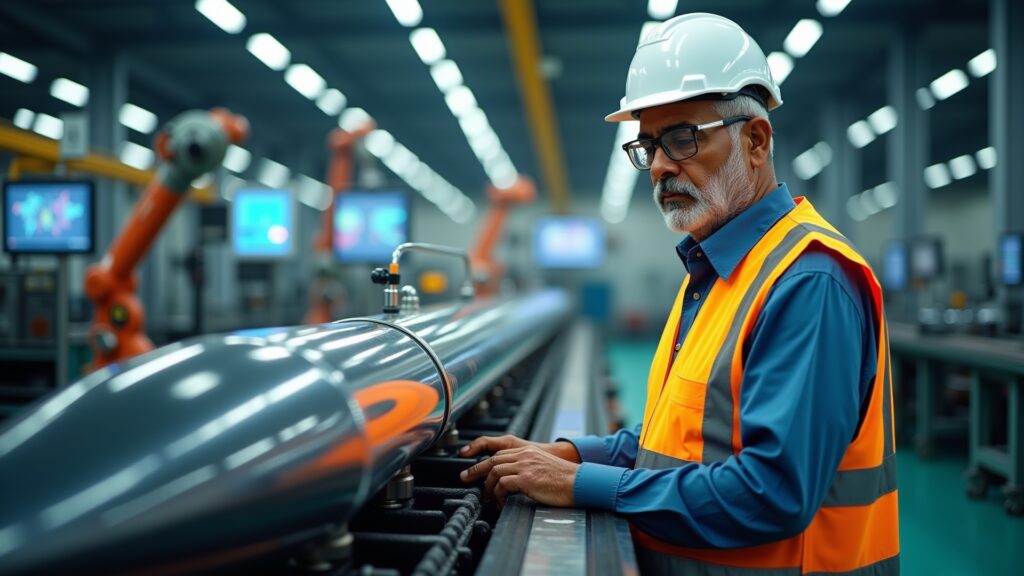
These reforms align closely with the evolving competitive dynamics shaping global supply chains—especially with the China+1 strategy gaining traction among multinational corporations. For you, this means enhanced access to industrial zones equipped to support automation, robotics, and AI-powered smart factories, critical for boosting productivity and maintaining cost competitiveness.
Land reform also elevates your ability to localize value chains, a growing priority in government policy and global market demands. Clusters optimized for export-oriented manufacturing amplify your chances of tapping into incentive schemes like the Production Linked Incentive (PLI), while reinforcing supply chain resilience through strategic concentration of suppliers and upstream partners.
“In manufacturing, scale matters — but resilience and precision are what create durable advantage.”
“The real edge is not only in producing more, but in producing faster, smarter, and closer to where demand is shifting.”
Strategic Insights: What This Means for Your Industrial Future
From a strategic vantage point, CII’s roadmap signals a turning point in India’s industrial infrastructure — transitioning from fragmented, laborious land processes to integrated, future-ready industrial zones. This transformation is your opportunity to embed automation and green infrastructure into your factory expansions at scale, enhancing energy efficiency while meeting sustainability benchmarks.
Moreover, with clearer policies and reduced procedural friction, you can anticipate shortened project gestation periods and improved capital allocation returns. Investors are likely to respond positively, viewing India as a more predictable and competitive manufacturing destination, increasing foreign direct investment flows and export volumes.
For your workforce planning, reforms will support the creation of skill clusters tuned to new industrial technologies, creating a competitive pool of talent required for operating next-generation factories.
Practical Takeaways: What You Should Do Now
- Revisit location strategies: Start identifying potential industrial zones benefiting from streamlined policies to align future expansions.
- Integrate automation plans: Leverage improved infrastructure to accelerate adoption of robotics and industrial AI within your production lines.
- Build partnerships: Engage with suppliers and logistics partners to exploit clustering advantages and reduce supply chain risks.
- Monitor policy progress: Stay updated on government rollouts of land reforms and related incentives such as PLI schemes to optimize your investment timing.
- Invest in workforce readiness: Prioritize upskilling to prepare your teams for advanced manufacturing environments.
Risks and Challenges You Must Consider
While CII’s roadmap is promising, implementing these reforms across India’s diverse industrial landscape will require time, coordination, and policy alignment at multiple government levels. You should be mindful of potential delays or regional discrepancies in adoption that could impact project timelines.
Additionally, as industrial clusters evolve, challenges related to environmental compliance, community engagement, and infrastructure maintenance will require proactive management to sustain operational efficiency and social license to operate.
What to Watch Next in India’s Manufacturing Ecosystem
Keep a close eye on how state governments respond to CII’s recommendations, particularly with respect to zoning law amendments and the establishment of dedicated smart factory zones. Monitoring progress on infrastructure development and FDI inflows into these zones will give you early signals of emerging manufacturing hotspots.
Also, track updates from central government initiatives linked to Make in India and PLI schemes, since their effective convergence with land reforms will be a key determinant of your facility’s competitiveness.
“When automation, supply-chain discipline, and execution quality align, manufacturing growth becomes far more sustainable.”
Conclusion: Position Yourself at the Forefront of India’s Manufacturing Revival
In sum, the CII industrial land reform India roadmap is more than a policy update—it’s a strategic pivot for your manufacturing ambitions. By unlocking industrial land bottlenecks and enabling infrastructure suited to advanced production ecosystems, these reforms empower you to scale rapidly, innovate boldly, and compete globally.
Embrace these changes proactively by revisiting your expansion plans, investing intelligently in technology and workforce, and engaging with emerging industrial clusters. Doing so will place your operations at the forefront of India’s industrial renaissance and set you on a path toward sustainable, high-impact growth.