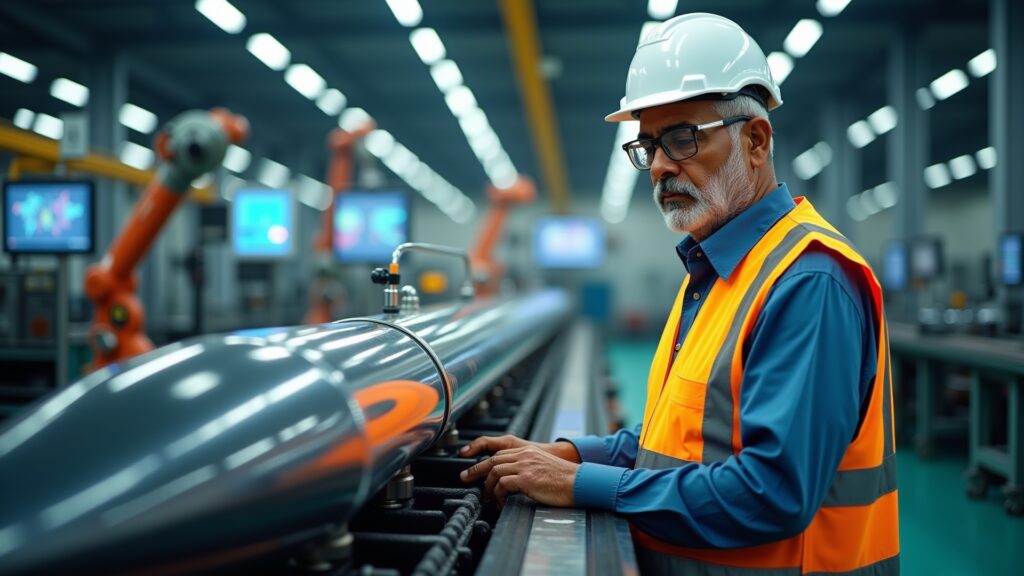
As a leader in India’s automotive manufacturing sector, you stand at the crossroads of a profound industrial evolution powered by automation. This shift is not merely about adopting new technologies but about redefining how you drive productivity, ensure competitive advantage, and secure your place on the global manufacturing stage. Understanding how automation is transforming India’s automotive landscape is critical for you to future-proof your operations, enhance supply chain resilience, and effectively leverage government incentives designed to accelerate growth and innovation.
Why Automation in India’s Automotive Manufacturing Matters to You
Your business is navigating a dynamic market where speed, quality, and cost efficiency dictate survival. Automation offers a strategic edge by streamlining production processes and improving operational accuracy — transforming these factors from challenges into core strengths. As global customers demand higher quality and faster delivery, integrating automation helps your factory optimize output while reducing waste and variability. Moreover, it aligns your manufacturing footprint with India’s policy thrust on localisation and export competitiveness, directly impacting your bottom line and positioning your enterprise as a trusted partner in international supply chains.
The Current Landscape: What Is Happening?
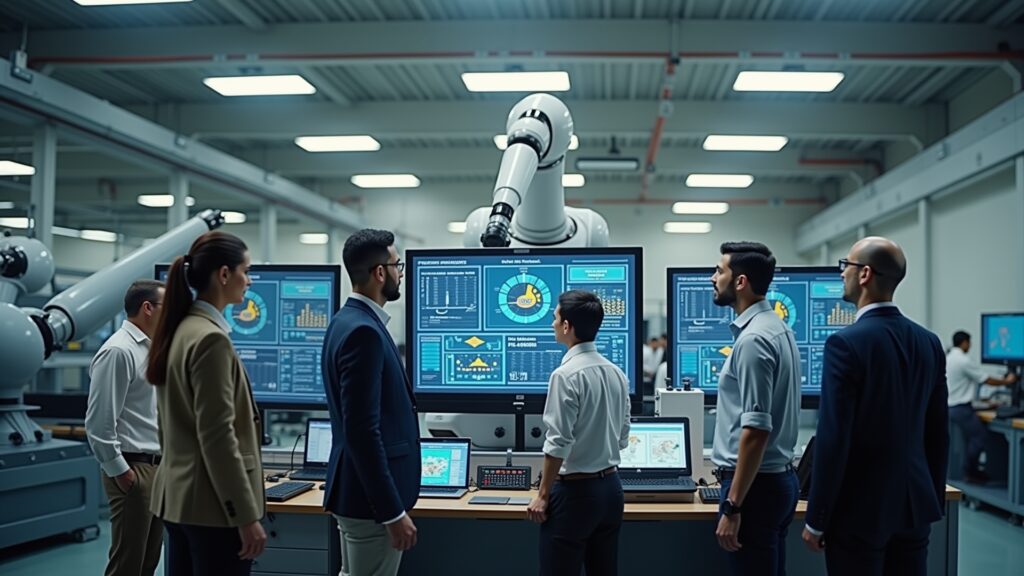
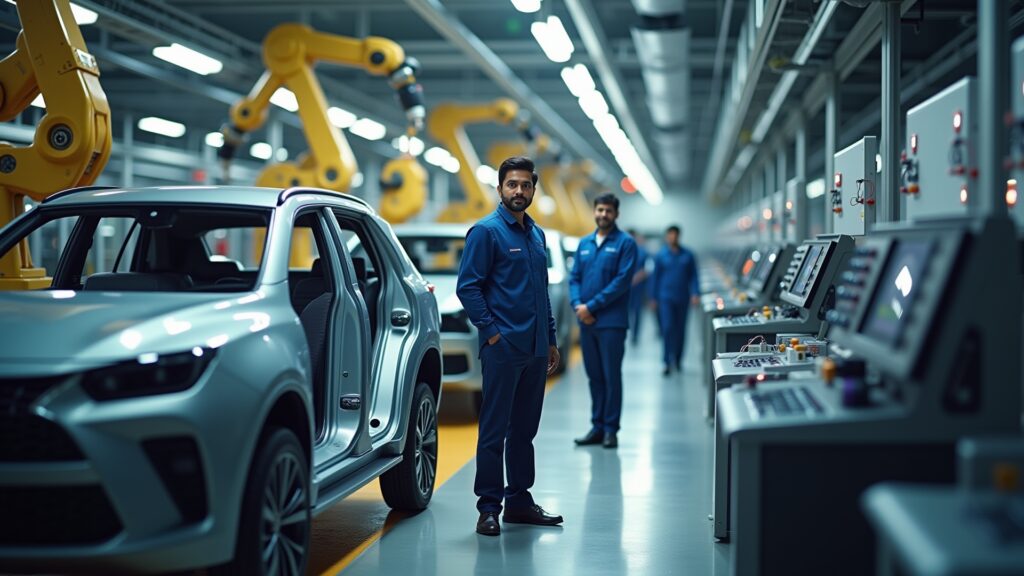
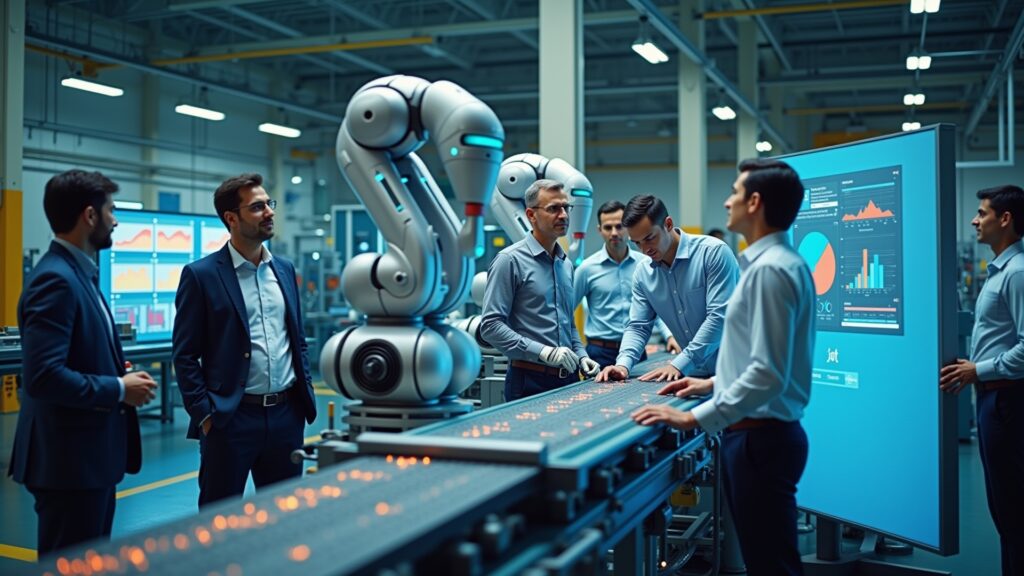
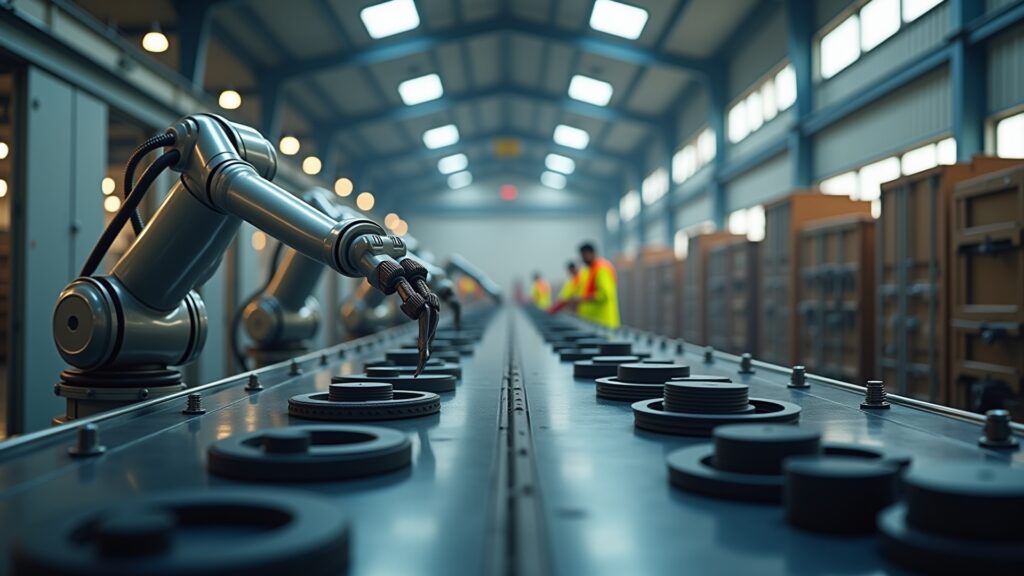
India’s automotive sector is witnessing accelerated adoption of automation technologies such as advanced robotics, smart manufacturing systems, and automated assembly lines. These innovations enable you to not only increase production volumes but also maintain stringent quality controls and cost efficiencies. Industrial AI is emerging as a game-changer by enabling predictive maintenance, real-time asset optimization, and enhanced worker safety through automation of hazardous tasks.
This transformation drives greater flexibility within your operations, allowing adjustments in scale and processes to meet shifting consumer demands and navigate supply chain disruptions. It also complements government initiatives like the Production Linked Incentive (PLI) schemes, which encourage capital investment in cutting-edge manufacturing technologies.
Key Business and Manufacturing Impacts You Should Consider
- Enhanced Productivity and Cost Efficiency: Automation reduces manual errors and downtime, leading to consistent quality and faster turnaround times.
- Improved Export Competitiveness: Meeting global standards becomes easier, making your products more appealing in international markets.
- Supply Chain Resilience: Automated processes and digital monitoring enable rapid responses to disruptions, enhancing overall stability.
- Workforce Transformation: Automation fosters skill development, preparing your teams for managing and innovating in smart factory environments.
- Alignment with Sustainability Goals: Intelligent automation optimizes energy use and reduces waste, supporting cleaner production methods.
Strategic Insights: Leveraging Automation for Sustainable Growth
From a strategic standpoint, you must view automation not as a one-off upgrade but as an integral part of your industrial DNA. The real power lies in how you align automation with your broader business goals—achieving scale without compromising quality, nurturing a skilled workforce, and embedding flexibility to respond swiftly to market changes.
“In manufacturing, scale matters — but resilience and precision are what create durable advantage.”
Automation also positions you to tap into emerging opportunities like electric vehicle (EV) production, where precision and automation are not optional but essential. As India accelerates its EV ambitions, your ability to deploy advanced manufacturing systems will be a decisive factor in gaining a competitive edge.
Takeaways for Manufacturing Leaders and Investors
- Prioritize Digital Transformation: Invest strategically in automation technologies that best fit your production needs and scalability plans.
- Focus on Skill Development: Cultivate technical expertise within your workforce to handle and innovate with smart factory technologies.
- Monitor Policy and Incentives: Leverage government schemes like the PLI to offset capital expenditures on automation investments.
- Enhance Supply Chain Visibility: Use automation to increase transparency and agility, mitigating risks from global disruptions.
- Embed Sustainability: Align automation initiatives with energy efficiency and sustainability goals to future-proof operations.
Expert Perspectives
“The real edge is not only in producing more, but in producing faster, smarter, and closer to where demand is shifting.”
“When automation, supply-chain discipline, and execution quality align, manufacturing growth becomes far more sustainable.”
Risks and Challenges to Navigate
Despite the clear benefits, you must be mindful of challenges such as the upfront capital intensity of automation, potential workforce displacement concerns, and the need for continuous technology upgrades to stay competitive. Addressing workforce transition with upskilling and change management is essential to minimize resistance and harness the full potential of automation.
Additionally, ensuring cybersecurity for interconnected automated systems is critical to protect your production integrity and intellectual property from evolving threats.
What You Should Watch Next
Keep an eye on how automation integrates with emerging technologies such as IoT, digital twins, and advanced analytics, which together will redefine manufacturing intelligence and agility. Monitor government policy updates, especially incentive programs and regulations aimed at electric vehicle manufacturing, as these will shape future investment priorities.
Lastly, watch how global supply chain realignments — driven by geopolitical uncertainties and the China+1 strategy — influence your sourcing and production location decisions. Automation will be a crucial enabler in these strategic moves.
Conclusion: Automation as a Cornerstone for India’s Automotive Manufacturing Leadership
Automation in India’s automotive manufacturing sector is more than a technological upgrade; it is a strategic imperative for you seeking operational excellence, global competitiveness, and industrial leadership. By embracing automation, you unlock scalability, improve supply chain resilience, and position your company to navigate complex global markets and shifting consumer demands effectively.
As this digital transformation accelerates, your commitment to investing in automation technologies, workforce development, and sustainable practices will determine your legacy in India’s automotive future.
Automation in India’s automotive manufacturing is your pathway to building a resilient, competitive, and future-ready manufacturing enterprise.