You stand at the forefront of India’s manufacturing evolution, where the race for global competitiveness hinges not only on individual factory upgrades but on how seamlessly your entire value chain integrates. The shift towards integrated manufacturing hubs is no longer a theoretical strategy but a business imperative. For factory owners, plant leaders, and industrial investors like you, understanding and leveraging these ecosystems can define your operational efficiency, supply chain resilience, and ability to capture growing export markets.
Why Integrated Manufacturing Hubs Matter to You
Manufacturing is no longer about isolated units operating independently. As a business leader or operations head, your ability to thrive depends on how interconnected your supply chain, production capabilities, and technological partners are within a manufacturing hub. These hubs are designed to reduce lead times, optimize costs, and elevate quality by fostering close proximity and strategic collaboration among stakeholders. If you aim to scale your operations or attract foreign investment, syncing with integrated industrial ecosystems is the path forward.
Moreover, as the global supply chain realigns with the China+1 strategy, India’s integrated hubs are emerging as preferred destinations for manufacturing investments. This transition marks a unique opportunity for you to enhance your manufacturing footprint and participate in a value-added, localized economy that supports both domestic demand and exports.
What Is Happening: The Rise of Manufacturing Hubs in India
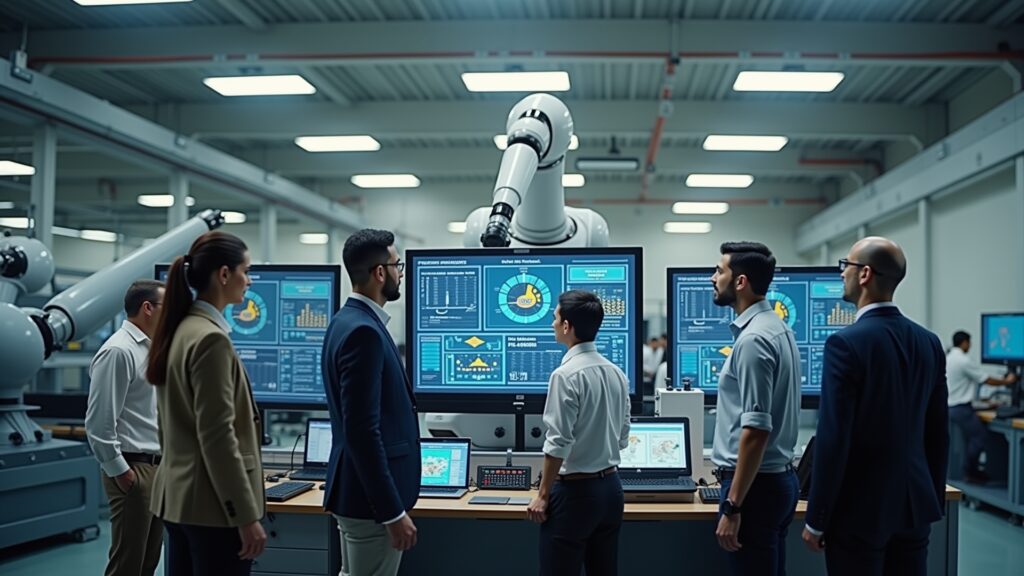
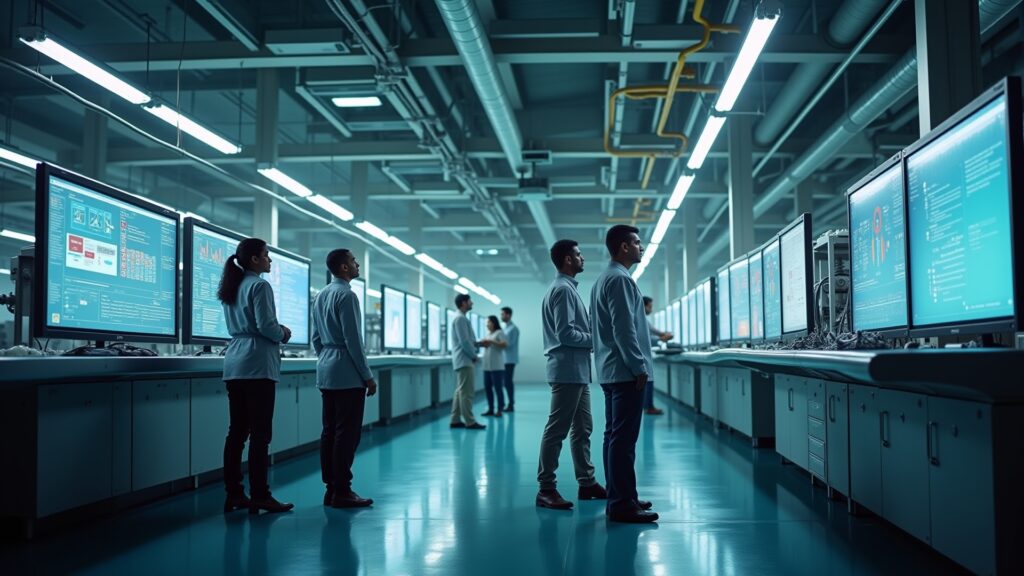
India’s manufacturing sector is aggressively developing integrated industrial ecosystems that bring together suppliers, manufacturers, logistics providers, technology firms, and workforce training centers in unified zones. This strategic clustering creates operational synergies that transcend traditional factory setups.
Such hubs facilitate shared infrastructure, reduce dependency on distant suppliers, and enhance supply chain visibility—critical for managing risks and responding swiftly to market shifts. They also create an environment conducive to technology adoption, such as automation and industrial AI, which is vital for modern manufacturing competitiveness.
Driving Scale Through Localization and Workforce Development
Integrated hubs accelerate the localization agenda by fostering clusters where components, raw materials, and manufacturing co-exist. This localization reduces import dependency and promotes indigenous innovation.
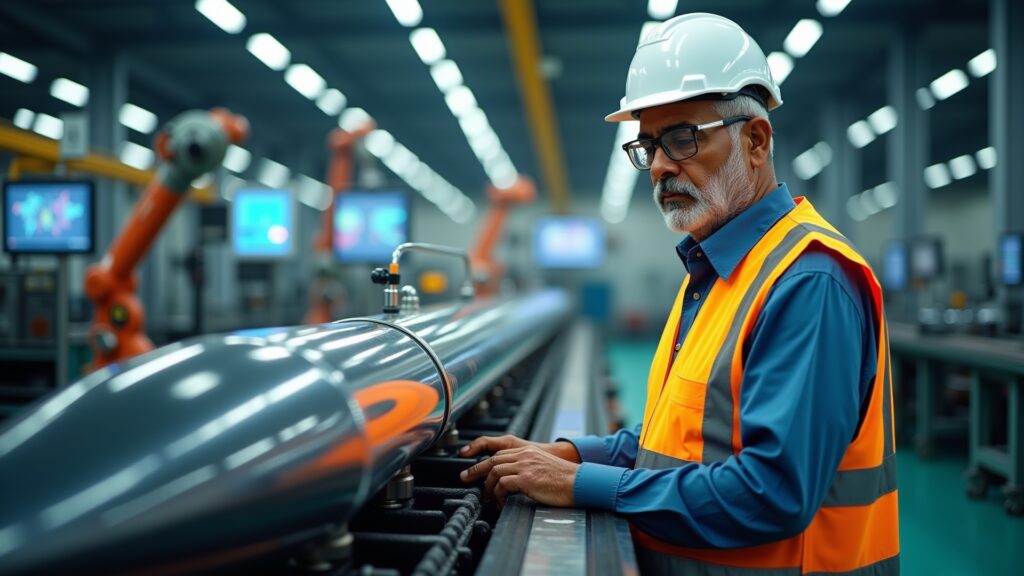
These hubs are also pivotal in developing a skilled workforce tailored to the evolving demands of automation, smart manufacturing, and process optimization. For you managing plant operations or engineering functions, this translates into improved productivity and operational excellence.
Key Strategic and Market Impacts for Your Manufacturing Business
For investors and manufacturing leaders, integrated hubs offer increased capital investment opportunities with measured risk, given their concentrated yet diversified industrial activities.
Operationally, you can expect shortened lead times, reduced logistics costs, and enhanced quality control due to the collaborative ecosystem approach. This networked model enables faster product innovation cycles and customized manufacturing able to meet dynamic market demands.
At a broader level, these hubs contribute to India’s export competitiveness by fostering economies of scale and specialized manufacturing for sectors such as electronics, automotive, and heavy machinery.
“The real edge is not only in producing more, but in producing faster, smarter, and closer to where demand is shifting.”
Deeper Insights: The Intersection of Technology, Policy, and Ecosystem Synergies
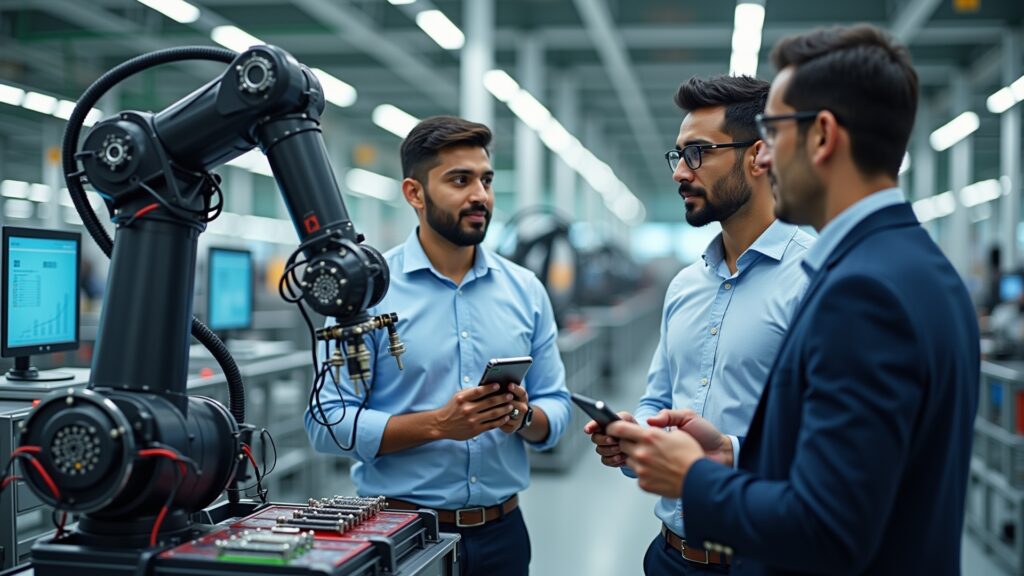
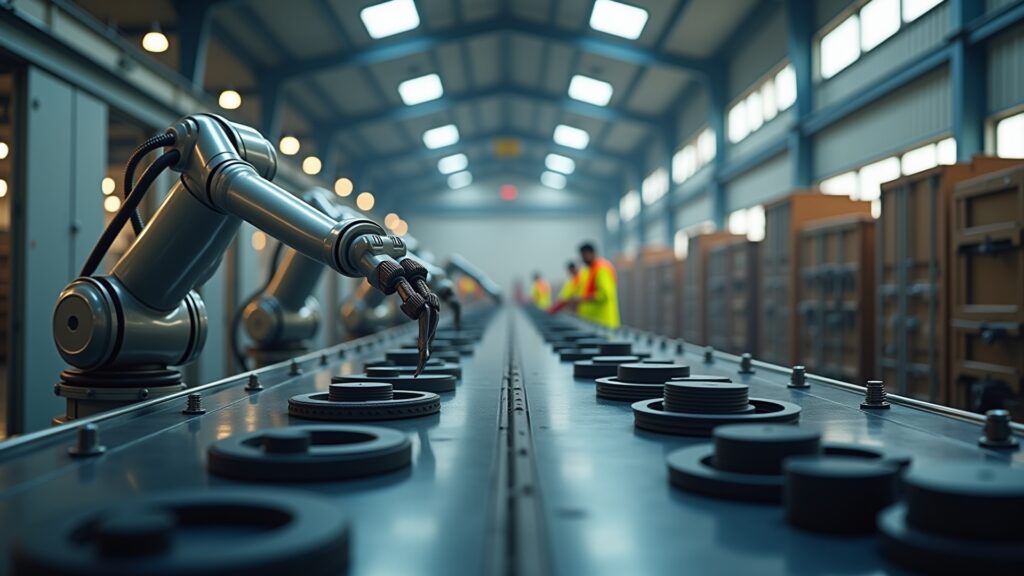
Integrated manufacturing ecosystems are fertile grounds for deploying advanced manufacturing technologies like automation, robotics, and industrial AI. When your operations are part of such a hub, the diffusion of these technologies accelerates due to shared knowledge, better supplier integration, and networked innovation.
Policy support remains crucial. As a manufacturing leader, you benefit when incentives, streamlined regulations, and sustainable infrastructure investments enable seamless ecosystem functioning. Aligning your business strategy with government initiatives enhances your capacity for long-term growth and competitiveness.
“In manufacturing, scale matters — but resilience and precision are what create durable advantage.”
Actionable Takeaways: How to Position Your Business for Success
- Prioritize Integration: Seek to embed your operations within regional manufacturing hubs to leverage proximity advantages and bundled supply chain efficiencies.
- Invest in Technology: Embrace automation, smart factory solutions, and industrial AI to stay competitive within the ecosystem.
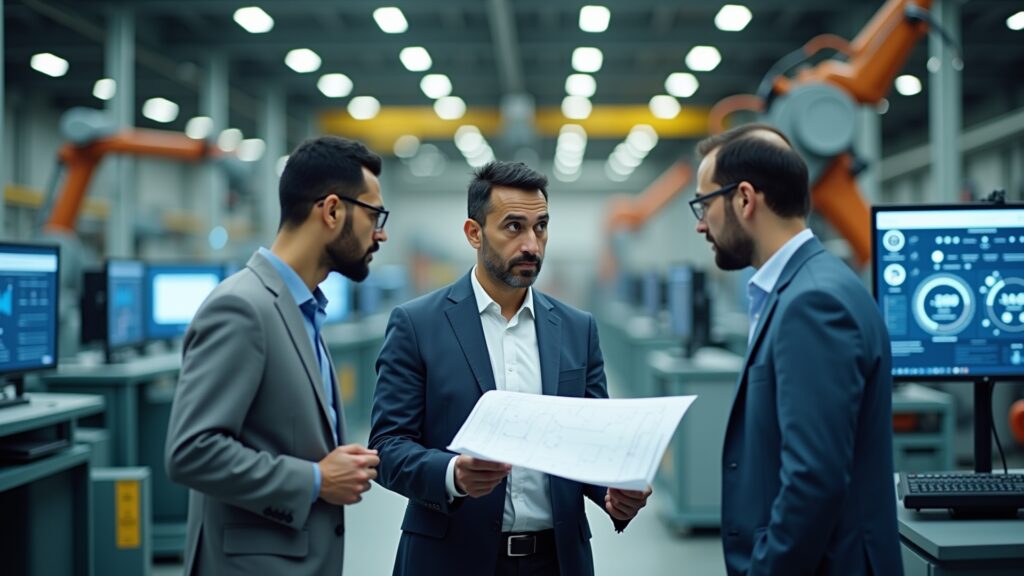
- Collaborate Across Stakeholders: Build strategic partnerships with suppliers, tech providers, and policymakers to maximize ecosystem benefits.
- Focus on Localization: Develop capabilities for local sourcing and workforce upskilling to reduce vulnerability and enhance quality.
- Monitor Policy Developments: Stay informed about government incentives and infrastructure projects that support hub development.
Potential Challenges and Points of Caution
While integrated hubs offer significant advantages, they also require careful coordination and alignment among diverse stakeholders. As you invest in these ecosystems, be mindful of potential regulatory bottlenecks, infrastructure gaps, and the need for consistent workforce development.
Environmental sustainability is a growing expectation in manufacturing hubs. You should integrate energy-efficient processes and comply with evolving environmental regulations to ensure the hub’s long-term viability.
What to Watch Next in India’s Manufacturing Landscape
Track emerging government policies targeting ecosystem incentives, especially those boosting advanced manufacturing and export facilitation. Keep a close eye on development projects in high-potential sectors such as electronics, automotive, and heavy machinery, as well as shifts in global supply chain strategies.
Engage with industry forums to stay ahead on best practices in ecosystem collaboration and advanced technology adoption.
“When automation, supply-chain discipline, and execution quality align, manufacturing growth becomes far more sustainable.”
Conclusion: Building Your Competitive Edge Through Integrated Manufacturing Hubs
Integrated manufacturing hubs in India represent a transformative evolution in how industry operates at scale. For you, aligning your factory or manufacturing business with these ecosystems is pivotal to driving productivity, operational agility, and export competitiveness.
By investing strategically in collaborative networks, technology adoption, and workforce capability within these hubs, you position your enterprise not just to grow but to lead India’s manufacturing resurgence on the global stage.
Ultimately, embracing integrated industrial ecosystems is not just about improving your immediate outputs—it’s about securing a resilient, innovative, and competitive future for your manufacturing business in an increasingly complex and interconnected global landscape.