As a manufacturing leader or investor deeply embedded in India’s industrial ecosystem, you need to understand the broader implications when Tata Electronics becomes Apple’s largest manufacturing partner by workforce in India. This milestone is more than a headline — it’s a landmark that marks a strategic pivot in Indian manufacturing, reshaping production capabilities, supply chain resilience, and global competitiveness. The ripple effects could influence your factory operations, workforce planning, investment priorities, and sourcing strategies.
Why This Matters to You
This development directly affects how you might approach scaling your factory operations or evaluating supply chain partners. Tata Electronics’ rise signals a shift away from low-value assembly to sophisticated production hubs that demand advanced skills, automation, and stringent quality standards. As Apple tightens standards for global competitiveness and supply chain localisation, you will feel pressure to enhance operational excellence and integrate smart manufacturing solutions if you want to remain relevant in this evolving landscape.
What Is Happening
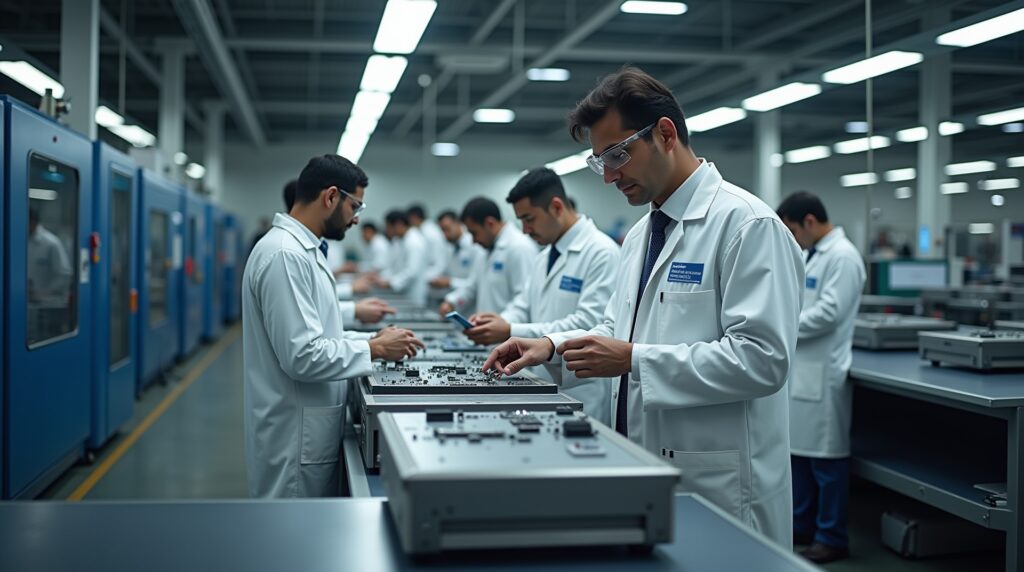
Tata Electronics’ workforce expansion underscores a commitment to meeting Apple’s complex manufacturing demands within India. This shift is not just about increasing headcount — it reflects heavy investments in capacity expansion, workforce development, and aligning production processes with international standards. This evolution positions Tata Electronics as a cornerstone in Apple’s India supply chain strategy, which itself is a response to global supply chain realignment trends favoring diversification away from China-centric models.
Strategic Business and Manufacturing Impacts
This partnership growth has several critical implications:
- Supply Chain Localisation: The workforce expansion highlights India’s growing role in localized production, reducing reliance on imports and enhancing supply chain resilience.
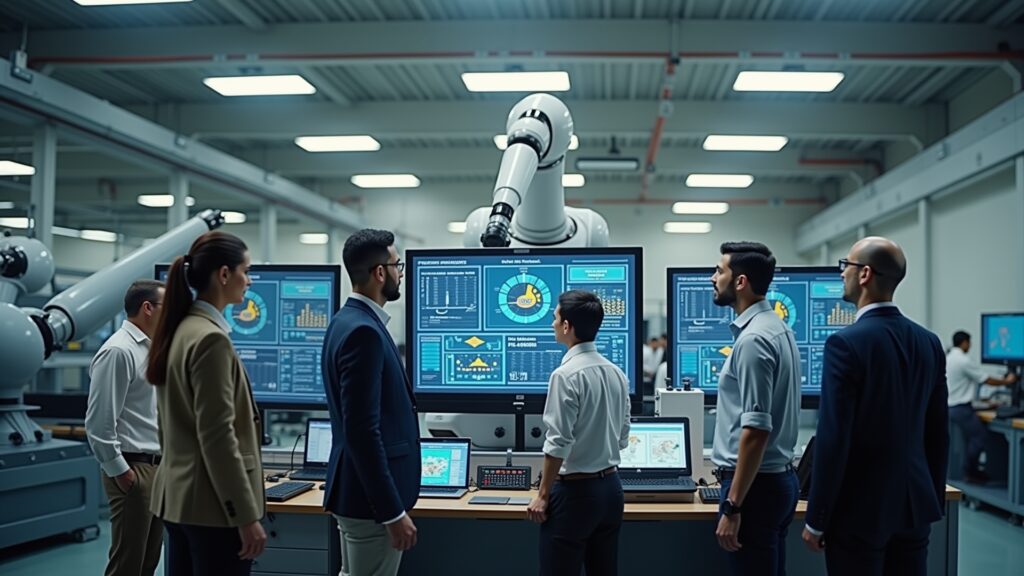
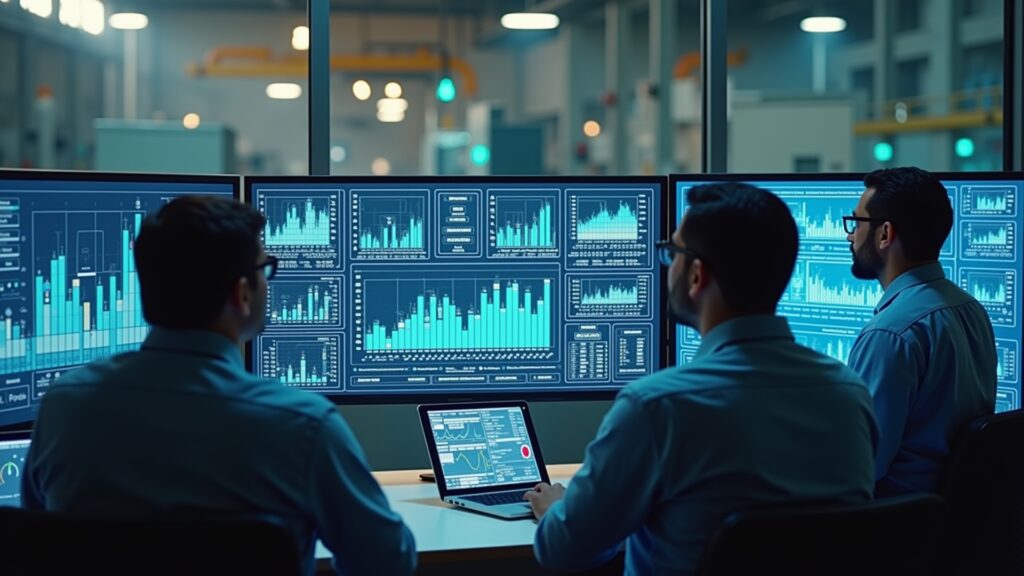
- Advanced Manufacturing Adoption: Meeting Apple’s high-quality demands requires state-of-the-art automation and industrial AI, pushing Indian manufacturing toward smart factories.
- Capacity Creation: The increase in workforce signals substantial factory footprint growth, indicating India’s readiness to handle complex assembly and production at scale.
- Export Competitiveness: Strengthened capabilities open doors for greater export potential in global electronics markets.
- Policy Alignment: This expansion is powered by government incentives like the PLI scheme, reflecting the synergy between corporate investments and public policy.
Deeper Strategic Insight
From your vantage point, Tata Electronics’ status as Apple’s largest partner in India is emblematic of the country’s industrial transformation. You are witnessing a clear move away from low-skill tasks towards industrial-scale production with precision workflows enabled by automation and robust quality protocols. This is reshaping the competition in the electronics sector and offering a blueprint for other manufacturers on upgrading their operations.
“In manufacturing, scale matters — but resilience and precision are what create durable advantage.”
“The real edge is not only in producing more, but in producing faster, smarter, and closer to where demand is shifting.”
Practical Takeaways for Manufacturing Leaders
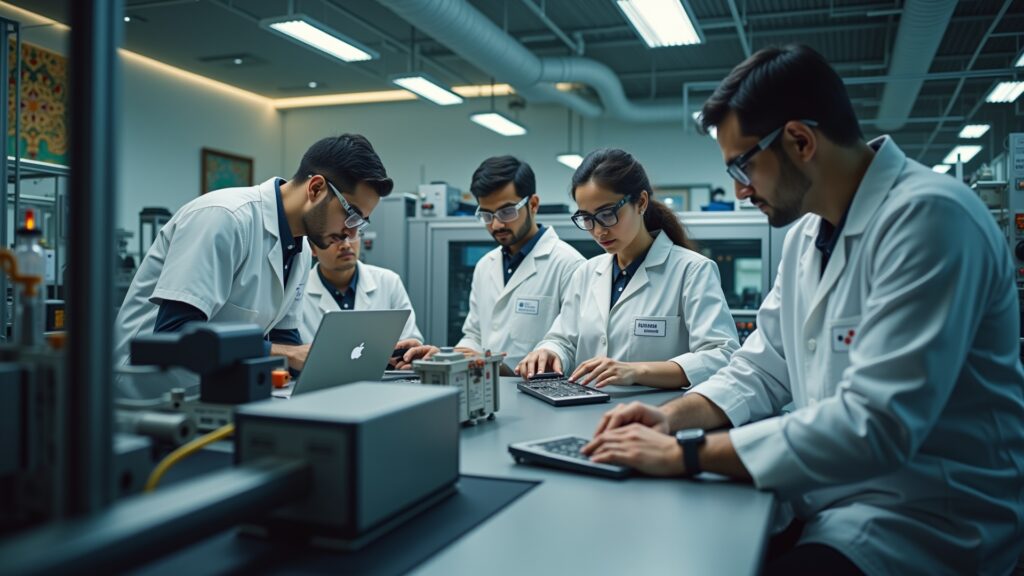
- Evaluate your workforce strategies: Prioritize skill development to meet complex manufacturing demands.
- Invest in technology upgrades: Integrate automation and smart factory solutions to boost productivity and quality.
- Focus on supply chain localisation: Build trusted domestic vendor networks to reduce dependency risks.
- Leverage policy incentives: Align investments to capitalize on government schemes like PLI for electronics manufacturing.
- Plan for export readiness: Enhance quality and operational standards to compete in global markets.
Editorial Perspective
For investors and plant leaders, this partnership signals that Indian manufacturing is stepping up on the world stage. This is not a moment to rest on legacy advantages but to drive sustained innovation and capacity-building. Tata Electronics’ success demonstrates how integration of workforce expansion, advanced production methods, and alignment with government policy scaffold a robust manufacturing ecosystem.
“When automation, supply-chain discipline, and execution quality align, manufacturing growth becomes far more sustainable.”
Risks and Challenges Ahead
Your industrial ambitions should also account for the complexities that come with rapid scale-up: maintaining consistent quality under pressure, managing workforce skill gaps, and navigating supply chain disruptions remain formidable challenges. Additionally, balancing automation with workforce productivity without causing disruptions will require nuanced operational leadership.
What You Should Watch Next
Keep a close eye on how Tata Electronics and other major players evolve their technology adoption, export portfolios, and management of workforce transitions. Monitor government policy updates, especially those related to infrastructure development and incentive schemes, as these will continue to influence capital allocation decisions and strategic partnerships.
Conclusion: Implications for Your Manufacturing Future
Why does Tata Electronics becoming Apple’s largest manufacturing partner in India matter to you? Because it signals a strategic shift towards industrial maturity — where workforce expansion meets advanced manufacturing, localisation strengthens supply chains, and policy incentives catalyze growth. As a manufacturing leader, investor, or policymaker, you must embrace this paradigm if you aim to secure a competitive edge in India’s dynamic manufacturing landscape.
This transition offers you a blueprint to build globally competitive operations, enhance workforce capabilities, and leverage India’s position in the global electronics supply chain. The trajectory set by Tata Electronics is instructive: the future favors those who combine operational excellence with strategic foresight and technological innovation.