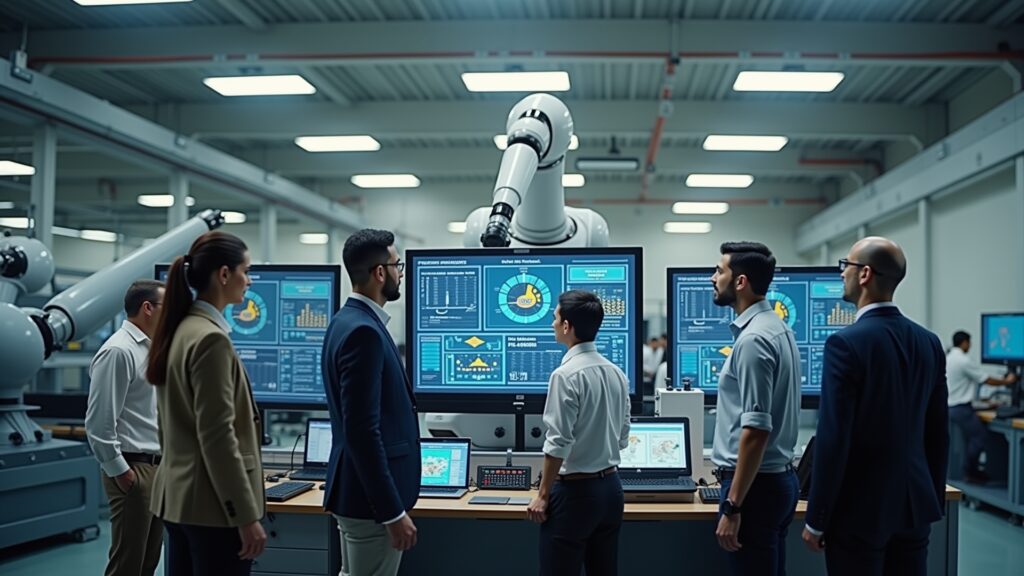
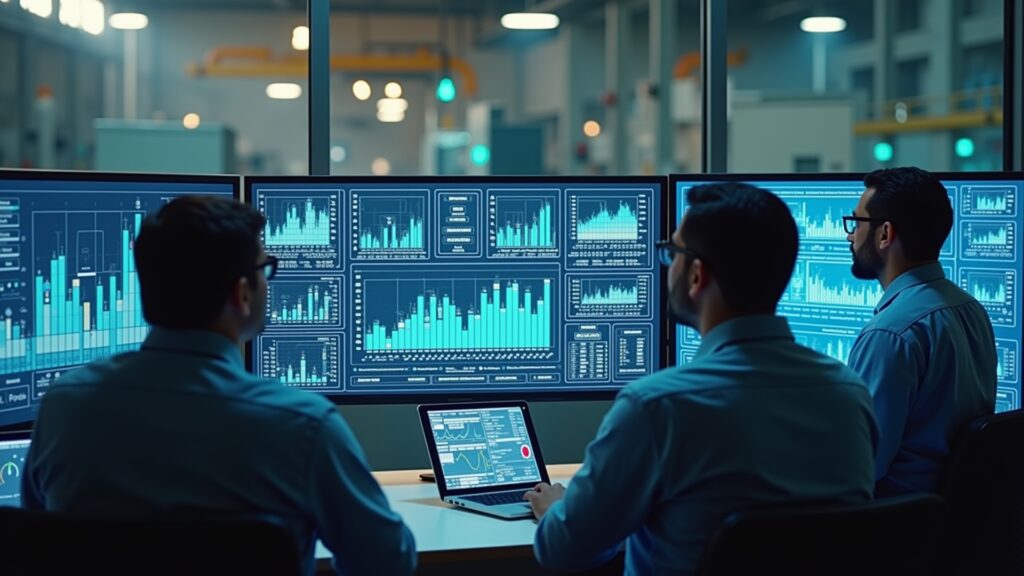
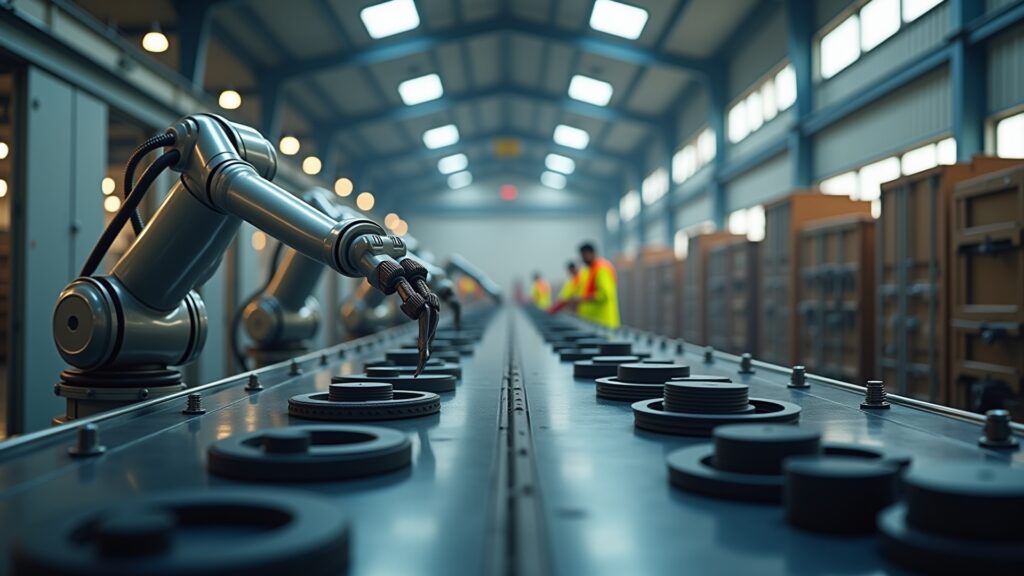
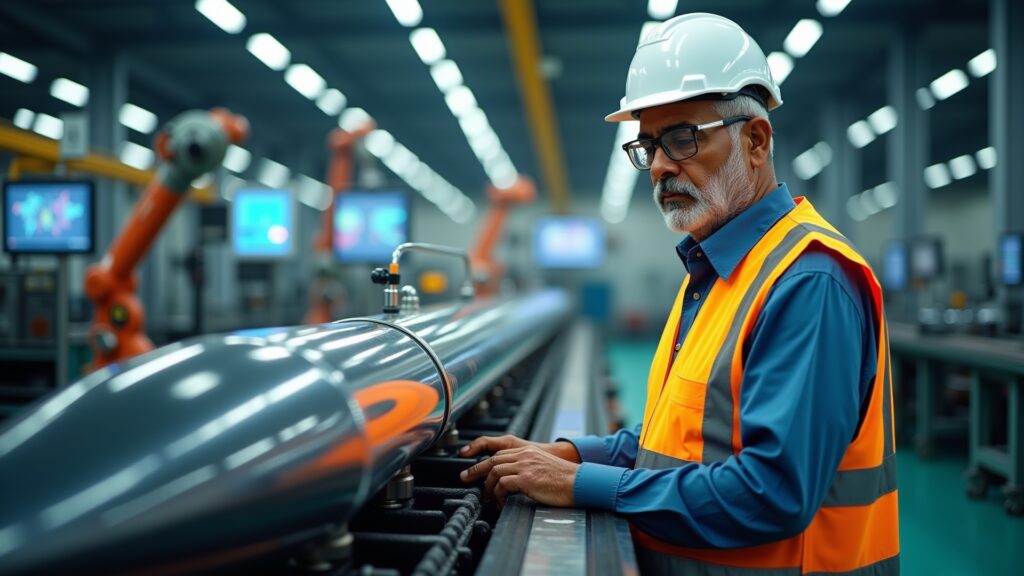
As a leader or stakeholder in India’s manufacturing ecosystem, the current weakening of India’s industrial output is more than just a headline; it’s a direct signal to reassess how you navigate today’s complex industrial landscape. Rising input costs combined with escalating global geopolitical tensions are not abstract challenges—they impact your factory’s cost structure, operational agility, and export potential. Recognizing the gravity of these developments is essential for maintaining your competitive edge in a sector that India views as foundational to its economic future.
Why This Matters to You
Your manufacturing business, whether it’s a sprawling industrial operation or a growing SME, operates in a market shaped by both cost pressures and fragile global trade dynamics. The slowdown in industrial output translates to tighter margins amid soaring raw material prices and energy bills, while supply chain vulnerabilities threaten timely deliveries and market expansion plans. Moreover, export-oriented units face headwinds in tapping new global markets as geopolitical tensions add layers of complexity and risk. Understanding these intertwined factors helps you position your operations for resilience and long-term growth.
What Is Happening: The Current Industrial Landscape in India
India’s manufacturing sector has been a critical focus of national economic policy, aiming to leverage initiatives like Make in India and attract global supply chain players looking beyond China. However, recent data indicates a downturn in industrial output, driven chiefly by:
- Rising costs of essential inputs, including metals and energy, squeezing your profit margins.
- Disruptions due to global geopolitical tensions that complicate procurement and export logistics.
- Supply chain realignments slowed by chokepoints and trade uncertainties, affecting capacity utilization.
These trends challenge the sector’s growth momentum and question the pace at which Indian manufacturing can scale world-class capabilities.
Key Strategic Implications for Your Business
The rising costs and global complexities affect several dimensions of your industrial strategy:
- Cost Competitiveness: Inflationary pressures demand a sharper focus on cost control through automation, smart factory upgrades, and energy efficiency measures.
- Supply Chain Resilience: Dependence on global suppliers exposes you to risks. Localisation and diversification are no longer optional but essential strategic imperatives.
- Export Market Strategy: With global tensions impacting trade routes and policies, you must diversify export destinations and invest in digital supply chain tools to maintain global competitiveness.
“The real edge is not only in producing more, but in producing faster, smarter, and closer to where demand is shifting.”
Deeper Insight: Leveraging Technology and Policy for Sustainable Growth
The current industrial output softness highlights an urgent need to transform your manufacturing operations by integrating advanced technologies. Industrial AI, robotics, and smart factory innovations not only drive productivity but also improve quality and adaptability in times of supply chain disruptions. At the same time, aligning your strategy with government incentives like Production-Linked Incentives (PLI) and sustainability programs can reduce capital costs and bolster infrastructure support.
Furthermore, upgrading workforce skills to handle automation and industrial AI is critical to extract value from these technologies. The crossroads India faces is as much about adopting cutting-edge manufacturing technologies as it is about creating a robust ecosystem that ensures supply chain continuity and operational excellence.
Practical Takeaways for Manufacturing Leaders
- Prioritize automation and smart factory initiatives to mitigate rising input costs and improve production agility.
- Invest in strengthening local sourcing networks to reduce exposure to disrupted global supply chains.
- Diversify export markets and implement digital supply chain management tools, including predictive logistics.
- Leverage government incentives strategically to upgrade your manufacturing capabilities and infrastructure.
- Focus on workforce upskilling to maximize the benefits from advanced manufacturing technologies.
“In manufacturing, scale matters — but resilience and precision are what create durable advantage.”
Risks and Challenges to Monitor
The path forward is not without risks. Persistent inflation could erode capital investment capacity, while international tensions could prolong supply chain bottlenecks. Additionally, the pace of technology adoption may be uneven across the sector, risking a digital divide that hampers overall competitiveness. It’s crucial to anticipate these challenges through agile planning and scenario analysis to safeguard your business continuity.
What You Should Watch Next
Keep an eye on policy developments, particularly around PLI schemes, infrastructure development, and trade diplomacy efforts. Monitor commodity and energy price trends closely as they directly affect cost structures. Technological adoption rates in the sector, workforce development initiatives, and export market diversification efforts will also be critical indicators of your industry’s resilience and trajectory.
Conclusion: Navigating Challenges to Secure Industrial Growth
India’s industrial output challenges are a call to strategic action for you as a manufacturing leader or investor. Rising costs and global geopolitical strains underscore the need for accelerated automation, supply chain resilience, and localisation. They also highlight the importance of aligning with policy incentives and embracing innovation for productivity and competitiveness.
By addressing these challenges head-on, you have the opportunity to strengthen your industrial foundations, enhance export appeal, and drive sustainable growth. In the complex global environment shaping today’s manufacturing world, proactive leadership is your best asset.
“When automation, supply-chain discipline, and execution quality align, manufacturing growth becomes far more sustainable.”