As a decision-maker in manufacturing, you understand that shifts in industry players’ strategies can redefine competitive landscapes swiftly. Horse Powertrain’s entry into India is exactly one such pivotal moment—not just a routine market expansion but a strategic recalibration of small-car engine manufacturing that directly affects your factory operations, supply chain, and investment outlook.
Why This Matters to You
The surge in India’s small-car market is transforming the way engine manufacturing must be approached. For you, this means it’s time to rethink your approach to localisation, capacity building, and supply chain resilience. Horse Powertrain’s move indicates rising demand for compact engines produced locally—a development that could reshape market pricing structures, operational benchmarks, and export potential. Your ability to align with this evolving ecosystem will determine how competitive and future-ready your manufacturing business remains.
What Is Happening: The Horse Powertrain Initiative
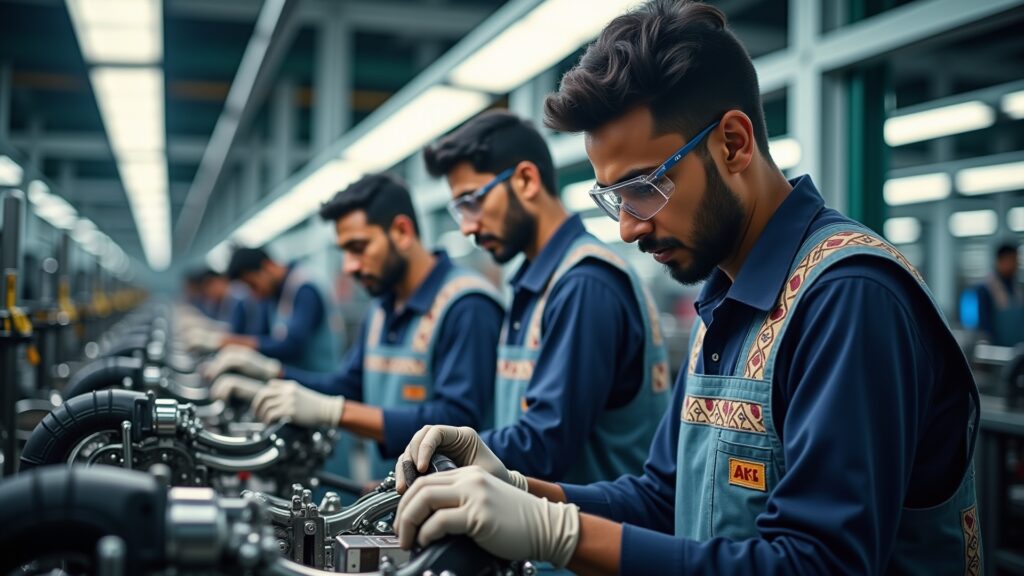
Horse Powertrain is exploring local manufacturing in India amid increasing demand for small-car engines driven by urbanisation, rising affordability, and a shift in consumer preferences. This is more than an entry; it signals their intent to integrate deeply into India’s automotive supply chain, potentially expanding local production capabilities and technological adoption.
Key Strategic and Manufacturing Impacts
This development opens several strategic doors for manufacturers and industrial stakeholders:
- Cost Efficiency: By leveraging India’s competitive manufacturing costs, you can refine your margin profiles while addressing price-sensitive consumer segments.
- Supply Chain Resilience: Bringing production closer reduces exposure to global supply disruptions, allowing for better inventory management and leaner operations.
- Export Competitiveness: India’s growing industrial infrastructure and favourable trade agreements present a launching pad for regional and global exports, amplifying your manufacturing footprint.
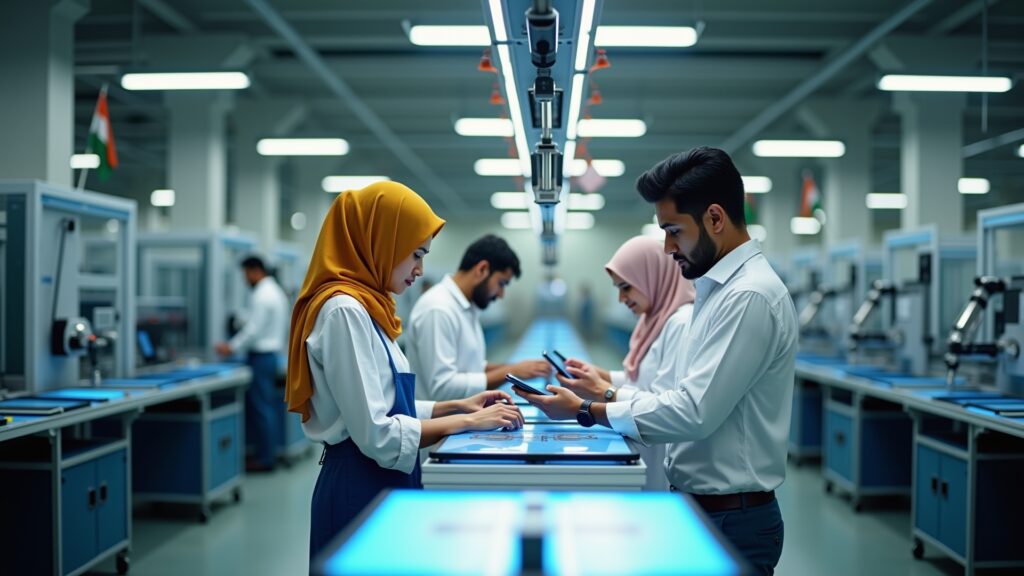
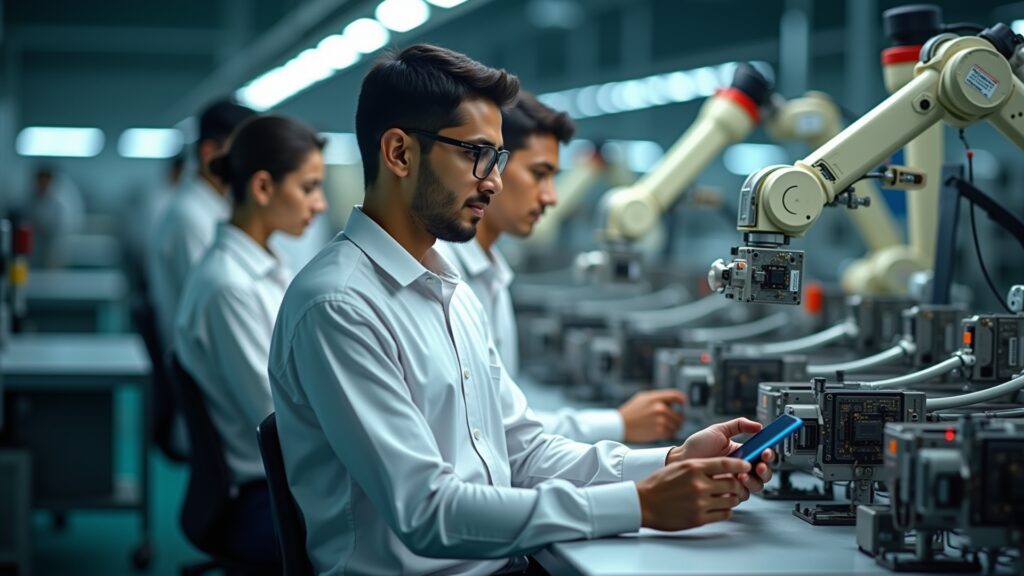
Investment in automation, advanced manufacturing technologies, and skill enhancement will be critical enablers in this transition, ensuring you maintain quality standards and scalability.
Strategic Insights: Aligning Your Factory Strategy
As manufacturing leaders, you should view Horse Powertrain’s India initiative as a broader signal to sharpen your operational strategies:
- Emphasise industrial localisation not just as cost-saving but as strategic risk mitigation.
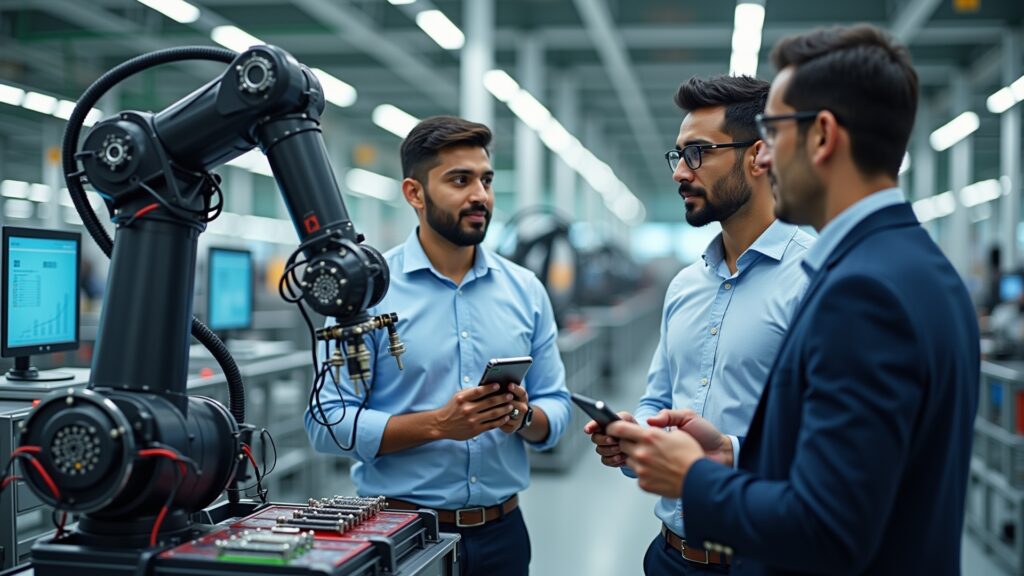
- Integrate digital tools and predictive maintenance to drive operational excellence and faster response to market changes.
- Prioritise energy efficiency and sustainability to meet evolving regulatory and stakeholder expectations, reducing your long-term operational risks.
“In manufacturing, scale matters — but resilience and precision are what create durable advantage.”
Policy and Investment Landscapes: Leverage Government Incentives
India’s robust policy ecosystem, including Production Linked Incentive (PLI) schemes and targeted automotive manufacturing incentives, is designed to attract and support investments like Horse Powertrain’s. If you aim to expand or innovate, engaging closely with these frameworks is essential. Align your factory development plans with government priorities to access financial benefits and strengthen your industrial ecosystem.
Practical Takeaways: What You Should Do Next
- Monitor developments in domestic manufacturing policies and PLI scheme rollouts to capitalise on incentives.
- Evaluate your supply chain vulnerabilities and explore in-country supplier development to build trust and resilience.
- Invest in automation and smart factories to improve flexibility, quality, and cost control amidst rising volume demands.
- Plan for long-term export capacity expansion by leveraging India’s strategic trade agreements and improving logistics infrastructure.
“The real edge is not only in producing more, but in producing faster, smarter, and closer to where demand is shifting.”
Risks and Challenges to Consider
While the growth opportunity is significant, challenges such as supply chain integration complexities, skill shortages, and the need for upfront capital investment remain critical factors. You must be prepared for these operational realities and invest in workforce training, quality control systems, and adaptive manufacturing processes.
What to Watch Next
Keep a close eye on Horse Powertrain’s factory location decisions, partnerships with local suppliers, and adoption of industrial AI or automation solutions. These movements will provide invaluable clues about evolving industrial trends, investment flows, and technology adoption trajectories in the automotive manufacturing sector.
Conclusion: A Strategic Compass for Your Manufacturing Future
Horse Powertrain’s India entry in small-car engine manufacturing is far more than a market expansion—it’s a strategic bellwether signaling broader shifts in localisation, supply chain resilience, and industrial innovation. For manufacturing executives like yourself, the time to act is now: recalibrate your factory strategies, deepen technology investments, and engage proactively with policy incentives to secure durable competitive advantage.
By aligning operations with this evolving landscape, you position your business at the forefront of India’s emergence as a global automotive manufacturing hub, capable of delivering quality, efficiency, and sustainability on a scalable platform.
“When automation, supply-chain discipline, and execution quality align, manufacturing growth becomes far more sustainable.”