As you steer your manufacturing enterprise through the complexities of today’s global landscape, understanding the intersection of business confidence and manufacturing growth in India is crucial. The country’s evolving manufacturing sector holds immense promise for your factory’s capacity, supply chain strategy, and export ambitions—but this promise hinges on how well confidence translates into industrial scale-up and global competitiveness.
Why This Matters to You
Your business decisions—whether investing in automation, expanding production lines, or entering new export markets—are deeply influenced by the underlying confidence in India’s manufacturing ecosystem. This confidence shapes capital flows, partnership opportunities, and the operational feasibility of scaling. Recognizing where gaps exist between India’s manufacturing potential and its global image will help you navigate risks and seize growth with precision.
What Is Happening with India’s Manufacturing Sector?
In recent years, India has demonstrated steady output growth backed by strategic policy measures like Production Linked Incentives (PLI) and investments in industrial infrastructure. Yet, alongside this optimism, business leaders face persistent challenges—complex supply chains, infrastructure bottlenecks, and workforce skill shortfalls—that temper enthusiasm and impact execution.
These realities underscore a critical divergence: India’s rising manufacturing ambitions versus the global perception of its industrial capabilities. Aligning these two is necessary not only to boost export volumes but to firmly position India among the world’s manufacturing powerhouses.
Impact on Your Manufacturing Business and Investment Strategy
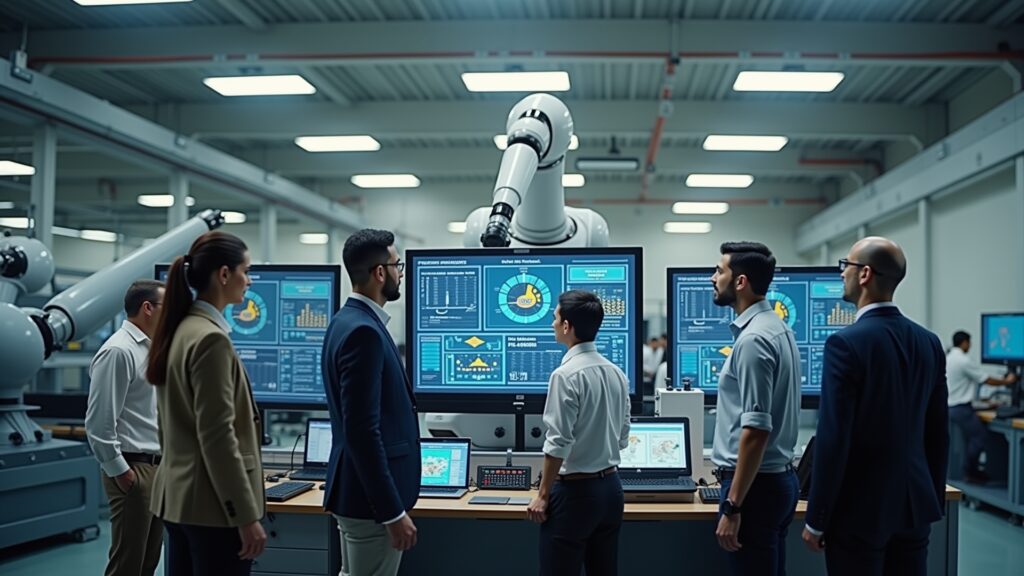
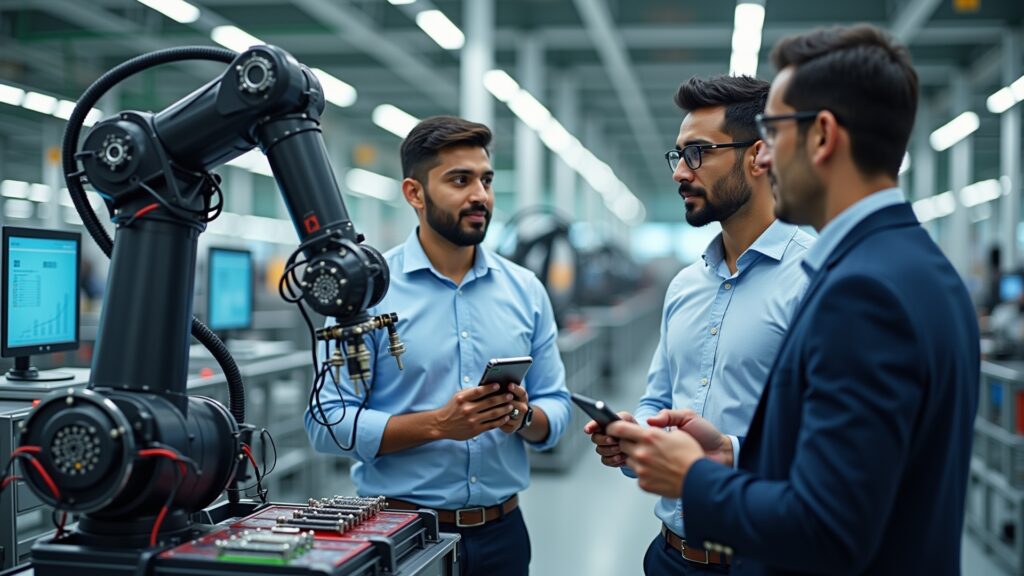
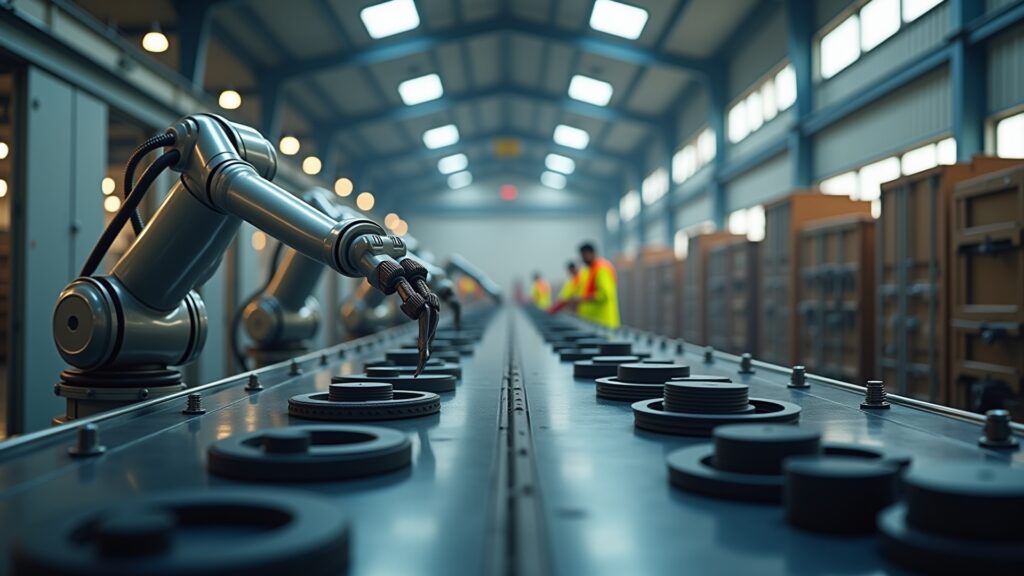
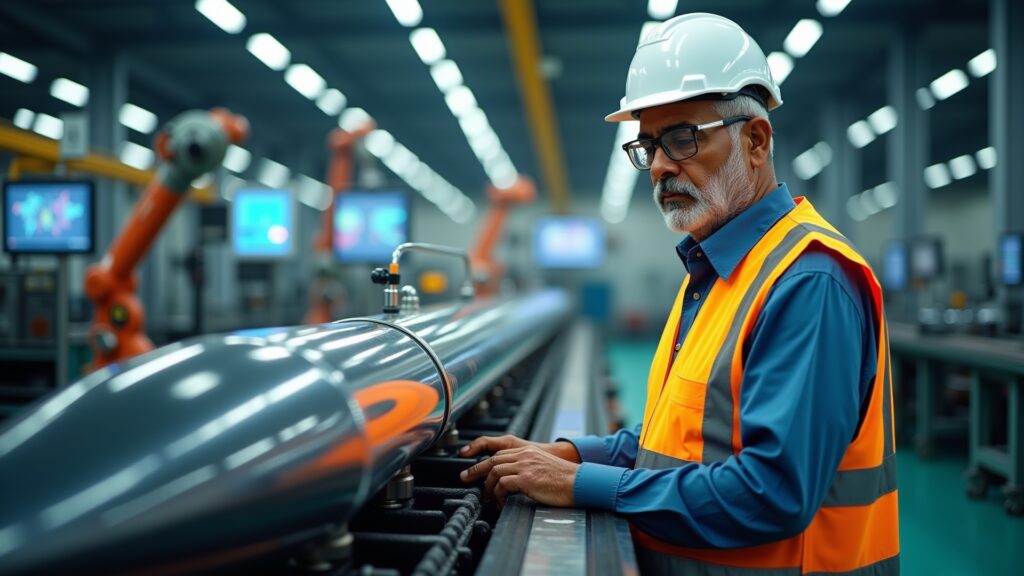
Confidence is more than sentiment—it’s a forward-looking indicator that directs your investment decisions in key areas like advanced automation, robotics, and industrial AI integration. By committing to smart factory initiatives, you can sharpen productivity, enhance quality standards, and reduce operational inefficiencies.
Your ability to localize supply chains, diversify sourcing, and build resilience ties directly into India’s national push for greater global supply-chain integration. These efforts collectively increase export competitiveness and appeal to global buyers increasingly demanding transparency, sustainability, and reliability.
Policy and Industrial Infrastructure: The Backbone of Confidence
The government’s industrial policies, especially the PLI schemes and infrastructure development, must continue evolving to reflect actual factory-level realities. For you, this means better alignment between incentives and operational challenges, translating business confidence into measurable outcomes like higher capacity utilization and increased export readiness.
“In manufacturing, scale matters — but resilience and precision are what create durable advantage.”
Deeper Strategic Insights
The convergence of sustained business confidence, policy pragmatism, and technological innovation forms the foundation for long-term manufacturing leadership. The true strategic edge lies not only in the volume of production but in the ability to produce faster, smarter, and closer to shifting global demand hotspots.
Indian manufacturers who prioritize digital transformation and capability-building will lead the way in building factories that are not just larger, but smarter and more agile. This strategic execution will be your competitive moat in the global marketplace.
“The real edge is not only in producing more, but in producing faster, smarter, and closer to where demand is shifting.”
Practical Takeaways: What You Should Do Next
- Assess your confidence landscape: Continuously gauge your business sentiment around supply chain robustness, workforce skills, and policy effectiveness to identify investment triggers.
- Invest in smart factory technologies: Prioritize industrial AI, robotics, and automation to boost quality and throughput, aligning with global manufacturing standards.
- Strengthen localisation and supply chain resilience: Build diversified, trusted supplier networks within India and nearby regions to mitigate risks and leverage regional trade advantages.
- Engage with policy developments: Monitor government schemes closely and advocate for practical reforms that address ground-level factory challenges.
- Focus on export competitiveness: Align product quality, compliance, and delivery timelines with international buyer expectations to capitalize on India’s growing export potential.
Risks and Challenges to Navigate
While business confidence is critical, you must remain vigilant about persistent infrastructure constraints, logistic bottlenecks, and gaps in workforce technical skills that can slow growth. Additionally, global supply chain realignment due to geopolitical shifts presents both opportunities and uncertainties that require strategic agility.
Balancing rapid expansion with sustainable, energy-efficient manufacturing practices is also a non-negotiable challenge—one that will increasingly influence investor sentiment and market access.
“When automation, supply-chain discipline, and execution quality align, manufacturing growth becomes far more sustainable.”
What to Watch Next
Keep a close eye on how India’s manufacturing policies evolve post-PLI phases, the pace of industrial digitization, and emerging supplier ecosystems that prioritize localisation. Watch also for advances in workforce development programs aiming to close technical skill gaps, as these will directly impact your operational capabilities and scalability.
Conclusion
To succeed in India’s dynamic manufacturing landscape, you must see business confidence not as an abstract benchmark but as a catalyst for strategic action. By embracing technology, strengthening supply chains, and aligning with policy frameworks, you position your manufacturing operations to contribute meaningfully to India’s growing global stature.
The future belongs to those who bridge the gap between confidence and execution, ensuring that your factory is not only a participant but a leader in India’s ambitions to become a trusted, high-quality, and competitive manufacturing powerhouse on the world stage.