You operate in a dynamic manufacturing landscape where strategic capital allocation, global supply chains, and technological modernization define success. India’s recent measured relaxation of restrictions on Chinese investment is a pivotal development that you can’t afford to overlook. This recalibration shapes the future of your factory’s expansion plans, your supply chain robustness, and your competitive positioning—not just domestically, but on the global stage.
Why India’s Strategic Shift Should Command Your Attention
For years, you may have viewed Chinese investment as fraught with geopolitical risks and regulatory barriers, prompting you to seek alternative capital and technology sources. India’s guarded but deliberate unlocking of Chinese capital signals a new phase where pragmatism is taking center stage. As a manufacturing leader, this means a potential influx of resources, industrial expertise, and supply chain integration that could accelerate your operational goals, streamline costs, and deepen your technological base.
Unpacking the Current Landscape: What Exactly Is Happening?
India’s prolonged resistance to Chinese investment stemmed largely from geopolitical considerations and a focus on protecting nascent domestic industries. Now, the government is adopting a more nuanced approach — cautious yet opportunistic. By selectively allowing Chinese investments, India aims to balance strategic autonomy with the realities of a globalized industrial ecosystem.
This move comes amidst significant supply chain realignments worldwide, a push towards localisation, and India’s own ambition to scale manufacturing through policies like Production Linked Incentives (PLI). It underscores a pragmatic acceptance that partnering with Chinese capital, expertise, and manufacturing ecosystems can be a catalyst rather than a challenge.
Manufacturing Impact: Capital, Technology, and Scale
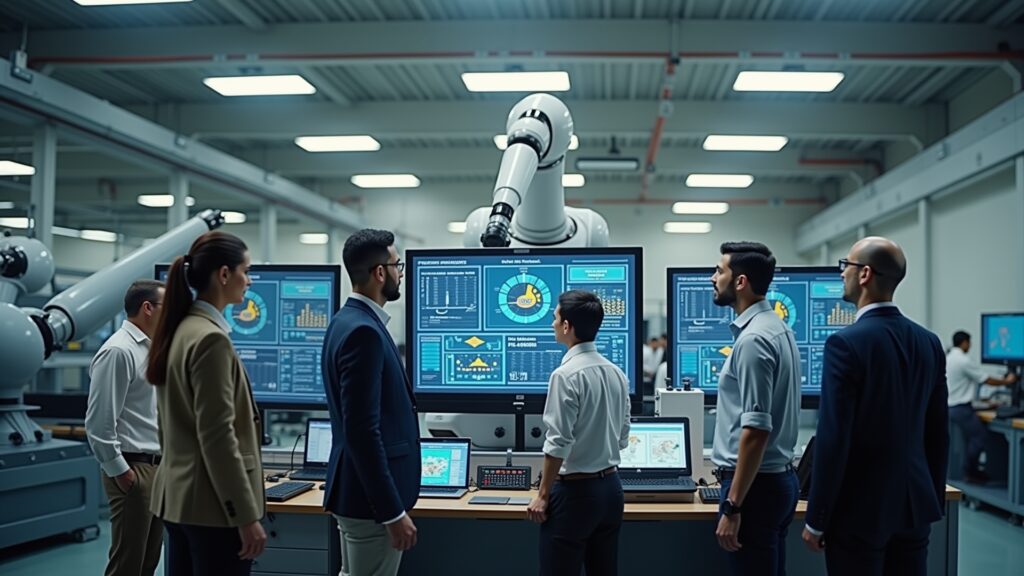
This development opens new channels for you to secure capital inflows for factory modernization, automation integration, and capacity expansions. Consider the competitive advantage of coupling your factory’s scale with China’s proven industrial automation and smart factory technologies. This can fast-track your journey toward higher productivity, enhanced product quality, and operational efficiency.
“In manufacturing, scale matters — but resilience and precision are what create durable advantage.”
Access to Chinese investment can also facilitate technology transfer and collaborative innovation, amplifying your factory’s digital transformation and AI adoption. As automation and robotics become central to manufacturing excellence, aligning with experienced Chinese partners may accelerate your smart factory blueprint.
Supply Chain Resilience in a China+1 Era
Your supply chain strategy today is undoubtedly influenced by the China+1 dynamic — diversifying sources while maintaining close ties for critical inputs. India’s calibrated relaxation indicates an evolved approach that recognizes the importance of working with Chinese investors to improve supply chain integration and reduce costs.
Strategic partnerships enabled by this shift can enhance procurement efficiency, provide more reliable access to advanced machinery, and integrate intermediate goods that are essential for your production lines. In this light, it’s not about replacement but complementarity, creating a supply chain that is both agile and cost-effective.
“The real edge is not only in producing more, but in producing faster, smarter, and closer to where demand is shifting.”
Policy Flexibility and Investment Dynamics: What You Need To Monitor
India’s policy stance balances welcoming strategic investments with protecting domestic priorities. As a decision-maker, you must closely watch regulatory signals and align your business strategies accordingly. This environment can unlock new partnership models, influence the trajectory of PLI schemes, and affect incentives focusing on export-led growth.
Your investment outlook should incorporate these regulatory dynamics, understanding that carefully selected Chinese capital partnerships can synergize with India’s vision of becoming a global manufacturing hub without compromising on core national interests.
Strategic Insights for Leadership and Business Transformation
The challenge lies in leveraging external Chinese investment without losing focus on indigenous innovation and sustainable growth. Prioritize integrating these capital flows into your productivity enhancement initiatives, engineering innovation projects, and resilience-building practices.
Smart leadership means balancing the short-term gains of capital infusion with long-term capacity building that positions your factory and business for export competitiveness and global standards compliance.
“When automation, supply-chain discipline, and execution quality align, manufacturing growth becomes far more sustainable.”
Actionable Takeaways: How To Navigate This New Terrain
- Evaluate strategic partnerships: Identify where Chinese investment can bring complementary technology and capital rather than replace existing strengths.
- Monitor policy shifts: Stay updated on regulatory changes, especially PLI incentives and FDI norms, to optimize investment decisions.
- Accelerate technology adoption: Use this opportunity to integrate advanced automation and smart manufacturing techniques with Chinese collaboration.
- Strengthen supply chain agility: Leverage partnerships to diversify inputs while maintaining cost and quality control.
- Focus on sustainability: Ensure growth fueled by investment aligns with energy efficiency and cleaner production goals.
Risks and Challenges: Proceed With Informed Caution
This opening is cautious for a reason. Geopolitical sensitivities remain, and regulatory adjustments could tighten again if tensions rise. Over-reliance on any single investor or technology source poses strategic and operational risks. Vigilance is essential in maintaining a balanced portfolio of investments, technologies, and suppliers.
What Manufacturing Leaders Should Watch Next
Keep an eye on three critical areas:
- How policy frameworks evolve around Chinese investments and the scope for collaboration.
- Emerging joint ventures or technology partnerships that demonstrate successful integration of capital and capacity.
- Global supply chain trends and how India positions itself relative to China+1 strategies.
Conclusion
India’s cautious unlocking of Chinese investment is not merely a geopolitical recalibration but a strategic lever with profound implications for manufacturing leaders like you. It opens a gateway to new capital flows, cutting-edge technology access, and supply chain synergies—all vital to scaling up your operations and securing long-term competitive advantage.
Understanding this nuanced environment puts you ahead in navigating the intersection of policy, investment, and industrial transformation. Harness this pivotal moment to modernize, innovate, and position your manufacturing business as a resilient, high-productivity player in the evolving global economy.