As a manufacturing leader, investor, or strategic executive, you’re on the brink of witnessing a pivotal shift in India’s electronics manufacturing landscape. The ongoing dialogue around the Production Linked Incentive (PLI) scheme’s next phase—PLI 2.0—is not just a policy update; it is an unparalleled opportunity to reshape your factory’s competitive edge, supply chain resilience, and global market positioning in mobile manufacturing. India’s ambition to secure 30–35% of the global mobile phone production market by fiscal year 2031 is a signal you cannot afford to ignore.
Why This Development Matters to You
Your manufacturing enterprise stands at a crossroads where scale, innovation, and localization are key to survival and growth. The push for PLI 2.0 is a clarion call for manufacturers like you to deepen your capital investments, integrate advanced automation technologies, and revamp supply chains to align with an evolving global demand ecosystem. In a landscape riddled with supply chain uncertainties and increasing geopolitical complexity, PLI 2.0 promises a strategic framework that supports not just cost competitiveness but resilience and sustainability.
For factory leaders and production heads, this policy evolution could redefine operational priorities, enabling capacity scale-up with cutting-edge industrial AI and robotics, while investors will see clearer pathways to value creation through government-backed incentives.
What Is Happening: The Drive for PLI 2.0
Originally launched to accelerate domestic manufacturing and import substitution, the PLI scheme has been instrumental in energizing investments and local value addition across India’s electronics sector. Now, Indian electronic firms are advocating for an enhanced PLI 2.0 framework that addresses contemporary challenges such as supply chain diversification, foreign competition, and integration of next-generation technologies.
The goal is audacious: capturing up to 35% of the global mobile manufacturing market by FY31. This vision is embedded in a larger industrial strategy focused on boosting exports, fostering localization of components, and elevating India’s position as a global manufacturing hub.
Key Business and Manufacturing Impacts
- Capital Investment and Capacity Expansion: PLI 2.0 will likely unlock significant funding for expansion projects, enabling you to modernize production lines and increase throughput in mobile manufacturing.
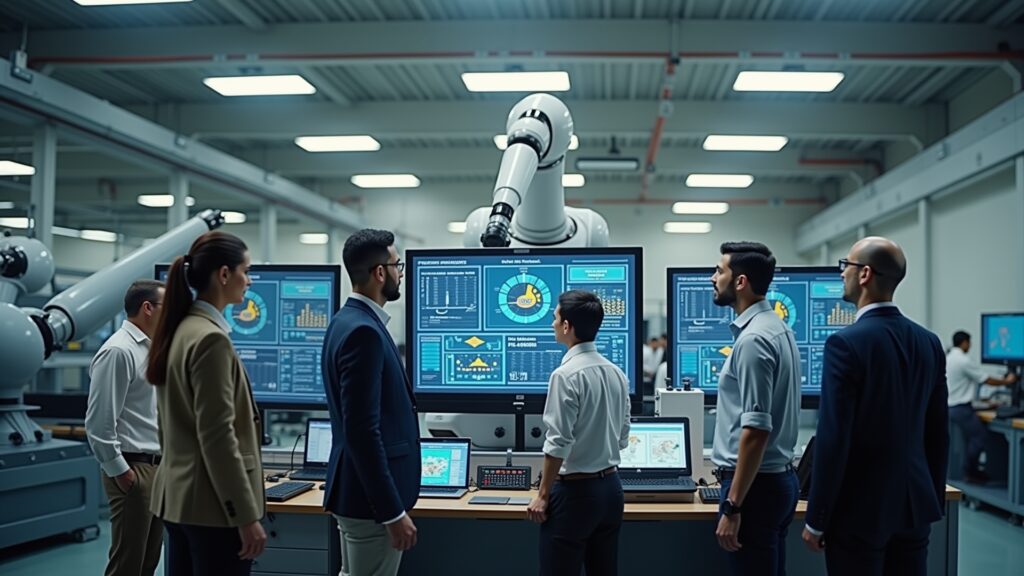
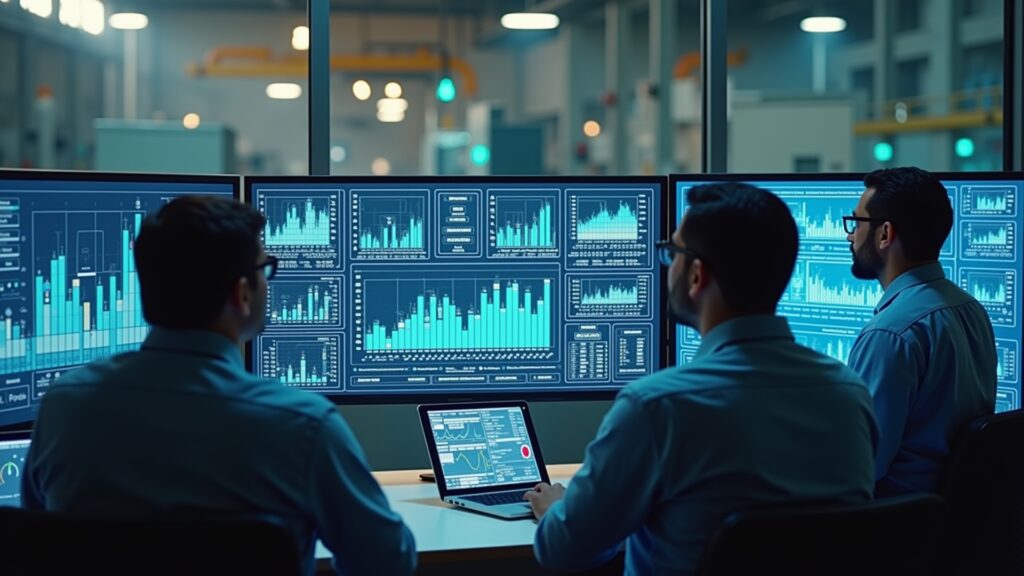
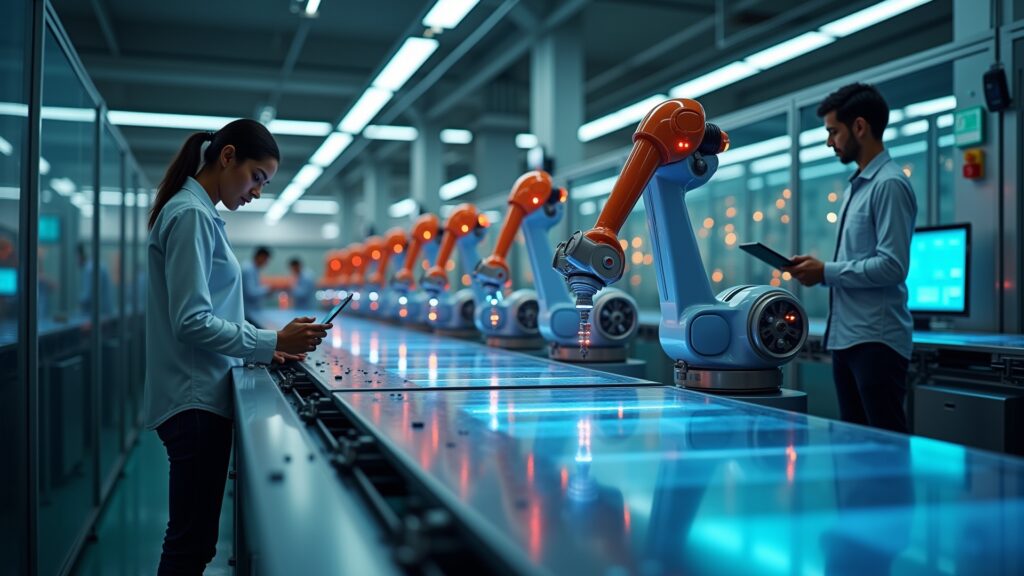
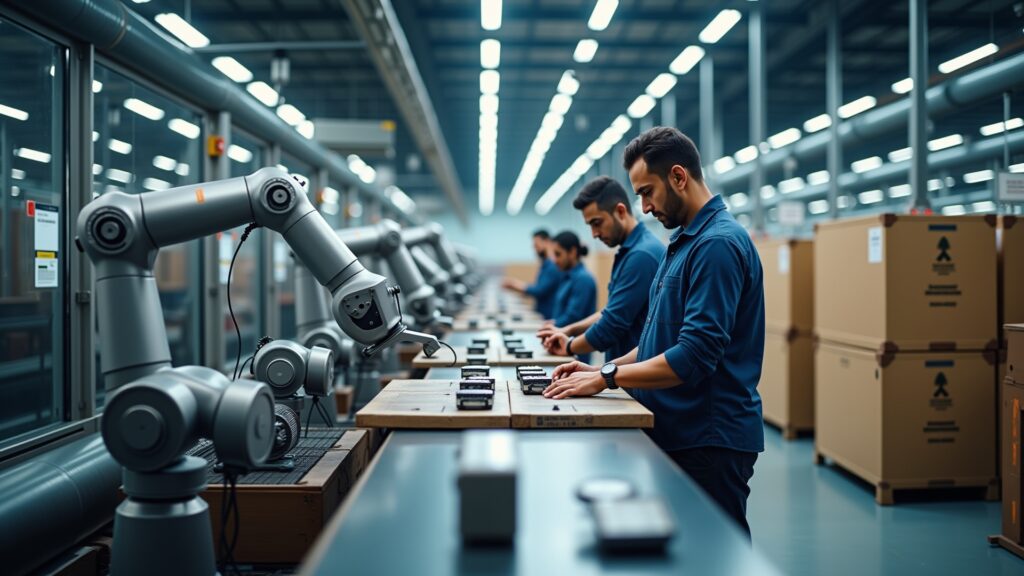
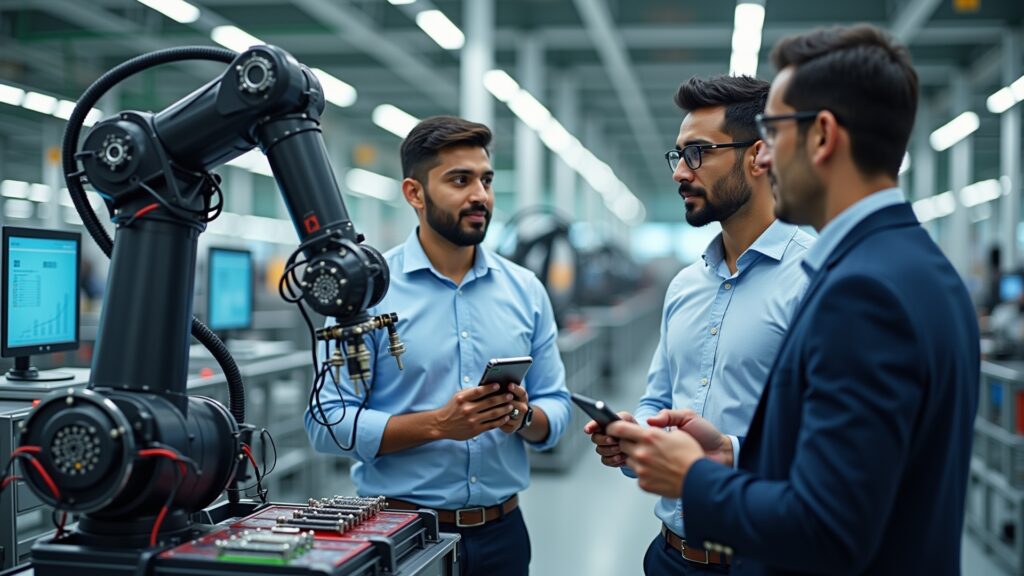
- Technology Integration: The next phase emphasizes high-tech adoption—automation, robotics, and AI-driven smart factory models—to meet global standards and enhance quality and cost efficiency.
- Supply Chain Resilience and Localization: To reduce reliance on imports and shorten lead times, strengthening local component ecosystems will be a strategic imperative.
- Export Competitiveness: The scheme aims to position Indian manufacturers as preferred global suppliers by aligning production capacities with international demand and compliance norms.
Strategic Insight: What This Means for Your Factory and Business
Scaling to a 30–35% global market share in mobile manufacturing is a complex journey requiring far more than just incentives. It demands a holistic approach to operational excellence and strategic foresight.
Consider this strategic view: “In manufacturing, scale matters — but resilience and precision are what create durable advantage.” Your business must invest in fostering smart manufacturing ecosystems where automation and industrial AI seamlessly enhance productivity while ensuring quality remains impeccable.
Localizing the supply chain by building trusted partnerships with component makers is not just a tactic for import reduction; it’s a strategic shield against global disruptions and a lever for faster innovation cycles. The integration of digital supply chain management and predictive analytics will further refine your ability to respond swiftly to market dynamics.
Furthermore, sustainable manufacturing practices, supported by policy-driven energy efficiency and cleaner production initiatives, will become increasingly critical as you compete in international markets where buyer preferences are shifting towards responsible sourcing.
Practical Takeaways: What You Should Do Next
- Monitor Policy Developments Closely: Stay informed about the final contours of PLI 2.0 to align your investment and operational plans accordingly.
- Invest in Advanced Manufacturing Technologies: Prioritize automation, robotics, and industrial AI to enhance capacity and cost-friendliness.
- Strengthen Local Ecosystems: Collaborate with component suppliers to build a resilient, trusted supply chain.
- Focus on Export Readiness: Ensure that your production and quality systems meet or exceed global standards to capitalize on export incentives.
- Embed Sustainability: Develop capabilities for energy-efficient and environmentally responsible manufacturing to align with global procurement trends.
Expert Perspective
“The real edge is not only in producing more, but in producing faster, smarter, and closer to where demand is shifting.”
“When automation, supply-chain discipline, and execution quality align, manufacturing growth becomes far more sustainable.”
Risks and Challenges to Navigate
The road to seizing a significant share in global mobile manufacturing isn’t without hurdles. The global supply chain remains volatile, and competitive pressures from established hubs like China, Vietnam, and South Korea are fierce.
Moreover, the success of PLI 2.0 depends heavily on effective policy execution, including infrastructure development, skilled workforce availability, and streamlined regulatory processes. For your factory to thrive, you must anticipate these risks and deploy mitigation strategies such as diversified sourcing, agile operations, and continuous workforce upskilling.
What You Should Watch Next
Keep a close eye on the Indian government’s announcements regarding PLI 2.0 implementation timelines, eligibility criteria, and incentive structures. Infrastructure investments in industrial clusters and skill development programs will also be critical signals of deliverability.
Watch for partnerships and collaborations that emerge between manufacturers and technology providers, as these will be early indicators of which firms are positioning themselves for future leadership.
Conclusion: Positioning Your Manufacturing Enterprise for a New Era
India’s ambitious push for PLI 2.0 represents a defining moment for your role in the global mobile manufacturing landscape. This is more than an incentive scheme; it is the foundation for a new industrial ecosystem combining technology, resilience, and sustainability.
By strategically aligning with PLI 2.0 objectives, investing boldly in automation and local supply chains, and embedding sustainability into your processes, you can position your factory to capture a significant share of the global mobile manufacturing market by FY31.
Remember: “In manufacturing, scale matters — but resilience and precision are what create durable advantage.” Your proactive engagement with this policy evolution will be the catalyst for transformative growth, enhanced export competitiveness, and long-term industrial leadership.