As a manufacturing industry leader or decision-maker, you face a pivotal challenge that transcends budget sheets: the cost of inaction in India’s manufacturing transformation is rapidly becoming a far heavier burden than the upfront investment required to modernize your operations. In an environment driven by heightened global competition, shifting supply chains, and evolving policy landscapes, standing still is no longer a viable option for your factory or business.
Why This Matters to You
Your role demands that you balance immediate costs against strategic gains, but hesitation today risks eroding your factory’s future competitiveness, supply chain relevance, and export potential. India’s manufacturing sector is undergoing a profound transformation catalyzed by global shifts like the China+1 strategy and accelerated digitalization. If you delay embracing smart technologies, automation, sustainable practices, and workforce development, you risk falling behind peers who are leveraging these advances to scale efficiently and export competitively.
“In manufacturing, scale matters — but resilience and precision are what create durable advantage.”
What Is Happening in India’s Manufacturing Landscape
India is positioning itself as a global manufacturing powerhouse, attracting capital inflows and policy support aimed at enhancing industrial capacity and quality. Government schemes such as the Production Linked Incentive (PLI) are designed to incentivize modernization and expansion, yet these benefits hinge on timely and strategic capital deployment.
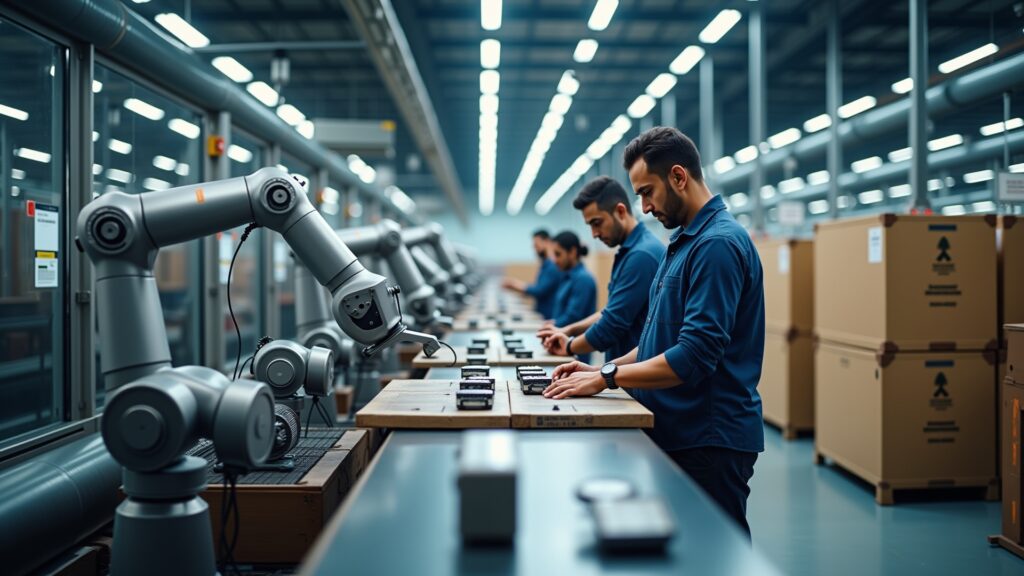
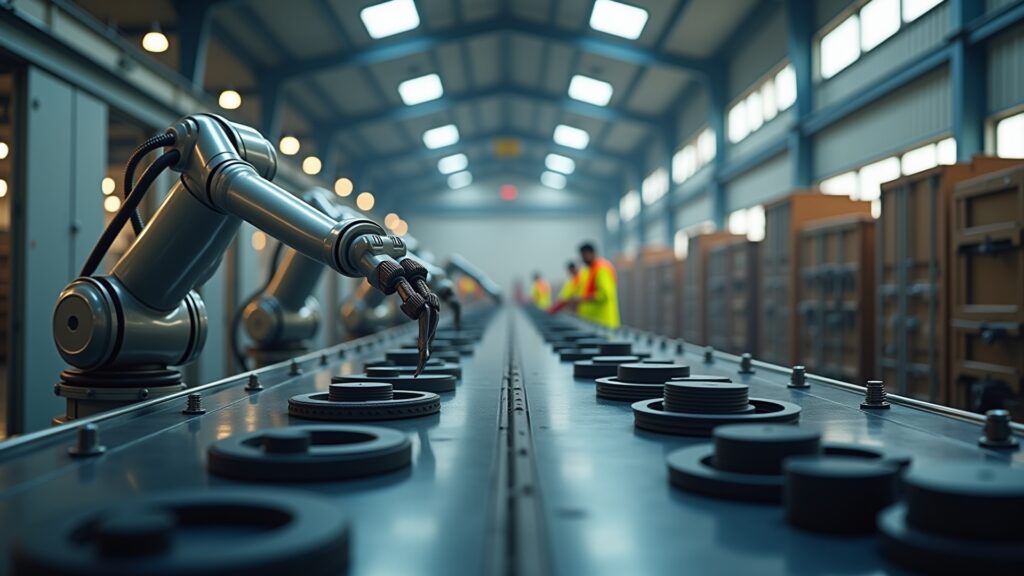
Simultaneously, global supply chains are realigning due to geopolitical uncertainties and shifts in trade patterns. The China+1 strategy encourages companies to diversify beyond China, creating urgent demand for scalable, reliable Indian manufacturing hubs. Automation, robotics, and AI-driven smart factories now form the backbone of competitive industrial operations, enabling you to improve quality, reduce time to market, and create flexibility for rapid product shifts.
Key Business and Market Impacts
- Lost Export Opportunities: Without investment, your factory may fail to meet evolving international standards, losing access to premium markets prioritizing sustainability and precision.
- Operational Inefficiency: Outdated processes and manual workflows increase defects, slow production, and inflate costs—outcomes that put profitability and customer trust at risk.
- Supply Chain Vulnerability: As localisation and resilience become strategic imperatives, lack of capability development could weaken your role within critical supply networks.
“The real edge is not only in producing more, but in producing faster, smarter, and closer to where demand is shifting.”
Strategic Analysis: Turning Investment Into Competitive Advantage
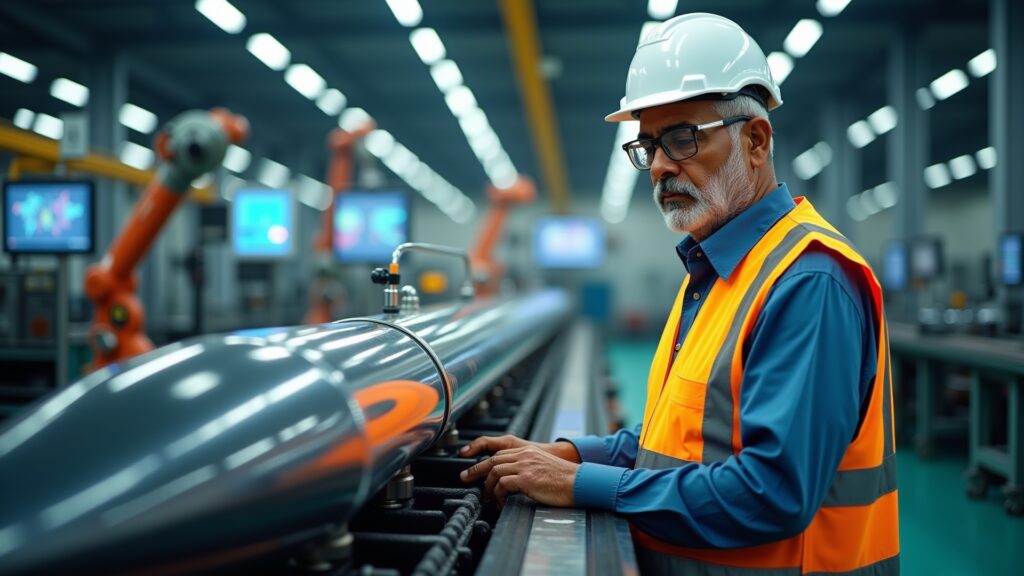
Seeing your capital expenditure as a cost alone misses its strategic value. Investment in automation, industrial AI, and factory digitization is essential to future-proof your manufacturing scale and operational agility.
Energy-efficient, sustainable manufacturing must also be central to your capital allocation strategy. Not only does sustainable practice reduce long-term operational costs, it shields your business from tightening regulatory risks and aligns with global buyers’ environmental expectations.
Finally, workforce transformation underpins every other shift. A digitally skilled, adaptable workforce is your foundation for leveraging advanced technologies and driving continuous innovation.
Practical Takeaways for Your Manufacturing Leadership
- Evaluate your capital deployment strategy with a lens on long-term competitiveness, not just cost control.
- Prioritize smart automation and AI for predictive maintenance to increase uptime and reduce defects.
- Invest in workforce digital skills and leadership development to ensure operational excellence.
- Embed sustainability as a core pillar to meet regulatory demands and global market preferences.
- Monitor government policy initiatives and align investments to maximize incentives like PLI.
Risks and Challenges Ahead
While the path to transformation requires significant capital, delayed or fragmented investment increases risk exposure. Potential challenges include integration complexities with legacy systems, skilled labor shortages, and the need for change management to ensure workforce buy-in. Balancing these demands necessitates a clear roadmap, phased investments, and a proactive partnership approach with technology providers.
What You Should Watch Next
Keep a close eye on evolving policy frameworks, particularly enhancements to incentive schemes and infrastructure projects supporting industrial corridors. Watch how international trade agreements and supply chain realignments shape buyer preferences and localization requirements. Additionally, stay informed on advances in industrial AI and robotics that could redefine operational benchmarks and cost structures.
“When automation, supply-chain discipline, and execution quality align, manufacturing growth becomes far more sustainable.”
Conclusion: Embracing the Imperative of Action
For you, the decision to invest in India’s manufacturing transformation is not simply a financial calculation—it’s a strategic imperative. The cost of inaction in manufacturing investment is manifesting in lost competitiveness, hampered export potential, and operational inefficiencies. By proactively aligning your investments with advanced technologies, workforce advancement, and sustainable models, you position your enterprise to thrive amid global shifts.
Your leadership in this transformation will define not only your company’s trajectory but also contribute to shaping India’s emergence as a resilient and globally competitive manufacturing hub.