As a leader steering manufacturing operations or investments in India’s industrial ecosystem, you’re likely aware that increasing the domestic value addition in electronics manufacturing is more than an incremental statistic — it’s a strategic milestone that demands your attention and action. India’s electronics sector reaching up to 20% domestic value addition is an indicator of a sea change in how you can optimize your supply chains, boost competitiveness, and align with policy-driven growth ambitions.
Why This Matters to You
If you oversee a factory, direct supply-chain strategy, or make capital allocation decisions in manufacturing, understanding this leap in domestic content is crucial. It directly influences how you manage risk, reduce reliance on imports, and enhance operational resilience amid a global landscape that continually challenges supply security and cost control. Furthermore, it opens doors to deeper localisation, quality enhancement, and export readiness — all imperatives for your business to thrive internationally.
What Is Happening in India’s Electronics Manufacturing?
India’s electronics manufacturing ecosystem is expanding its foothold in domestic content by incorporating up to 20% indigenous components and assembly processes. This progress is not random but the result of focused industrial strategy, fostering upstream and downstream capabilities in component production, sub-assemblies, and value-chain localization.
Achieving this domestic content ratio signals a maturing ecosystem where raw materials and intermediate goods increasingly originate within India, reducing the traditional dependency on global imports. It’s a foundational shift from being primarily an assembly hub to gradually becoming a comprehensive manufacturing player.
Strategic Business and Manufacturing Impact
From a manufacturing and business leadership perspective, this greater domestic value addition translates into several transformative advantages:
- Supply Chain Resilience: You mitigate risks from global disruptions and geopolitical shifts by fostering local sourcing and reducing import dependencies.
- Cost Efficiency and Quality Control: Localizing component production means greater control over quality parameters and potentially more cost-effective manufacturing cycles.
- Export Competitiveness: An indigenous content base ensures you can offer products that meet diverse global standards and compliance, critical for penetrating higher-value export markets.
- Industrial Ecosystem Growth: Your investments in localized supply chains contribute to a broader industrial upscaling that benefits the entire manufacturing sector.
“The real edge is not only in producing more, but in producing faster, smarter, and closer to where demand is shifting.”
Policy Alignment and Growth Drivers
The rise to 20% domestic value addition is also a testament to the effectiveness of India’s policies designed to nurture manufacturing ecosystems. Initiatives like the Production Linked Incentive (PLI) scheme, sector-specific infrastructure development, and streamlined regulatory frameworks have catalyzed this upward trajectory.
For you as an industrial decision-maker, this means the policy environment is increasingly supportive of investments in advanced manufacturing technologies, automation, and strategic partnerships that enhance local capabilities.
Strategic Insight: Beyond the Numbers
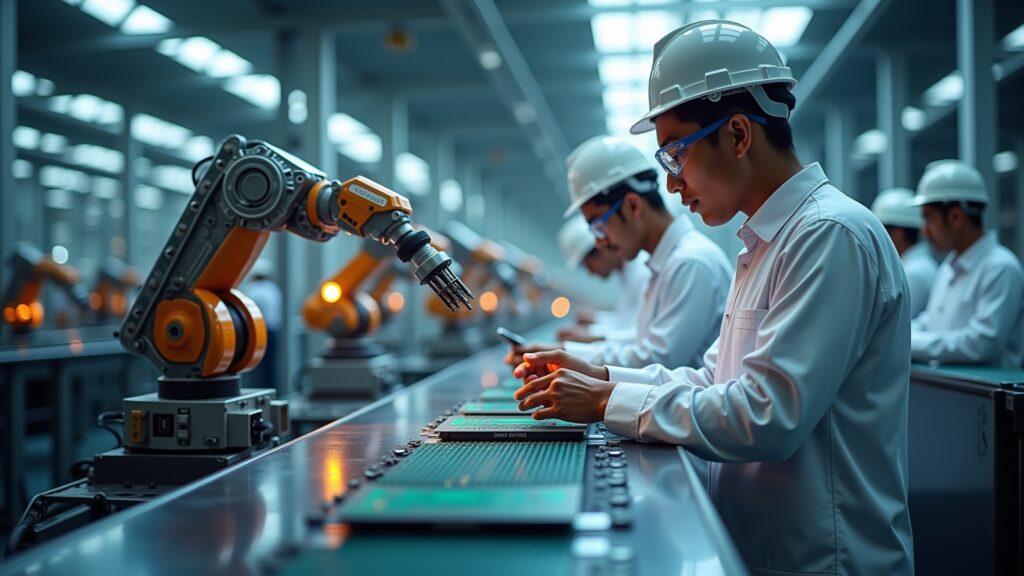
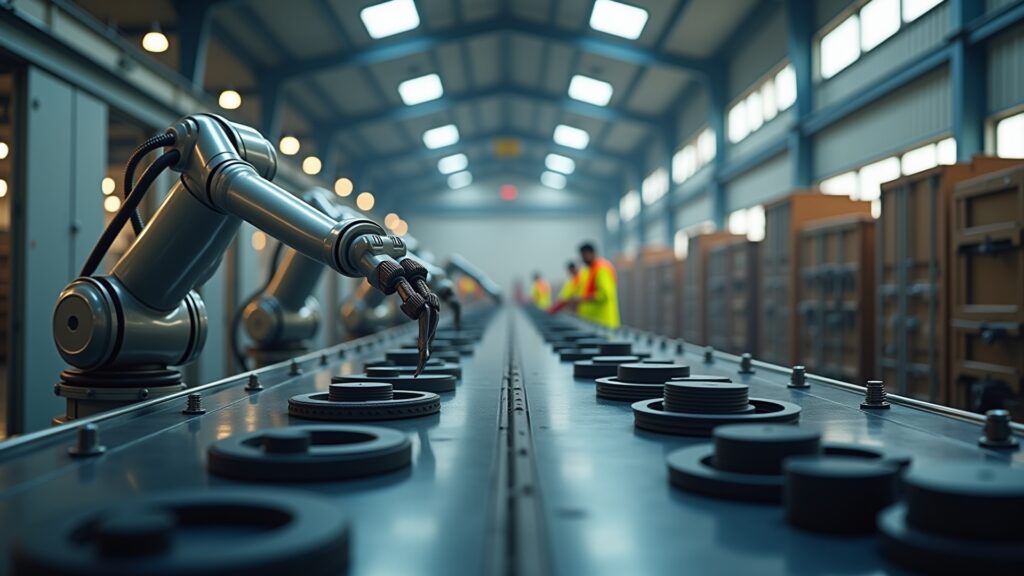
While 20% domestic content might appear modest compared to mature manufacturing nations, it embodies a critical inflection point in India’s journey from assembly-based operations to full-scale smart factories. This progression involves incorporating industrial AI, robotics, and automation — technologies that elevate productivity and product sophistication.
Embedding these technologies into your operations not only improves yield and quality but also future-proofs your manufacturing footprint against global competition and shifting market demands.
“In manufacturing, scale matters — but resilience and precision are what create durable advantage.”
Practical Takeaways for Manufacturing Leaders
- Prioritize Local Sourcing: Evaluate your supply chains for opportunities to increase indigenous component integration without compromising quality.
- Invest in Automation and Technology: Incorporate smart factory principles and robotics to improve efficiency and scalability.
- Engage with Policy Incentives: Align your investments with government schemes like PLI and infrastructure initiatives to maximize returns.
- Strengthen Export Readiness: Develop quality standards and certifications that enable market access and competitiveness globally.
- Foster Skill Development: Prepare your workforce for higher-value manufacturing roles through reskilling and training programs.
Risks, Challenges, and Considerations
However, advancing domestic value addition is not without challenges. You must navigate the complexities of scaling component manufacturing, overcoming technology gaps, and building trusted supplier networks. Additionally, sustaining cost competitiveness while localizing inputs demands vigilant process optimization and innovation.
It’s critical to maintain a balanced approach — aggressively pursuing localization yet carefully managing supply chain and production quality risks in emerging ecosystems.
What You Should Watch Next
As you plan your strategic moves, monitor developments in India’s manufacturing infrastructure investments, policy enhancements around PLI expansions, and technology adoption trends in automation and industrial AI. Also, keep an eye on global supply chain realignment efforts influenced by the China+1 strategy—India’s growing domestic value addition makes it a compelling alternative manufacturing destination.
Conclusion: Capturing the Momentum in India Electronics Manufacturing
India’s electronics manufacturing sector crossing the 20% domestic value addition threshold is a defining moment that reshapes how you approach manufacturing strategy, supply chain localization, and global competitiveness. This milestone signifies more than just a number — it reflects a robust, evolving ecosystem where innovation, policy, and industrial scale converge to create new opportunities.
By deepening investment in local capabilities, embracing smart manufacturing technologies, and aligning with supportive industrial policies, you are better positioned to accelerate growth, improve productivity, and secure a formidable standing in international markets.
“When automation, supply-chain discipline, and execution quality align, manufacturing growth becomes far more sustainable.”
To remain competitive and capitalize on the strategic shifts underway, you must lead with foresight, leverage localized innovation, and build the resilient, agile manufacturing operations that today’s global landscape demands.