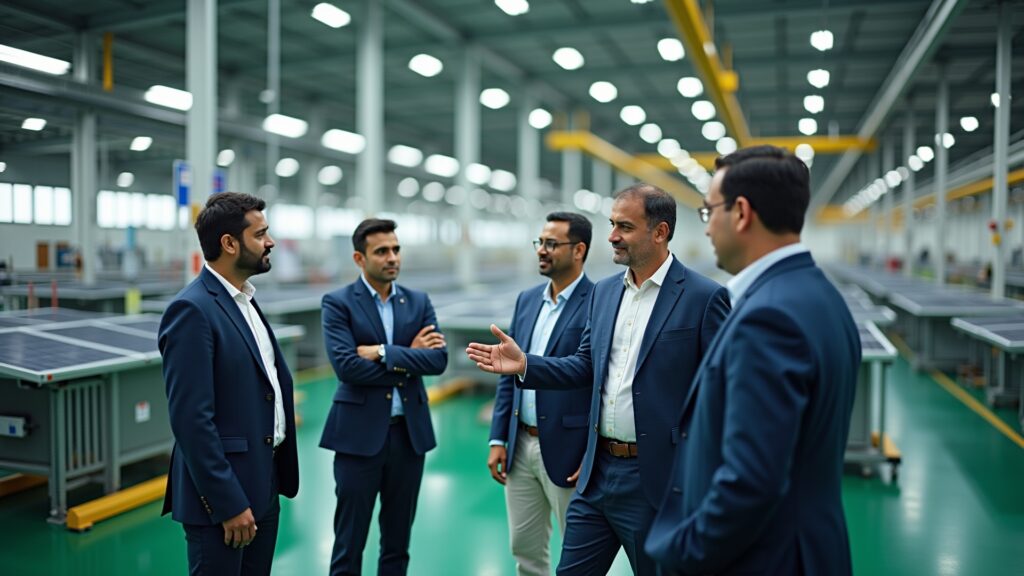
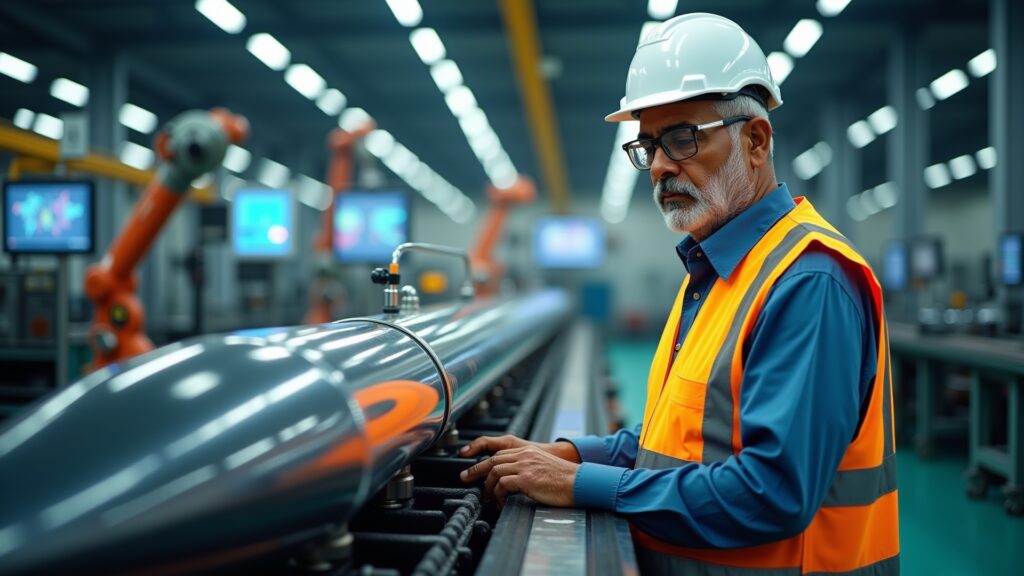
As a manufacturing leader, investor, or policymaker, you cannot overlook the significance of India Inc’s recent pause on manufacturing facility expansion observed in March. This strategic halt is more than just a momentary shift—it’s a signal that calls you to rethink capacity creation, risk mitigation, and competitive positioning amid evolving economic landscapes. Your factory’s future growth, supply chain resilience, and export potential hinge on interpreting and responding to these developments thoughtfully.
Why This Matters to You
You operate in an industry where expansion plans often translate directly into market leadership and global competitiveness. The unexpected slowdown in India’s manufacturing expansion is a wake-up call. It highlights the need for you to balance growth aspirations with practical realities such as capital allocation, operational efficiency, supply chain risk, and sustainable practices. Failing to take cues from this pause risks leaving your operations vulnerable to cost volatility, global trade uncertainties, and policy shifts.
What Is Happening in India’s Manufacturing Sector?
India’s manufacturing sector, previously riding a wave of accelerated growth driven by ambitious policy incentives and infrastructure investments, hit a pause in March. Expansion plans for new manufacturing facilities were temporarily shelved, reflecting both internal corporate caution and external uncertainties. While the Production Linked Incentive (PLI) scheme and infrastructure developments continue to build momentum, the hesitancy points to complex factors such as fluctuating global demand, capital prudence, and supply chain realignments influenced by geopolitical tensions.
Strategic Implications for Your Manufacturing Business
Facility expansion has traditionally been a direct route to increased output and cost leadership. The current slowdown pushes you to explore alternative avenues to enhance industrial growth—primarily through automation, industrial AI, and operational optimization. Relinquishing reliance on physical expansion alone can unlock productivity gains and cushioning against abrupt market shocks.
Moreover, you must recognize the growing importance of energy sustainability and cost efficiency. As power costs and environmental compliance tighten, investing in cleaner technologies and leaner operations will be pivotal.
“In manufacturing, scale matters — but resilience and precision are what create durable advantage.”
Broader Market and Policy Perspectives
The manufacturing pause coincides with global supply chains undergoing strategic shifts, with many companies adopting the “China+1” sourcing model to diversify risk. India’s promise as a replacement manufacturing base depends heavily on sustained capacity scaling and investment confidence—which this pause potentially disrupts.
Additionally, the current situation should prompt policymakers to refine incentives and infrastructure support, particularly addressing gaps in workforce skills, capital access, and logistical bottlenecks. Your engagement in these dialogues will be crucial to shaping an environment conducive to renewed expansion and competitiveness.
“The real edge is not only in producing more, but in producing faster, smarter, and closer to where demand is shifting.”
Practical Takeaways: What You Should Focus On
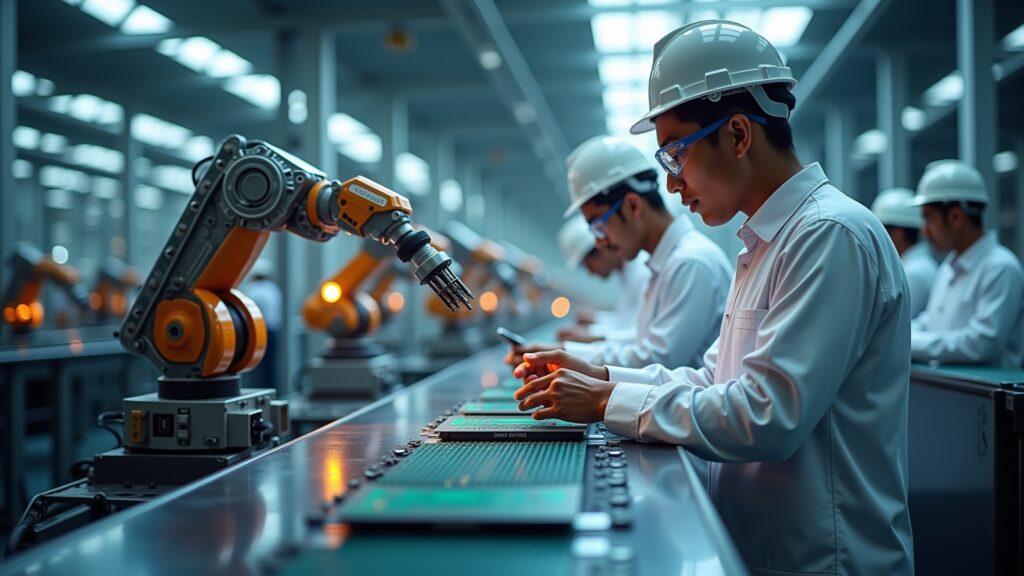
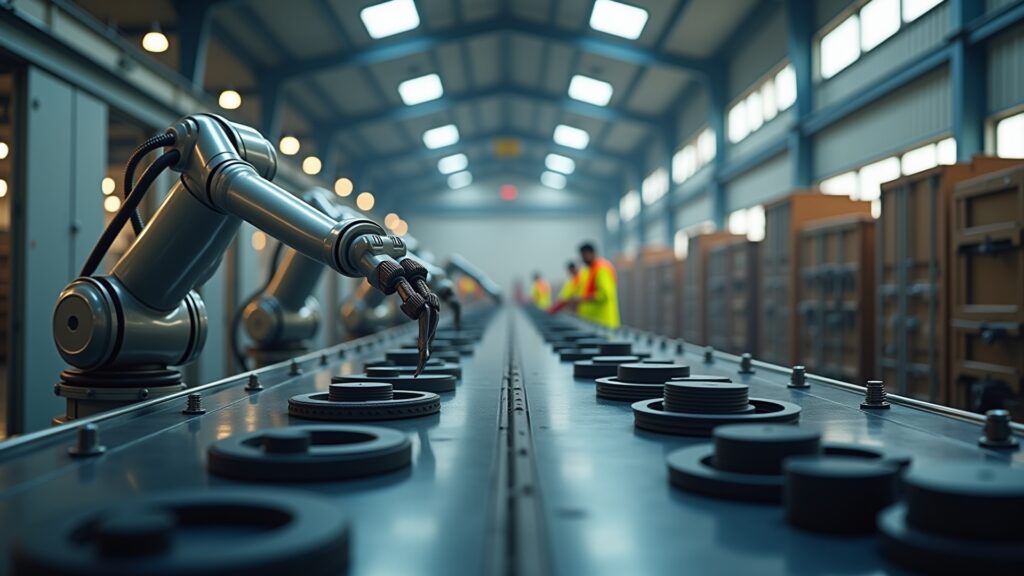
- Optimize existing capacity: Leverage automation, robotics, and industrial AI to maximize efficiency before scaling up physically.
- Strengthen supply chain resilience: Build local supplier ecosystems and diversify sourcing to minimize disruption risk.
- Prioritize energy efficiency and sustainability: Transition to cleaner technologies to reduce costs and comply with evolving regulations.
- Maintain strategic capital flexibility: Align your investment plans to react swiftly to market signals and policy shifts.
- Engage proactively with policymakers: Advocate for enhanced incentives, infrastructure improvements, and workforce development.
Risks and Challenges to Navigate
This pause entails risks such as delayed scale economies and potential competitiveness erosion if capacity does not keep pace with demand growth or global rivals. You must also contend with capital market volatility and the challenge of aligning technological investments with uncertain expansion timelines. Assessing these carefully while maintaining operational agility will be key.
What You Should Watch Next
Watch for signals from the government on policy tweaks to re-energize capacity creation, updates on infrastructure projects, and shifts in global trade policies impacting supply chains. Also, keep a close eye on technological advancements in automation and AI that can accelerate productivity gains within current footprints.
“When automation, supply-chain discipline, and execution quality align, manufacturing growth becomes far more sustainable.”
Conclusion: Navigating the India Manufacturing Expansion Pause with Strategic Foresight
The March pause in India Inc’s manufacturing facility expansion is not merely a momentary blip but a strategic recalibration amid complex economic conditions. As a manufacturing leader or investor, you must leverage this period to recalibrate your growth strategies—focusing on technology-driven productivity, supply chain resilience, and sustainable operations.
India’s journey to establishing itself as a global manufacturing powerhouse relies on the careful balance of scalable growth and operational efficiency. This pause is your opportunity to build smarter, more resilient factories aligned with national ambitions and global market demands, ultimately securing your place on the industrial world stage.