The manufacturing landscape you operate in is evolving rapidly, and Panasonic’s audacious India manufacturing strategy is a signpost you cannot ignore. This is not just about shifting production to a cost-effective location; it’s about redefining what it means to build products in India — turning the country from an assembly point into a global innovation and export powerhouse. If your business is tied to manufacturing, supply chain resilience, or investment in industrial growth, this strategic pivot by Panasonic offers critical lessons and benchmarks that could reshape your competitive playbook.
Why Panasonic’s India Strategy Matters to You
You’re likely grappling with global supply chain challenges, rising costs, and pressure to deliver higher-quality goods faster. Panasonic’s move signals a new paradigm where India isn’t just a low-cost hub but a centre for advanced manufacturing technologies, smart automation, and robust local innovation ecosystems. This not only changes the game for multinational corporations but opens opportunities for Indian manufacturers to leapfrog traditional constraints.
For your factory or production lines, this means the bar for quality, productivity, and technology adoption is rising. For your supply chain, localisation and resilience become not just strategic buzzwords but operational necessities. For your export ambitions, Panasonic’s approach exemplifies how integrating global standards and local strengths can turn India into an exporter of high-value products with lasting global relevance.
What Is Happening in Panasonic’s India Manufacturing Model
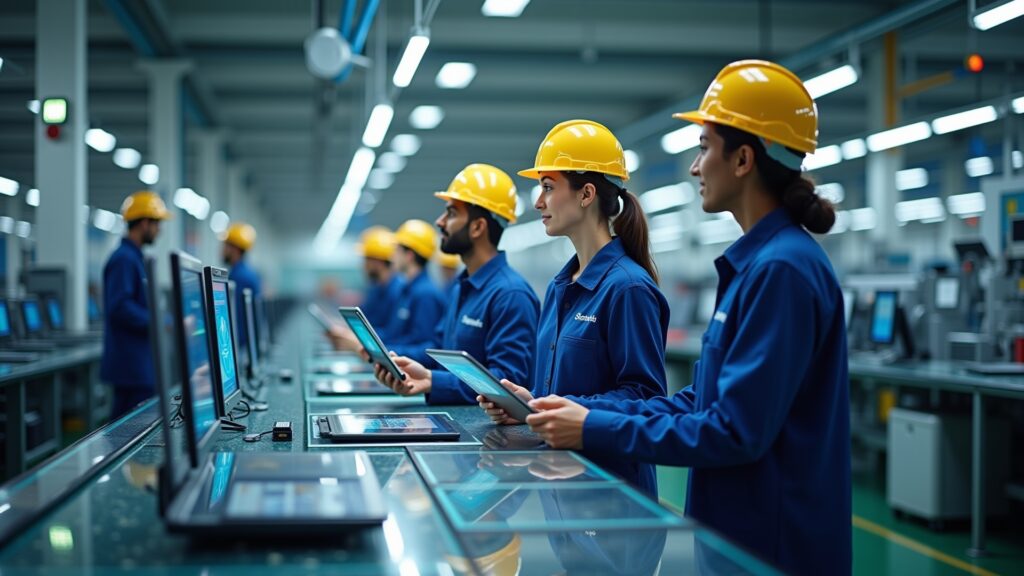
Panasonic is moving away from the traditional perception of India as a base for low-cost assembly. Instead, they’re embedding advanced manufacturing and automation technologies, leveraging smart factory principles along with India-specific R&D and a skilled workforce. The strategic use of Production Linked Incentive (PLI) schemes and infrastructural support illustrates a harmonised alignment between corporate strategy and government industrial policy.
This transformation reflects a broader realignment in global manufacturing, driven by the China+1 strategy and the need for more distributed, flexible, and quality-centric production systems. Panasonic’s India units are being designed not only for domestic demand but as export hubs competing on a global stage in electronics manufacturing.
Key Business and Market Impacts You Should Track
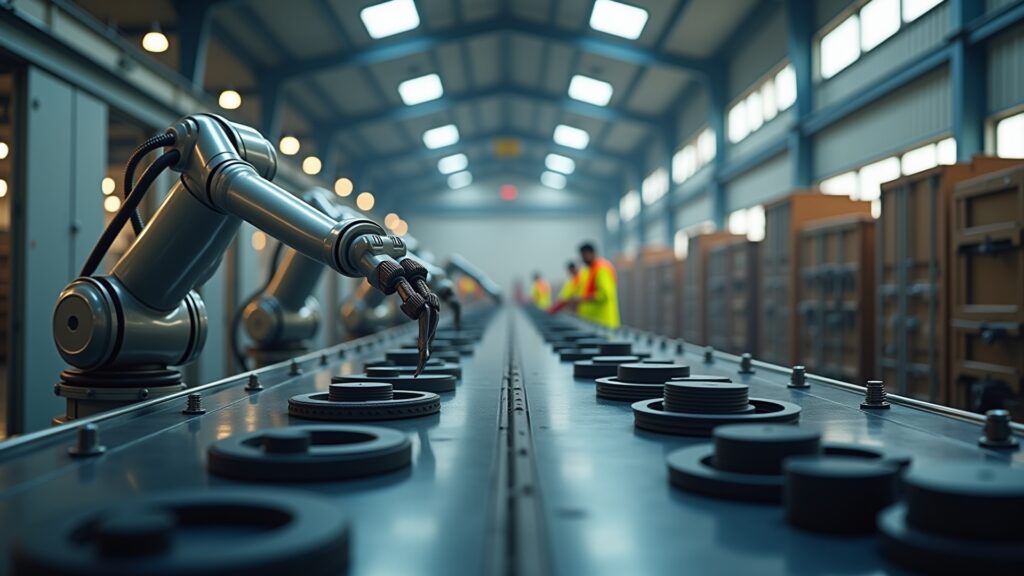
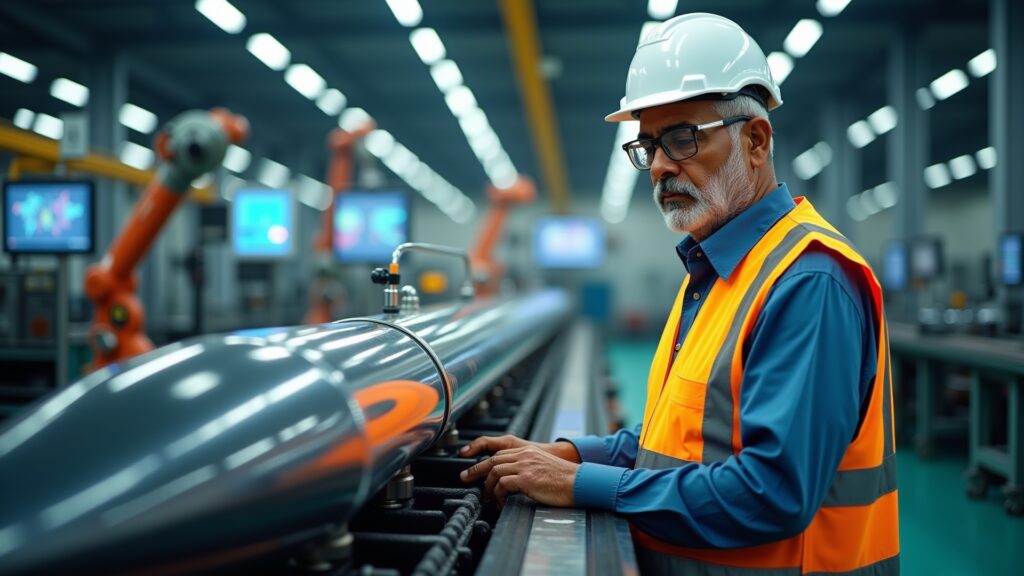
- Advanced Automation and Smart Factories: Panasonic’s investment in robotics and process innovation sets a new quality baseline that you must consider in your operational upgrades.
- Supply Chain Localisation: Building deeper, trusted local sourcing networks reduces risk exposure and accelerates responsiveness in fluctuating market conditions.
- Enhanced Export Competitiveness: Through this strategy, Panasonic is positioning India as a reliable export base, influencing how Indian manufacturers like you approach international markets.
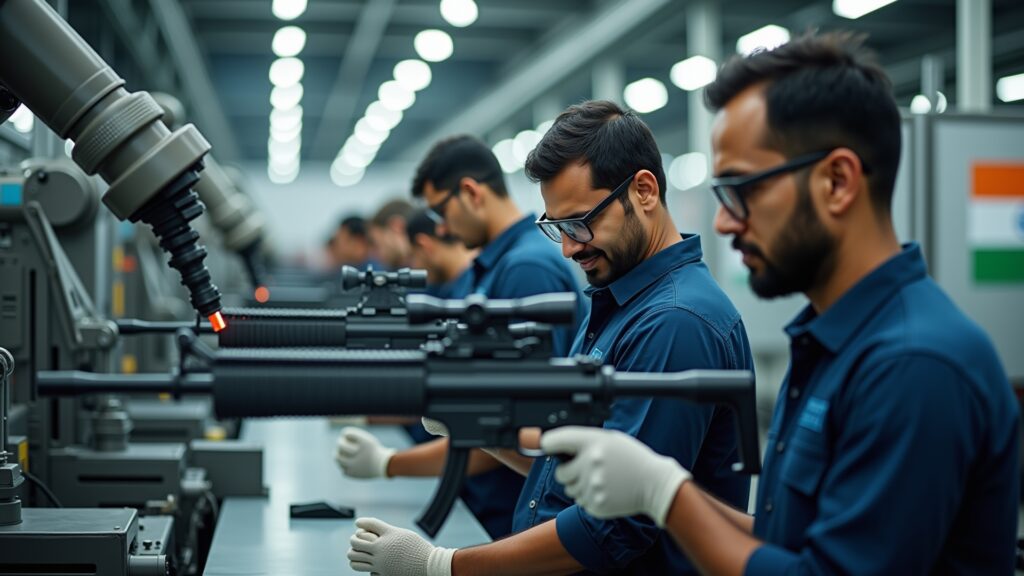
- Skilled Industrial Workforce: Upskilling and advanced talent development are becoming business imperatives to support sophisticated manufacturing processes.
Strategic Insights for Your Manufacturing Business
From an industrial strategy perspective, Panasonic’s approach exemplifies a shift from volume-driven cost arbitrage to value-driven competitive positioning. This model integrates technology adoption with policy incentives and market requirements to create a sustainable manufacturing ecosystem.
Think of this as a blueprint for your own plant expansion, automation adoption, and export strategy. The message is clear: investing in smart production systems and embedding localised supply chains can unlock efficiencies while positioning your business to capture global demand surges.
“The real edge is not only in producing more, but in producing faster, smarter, and closer to where demand is shifting.”
Practical Takeaways to Implement Today
- Evaluate Your Technology Stack: Assess opportunities for automation and industrial AI to enhance product quality and reduce cycle times.
- Prioritise Local Sourcing: Strengthen relationships with local suppliers to improve supply chain resilience and reduce lead times.
- Focus on Workforce Development: Invest in specialized training programs to build a workforce capable of running advanced manufacturing setups.
- Align with Policy Incentives: Leverage government schemes such as PLI to maximize financial benefits and infrastructure support.
- Expand Export Readiness: Build capabilities that meet international standards, enhancing your global market credibility.
Expert Perspective on Industrial Competitiveness
“In manufacturing, scale matters — but resilience and precision are what create durable advantage.”
“When automation, supply-chain discipline, and execution quality align, manufacturing growth becomes far more sustainable.”
Challenges and Cautions You Must Navigate
While Panasonic’s strategy is pioneering, you must recognize inherent challenges. Advanced manufacturing requires significant capital expenditure and continuous innovation. Workforce transitions to higher skill levels pose training and retention challenges. Further, supply chain localisation must be balanced with global sourcing to avoid cost inflation.
You should also be vigilant about evolving market demand shifts and policy changes that could impact incentive continuity. Strategic agility will be crucial to navigate these risks effectively.
What to Watch Next in India’s Manufacturing Evolution
Monitor how Panasonic’s factories scale operations, implement new automation technologies, and integrate with global supply networks. Pay attention to policy adjustments and infrastructure projects that lower barriers for advanced manufacturing. Also, look for emerging partnerships and investments that signal broader ecosystem readiness.
Conclusion: Positioning Yourself in the New Manufacturing Paradigm
Panasonic’s India manufacturing strategy is a crucial indicator of the future industrial trajectory you must align with. By moving beyond traditional cost-based models to embrace smart factories, localised supply chains, skilled workforce development, and export competitiveness, Panasonic is setting a new benchmark.
If you take note and act on these insights, you can future-proof your operations, improve productivity, and build a resilient manufacturing business that thrives in a globalized, technology-driven market.
Remember, Panasonic India manufacturing strategy is more than a corporate maneuver; it’s a strategic blueprint for the sustainable industrial competitiveness every manufacturing leader should adopt now.