The ongoing conflict in West Asia is more than just a geopolitical event — it’s a wakeup call for you as a manufacturing leader deeply integrated into global energy and supply networks. The reverberations of instability in this critical region are reshaping India’s manufacturing and energy supply chain strategy in ways that will directly impact your operations, costs, and competitive positioning.
Why This Matters to You
As you steer your manufacturing business in India’s dynamic industrial landscape, the West Asia conflict challenges the assumptions underlying your supply chain resilience and energy security. If your factory relies on stable energy inputs like crude oil or natural gas sourced from West Asia, you are encountering amplified risks. Disrupted logistics and volatile energy pricing threaten your production scheduling, operational efficiency, and export commitments.
Moreover, the broader manufacturing ecosystem — from raw material sourcing to delivery infrastructure — is feeling the tremors of this conflict. For your leadership role, understanding and acting on these risks is critical to sustaining growth, managing costs, and securing your plant’s future in a contested global environment.
What Is Happening
The West Asia region, historically a cornerstone of global hydrocarbon supplies, is grappling with escalating conflict that interrupts the steady flow of crude oil and natural gas essential for manufacturing processes. India, as one of the world’s largest importers of energy from West Asia, is confronted with supply uncertainties, price hikes, and logistical bottlenecks.
These challenges come at a time when India’s manufacturing sector is already navigating a complex transition: balancing global supply chain realignment and aggressive localisation policies aimed at improving self-reliance. The conflict adds a layer of unpredictability, compelling you to rethink your energy sourcing and supply chain diversification strategies more urgently than ever before.
Key Manufacturing and Supply Chain Impacts
The effects of this geopolitical tension extend deep into your factory floor and supply logistics:
- Energy Costs and Security: Fluctuations in crude oil and natural gas prices increase production costs, pressuring margins across energy-intensive industries.
- Supply Chain Disruptions: Delays and uncertainties in raw material and intermediate goods flow from West Asia affect timely operations, risking missed delivery targets for your customers at home and abroad.
- Operational Continuity Risks: Dependence on vulnerable energy routes exposes you to potential shutdowns or downtimes if supplies are interrupted.
- Export Competitiveness: Volatility in input costs and logistics reliability impacts your ability to compete globally, especially against players with more diversified supply chains or renewable energy integration.
Strategic Analysis: Navigating Complexity with Resilience and Innovation
For manufacturing leaders like you, this is a call to recalibrate and reinforce your strategies. It is no longer sufficient to lean on traditional suppliers or established energy routes. Instead, you must advance several imperatives:
- Diversify Energy and Raw Material Sources: Reducing over-reliance on West Asia means expanding your supplier base geographically and technologically — including tapping renewable energy options.
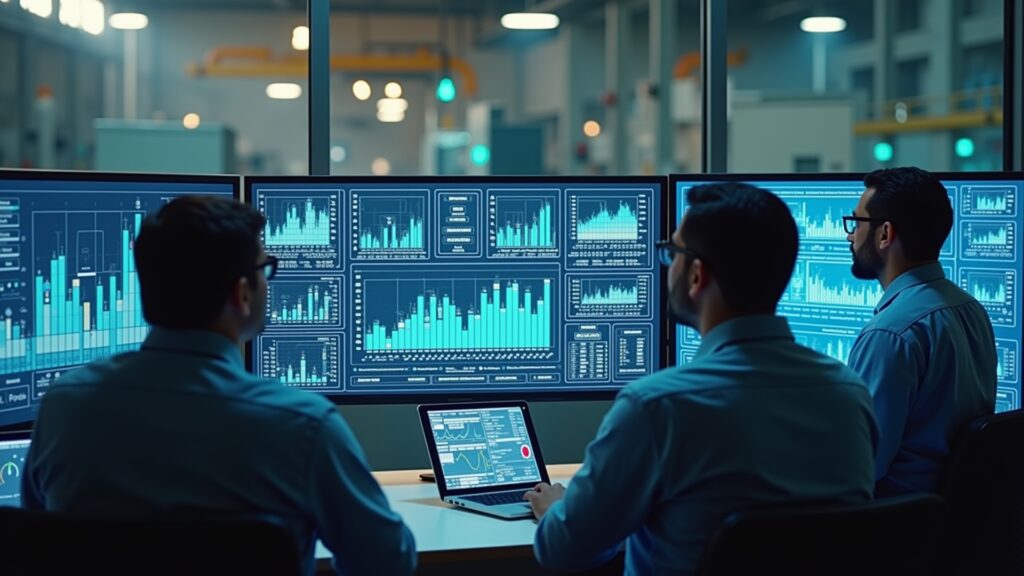
- Accelerate Smart Factory and Industrial AI Adoption: Digital transformation enhances visibility into your supply chain, enabling predictive analytics that foresee risks and optimize inventory dynamically.
- Drive Energy Efficiency: Investing in energy-efficient equipment and processes lowers your operational costs and builds sustainability into your growth model.
- Engage with Policy Efforts: Collaborate with government bodies to leverage incentives supporting infrastructure upgrades, renewable integration, and energy security initiatives.
- Enhance Supply Chain Agility: Agile management ensures your operations can quickly adapt to supply shocks, preserving production continuity.
“In manufacturing, scale matters — but resilience and precision are what create durable advantage.”
Practical Takeaways for Manufacturing Executives and Investors
- Review your energy procurement strategy and build a diversified supplier portfolio that minimizes geopolitical exposure.
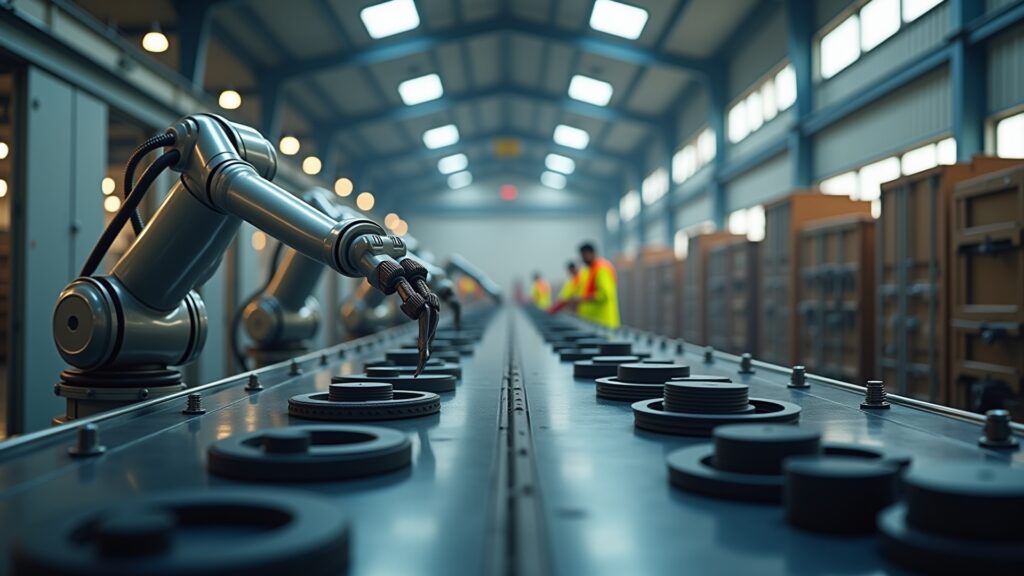
- Invest in automation and advanced analytics for end-to-end supply chain visibility and smarter inventory management.
- Accelerate your transition to renewable energy sources to not only control costs but also enhance sustainability credentials.
- Promote internal energy efficiency assessments to identify cost-saving opportunities without compromising output quality.
- Engage policymakers and industry bodies to advocate for incentives that bolster localized manufacturing ecosystems and energy infrastructure.
- Implement robust scenario planning and risk management frameworks to anticipate and mitigate external shocks.
“The real edge is not only in producing more, but in producing faster, smarter, and closer to where demand is shifting.”
Risks and Challenges You Need to Consider
While strategic diversification and technology adoption are essential, be mindful of the inherent challenges. Supply chain realignment entails investment and time; shifting to renewables requires upfront capital and operational changes; and policy environments can evolve unpredictably. Additionally, global competitors may move faster or have access to different incentives, intensifying competitive pressures.
Balancing these demands requires you to maintain a long-term view while delivering short-term operational excellence — a delicate but necessary act to safeguard your plant and enterprise.
What You Should Watch Next
Stay closely attuned to developments in West Asia’s geopolitical landscape and Indian government policy responses. Monitor shifts in global energy markets and emerging technologies in renewable energy and industrial automation. Observe how peer manufacturers adjust their supply chain strategies and investment priorities — benchmarking their moves can offer valuable insights.
Conclusion: Reinforcing India’s Strategic Manufacturing Position Amid West Asia Conflict
The West Asia conflict impact on India’s manufacturing supply chain is a defining challenge for you as an industrial leader. It underscores the critical need for resilience through diversification, technology adoption, and sustainable energy practices. Your strategic decisions now will determine not only your ability to weather this storm but also your long-term competitive positioning in the global manufacturing landscape.
By proactively embracing these imperatives, you safeguard operational continuity, enhance export competitiveness, and contribute to India’s ambition of becoming a resilient and globally significant manufacturing hub.
“When automation, supply-chain discipline, and execution quality align, manufacturing growth becomes far more sustainable.”
Addressing the risks posed by geopolitical volatility in energy and supply chains will define the trajectory of Indian manufacturing for years to come. The opportunity lies in converting disruption into strategic transformation—where your leadership can set new industry benchmarks.