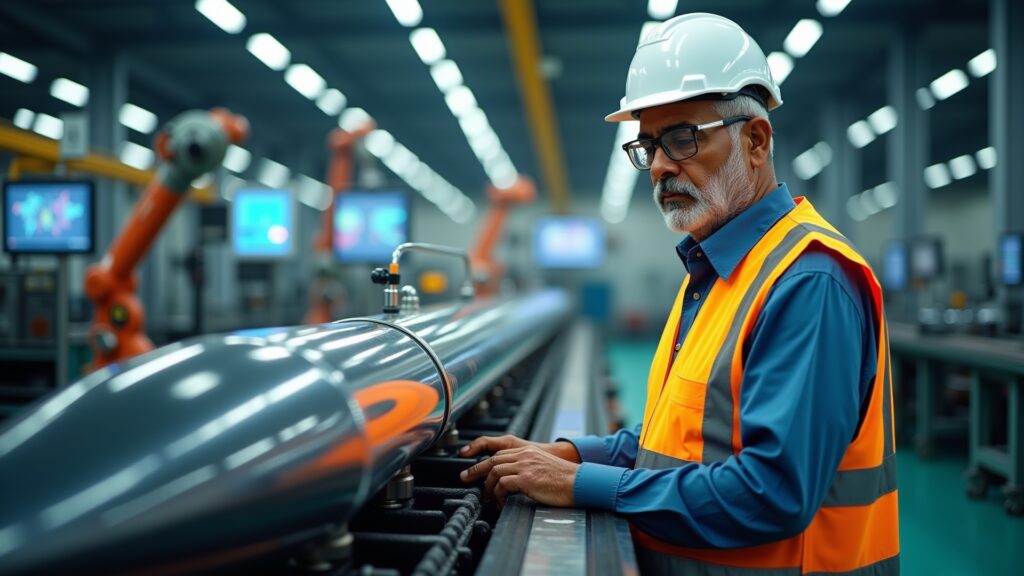
As you steer your manufacturing enterprise towards the clean energy frontier, understanding India’s ambitions—and the hurdles it faces—is critical for your strategic planning. India’s drive to emerge as a global leader in clean energy manufacturing isn’t just a government agenda: it directly impacts your factory’s supply chain resilience, cost structure, and competitive positioning in the international arena.
Why This Matters to You
The transformative shift to clean energy manufacturing offers an unprecedented opportunity to align your operations with both global sustainability goals and rapidly evolving market dynamics. But this transition comes with complex supply chain dependencies and mounting cost pressures that can disrupt your production timelines and profitability. How you navigate these challenges today will define your factory’s operational efficiency, your product’s global competitiveness, and your long-term growth trajectory.
The Current Landscape: What Is Happening in India’s Clean Energy Manufacturing?
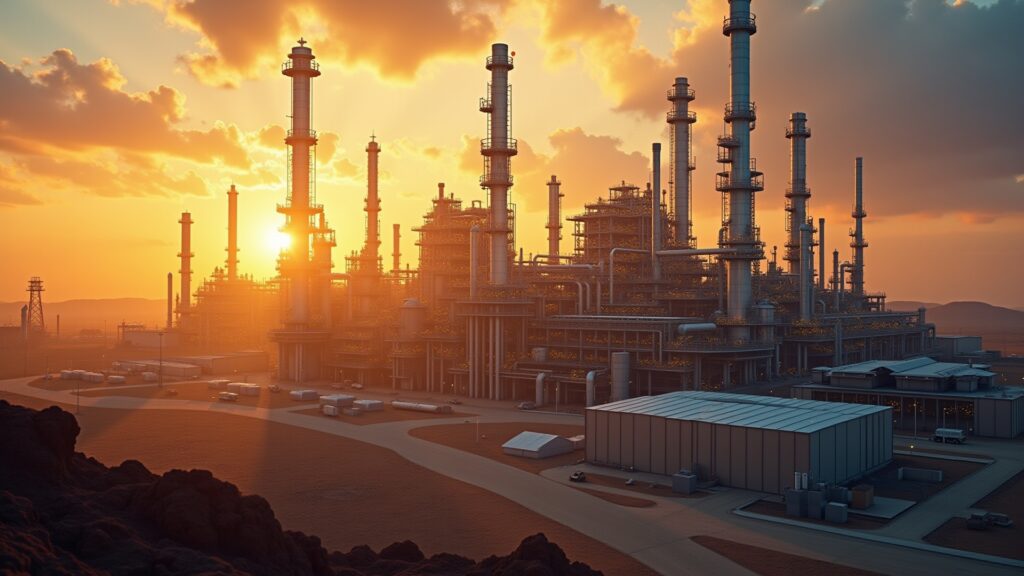
India’s clean energy manufacturing push spans multiple sectors — from solar panel production to battery technology and other green infrastructure components. However, despite advances in domestic manufacturing capacity, your plant remains entangled in a global web of supply chain dependencies, especially for critical raw materials and high-tech components that are still largely imported.
This reliance exposes you to:
- Volatility in global commodity prices
- Extended lead times and logistics complexities
- Geopolitical risks that disrupt material availability
Coupled with these supply challenges are rising costs driven by the integration of advanced technologies and stringent quality standards essential to compete on the international stage.
Strategic Impact: What This Means for Manufacturing and Investment
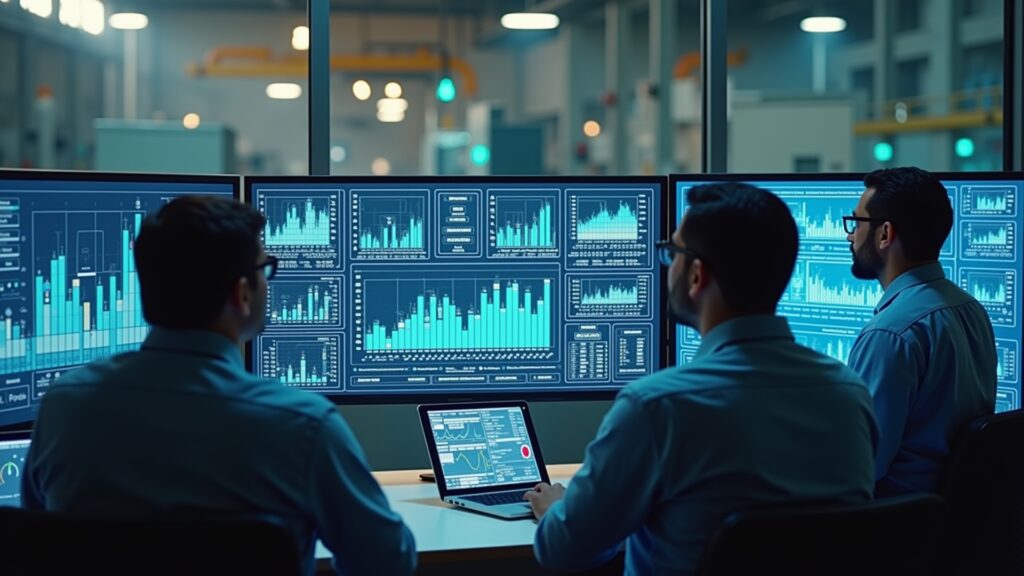
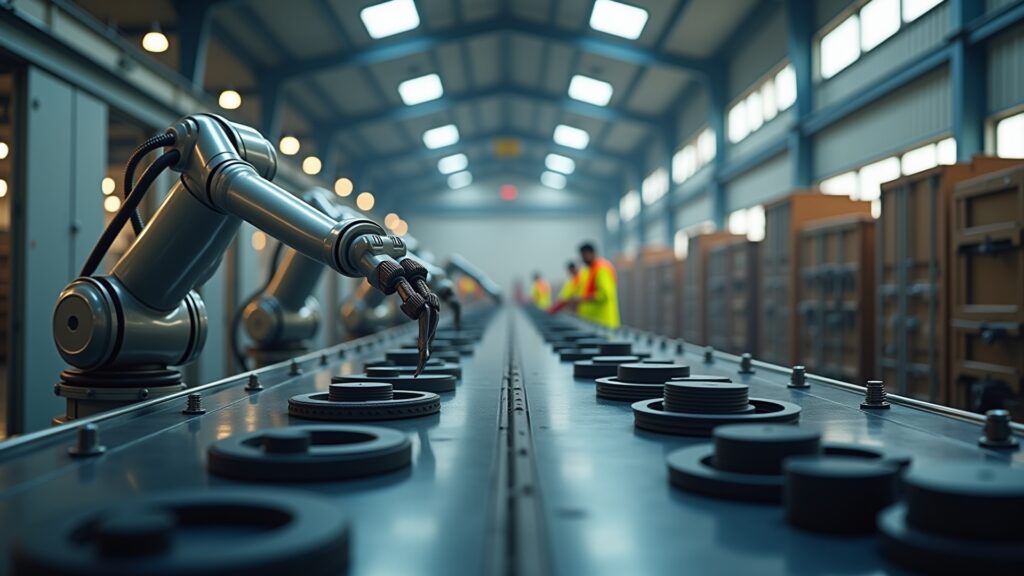
Addressing supply chain constraints and cost pressures is no longer optional; it is a strategic imperative. From your perspective as a manufacturing leader, it means embedding resilience into your supply chain through strategic supplier alliances, investing in domestic sourcing, and adopting automation and industrial AI to streamline operations and enhance productivity.
From an investment standpoint, sectors like advanced battery manufacturing and solar component production present lucrative prospects. However, due diligence must factor in not just the promising technology but also the intertwined risks of global market swings and evolving policy frameworks, including India’s Production Linked Incentive (PLI) schemes tailored to incentivize clean energy manufacturing growth.
Policy and Sustainability: Cornerstones of Competitive Advantage
Your ability to capitalize on India’s clean energy ambitions will hinge on navigating policy incentives and embedding sustainability into your operational DNA. The government’s focus on localisation incentives, logistics infrastructure development, and energy-efficient manufacturing clusters can elevate your competitive edge internationally.
Moreover, aligning your plant’s practices with global climate commitments isn’t just about compliance—it’s a market differentiator increasingly valued by customers and investors alike.
Deeper Insight: Navigating Supply Chains, Technology, and Policy Synergy
“In manufacturing, scale matters — but resilience and precision are what create durable advantage.” This rings especially true as you balance between expanding capacity and managing supply risks. The integration of industrial AI and automation technologies facilitates not just cost control but also operational agility to respond to disruptions swiftly.
Equally important is fostering localisation and trusted partnerships, moving your supply chains closer to home. This approach reduces dependency on exposed global points and enhances your factory’s responsiveness.
“The real edge is not only in producing more, but in producing faster, smarter, and closer to where demand is shifting.” This principle crystallizes your roadmap towards building a globally competitive clean energy manufacturing hub in India.
Practical Takeaways: What You Should Focus on Next
- Supply Chain Resilience: Prioritize supplier diversification and invest in raw material sourcing partnerships within India to mitigate import dependency.
- Technology Adoption: Leverage automation and industrial AI for enhanced productivity, quality control, and scalable capacity expansion.
- Policy Engagement: Stay informed and actively engage with evolving policy incentives and PLI schemes to maximize financial and strategic benefits.
- Sustainability Integration: Embed cleaner production processes and energy efficiencies aligned with international climate commitments to boost market appeal.
- Investment Strategy: Evaluate opportunities in advanced battery and solar component segments, factoring in global commodity cycles and local policy incentives.
Expert Perspective
“When automation, supply-chain discipline, and execution quality align, manufacturing growth becomes far more sustainable.”
“Sustainability is no longer a choice but a vital element of competitiveness in global clean energy markets.”
Risks and Challenges: What to Monitor
Even with best efforts, you must remain vigilant about several risks:
- Continued volatility in global raw material markets can abruptly impact costs and production timelines.
- Insufficient domestic raw material base could prolong reliance on imports, exposing you to geopolitical shifts.
- Scaling advanced technology adoption could strain capital allocation and require careful balancing against operational priorities.
- Policy shifts or delays in incentive rollouts may disrupt your investment and expansion plans.
What You Should Watch Next
Monitor developments around India’s localisation policies and logistics infrastructure upgrades, as these will directly influence cost efficiencies and supply speed. Also, watch how emerging technologies—particularly in battery chemistry and solar materials—are evolving both globally and within India’s research ecosystems. Lastly, keep an eye on global commodity market trends and geopolitical tensions that impact raw material flows.
Conclusion: Your Role in India’s Clean Energy Manufacturing Future
India’s clean energy manufacturing ambitions are not just a policy vision; they are a call to action for you as a manufacturing leader and investor. By anticipating the strategic supply chain and cost challenges ahead, you can position your operations to thrive in this transformative era.
The future belongs to those who integrate resilience, cutting-edge technology, and sustainability into their industrial DNA. As you recalibrate your strategies, remember that India’s evolving clean energy ecosystem offers a unique platform to enhance export competitiveness, improve operational efficiency, and build a sustainable manufacturing legacy.
Embrace this moment — the strategic decisions you make now will shape not only your factory’s growth but also India’s stature as a global clean energy manufacturing powerhouse.