As a manufacturing leader or industrial stakeholder in India, you are acutely aware that the ongoing geopolitical tensions—exemplified by the Iran conflict—are more than distant headlines. They directly affect your production lines, supply chain stability, and long-term business viability. In this landscape, relying on external, often unstable markets for critical inputs has become a strategic vulnerability that you cannot afford to ignore.
Why This Matters to You
Your factory operations, procurement strategy, and investment outlook are all entwined with global economic currents. When geopolitical upheavals disrupt energy supplies or choke supply chains, the ripple effects can stall production, escalate costs, and undermine your competitive edge in export markets. Understanding why and how to pivot your manufacturing strategy inward will empower you to not only survive these shocks but emerge more resilient and globally competitive.
What Is Happening in India’s Manufacturing Landscape
India’s economy today is grappling with the direct consequences of geopolitical instability, particularly from conflict zones like Iran. Energy imports from these regions face heightened risks, exposing a critical dependency that Indian industries can no longer overlook. As global supply chains falter, the urgency to develop indigenous capacity and robust local ecosystems has never been clearer.
Key Business and Manufacturing Impacts
- Supply Chain Vulnerabilities: Overreliance on unstable external suppliers disrupts continuity and inflates risk.
- Energy Security Concerns: Dependence on conflict-prone energy sources threatens production consistency and cost stability.
- Policy Momentum: Government initiatives such as Production Linked Incentives (PLIs) are pushing manufacturers toward localisation and self-reliance.
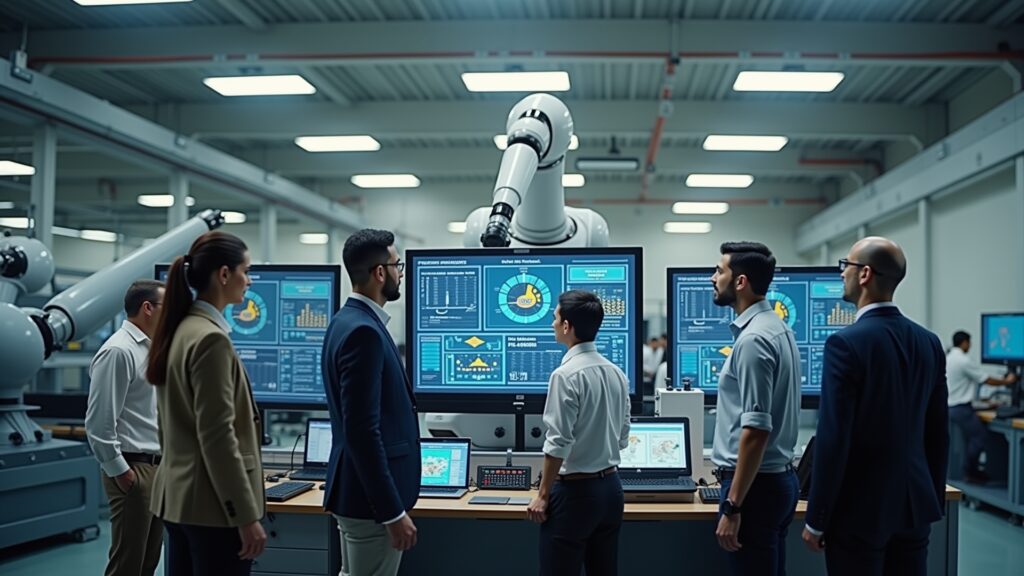
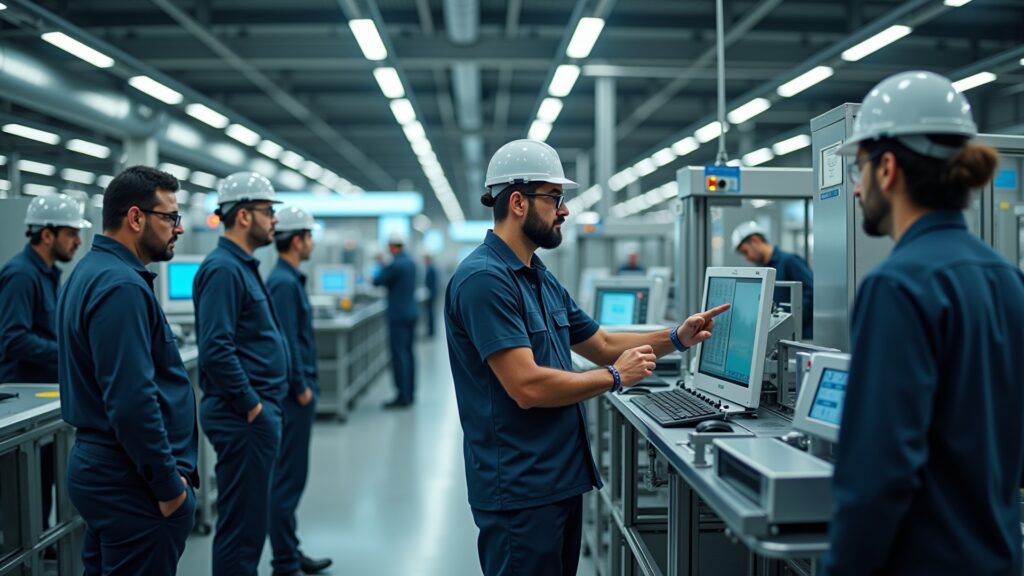
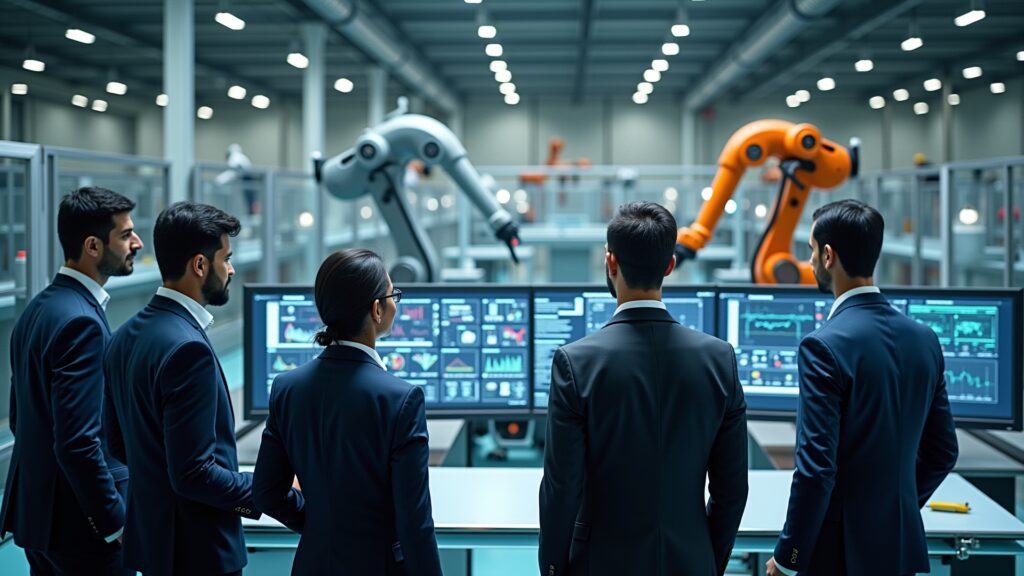
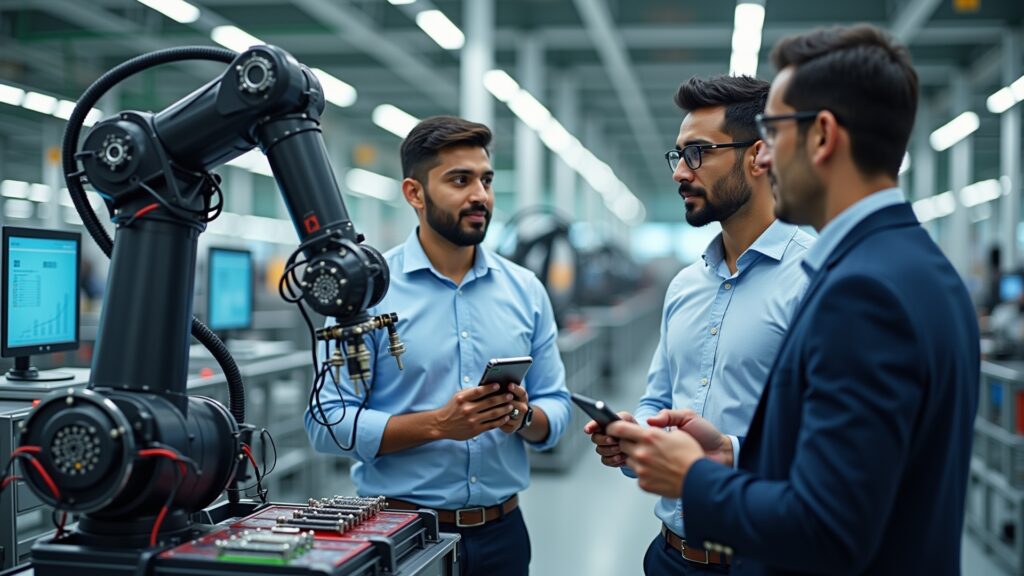
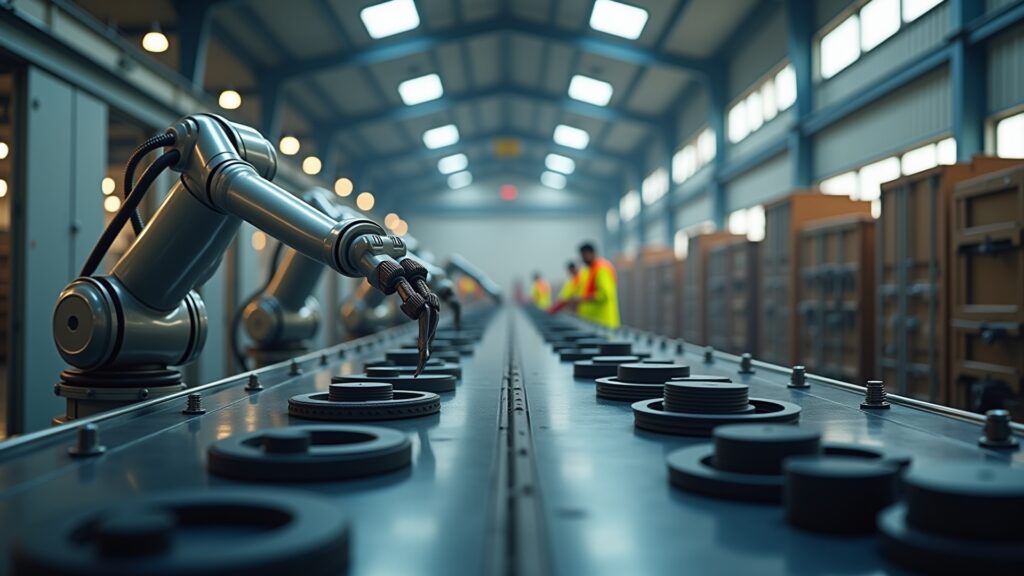
- Technological Imperative: Automation, robotics, and industrial AI adoption are critical to enhancing productivity and operational flexibility.
Deep Strategic Insights for Your Manufacturing Business
Rethinking your operational strategy means embracing advanced technologies and local supply networks simultaneously. Automation and AI not only elevate your plant’s efficiency and product quality but also reduce your reliance on vulnerable labor pools and imported components. This dual approach positions your business to better absorb global shocks and supports higher value-addition—key for competing in global markets.
“In manufacturing, scale matters — but resilience and precision are what create durable advantage.”
Furthermore, policy incentives like the PLI scheme offer you tangible benefits to expand scalable local capacities, reducing exposure to external geopolitical shocks. Aligning your factory’s growth plans with these policies amplifies your competitive positioning and maximizes investment returns.
Practical Takeaways for Manufacturing Leaders
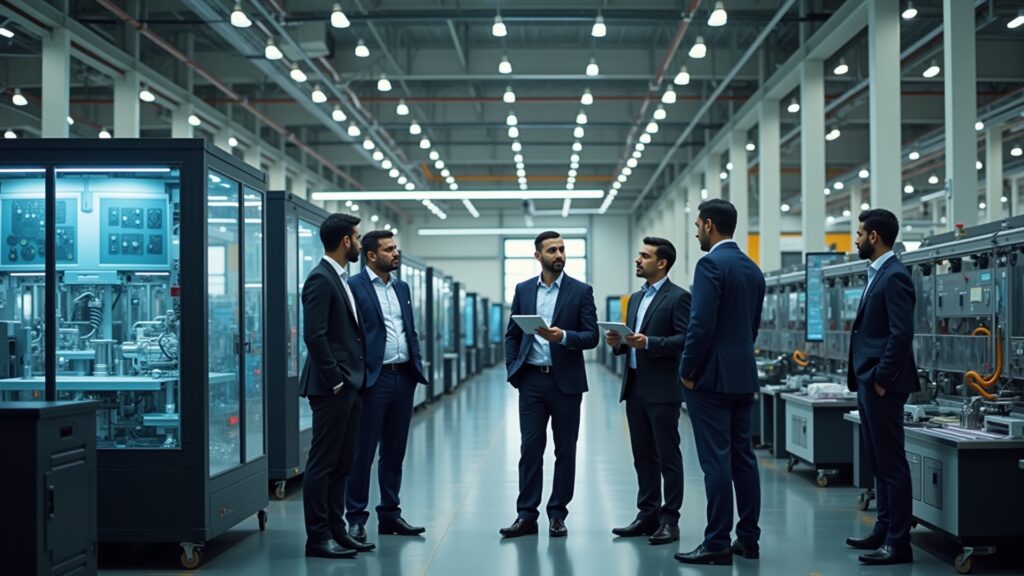
- Evaluate Supply Chains: Map and diversify your supplier base to include stable, proximate markets.
- Adopt Smart Factory Technologies: Prioritize investments in automation, robotics, and AI to boost productivity and operational agility.
- Leverage Policy Incentives: Align your expansion and localisation strategies with government industrial policies and incentives.
- Focus on Energy Alternatives: Explore sustainable and cost-effective energy sources to reduce dependency on fluctuating imports.
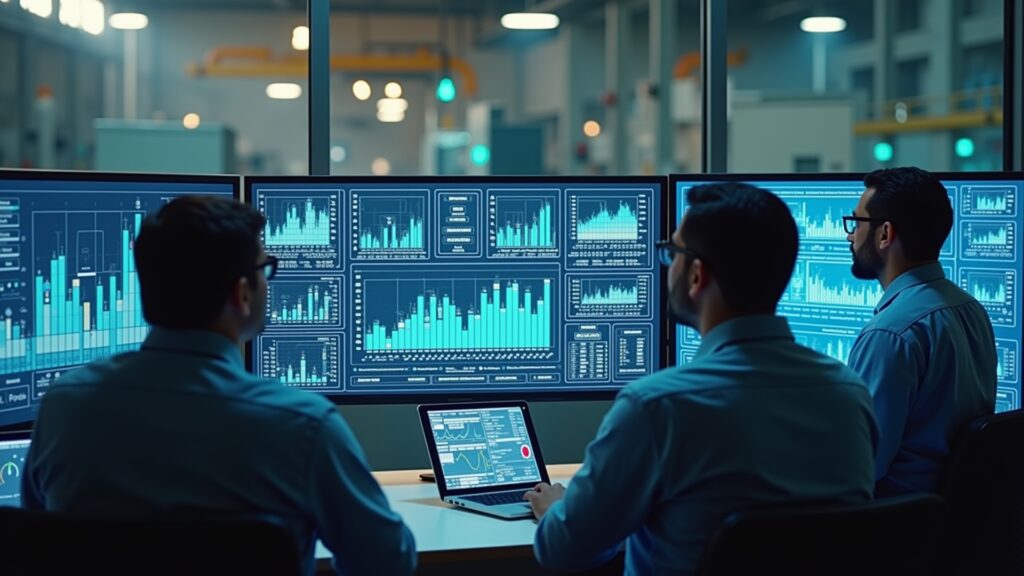
- Enhance Risk Management: Integrate digital tools for real-time supply chain visibility and predictive analytics.
Expert Perspective
“The real edge is not only in producing more, but in producing faster, smarter, and closer to where demand is shifting.”
“When automation, supply-chain discipline, and execution quality align, manufacturing growth becomes far more sustainable.”
Risks and Challenges Ahead
While pivoting inward offers clear advantages, it presents challenges too. Building local supplier ecosystems demands time, capital, and rigorous quality control. Rapid technology adoption requires skilled workforce development and change management. Policy shifts, though generally supportive, can create transitional uncertainties. Navigating these hurdles calls for strategic patience and decisive leadership.
What You Should Watch Next
- Government announcements on expanded or new manufacturing incentives and localization mandates.
- Technological advancements and adoption rates in automation and AI within the Indian manufacturing sector.
- Energy policy reforms and investments in renewable and indigenous energy sources.
- Supply chain realignments in response to global geopolitical shifts, particularly China+1 strategies.
Conclusion: Positioning Your Manufacturing Business for Resilience and Growth
The imperative of manufacturing resilience amid geopolitical risks is now a core strategic agenda for you. By strengthening inward focus—through technology adoption, localized supply chains, and leveraging policy support—you build a foundation that is not merely defensive but growth-oriented. This approach transforms geopolitical uncertainty into a catalyst for sustainable competitiveness, enabling India’s manufacturing sector to claim a stronger foothold on the global stage.
Embracing this inward strategic shift will help you future-proof your operations and seize emerging opportunities in a shifting world economy.