You stand at a pivotal juncture in the manufacturing landscape as India’s sports goods exports are projected to soar to $8 billion within the next decade, according to the latest NITI Aayog report. This forecast is far more than a market prediction — it is a strategic invitation for you to rethink your manufacturing operations, factory strategies, and supply chain models to capitalize on a rapidly expanding global opportunity.
Why This Matters to You
As a manufacturing leader, plant head, or industrial investor, this development signals a transformative phase for your business. With global markets increasingly demanding high-quality, innovative sports products, adapting to these evolving expectations is essential. You must position your factory not only to meet demand but to lead with advanced production capabilities and resilient supply chains. The $8 billion export target isn’t just a statistic — it represents your chance to scale up, innovate, and integrate globally, enhancing both your competitive edge and long-term profitability.
What Is Happening in India’s Sports Goods Sector
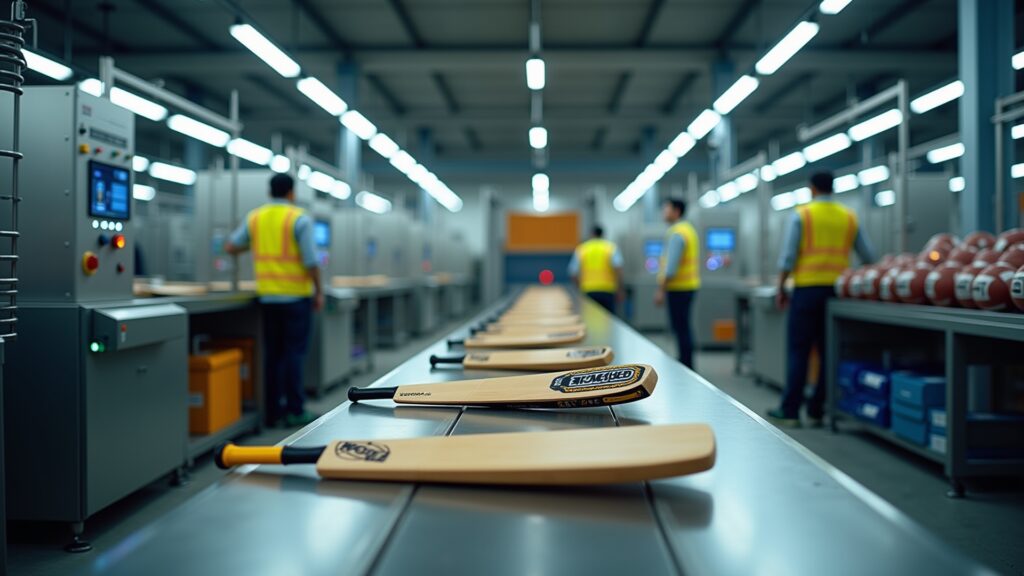
India’s sports goods manufacturing has traditionally been concentrated in hubs like Meerut and Jalandhar, known for skilled craftsmanship but limited by smaller scales and less technological integration than global competitors. The projected export growth underscores India’s latent potential, especially if the sector embraces:
- Capacity expansion to accommodate higher volumes
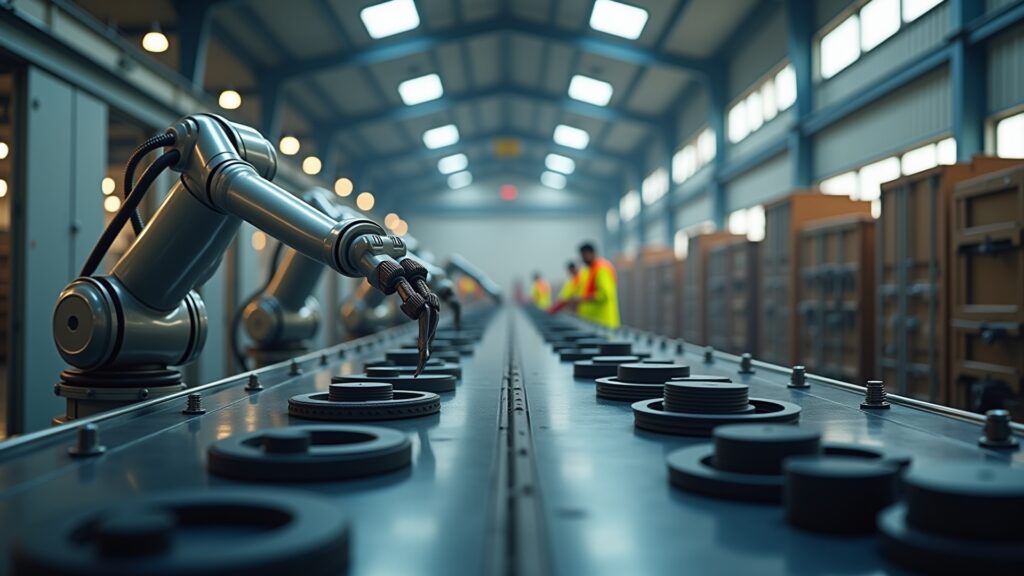
- Automation and smart factory technologies for enhanced precision and efficiency
- Upgraded manufacturing processes aligned with international quality standards
These elements are critical for meeting diverse global buyer requirements and accessing premium international markets.
Strategic Impact on Factory Operations and Industrial Scale-Up
To reach this ambitious export milestone, you must consider a strategic approach to capacity creation. This means revisiting your capital expenditure plans with a focus on expanding operational footprints in key regions, equipped with Industry 4.0 tools. It’s not just about scaling production volumes; it’s about building agility to swiftly adapt to product variations and compliance norms that differ across countries.
“In manufacturing, scale matters — but resilience and precision are what create durable advantage.”
Enhancing Supply Chain Integration and Resilience
Success in export-driven growth relies heavily on robust, agile supply chains. Leveraging real-time data analytics, automation in logistics, and predictive supply chain management will be vital in ensuring timely material flow and cost-efficient operations. Your supply chain must also prioritize quality controls and trusted sourcing, aligning closely with shifting geopolitical trade dynamics and the global emphasis on supply chain transparency and sustainability.
The Role of Policy and Investment as Growth Catalysts
The landscape for manufacturing growth in this sector is buoyed by government initiatives such as Production Linked Incentives (PLI), export facilitation schemes, and focused industrial infrastructure development. Aligning your business strategy with these policy measures can unlock essential capital and incentives, accelerating your ability to scale and innovate. Navigating these policy frameworks effectively will be central to maintaining a competitive position in the global sports goods market.
Strategic Insight for Manufacturing Leaders
This opportunity compels you to reassess your business model with an export-driven mindset. Investing in workforce upskilling to handle automated, digital production environments is no longer optional. Emphasis on smart factory adoption, digital transformation, and sustainable manufacturing practices will differentiate your enterprise. These strategies aim to future-proof operations in an increasingly competitive and environmentally conscious market.
“The real edge is not only in producing more, but in producing faster, smarter, and closer to where demand is shifting.”
Practical Takeaways for Your Manufacturing Business
- Evaluate your capital investment plans to scale up production capacity in key manufacturing hubs.
- Prioritize the integration of Industry 4.0 technologies to boost efficiency and product quality.
- Enhance your supply chain through real-time data use and automation to build resilience and cost competitiveness.
- Engage proactively with government incentive programs to leverage fiscal and infrastructural support.
- Focus on workforce development to align skills with advanced manufacturing demands.
- Commit to sustainable manufacturing to meet global market expectations and regulatory demands.
Risks and Challenges Ahead
Scaling rapidly to meet export targets is not without challenges. Potential risks include capital intensity restraining smaller manufacturers, the technological gap in automation adoption, and supply chain disruptions amid global trade uncertainties. Additionally, quality compliance and certification become critical as you target premium markets. You must navigate these hurdles with strategic planning, risk mitigation frameworks, and continuous innovation.
What You Should Watch Next
Keep a close eye on evolving government policies and incentive schemes tailored to manufacturing growth. Monitor technological advancements in industrial AI and robotics that can unlock new efficiencies. Stay alert to supply chain shifts influenced by geopolitics, such as the China+1 strategy, which could open fresh sourcing and production alignments. Lastly, track global market preferences to customize your export portfolio effectively.
Conclusion: Positioning Yourself for Leadership in India’s Sports Goods Export Growth
The projected growth of India sports goods exports to $8 billion presents a strategic growth inflection point you cannot afford to overlook. By embracing capacity expansion, adopting smart factory technologies, and building resilient, data-driven supply chains, you can secure a competitive, export-led business future. Aligning with policy incentives and investing in workforce skill development further strengthens your position to lead in this evolving global industry.
“When automation, supply-chain discipline, and execution quality align, manufacturing growth becomes far more sustainable.”
This is your moment to transform potential into performance, turning India’s growing export prominence into your manufacturing enterprise’s global success story.