You may be surprised to learn how sustainability can transform the manufacturing sector from an environmentally harmful industry into a leader in resource efficiency. By adopting innovative waste management strategies and utilizing renewable resources, manufacturers can generate economic value while minimizing their ecological footprint. This blog post will guide you through the vital practices and technologies that enable manufacturers to turn waste into valuable products, illustrating the profound benefits of a sustainable approach in modern manufacturing.
Understanding Sustainability in Manufacturing
To navigate the complexities of modern manufacturing, it is vital to grasp the concept of sustainability. It is not just a trend but a fundamental shift towards practices that minimize environmental impact, optimize resource use, and enhance social responsibility. By integrating sustainable methods, I can create a manufacturing process that supports ecological balance, ensuring a healthier planet for future generations.
Definition and Importance
Definition of sustainability in manufacturing refers to implementing processes and practices that reduce harmful environmental impacts while promoting economic viability and social equity. It is important as it fosters innovation, conserves resources, and can enhance a company’s brand image, ultimately leading to a competitive advantage in the marketplace.
Key Principles of Sustainable Practices
Around sustainability in manufacturing, the key principles revolve around reducing waste, maximizing efficiency, and enhancing resource conservation. By prioritizing sustainable sourcing, implementing energy-efficient technologies, and engaging in recycling initiatives, I can not only lower production costs but also contribute positively to the environment.
Understanding these principles allows me to transform manufacturing processes into efficient systems that support a circular economy. This means I focus on using materials that can be recycled or repurposed, ultimately leading to a significant decrease in raw material consumption. Additionally, I find that adopting energy-efficient practices results in lower operational costs and reduced carbon footprints, making my manufacturing processes both environmentally friendly and economically beneficial. By committing to these principles, I can foster a culture of sustainability that drives long-term profitability and environmental stewardship.
The Impact of Waste in Traditional Manufacturing
Assuming you’re familiar with traditional manufacturing processes, you likely understand that they generate vast amounts of waste. This waste often comprises not just scrap materials but also energy, water, and time, leading to unnecessary burdens on resources. As I see it, this wastage undermines efficiency and reduces the overall sustainability of the manufacturing sector, forcing companies to reconsider their approaches if they wish to remain competitive and responsible.
Environmental Consequences
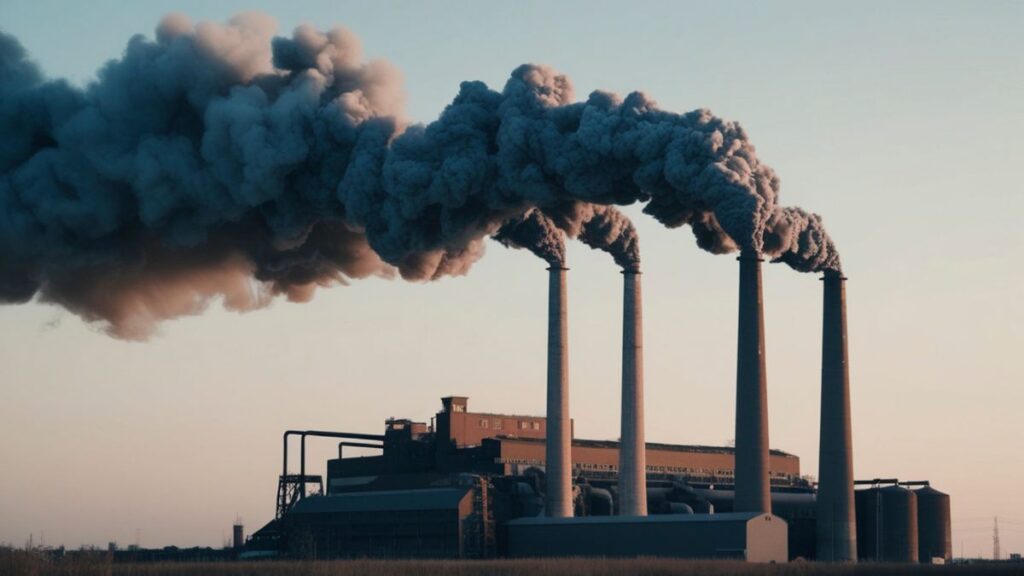
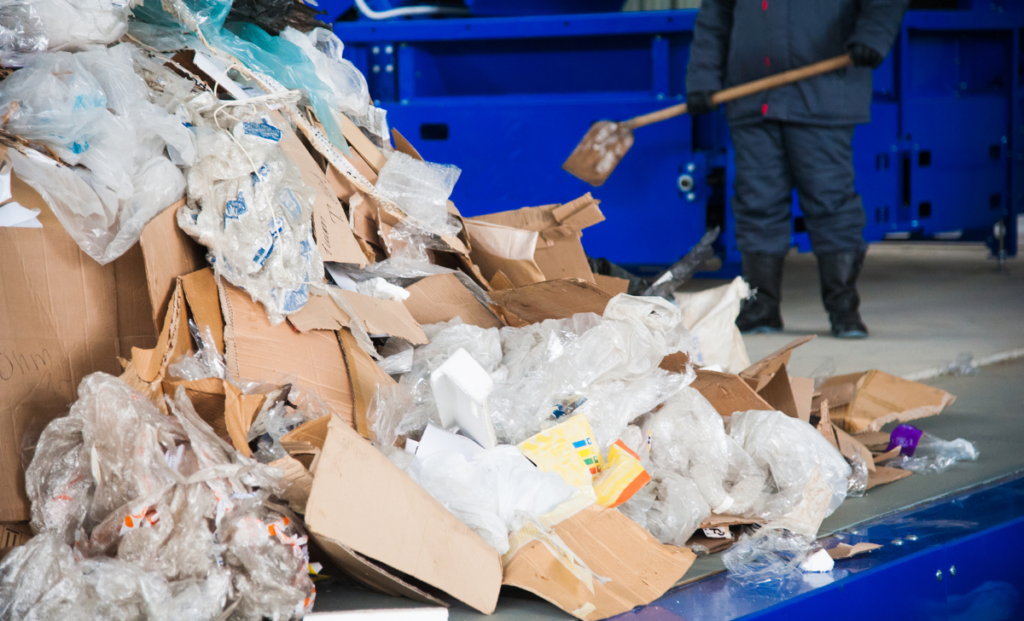
With each unit of waste produced, traditional manufacturing contributes significantly to environmental degradation. This waste often ends up in landfills, releasing harmful pollutants into the air, soil, and water systems. Moreover, the overuse of raw materials and energy not only depletes natural resources but also leads to increased carbon emissions, exacerbating climate change. It’s imperative that we acknowledge the environmental toll of our manufacturing practices to foster a more sustainable future.
Economic Implications
Along with environmental concerns, traditional manufacturing waste brings about significant economic implications. Each unit of waste represents lost capital and reduced profitability for manufacturers. Companies spend millions on raw materials that eventually become waste, impacting their bottom line and competitive edge. By shifting towards more sustainable practices, manufacturers can lessen waste, reduce operational costs, and ultimately, enhance their economic resiliency.
In addition, inefficient waste management can drive up costs significantly, burdening companies with higher disposal fees and liability costs. When you think about the expenses tied to wasted materials and resources, it’s clear that inefficiency can erode profit margins. Moreover, consumers today are more inclined to support brands that prioritize sustainability. By adopting a sustainable approach, you not only position your business favorably in the eyes of environmentally conscious consumers but also stand to gain long-term financial benefits. Embracing sustainability isn’t merely an ethical choice; it’s a smart economic strategy that can lead to increased revenue and market growth.
Innovations in Sustainable Manufacturing
There’s a remarkable shift in modern manufacturing as it embraces innovations that prioritize sustainability. From advanced technologies to optimized processes, these innovations help reduce environmental impact while enhancing efficiency. I’m excited to explore how these transformative approaches not only lead to more sustainable practices but also create opportunities for manufacturers to thrive in a competitive market.
Waste Reduction Techniques
One of the most effective strategies in sustainable manufacturing is implementing waste reduction techniques. By streamlining processes and utilizing lean manufacturing principles, I can help minimize waste generated during production. These approaches encourage a culture of continuous improvement, enabling you and your team to identify areas for waste elimination and, ultimately, enhance overall operational efficiency.
Eco-friendly Materials
After recognizing the importance of sustainability, I have turned my focus towards sourcing and using eco-friendly materials. These alternatives not only reduce the negative impact on the environment but also align with the values of conscious consumers who prioritize sustainability in their purchasing decisions.
In fact, utilizing eco-friendly materials can significantly contribute to a more sustainable future. By choosing renewable resources and biodegradable options, I’m able to lower the carbon footprint associated with production and packaging. This shift also fosters innovation in product development, opening doors to new opportunities while catering to a growing market demand for environmentally responsible goods. Adopting such materials not only benefits the planet but also enhances brand perception, leading to increased customer loyalty and business growth.
Case Studies: Successful Sustainability Initiatives
Keep discovering how companies are transforming their operations through sustainability. Some notable case studies include:
- Unilever – Reduced greenhouse gas emissions by 37% in manufacturing plants through energy-efficient technologies.
- Patagonia – Achieved 87% use of recycled materials in product lines, engaging customers in sustainable choices.
- Tesla – Implemented a 100% renewable energy target in their manufacturing processes.
- Ford – Diverted 80% of waste from landfills by recycling and reusing during production.
- Siemens – Reduced water consumption by 20% in factories through innovative water recycling systems.
Global Leaders in Sustainable Manufacturing
Sustainable manufacturing is becoming an industry standard, led by pioneers that prioritize environmental efforts. Companies like IKEA are aiming for 100% renewable energy across their supply chain by 2030, while Apple has already achieved 100% carbon neutrality in its global corporate operations. BMW is investing over $3 billion in sustainability initiatives, focusing on closed-loop manufacturing, proving that economic growth can align with ecological responsibility.
Lessons Learned from Implementation
After initiating sustainability practices, companies often uncover deeper insights about their operations. Many realize that integrating sustainable practices not only reduces waste but also enhances profit margins.
Leaders in sustainability highlight important findings during implementation. For instance, they discovered that investing in energy-efficient equipment leads to significant cost savings. Additionally, they faced some initial resistance from employees, but over time, engagement and morale improved as teams recognized the benefits of their contributions. Understanding the importance of stakeholder education can facilitate better collaboration and innovation. Adopting sustainability is a journey, requiring ongoing commitment and adaptability to navigate potential challenges.
The Role of Technology in Enhancing Sustainability
Once again, technology emerges as a transformative force in modern manufacturing, significantly improving sustainability practices. I believe that innovative solutions, such as data analytics and the Internet of Things (IoT), empower manufacturers to reduce waste, enhance energy efficiency, and optimize resources. With these advancements, your manufacturing processes can align more closely with sustainable development goals, fostering a greener future that benefits not only your business but the environment as well.
Automation and Smart Manufacturing
After exploring the potential of technology in manufacturing, I find that automation and smart manufacturing play critical roles in achieving sustainable outcomes. By embracing automated systems, you can streamline production, minimize human error, and reduce resource consumption, all while enhancing operational efficiency. This shift allows you to focus more on sustainable practices and less on inefficiencies.
Lifecycle Analysis and Circular Economy
An effective approach to sustainability is the integration of lifecycle analysis and the circular economy into your manufacturing strategy. These methodologies enable you to assess the environmental impact of your products throughout their life cycle, paving the way for innovative designs that prioritize resource efficiency and waste reduction.
Enhancing sustainability through lifecycle analysis means identifying improvement opportunities at every stage of a product’s life—from raw material extraction to end-of-life disposal. By integrating circular economy principles, you can design products that are not just consumed but reintegrated into the manufacturing system, resulting in decreased waste and a more sustainable resource flow. This approach offers significant benefits, such as cost savings from reduced material usage and a positive impact on your brand image, resonating with environmentally conscious consumers who value sustainability.
Challenges in Transitioning to Sustainable Practices
Now, as I explore the journey towards sustainability in manufacturing, it’s clear that businesses face numerous challenges. Transitioning to sustainable practices requires not only an overhaul of existing processes but also a commitment to change across the entire organization. These challenges can vary widely, but they often include financial barriers, resistance to change, and the complexities associated with new technologies and methods.
Financial Barriers
Along this path, I’ve observed that many companies encounter significant financial barriers. Investing in sustainable technologies and processes often requires substantial upfront capital, which can be daunting for manufacturers, especially small and medium-sized enterprises. Although the return on investment can be considerable in the long run, the initial costs might deter you from making these crucial improvements.
Resistance to Change
Alongside financial hurdles, I find that resistance to change can significantly impact the transition to sustainability. Employees and management alike may feel discomfort in altering established routines and processes, resulting in pushback against new initiatives. This resistance can stem from fear of the unknown or even a lack of understanding of sustainability’s benefits.
In addition, this resistance can create an environment where innovation is stifled and sustainable practices are undermined. The comfort of traditional manufacturing methods often outweighs the perceived benefits of adopting sustainable alternatives. Over time, this mindset can lead to missed opportunities for efficiency and cost savings. To combat this, it is crucial for leaders like you to foster a culture that embraces change, highlighting the long-term advantages of sustainability, and actively involving your team in the transition. By doing so, you can turn skepticism into enthusiasm, paving the way for a more sustainable future.
Final Words
With these considerations, I believe that embracing sustainability in modern manufacturing not only transforms waste into wealth but also fortifies your competitive edge. By adopting eco-friendly practices, you can enhance operational efficiency and cater to a growing consumer demand for responsible production. This approach not only benefits the environment but also contributes to long-term profitability. I encourage you to assess your manufacturing processes and implement sustainable strategies that promote both innovation and responsibility, paving the way for a more sustainable future.
Q: How does sustainable manufacturing contribute to waste reduction?
A: Sustainable manufacturing practices focus on minimizing waste throughout the production process. Companies implement measures such as efficient resource management, recycling materials, and using eco-friendly technologies. By optimizing manufacturing operations and adopting a circular economy approach, excess materials can be repurposed, reducing waste significantly. This not only lowers the environmental impact but also leads to cost savings for businesses, turning potential waste into valuable resources.
Q: What are some examples of sustainable materials used in modern manufacturing?
A: Modern manufacturing increasingly utilizes sustainable materials, including recycled plastics, biodegradable composites, and renewable resources like bamboo or hemp. These materials not only reduce reliance on non-renewable resources but also lower carbon footprints during production. For instance, using recycled aluminum not only diminishes the need for virgin materials but also requires significantly less energy to process, reflecting a shift towards environmentally responsible product development.
Q: How can companies measure the success of their sustainability initiatives in manufacturing?
A: Companies can measure the success of their sustainability initiatives through various metrics, such as reductions in energy consumption, waste generation, and greenhouse gas emissions. Implementing Life Cycle Assessments (LCAs) allows businesses to evaluate the environmental impact of their products from raw material extraction to disposal. Additionally, tracking key performance indicators (KPIs) related to resource efficiency and employee engagement in sustainability programs can provide valuable insights into overall performance and areas for improvement.