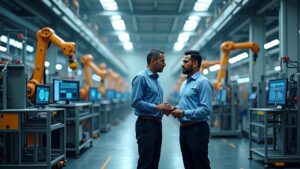
The ripple effects of the West Asia conflict extend far beyond immediate geopolitical concerns, reaching deep into India’s manufacturing landscape and supply chain frameworks. If you are a manufacturing leader, plant operator, or industrial policymaker, understanding how this ongoing conflict influences your operational and strategic environment is critical. It directly affects your cost structures, supply chain robustness, export positioning, and long-term growth prospects.
Why This Matters to You
You rely on a manufacturing ecosystem increasingly woven into global supply chains sensitive to geopolitical shifts. Disruptions mean more than just delayed shipments—they translate into amplified costs, resource shortages, and competitive risks. For your factory or industrial enterprise, the West Asia conflict is reshaping everything from energy costs to export markets, forcing a rethinking of sourcing, technology adoption, and policy engagement. Your ability to anticipate and adapt to these changes will determine your resilience and growth trajectory in the coming decade.
What Is Happening: The Conflict’s Immediate Impact
The instability arising from the conflict in West Asia has destabilized critical supply chains, especially those tied to energy and raw materials. India’s manufacturing sectors — chemicals, metals, heavy engineering, and transport equipment — face volatile crude oil and gas prices that escalate production costs. Logistical bottlenecks are increasingly common as global trade routes encounter disruptions and regulatory uncertainties. This scenario has exposed vulnerabilities in your sourcing strategies, particularly if you depend heavily on petrochemicals and intermediate goods from the region.
Key Business and Industrial Implications
- Supply Chain Vulnerabilities Intensified: The conflict highlights the risks of overreliance on specific geographies. You must confront the reality that single-source dependencies or limited diversification expose your operations to supply shocks.
- Energy Security Challenges: Energy expenses are a major cost driver in manufacturing overheads. Price volatility pressures your financial planning and underscores the need for enhanced energy efficiency and alternative energy solutions.
- Policy Accelerates Localization: Indian government initiatives such as Production Linked Incentive (PLI) schemes have gained urgency, aiming to promote domestic manufacturing capability and reduce overdependence on imports from volatile regions.
- Shifting Export Dynamics: Export markets and logistic corridors, especially towards the Middle East, require strategic reassessment to navigate changing trade patterns, sanctions, and market access risks.
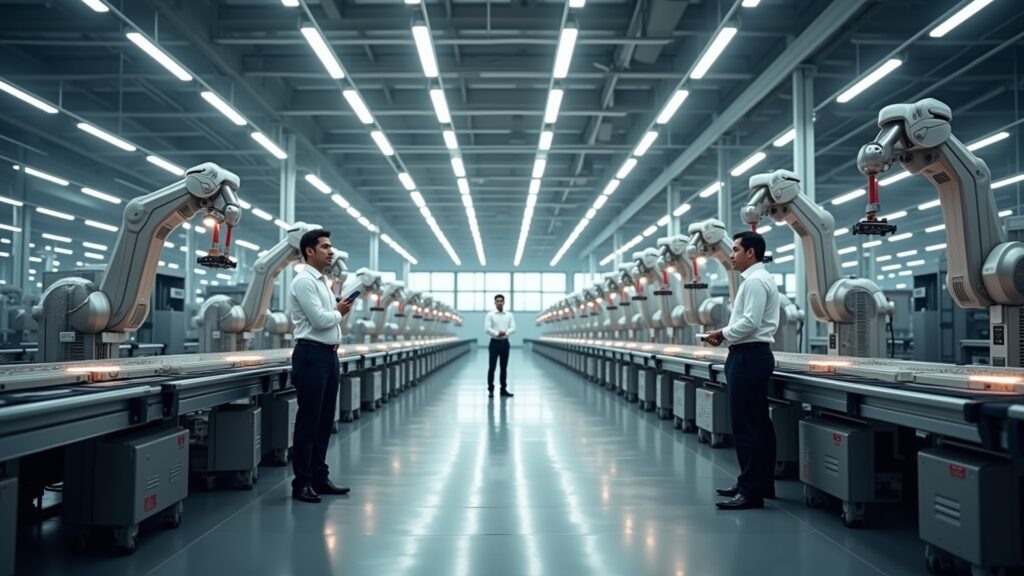
- Acceleration in Automation: To counter operational uncertainties and cost pressures, manufacturers are fast-tracking automation, AI-driven predictive maintenance, and digital supply chain tools.
Strategic Analysis: What This Means For Your Manufacturing Leadership
The West Asia conflict serves as a catalyst for adopting more resilient and future-ready industrial strategies. Your business must embed flexibility and foresight not just in supply chains but across energy sourcing, technological investments, and market diversification. The pressures you face today demand that strategic investments prioritize risk mitigation alongside growth. Localization efforts combined with digital and automation upgrades offer a dual pathway to improved cost control and operational agility.
“In manufacturing, scale matters — but resilience and precision are what create durable advantage.”
“The real edge is not only in producing more, but in producing faster, smarter, and closer to where demand is shifting.”
Practical Takeaways: What You Should Do Now
- Audit Your Supply Chain Dependencies: Identify critical suppliers and regions exposed to geopolitical risks and develop multi-sourcing strategies to mitigate disruptions.
- Invest in Energy Efficiency and Alternatives: Reevaluate your energy consumption patterns, pursue renewable integration, and implement energy-saving technologies to cushion against price volatility.
- Leverage Government Incentives: Align your expansion and production plans with PLI schemes and infrastructure programs that support localized manufacturing.
- Enhance Export Agility: Diversify markets beyond traditional West Asia corridors and refine export logistics to withstand trade route volatility.
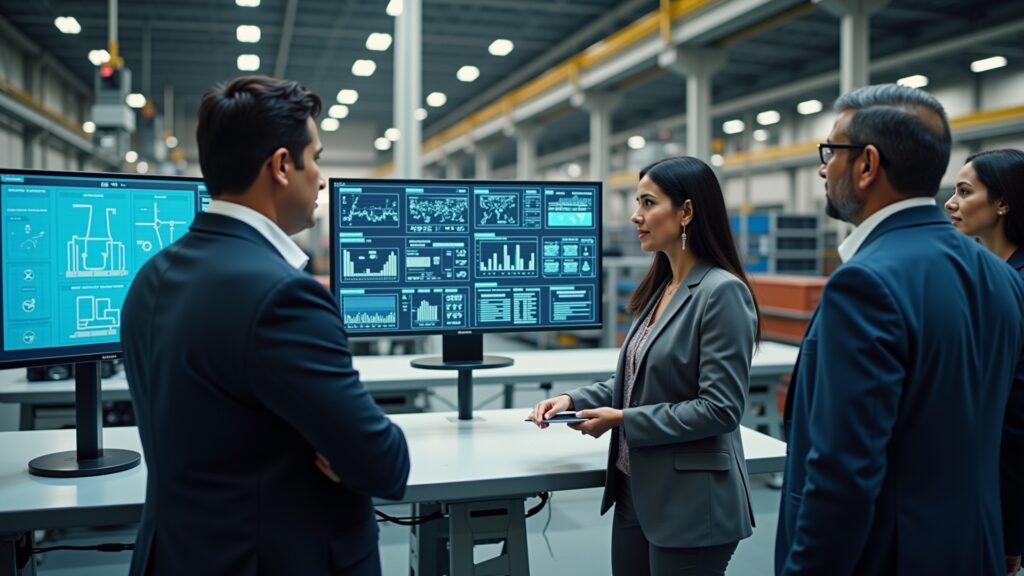
- Accelerate Digital Transformation: Deploy industrial AI, real-time supply chain monitoring, and automation to improve operational continuity and responsiveness.
Expert Perspective
From operations to strategy, embracing technological advancements and supply chain discipline is paramount: “When automation, supply-chain discipline, and execution quality align, manufacturing growth becomes far more sustainable.” For those leading India’s manufacturing renaissance, intelligence and agility will define who thrives in this shifting global industrial landscape.
Risks and Challenges Ahead
While strategic responses are underway, challenges remain. Geopolitical volatility could escalate unpredictably, sustaining cost pressures and supply insecurities. Overzealous localization without efficiency focus could raise costs. Technology investments carry integration risks amid tight budgets. Staying vigilant, continuously recalibrating your strategic posture, and engaging in industry-policy dialogues are crucial to navigating these complexities.
What You Should Watch Next
- Developments in West Asia’s geopolitical stability and their direct impact on commodity prices and logistics.
- Government policy updates related to manufacturing localization, energy, and export incentives.
- Advances in industrial automation and AI adoption metrics across the sector.
- Trade agreements affecting India’s access to Middle East and global markets.
Conclusion
The West Asia conflict impact on India manufacturing is not a distant headline but an immediate business reality reshaping your operational landscape and strategic imperatives. To safeguard growth and competitiveness, you must embrace supply chain agility, energy optimization, export diversification, and technology-driven operational excellence. Flooded by uncertainty, your best strategy lies in calculated resilience and innovation — positioning your manufacturing enterprise to not only navigate but also capitalize on the evolving global industrial order.