You might be surprised to discover how rapidly the supply chain and logistics landscape is evolving due to technological advancements and global challenges. As manufacturers increasingly embrace automation, artificial intelligence, and sustainable practices, your understanding of these trends will be critical for navigating the shifting market dynamics. With looming issues like disruptions in global trade and the need for resilience, it’s important to explore how these changes not only present risks but also offer significant opportunities for innovation and growth in the manufacturing sector.
Current Trends in Supply Chain & Logistics
For businesses navigating the complexities of supply chains, understanding the current trends is vital. Digital technology, sustainability, and global disruptions are reshaping logistics, compelling manufacturers to be more agile and innovative. Staying ahead of these trends enables you to enhance efficiency, reduce costs, and meet evolving customer expectations.
Digital Transformation
At the forefront of supply chain innovation is digital transformation, which is revolutionizing how I manage operations. Technologies such as artificial intelligence, big data analytics, and IoT offer unprecedented visibility and control over logistics. Embracing these advancements allows us to streamline processes, enhance decision-making, and ultimately improve customer satisfaction.
Sustainability Initiatives
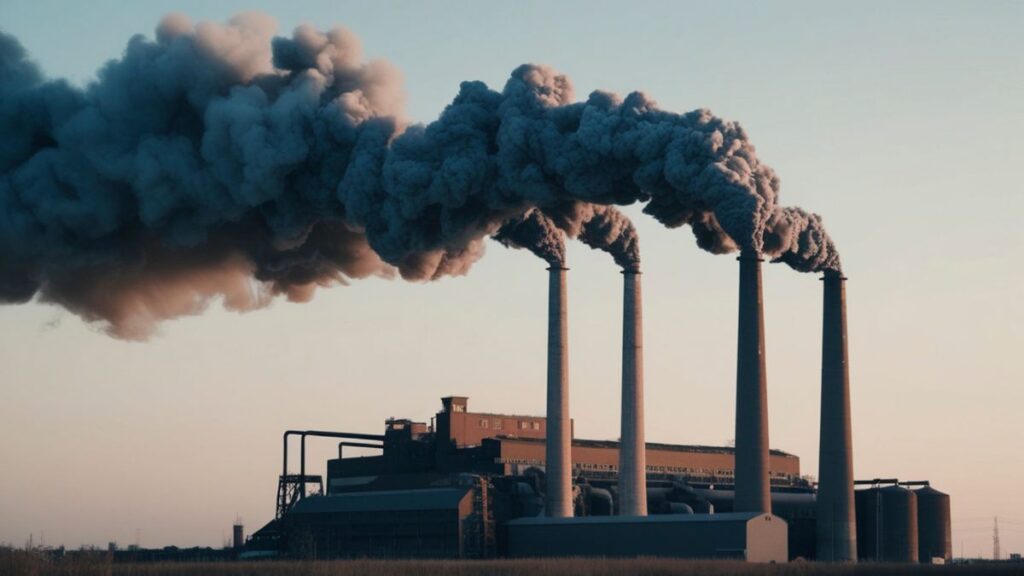
Any organization today must prioritize sustainability initiatives, as consumers increasingly favor eco-friendly practices. Implementing greener logistics not only elevates your brand image but also aligns with global efforts to combat climate change. Going green can help you cut costs and invest in a more sustainable future.
To implement effective sustainability initiatives, I focus on achieving reduced carbon footprints through initiatives such as optimizing transportation routes, utilizing renewable energy sources, and promoting efficient packaging. By adopting circular economy principles, I can also ensure that resources are reused and recycled, further minimizing waste. Engaging in these practices not only enhances your company’s image but also yields long-term cost savings and contributes positively to the environment, creating a win-win situation for both your business and the planet.
The Role of Technology in Manufacturing
Assuming we embrace the rapid advancements of technology, I can see how manufacturing is transforming. Innovative tools and systems are redefining efficiency and productivity, encouraging manufacturers to adapt to evolving markets. Embracing these technologies not only streamlines processes but also enhances collaboration among stakeholders within the supply chain, positioning manufacturers to better respond to consumer demands.
Automation and Robotics
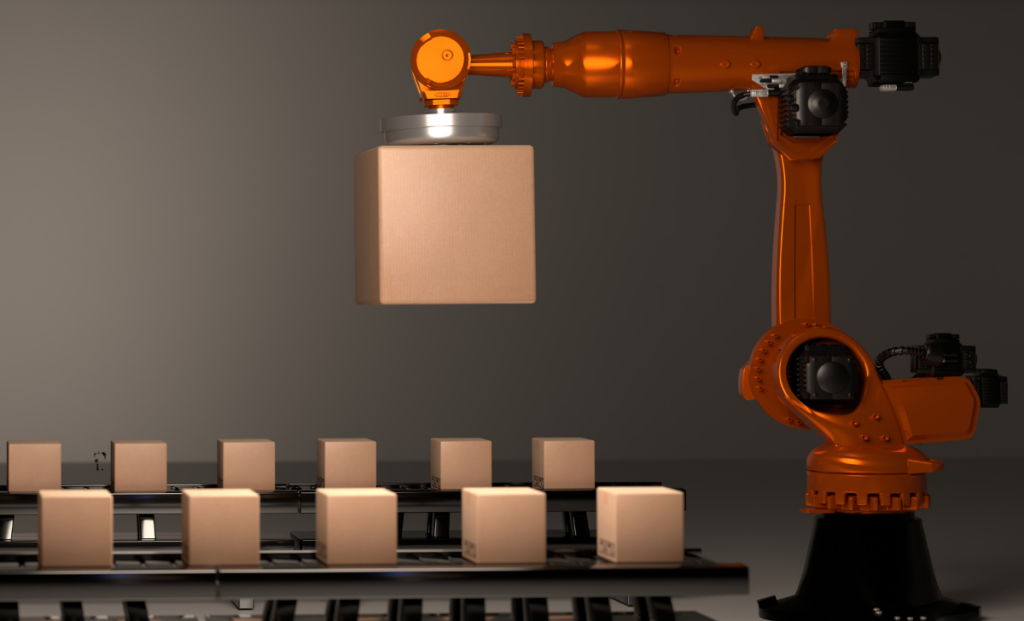
To elevate productivity and reduce operational costs, I believe that many manufacturers are increasingly integrating automation and robotics into their processes. These technologies allow for greater precision, minimization of human error, and more efficient resource management, fundamentally changing the landscape of how products are made and delivered.
Artificial Intelligence and Data Analytics
Data-driven decision-making is transforming how I approach manufacturing strategies. By leveraging artificial intelligence and data analytics, I can gain deeper insights into consumer behavior, inventory levels, and production performance, enabling more informed choices that enhance efficiency, reduce waste, and ultimately improve profitability.
Further exploring this, I find that artificial intelligence and data analytics empower manufacturers by unlocking predictive capabilities. This allows for better forecast accuracy and optimized supply chain management. By harnessing real-time data, I can identify trends and anomalies, enabling proactive responses to potential disruptions. Moreover, AI systems can recommend operational improvements based on historical performances, streamlining workflows and reducing costs. As such, the integration of AI and analytics provides extensive advantages that can significantly impact your manufacturing success.
Challenges Facing Supply Chains Today
Some of the most pressing challenges facing supply chains today stem from a confluence of factors, including increased consumer demand, geopolitical tensions, and evolving regulations. These elements have created a landscape marked by unpredictability and complexity, compelling manufacturers to rethink their strategies and operational practices to maintain efficiency and competitiveness.
Global Disruptions
Above all, global disruptions such as natural disasters, pandemics, and political instability have significantly impacted supply chains. These events can lead to unexpected delays and shortages, forcing organizations to adapt quickly or risk losing market share. As a result, it’s imperative to build resilience into your supply chain to navigate these challenges effectively.
Labor Shortages
Today, labor shortages represent a significant hurdle for supply chains worldwide, affecting everything from production to distribution. With fewer workers available, the pressure to retain and attract talent has intensified, leading to increased costs and potential delays in fulfillment.
Facing these labor shortages, I observe that companies are leveraging technology to streamline operations, thereby minimizing the need for a large workforce. Automation and AI integration can significantly reduce reliance on human labor, while offering enhanced efficiency. However, this also raises the need for skilled technicians capable of operating and maintaining these technologies. Investing in training will be vital for your organization to remain competitive amidst a shrinking talent pool. Additionally, you may want to explore flexible work arrangements to attract a broader range of candidates and foster employee satisfaction in this changing job market.
Strategies for Adapting to Change
Not adapting to the evolving landscape of supply chain and logistics can leave businesses vulnerable. To stay competitive, manufacturers must implement agile practices, embrace technology, and prioritize collaboration within their networks. By adopting these strategies, you can enhance resilience and ensure sustainable growth in your supply chain operations.
Agile Supply Chain Models
After evaluating various approaches, I found agile supply chain models particularly effective in today’s fast-paced environment. These models allow for quick responsiveness to market demands, inventory changes, and unforeseen disruptions, making them indispensable for manufacturers striving to maintain efficiency and customer satisfaction.
Collaborative Partnerships
The benefits of fostering collaborative partnerships cannot be overstated. As I navigate through the complexities of supply chains, I have discovered that building strong relationships with suppliers, logistics providers, and even competitors can lead to improved innovation, shared resources, and enhanced flexibility.
Considering the competitive nature of the market, establishing collaborative partnerships can drive significant advantages for your business. These alliances streamline operations, reduce costs, and foster an environment of innovation where ideas can flourish. When organizations come together to share knowledge and insights, the result is often enhanced performance and increased resilience against disruptions. By prioritizing collaboration, you position your supply chain as a network of support rather than a collection of isolated entities.
The Impact of E-Commerce on Supply Chains
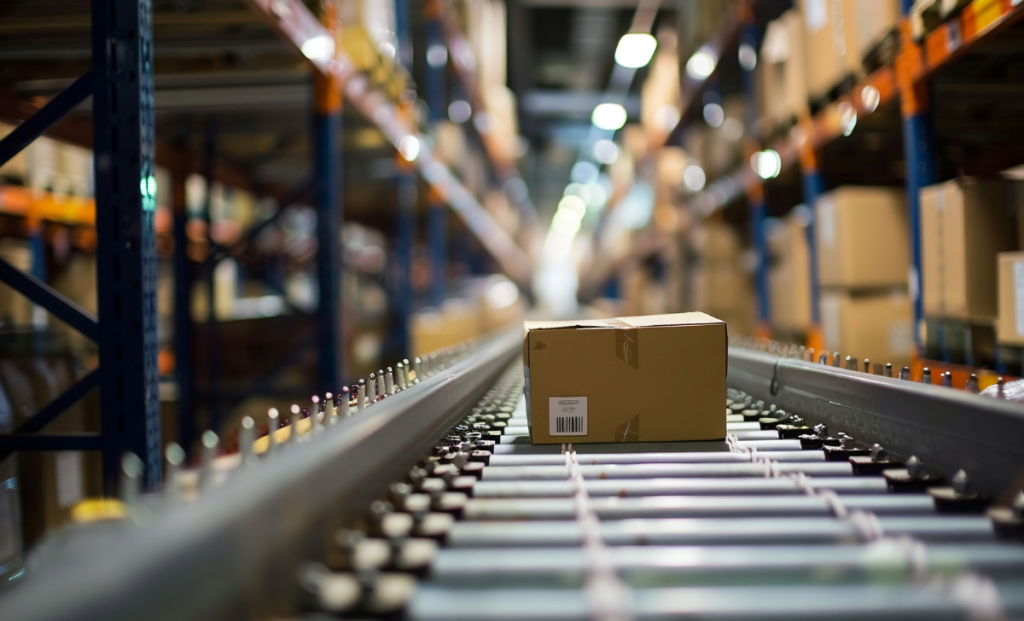
Many businesses are feeling the transformative effects of e-commerce on their supply chains. The rapid growth of online shopping has required companies to reassess and innovate their logistics strategies. As consumer demand for faster deliveries and more flexible return options rises, supply chains must adapt quickly to these changing landscape dynamics. Enabling seamless integration of various channels is now an imperative component of success in the modern marketplace.
Last-Mile Delivery Innovations
Between advances in technology and shifting consumer expectations, last-mile delivery has become a major focus for supply chains. Companies are exploring innovative solutions like drone delivery, autonomous vehicles, and crowd-sourced logistics to enhance efficiency and cut costs. These developments are helping businesses meet the demand for speed and reliability in connection to the final delivery phase.
Customer Expectations and Experiences
Around the world, customer expectations have evolved alongside the rise of e-commerce. Today, consumers anticipate faster delivery times, transparent tracking systems, and seamless return processes. Your experiences as a customer influence how businesses design their supply chains to enhance customer satisfaction and loyalty. Meeting these heightened expectations is not only a challenge but also an opportunity for companies to differentiate themselves in the market.
The increased focus on customer expectations stems from the rapid evolution of online shopping, where competition is fierce. Consumers expect not just fast delivery, but also exceptional service throughout the entire purchasing journey. This means that supply chains must be agile and responsive, leveraging technology to provide real-time tracking and keeping customers informed. Additionally, offering flexible return options can significantly improve customer satisfaction and encourage repeat business. Ultimately, your expectations drive businesses to continuously innovate, ensuring that they remain competitive and relevant in a fast-paced marketplace.
Future-Proofing the Supply Chain
Keep in mind that future-proofing your supply chain involves strategic planning and adaptation to evolving market dynamics. As global challenges continue to unfold, leveraging agile processes and robust systems will help ensure your operations remain efficient and resilient, safeguarding against unexpected disruptions.
Resilience Planning
Before submerging into specific strategies, it’s necessary to understand that resilience planning is about preparing for the unexpected. By evaluating vulnerabilities and creating contingency strategies, you can mitigate risks and maintain operational continuity, empowering your organization to quickly respond to challenges while focusing on long-term success.
Investment in Emerging Technologies
Emerging technologies are transforming the supply chain landscape. By investing in AI, IoT, and blockchain, you can enhance visibility, streamline processes, and improve decision-making capabilities. These innovations not only foster efficiency but also enable you to adapt swiftly to changing market conditions.
Resilience in supply chains demands a forward-looking approach. The integration of automation, predictive analytics, and advanced data analytics can significantly enhance your operational efficiency, allowing you to anticipate disruptions and adapt quickly. Investing in these technologies can lead to better resource allocation, improved customer service, and cost savings. By leveraging such advancements, you can build a supply chain that not only withstands challenges but also thrives in an uncertain business landscape.
To Wrap Up
From above, I see that the future of supply chain and logistics is shaped by innovative adaptations in manufacturing. As you navigate these changes, your ability to embrace technology, enhance sustainability, and optimize processes will define your success. By staying informed and agile, you can transform potential challenges into opportunities for growth, ensuring that your operations respond effectively to an ever-evolving market. Ultimately, the key lies in your willingness to adapt and reimagine how you engage with your supply chain and logistics.
FAQ
Q: What are the main trends shaping the future of supply chain and logistics in manufacturing?
A: Several key trends are significantly shaping the future of supply chain and logistics in the manufacturing sector. Firstly, the accelerated adoption of digital technologies, such as AI, IoT, and blockchain, is enhancing decision-making processes and improving transparency throughout supply chains. Secondly, there is a remarkable shift towards sustainable practices, as manufacturers aim to reduce their carbon footprint and implement efficient energy usage. Lastly, the rise of e-commerce and demand for faster delivery times are pushing manufacturers to optimize logistics networks, adopting strategies like just-in-time production and local sourcing to meet consumer expectations.
Q: How are manufacturers leveraging technology to adapt to changing supply chain dynamics?
A: Manufacturers are increasingly leveraging advanced technologies to adapt to the evolving landscape of supply chain logistics. Automation and robotics are being employed to streamline production processes, enhance operational efficiency, and minimize human error. Additionally, data analytics tools are providing actionable insights into inventory management, demand forecasting, and supply chain optimization. By utilizing machine learning algorithms, manufacturers can predict market trends and consumer behaviors, allowing for more informed decision-making and increased responsiveness to market changes.
Q: What role does sustainability play in the evolution of supply chains for manufacturers?
A: Sustainability is becoming a central theme in the evolution of supply chains for manufacturers. Many companies are prioritizing eco-friendly practices by integrating circular economy principles, which focus on reducing waste through recycling and reusing materials. Furthermore, manufacturers are exploring alternative materials and energy sources to minimize their environmental impact. By investing in sustainable logistics solutions, such as electric delivery vehicles and optimized transportation routes, manufacturers are not only reducing their carbon emissions but also appealing to environmentally conscious consumers, thereby gaining a competitive edge in the market.