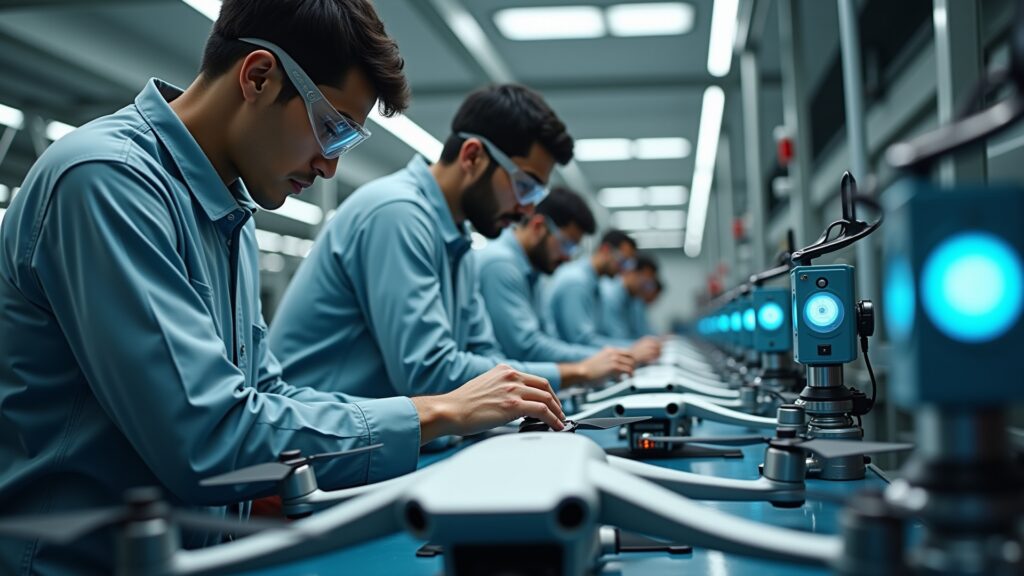
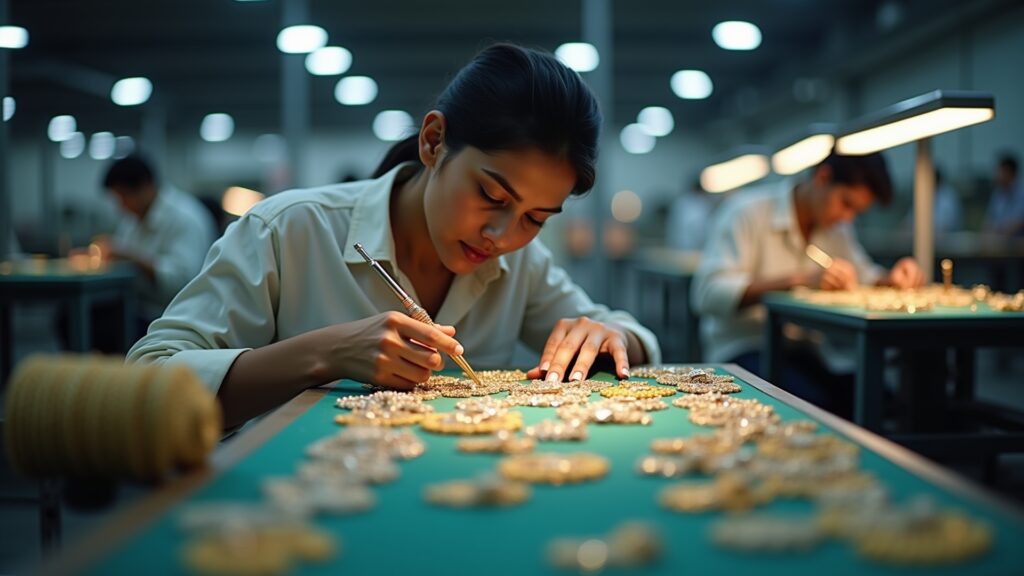
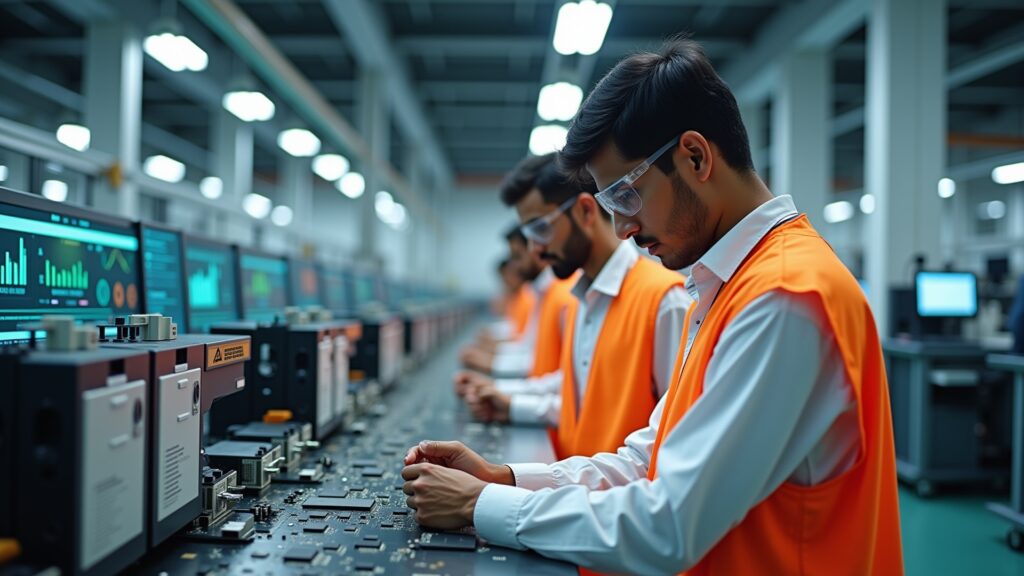
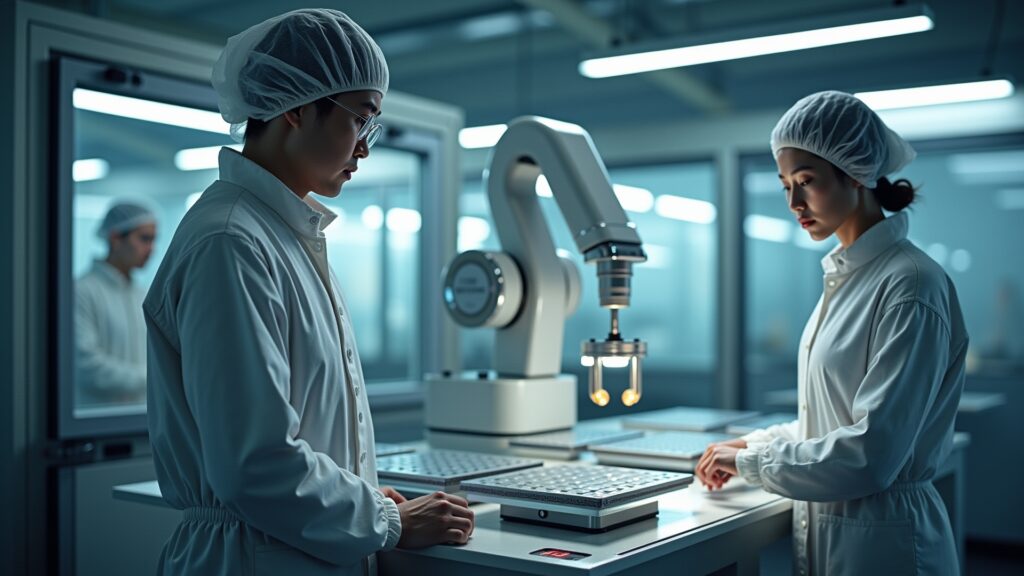
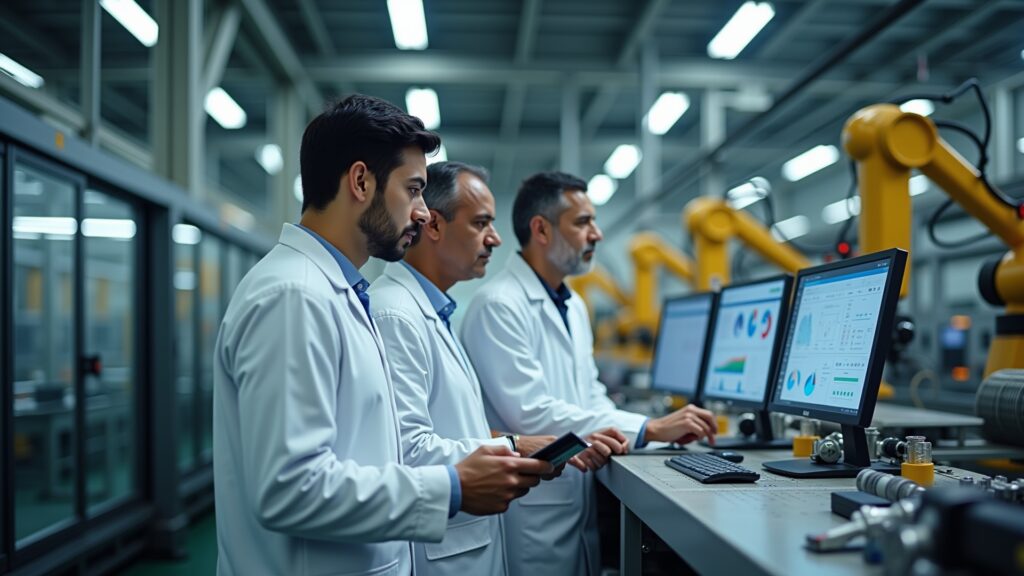
Your jewellery manufacturing enterprise, supply chain, or investment portfolio stands at a strategic crossroads where the delicate art of craftsmanship meets the demands of organised scale. SMR Jewels pioneers this intersection, creating a blueprint not just for India’s jewellery sector, but for the manufacturing industry at large. Understanding their approach is crucial to grasping how you can elevate productivity, global competitiveness, and supply chain resilience without compromising the heritage embedded in artisanal work.
Why This Matters to You
If you lead a manufacturing business, head operations, or influence industrial investment, you know that scaling craftsmanship while preserving its authenticity is a rare but coveted advantage. SMR Jewels’ integration of organised manufacturing processes with traditional jewellery-making precision represents a breakthrough in overcoming perennial industry bottlenecks such as quality consistency, timely delivery, and supply chain complexity. This model is your pathway to capitalising on growing global demand amid intensifying competition and leveraging emerging government policies geared toward local value-addition and export promotion.
The Convergence of Craftsmanship and Organised Manufacturing at SMR Jewels
SMR Jewels has architected a unique business model that harmonises handcrafted artistry with industrial manufacturing precision. By doing so, they have achieved a dual objective: maintaining the intricate detailing and finesse that handcrafted jewellery commands, while simultaneously enabling increased throughput through streamlined, standardised processes. This amalgamation allows them to satisfy large, discerning quality-sensitive orders and expand their export footprint effectively.
Their operations optimize supply chain coordination—ensuring raw materials, skilled artisans, and factory workflows align seamlessly. Quality control systems have been enhanced by adopting technology-assisted inspections, all while respecting artisanal nuances. The result? Products that remain culturally authentic but meet global standards consistently and on schedule.
Strategic Implications for the Manufacturing Ecosystem
SMR Jewels’ approach illustrates how traditional skills can be interwoven with industrial methods to forge products that stand out on the world stage without sacrificing operational agility. This strategy holds essential lessons for sectors where artisanal value is a market differentiator but industrial scale and predictability are non-negotiable for sustained global competitiveness.
Furthermore, this model dovetails with India’s broader manufacturing policy initiatives like Production-Linked Incentive (PLI) schemes and export facilitation programs. Integrating local craftsmanship with organised manufacturing processes enhances supply chain trust, reduces dependency on imports, and boosts the domestic value-addition quotient—all critical metrics for India’s manufacturing ascendancy.
Leadership and Workforce Transformation Insights
Transitioning artisans into roles within structured factory environments requires more than investment in technology; it demands visionary leadership committed to upskilling and culture integration. SMR Jewels exemplifies this by fostering an environment where artisanal expertise is respected and enhanced through formal quality assurance and disciplined operational execution.
Manufacturing leaders can draw from this that workforce strategies should focus equally on skill enrichment and preserving craft heritage, supported by digital tools and process automation where appropriate. This balance cultivates a workforce that is both highly skilled and adaptable, essential for growing production capacity without compromising craftsmanship quality.
Practical Takeaways for Manufacturing Leaders and Investors
- Understand that combining artisanal precision with organised manufacturing can expand your market reach without diluting product uniqueness.
- Monitor advancements in quality control technologies that complement handcrafted processes—these can be critical for maintaining standards at scale.
- Focus on workforce development programs that embed craftsmanship knowledge within factory discipline and technological literacy.
- Align your factory expansion strategies with government policies encouraging localisation, export incentives, and skill development schemes.
- Prioritise supply chain synchronization to ensure raw material reliability and timely delivery, mitigating risks from global supply disruptions.
“The real edge is not only in producing more, but in producing faster, smarter, and closer to where demand is shifting.”
“In manufacturing, scale matters — but resilience and precision are what create durable advantage.”
“When automation, supply-chain discipline, and execution quality align, manufacturing growth becomes far more sustainable.”
Risks and Challenges on the Path Ahead
While SMR Jewels’ model is promising, the path to broader adoption is not without hurdles. Scaling artisan involvement in factory settings risks diluting the craftsmanship that differentiates products unless carefully managed. There is also the challenge of integrating newer technologies without alienating traditional artisans. Leadership must navigate these dynamics with sensitivity, ensuring neither operational discipline nor artisanal heritage is compromised.
Additionally, market fluctuations and global trade uncertainties require robust risk mitigation strategies. Maintaining supply chain flexibility and continuously innovating product designs tailored to international tastes will be imperative.
What You Should Watch Next
Keep an eye on how Indian jewellery manufacturers adopt smart factory technologies to further streamline craftsmanship and organised production synergy. Also, monitor government regulatory adjustments and incentive schemes as India positions itself as a global jewellery manufacturing hub. Watch for emerging partnerships between artisanal communities and organised manufacturers, as these alliances will shape the sector’s growth trajectory.
Conclusion: Embedding Heritage into Scalable Manufacturing Excellence
SMR Jewels is reshaping the jewellery manufacturing landscape by proving that craftsmanship and organised manufacturing processes are not mutually exclusive but are complementary forces. This strategic synergy is your cue as a manufacturing leader or investor to rethink your growth strategies, workforce development, and product innovation pipelines. Integrating artisanal expertise within scalable, technology-enabled factories can unlock sustainable growth and global competitiveness. By mirroring this model, you harness the best of India’s manufacturing potential, bridging tradition with industrial excellence to secure your place in tomorrow’s competitive markets.
Focus on SMR Jewels organised jewellery manufacturing is not just about jewellery; it’s about redefining what manufacturing success looks like in a rapidly evolving global economy.