As a manufacturing leader or an industrial investor, you recognize the critical intersection of advanced technology and sustainability as key pillars shaping the future of manufacturing worldwide. Shyam Metalics, a leading Indian industrial enterprise, exemplifies this blend, offering a model of how India’s manufacturing sector is rising to meet global standards while championing sustainable growth. Understanding how they navigate this evolving landscape offers you valuable insights into how your factory, supply chain, or investment portfolio can align with emerging market and policy trends, securing competitiveness in a shifting global industrial ecosystem.
Why This Should Matter to Your Business
India’s manufacturing evolution is not merely about capacity expansion; it’s about the quality, efficiency, and sustainability of production processes. Shyam Metalics’ trajectory signals an important shift—a move towards advanced manufacturing integrated tightly with environmental responsibility. For you, whether steering a factory, managing supply chains, or evaluating industrial investments, this shift influences several critical dimensions:
- Operational Excellence & Cost Management: The adoption of cutting-edge manufacturing tech at Shyam Metalics demonstrates how efficiency and sustainability can coexist, reducing waste and energy consumption without compromising output or quality.
- Global Market Access: Environmental compliance and high manufacturing standards increasingly form entry barriers in global trade. Aligning with such models equips your business to meet stringent export criteria and investor expectations.
- Supply Chain Resilience: Embedding sustainability alongside advanced production bolsters supply chain trust and reliability, essential for sectors like automotive and heavy industrial goods where performance and compliance are non-negotiable.
The Transformative Journey of Shyam Metalics
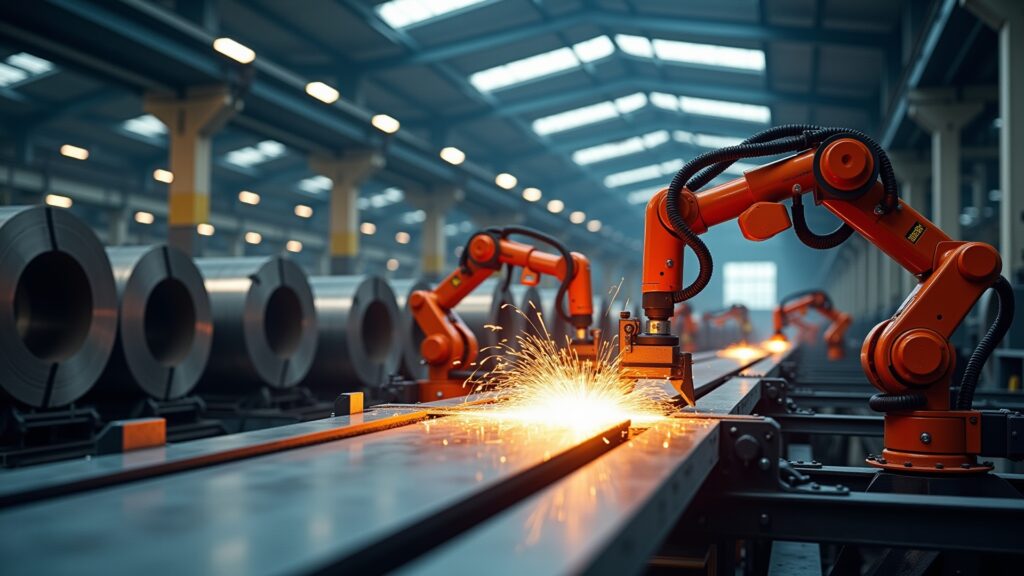
Shyam Metalics has strategically invested in technology upgrades and sustainable manufacturing practices. They embody India’s industrial ambitions by localising value addition and implementing smart factory solutions, which include automation and AI-driven workflows. This approach enables higher precision, better resource management, and reduced emissions – factors that resonate deeply within export-oriented and environment-conscious markets.
Moreover, their alignment with global standards—covering emissions controls, energy efficiency, and resource utilization—reflects an intelligent adaptation to both environmental regulations and market demand for greener industrial goods. This dual focus is essential for climbing the value chain and carving out a durable global footprint.
Implications for Your Manufacturing Strategy and Policy Engagement
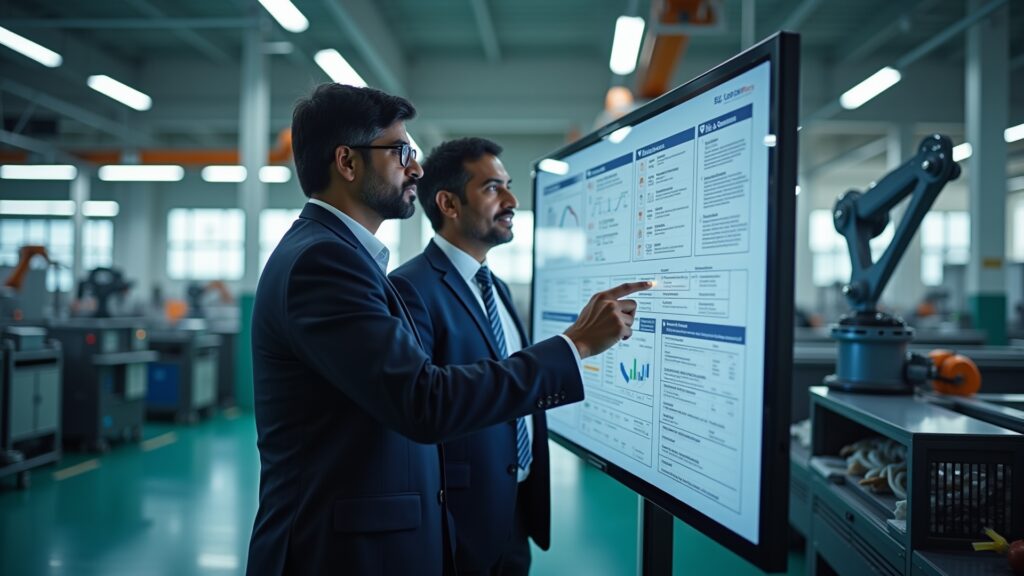
Shyam Metalics’ progress underscores the impact of enabling industrial policies like production-linked incentives (PLI). Such frameworks not only incentivize capital expenditure but also accelerate adoption of automation and sustainable technologies, reducing the traditional barriers to industrial modernization.
For manufacturers and investors, this highlights two critical takeaways:
- Capitalize on Policy Support: Leverage government programs aimed at encouraging sustainable manufacturing and capacity expansion to modernize your operations.
- Invest in Automation and Sustainability: Prioritize technological upgrades that enhance productivity while meeting environmental benchmarks, a dual investment with both operational and market returns.
Enhancing Your Supply Chain Resilience and Export Potential
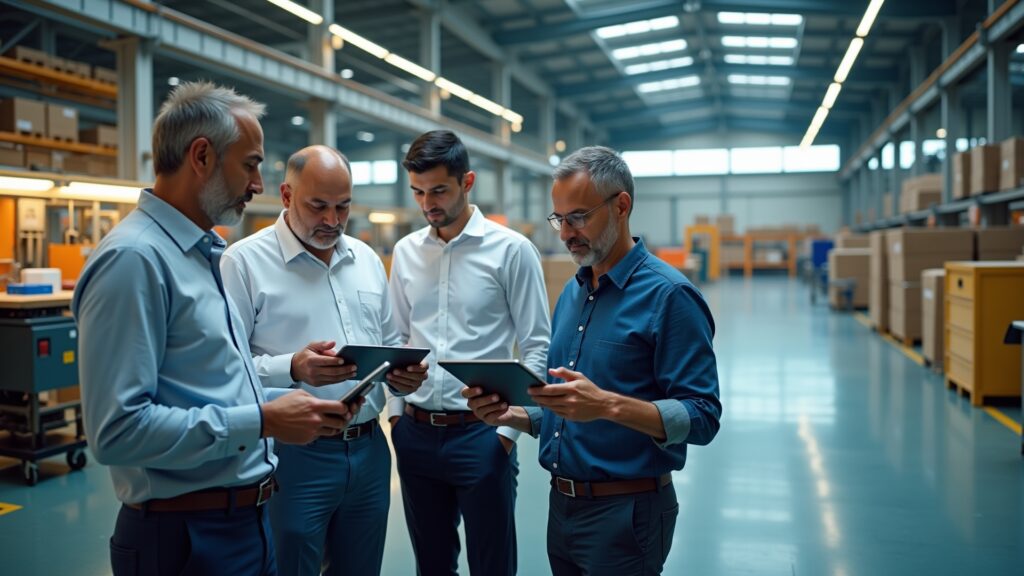
Advanced manufacturing, as demonstrated by Shyam Metalics, is not just about efficient production—it’s also about building supply chains that can reliably deliver quality products compliant with international standards. This resilience is critical for exporters facing global competition and evolving customer expectations. India’s industrial firms adopting similar practices are better positioned to serve automotive, heavy machinery, and industrial goods markets with enhanced credibility and competitiveness.
“In manufacturing, scale matters — but resilience and precision are what create durable advantage.”
Strategic Outlook: Your Roadmap to Sustainable Industrial Growth
Looking ahead, India’s manufacturing growth is contingent on your ability to integrate technology with environmental and social governance. Shyam Metalics offers a roadmap where advanced manufacturing technologies intersect with sustainability goals, creating models that are scalable, replicable, and aligned with international trade dynamics.
For you, this means anticipating and investing in automation, smart factory capabilities, and energy-efficient processes while ensuring compliance with global sustainability standards. The payoff includes reduced operational risks, enhanced export prospects, and a stronger foothold in the global industrial marketplace.
“The real edge is not only in producing more, but in producing faster, smarter, and closer to where demand is shifting.”
Practical Takeaways: What You Should Act On Now
- Evaluate your current manufacturing processes for opportunities to integrate automation and industrial AI innovations.
- Audit environmental impact and resource efficiency benchmarks to ensure alignment with global sustainability standards.
- Explore government incentives and policy programs like PLI that can accelerate technology adoption and capacity expansion.
- Engage supply chain partners who prioritize sustainability and compliance, strengthening your end-to-end operational resilience.
- Monitor global market trends and customer expectations around green manufacturing to shape your export and investment strategies.
Risks and Considerations
Despite the progress, integrating advanced manufacturing with sustainability is complex. Challenges include upfront capital investment, workforce skill development, and navigating evolving regulatory landscapes. Missteps can lead to inefficiencies or missed time-to-market advantages. It is critical to plan investments with a clear view on both technology ROI and environmental impact metrics.
What You Should Watch Next
Keep track of policy shifts around production-linked incentives and clean energy mandates that may impact manufacturing cost structures and compliance. Also, monitor technology advancements in industrial AI and automation tailored to steel and heavy industrial sectors. These dynamics will shape how India’s manufacturers maintain global competitiveness and meet sustainability goals concurrently.
Conclusion: Shyam Metalics as a Benchmark for Your Advanced Manufacturing and Sustainability Strategy
Shyam Metalics exemplifies how Indian manufacturing can harmonize advanced production technologies with rigorous sustainability practices, carving a path for export-driven growth and global industrial leadership. For your manufacturing business or investment strategy, their model emphasizes that sustainable growth and technological advancement are not mutually exclusive but mutually reinforcing.
Adopting this balanced approach will enable you to build resilient operations, meet evolving market demands, and position your enterprise at the forefront of the next phase of India’s industrial transformation.
“When automation, supply-chain discipline, and execution quality align, manufacturing growth becomes far more sustainable.”