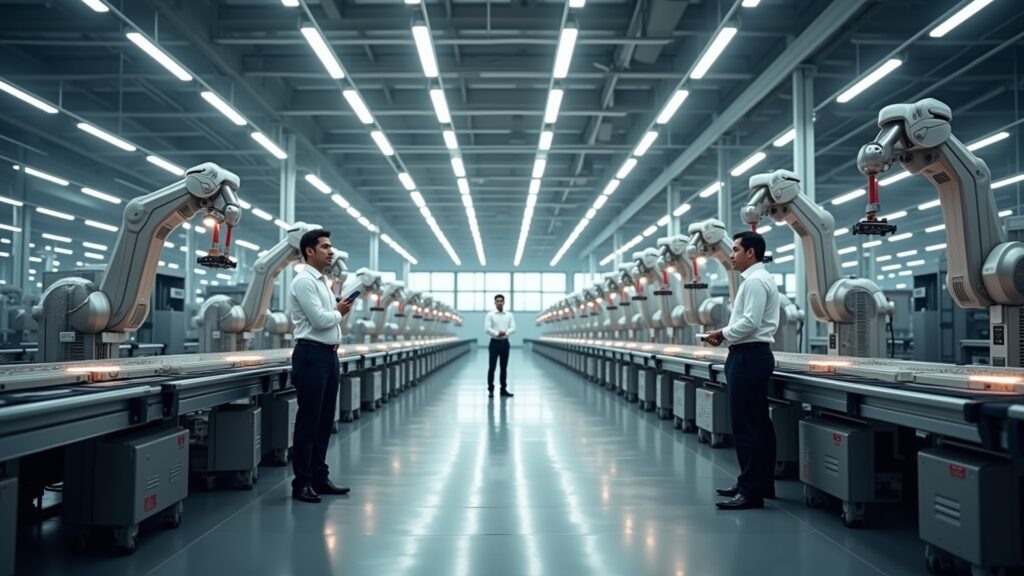
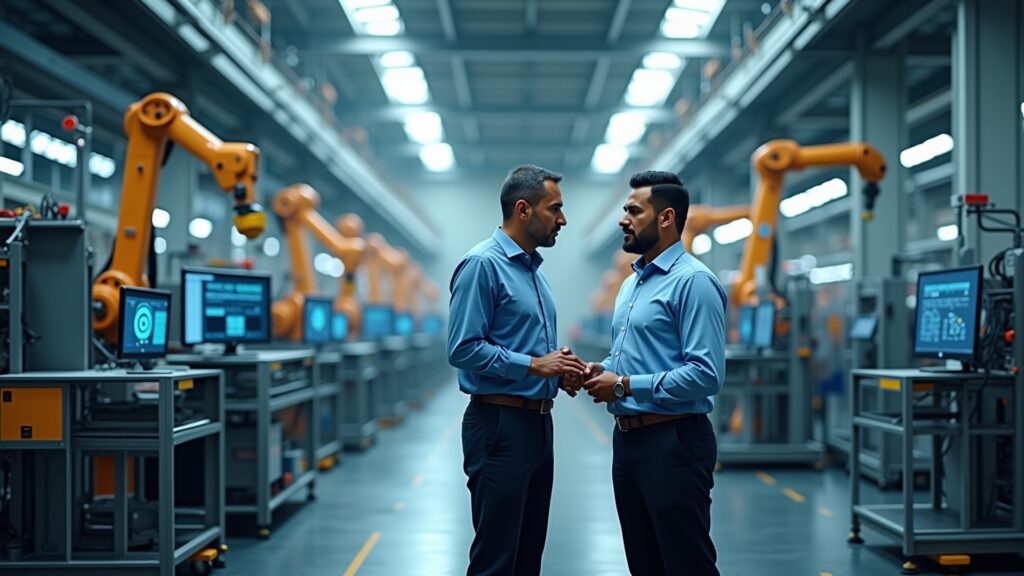
The informal manufacturing sector in India remains a cornerstone of your country’s industrial landscape, yet recent analyses reveal a concerning stagnation in employment levels, which have not rebounded to figures seen in 2015-16. As a leader or stakeholder in manufacturing, this trend directly impacts your business’s growth potential, operational strategy, and ability to capitalize on India’s evolving global manufacturing ambitions.
Why This Development Matters to You
Understanding the shifts in informal manufacturing employment is crucial because this segment supports a substantial workforce often outside the formal regulatory ambit. For your factory or manufacturing business, this means potential vulnerabilities in your supplier networks, workforce availability, and productivity benchmarks. For investors and supply chain strategists, recognizing the undercurrents in informal sector employment informs smarter risk management and unlocks avenues for targeted interventions that drive inclusion and efficiency.
What Is Happening in Informal Manufacturing Employment?
The informal manufacturing sector, which contributes significantly to India’s industrial output and employment, has not yet recovered job levels from 2015-16 according to recent surveys. This signals structural challenges rather than a temporary dip. Informal manufacturers often operate with limited access to formal credit, technology upgrades, and skill development initiatives, hindering their ability to scale or modernize.
Key Business and Industrial Impacts
For manufacturing executives and plant leaders like you, these employment trends suggest that informal players are struggling to cope with essential industry transformations such as automation, digitization, and integrated supply chain frameworks. This gap can restrict inclusive industrial growth and slow down the productivity gains needed for India to assert itself as a global manufacturing hub.
Supply chain resilience feels the strain as below-par employment constrains capacity creation within informal units, limiting your ability to diversify sourcing and reinforce local supplier partnerships. Similarly, the export competitiveness of your business may be affected if these foundational suppliers cannot scale or meet international quality and delivery standards.
Strategic Insights: What This Means for Your Manufacturing Strategy
The stagnation calls for a measured rethink of how informal manufacturers integrate into broader industrial ecosystems. You must evaluate your supply chain through a strategic lens that balances automation adoption with workforce development—ensuring your partners in the informal sector receive support for skill enhancement, technology access, and formalization incentives.
Embedding workforce-centric strategies within your industrial transformation is paramount. Balancing automation with meaningful reskilling initiatives enables you to sustain business agility while fostering job creation. This approach will not only shield your operations against supply-side shocks but also contribute to a more resilient, competitive manufacturing ecosystem.
Practical Takeaways You Can Implement Now
- Monitor informal sector employment trends: Regularly scan labor market surveys and industrial reports to gauge the health of your informal supplier base.
- Invest in capacity-building partnerships: Engage with informal manufacturers to drive skill upgrades and technology enhancements that elevate their productivity.
- Prioritize supplier formalization: Align your procurement policies to incentivize formal registration and compliance, paving the way for better integration and quality assurance.
- Leverage policy incentives: Stay informed and utilize government schemes targeting informal sector modernization and workforce development.
- Balance automation with human capital development: Incorporate reskilling frameworks in your automation roadmap to maintain workforce participation alongside productivity gains.
“In manufacturing, scale matters — but resilience and precision are what create durable advantage.”
“When automation, supply-chain discipline, and execution quality align, manufacturing growth becomes far more sustainable.”
Risks and Challenges to Consider
Ignoring informal manufacturing employment dynamics risks undermining your competitive positioning. Workforce stagnation in this segment could translate into chronic supply constraints, quality inconsistencies, and operational disruptions. The challenge is compounded by the difficulty in formalizing a workforce that often remains hidden from official statistics and policy frameworks.
Additionally, without concerted efforts to upgrade informal units, you’ll face barriers in achieving sustainable productivity gains and meeting evolving global standards, which are critical to exporting success and localization strategies.
What You Should Watch Next
Keep an eye on emerging government policies aimed at informal sector integration, technological diffusion, and skill development. Technological trends in affordable automation and industrial AI tailored for small-scale units will also be pivotal. Watch how these evolve to enable informal manufacturers to leapfrog traditional developmental hurdles.
Meanwhile, track supply chain realignments in your sector, especially as global sourcing strategies prioritize localized, resilient networks. Your ability to navigate these shifts with inclusive, smart manufacturing initiatives will define your future competitiveness.
Conclusion: Elevate Your Approach to Informal Manufacturing Employment Trends
Addressing the plateau in informal manufacturing sector employment is not just a policy mandate but a strategic imperative for you as a manufacturing leader or stakeholder. By fostering formalization, embracing technology adoption, and driving workforce skill enhancement, you can create a resilient industrial ecosystem that supports sustainable growth, elevates India’s global manufacturing stature, and ensures long-term value creation for your business.
Informal manufacturing employment trends in India are more than just statistics; they are a reflection of the structural health of your industrial ecosystem. Act decisively to bridge employment gaps and build inclusive growth pathways that benefit your factory, supply chain, and broader industrial ambitions.