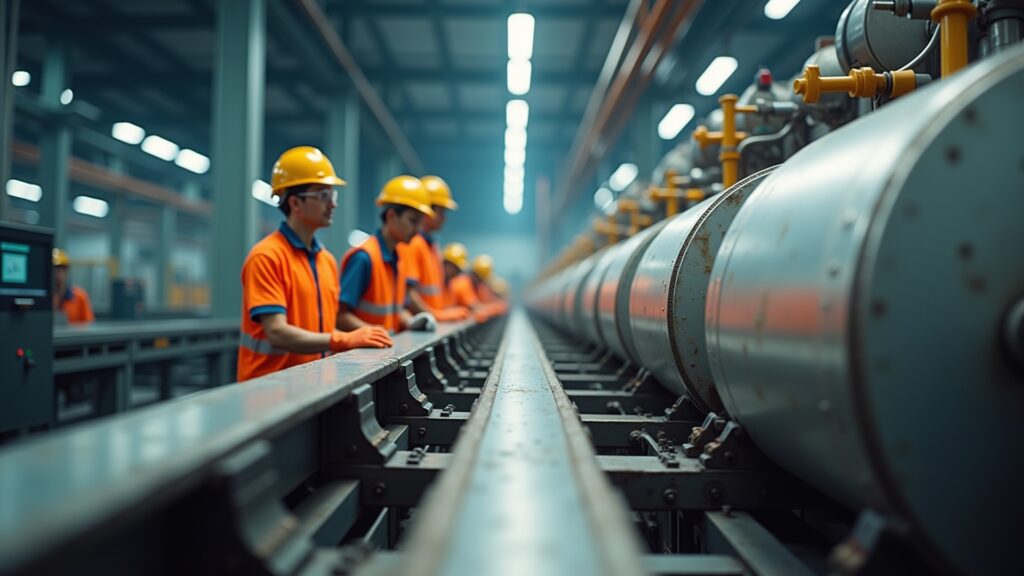
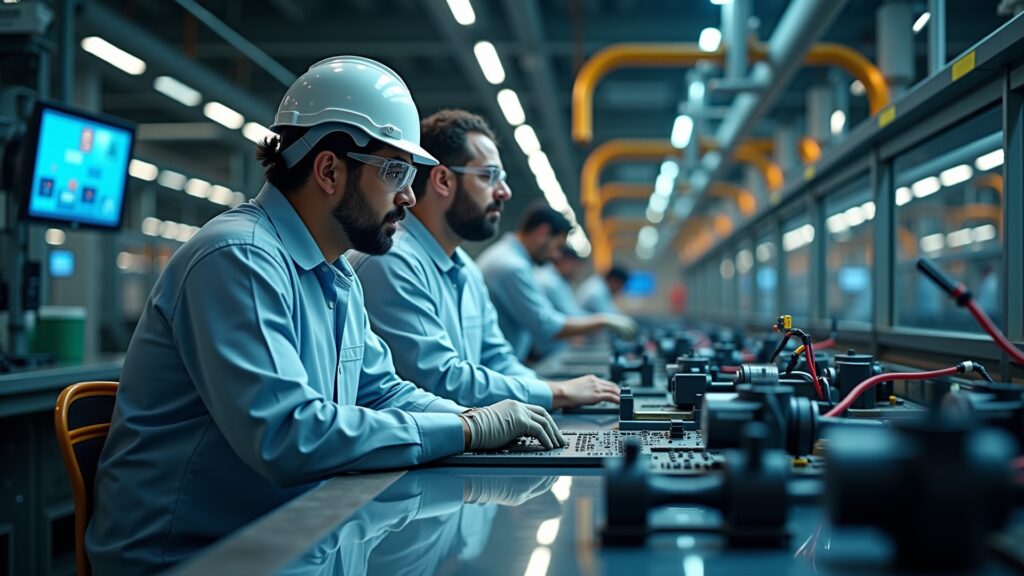
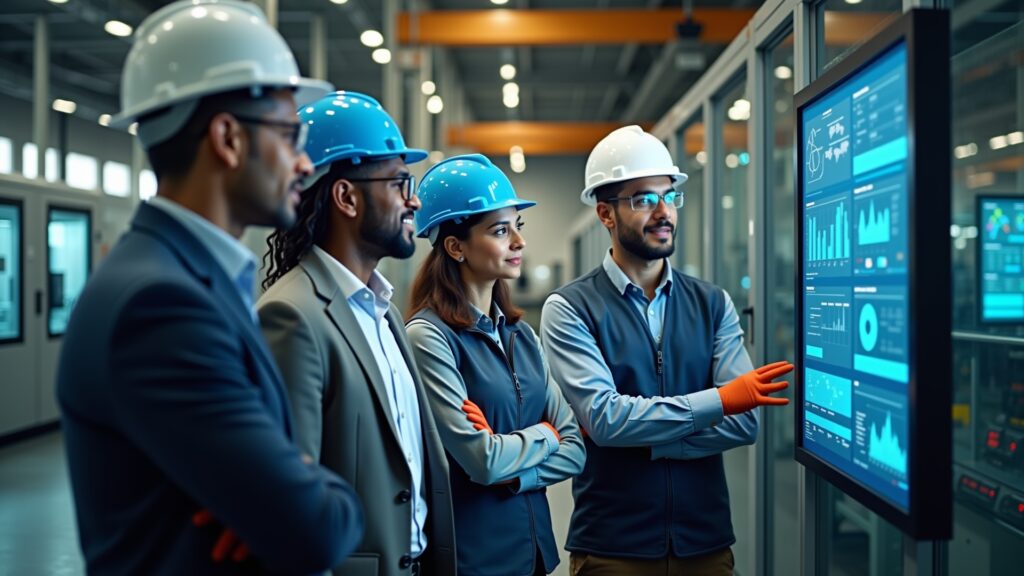
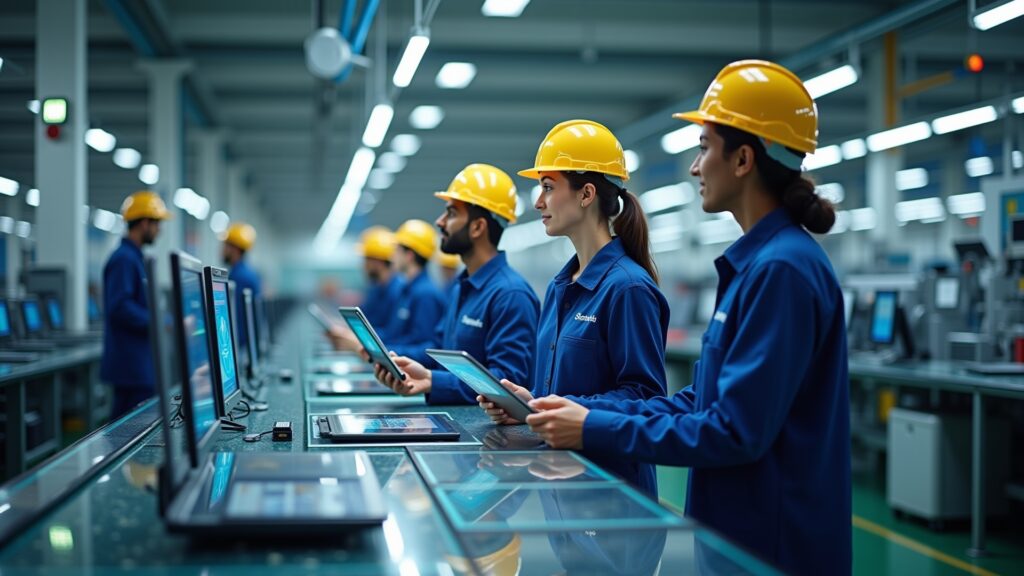
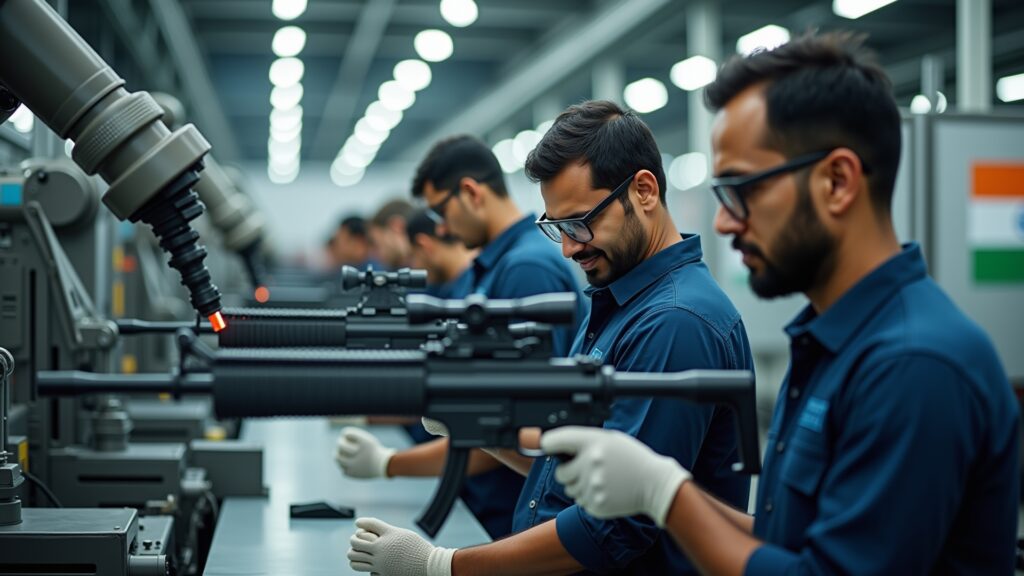
As a manufacturing leader, investor, or policymaker, you understand that the workforce powering your operations is central to your growth ambitions and competitive edge. India’s workforce realignment—marked by a strategic shift between manufacturing and services sectors—is not just an economic adjustment. It is a signal of profound transformation that will influence your supply chain resilience, technological adoption, and global market positioning in the years ahead. Grasping this shift is critical if you want to navigate India’s evolving industrial landscape and leverage its manufacturing potential effectively.
Why This Matters to You
Your factory’s growth trajectory and operational excellence are anchored in the capabilities and alignment of your workforce. India’s move to rebalance labor between manufacturing and services means you can expect a more synergistic industrial ecosystem, where skilled service providers enhance manufacturing execution. This evolution impacts how you plan factory expansions, integrate automation, and ensure supply chain agility amid global disruptions.
Moreover, with India positioning itself as a pivotal player in the global “China+1” strategy, your ability to harness this workforce realignment directly affects your export competitiveness and access to international markets. The workforce changes also intersect with government incentives and policy frameworks designed to support production-linked growth, making your strategic talent investments timely and aligned with broader industrial incentives.
What Is Happening: The Workforce Realignment Explained
India’s workforce realignment is characterized by a pragmatic reallocation of talent between manufacturing operations and the service sectors that support them. Rather than viewing manufacturing and services as separate silos, this shift reflects increasing integration: technology firms, logistics providers, finance experts, and engineering consultants are becoming integral to manufacturing success.
This dual-sector growth approach combines manufacturing capacity expansion with a robust service ecosystem that sustains innovation and operational excellence. As automation, industrial AI, and smart factories rise, the need for a workforce fluent in both production execution and service-driven technology adoption becomes indispensable.
Key Business and Industrial Implications
For your business, this workforce realignment means more than just labor shifting; it heralds a step-change in productivity, quality, and resilience. Here’s how:
- Automation and Advanced Technologies: Skilled service professionals help integrate automation, robotics, and AI into your operations, accelerating smart factory transformations.
- Supply Chain Resilience: A workforce adept in logistics and finance services complements manufacturing efforts to withstand global disruptions, crucial as you tap new export opportunities.
- Policy Alignment: Labour realignment supports your utilization of Production Linked Incentives (PLI) and infrastructure initiatives that are reshaping India’s industrial landscape.
- Localisation and Value Addition: Skilled talent migration enhances your ability to localize components and processes, improving supply chain trust and export readiness.
- Operational Agility and Scalability: Workforce flexibility enables faster capacity scaling, efficient factory expansions, and quicker adoption of engineering innovations.
Strategic Insight: Why Workforce Realignment Defines Industrial Competitiveness
As you strategize for the future, it’s essential to see workforce realignment not as a challenge but as an enabler of competitive advantage. The intersection of manufacturing prowess with service sector support creates a fertile environment for innovation, operational precision, and global differentiation.
“In manufacturing, scale matters — but resilience and precision are what create durable advantage.”
This evolving workforce paradigm allows you to manage complexity across production lines and supply chains with greater dexterity. It positions your manufacturing ecosystem to absorb technological advancements smoothly, maintaining productivity while reducing costs.
Moreover, advancing technical skills within the workforce is foundational to meeting stringent global quality standards and sustainability requirements, which are increasingly non-negotiable in export markets. Therefore, workforce realignment directly influences your long-term industrial positioning and investment attractiveness.
Practical Takeaways for Manufacturing Leaders and Investors
- Prioritize Strategic Workforce Planning: Assess and realign your talent acquisition with emerging industry demands, balancing manufacturing skills and service-oriented expertise.
- Invest in Skill Enhancement: Focus on upskilling and reskilling your workforce for automation, digital factory tools, and supply chain management capabilities.
- Leverage Labour Flexibility: Cultivate a workforce that can fluidly transition between manufacturing and support functions, improving operational agility.
- Align With Policy and Incentives: Engage with government frameworks such as PLI to maximize benefits from workforce and production investments.
- Monitor Supply Chain and Market Trends: Stay alert to global supply chain shifts and emerging export destinations to position your operations advantageously.
Expert Perspective
“The real edge is not only in producing more, but in producing faster, smarter, and closer to where demand is shifting.”
“When automation, supply-chain discipline, and execution quality align, manufacturing growth becomes far more sustainable.”
Risks and Challenges You Should Consider
While workforce realignment presents opportunities, you must also manage potential risks:
- Skill Gaps and Transition Lag: Rapid shifting of workforce segments can create temporary mismatches in skills and capacity that may slow production or innovation cycles.
- Labour Reforms and Compliance: Ensuring smooth legal and regulatory adaptation to workforce mobility is essential to avoid operational disruptions.
- Quality and Productivity Consistency: Balancing new talent integration with maintaining quality standards requires vigilant training and process control.
What You Should Watch Next
Stay informed on how workforce realignment influences:
- Implementation of industrial AI and robotic automation in manufacturing plants.
- Government policies targeting skill development and labor market flexibility.
- Shifts in export demand patterns, especially in “China+1” diversification markets.
- Collaborations between manufacturing firms and service providers specializing in technology and logistics.
Conclusion: Aligning Your Workforce Strategy with India’s Manufacturing Vision
India’s workforce realignment is more than a labor market evolution—it is a strategic cornerstone for sustainable manufacturing growth and enhanced global competitiveness. By understanding and acting on this shift, you position your business to harness innovation, scale capacity efficiently, and build resilience against global supply chain challenges.
As you refine your operational and investment strategies, integrating workforce realignment into your planning will ensure you remain at the forefront of India’s manufacturing renaissance. This disciplined focus enables superior execution, supports policy incentives, and ultimately accelerates your journey toward industrial leadership.
Remember: India workforce realignment manufacturing growth is not just a trend—it is your gateway to industrial excellence and long-term competitive advantage.