As you steer your manufacturing enterprise through the evolving landscape of the Indian electronics sector, you can’t overlook a pivotal shift underway: the surge in female hiring. This is not just a social milestone—it directly affects your factory’s workforce dynamics, operational efficiency, and long-term competitiveness. Yet, amid this progress, glaring infrastructure deficiencies remain a critical barrier, threatening to undermine your growth ambitions and the broader sector’s global positioning.
Why This Matters to You: Beyond Numbers in Hiring
The rise in female hiring in India’s electronics manufacturing is more than a demographic trend. For you as a leader—whether managing plant floors, shaping business strategy, or allocating capital—this shift demands a reassessment of your operational and facility infrastructure. The influx of female talent brings distinct strengths to your workforce, such as enhanced problem-solving and adaptability, essential for mastering Industry 4.0 challenges. However, if your plant infrastructure and employee amenities aren’t keeping pace, you risk losing this valuable asset and stalling your industrial scale-up efforts.
What Is Happening: Transforming Workforce Demographics
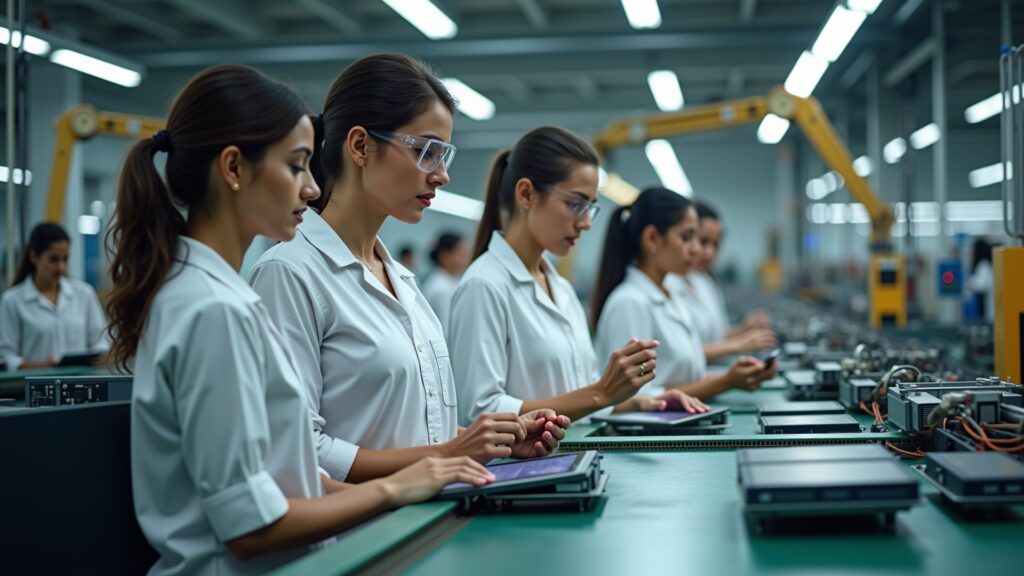
India’s electronics manufacturing sector is increasingly opening doors to women, reflecting progressive corporate policies and shifting societal norms. This inclusivity is an important driver for innovation, productivity, and quality improvements, which you care about deeply. Yet, these gains coexist with a tangible infrastructure gap. Many manufacturing units suffer from inconsistent power, inadequate automation integration, and insufficient social amenities—key factors that disproportionately affect female employees and their retention.
Key Impacts on Your Business and Operations
The dual reality of progressive hiring alongside lagging infrastructure presents strategic implications:
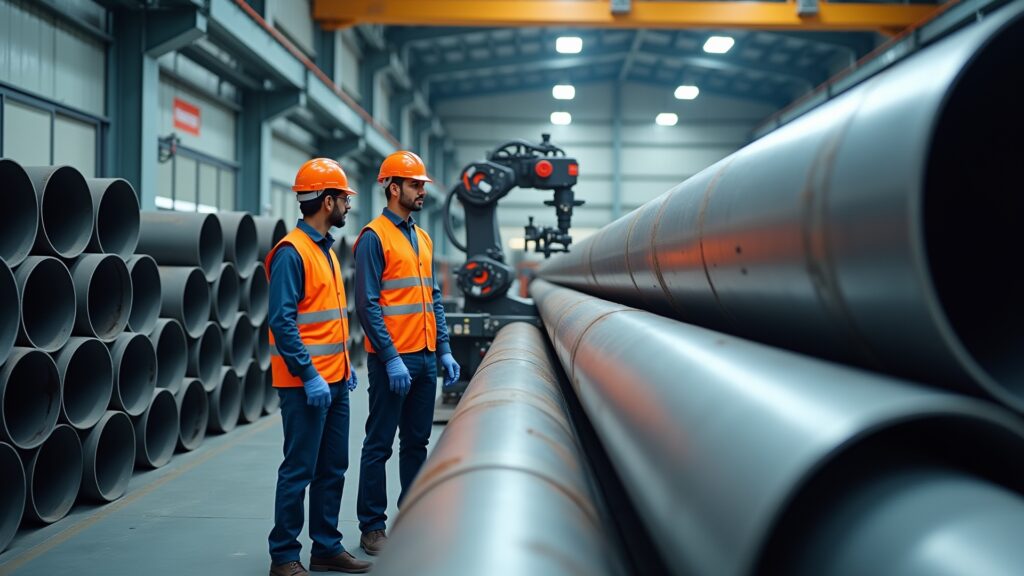
- Operational Efficiency: Inconsistent utilities and outdated factory facilities inhibit the smooth deployment of automation, robotics, and digital systems that are essential to optimize your plant operations.
- Workforce Productivity and Retention: The lack of safe transportation, child care, and gender-sensitive workplace amenities challenges sustained female workforce participation, increasing turnover risks and recruitment costs.
- Competitive Positioning: In a global electronics supply chain increasingly adhering to strict ESG norms and innovation benchmarks, underdeveloped infrastructure can erode your export potential and investor confidence.
Strategic Insight: Aligning Workforce Diversity with Infrastructure Modernization
To fully capitalize on rising female hiring, you need a holistic strategy that integrates workforce development with robust infrastructure investments. Modern, energy-efficient factories equipped with integrated automation and smart factory technologies create not only productivity improvements but also an environment conducive to attracting and retaining diverse talent pools. Consider this synergy as critical for your long-term competitive positioning against global peers.
“In manufacturing, scale matters — but resilience and precision are what create durable advantage.”
Practical Takeaways for Your Leadership Agenda
- Audit Infrastructure Gaps: Conduct a comprehensive assessment of your factory’s physical and social infrastructure to identify bottlenecks affecting workforce productivity.
- Prioritize Automation and AI: Invest in automation and digital integration not just to boost output but to enhance operational reliability and workforce safety.
- Enhance Worker Amenities: Implement women-friendly workplace policies such as safe transport arrangements, childcare facilities, and flexible work options.
- Collaborate on Policy Advocacy: Engage with industry bodies and policymakers to advocate for infrastructural incentives aligned with inclusivity and export competitiveness.
- Monitor Talent Metrics: Track hiring, retention, and productivity metrics disaggregated by gender to measure the real impact and adapt strategies accordingly.
“The real edge is not only in producing more, but in producing faster, smarter, and closer to where demand is shifting.”
Risks and Challenges Ahead
If infrastructure gaps remain unaddressed, you risk a dual setback: inefficient scale-up and erosion of your diverse human capital advantage. Supply chain disruptions, energy inefficiencies, and social infrastructure deficits could amplify operational costs and reduce your factory’s attractiveness to skilled female professionals. This scenario not only jeopardizes your current growth trajectory but could also impair India’s aspiration to become a global electronics manufacturing powerhouse.
What You Should Watch Next
Stay alert to policy developments around industrial infrastructure funding and women-inclusive workforce programs. Watch for advances in smart factory technologies tailored to workforce diversity needs. Monitor competitor investments in automation and ESG-compliant manufacturing practices. By doing so, you ensure your strategy remains adaptive and forward-looking.
“When automation, supply-chain discipline, and execution quality align, manufacturing growth becomes far more sustainable.”
Conclusion: Championing Inclusive, Resilient Manufacturing Excellence
Your role as a manufacturing leader in India’s electronics sector is pivotal amid this transformation. The surge in female hiring signals a paradigm shift toward inclusive industrial growth. Yet, it simultaneously exposes the imperative to upgrade infrastructure comprehensively. By synchronizing your workforce diversity goals with strategic infrastructure investment, you will unlock unprecedented productivity, enhance operational resilience, and distinctly position your business in the competitive global electronics market.
As you embrace this dual challenge, remember: your manufacturing ecosystem’s future depends not solely on who you hire but equally on the environments in which they operate and thrive.