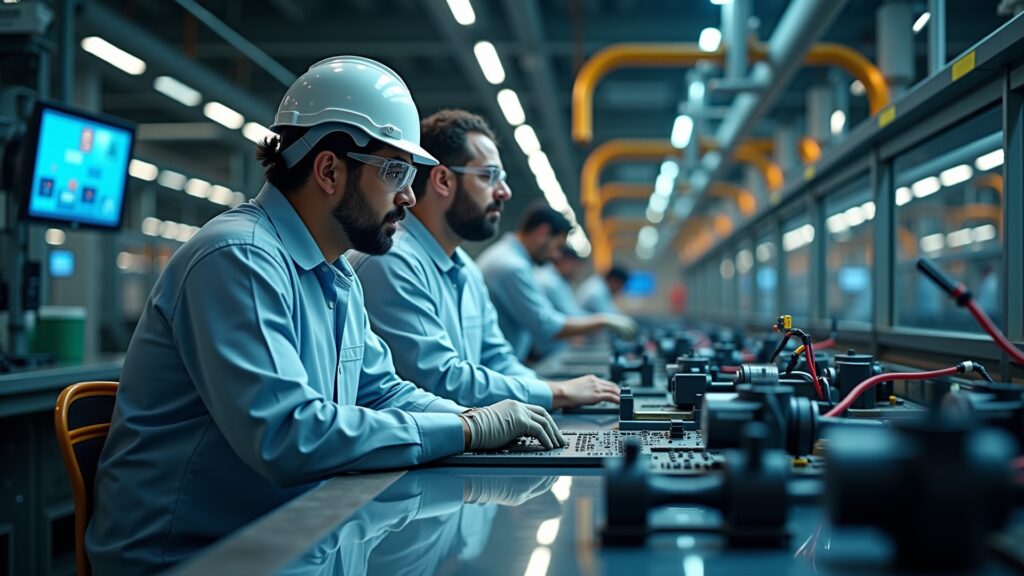
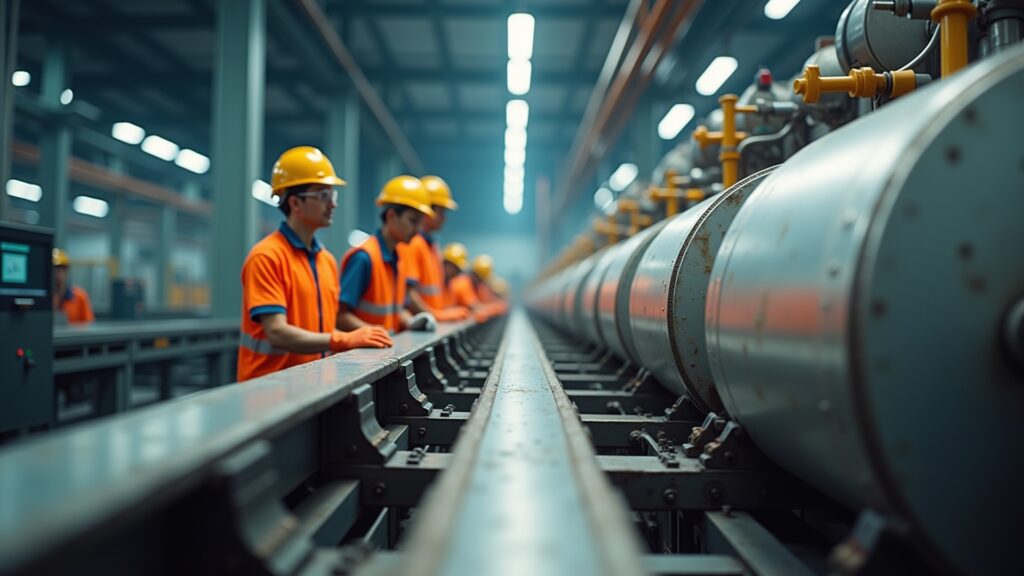
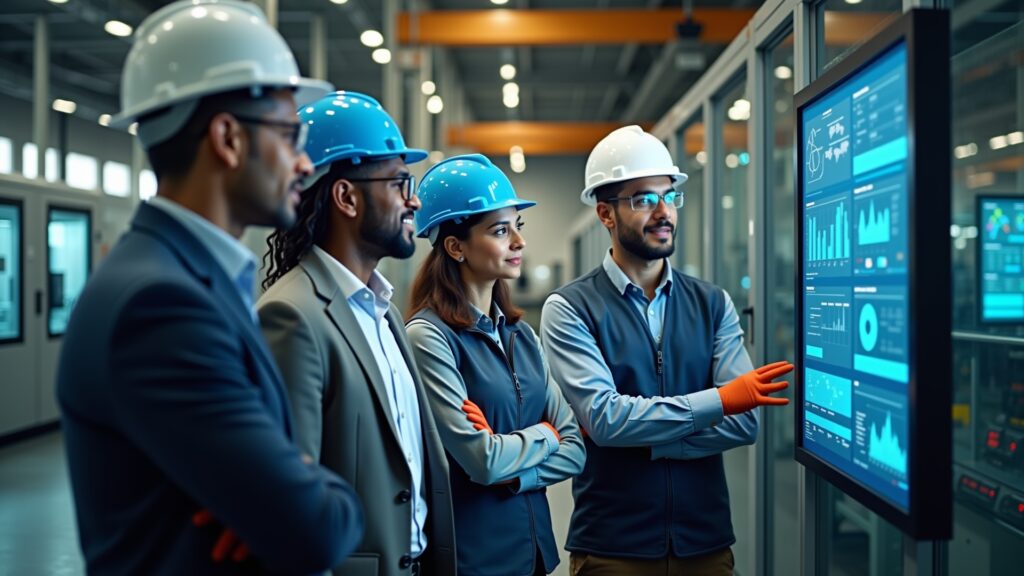
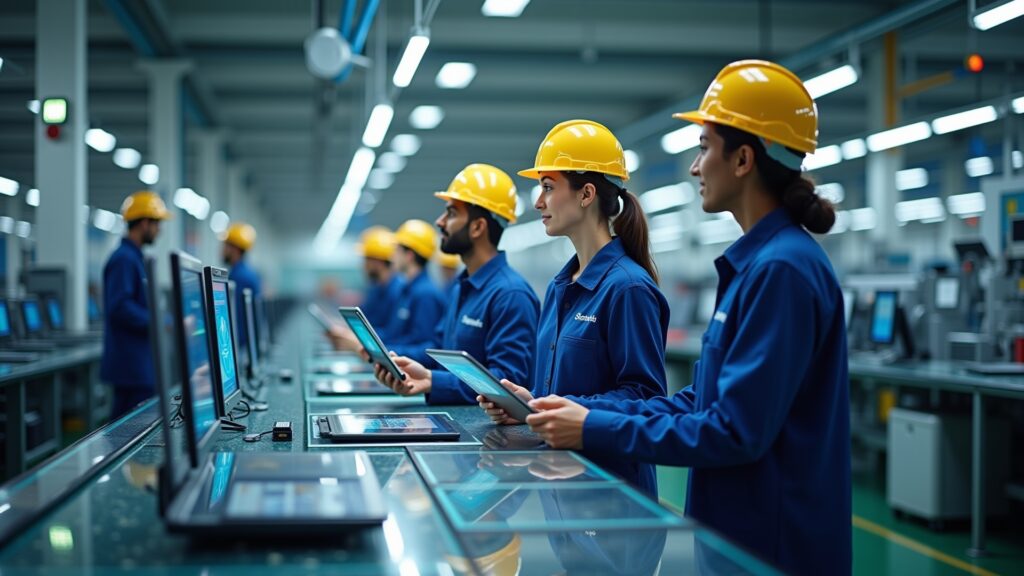
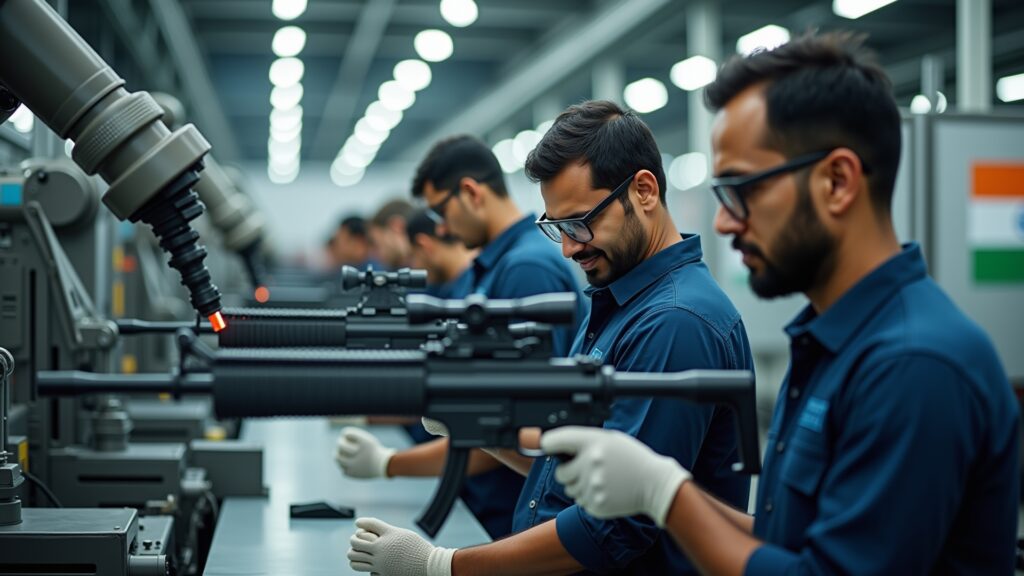
As the easing LPG crisis unfolds, you are witnessing a pivotal moment for India’s manufacturing sector. This relief is more than a short-term fix—it directly influences your operational reliability, cost structures, and competitive edge in a global marketplace where manufacturing stability is increasingly non-negotiable. In practical terms, the renewed consistency in LPG supply offers you the foundation to rebuild momentum, safeguard supply chains, and drive productivity improvements that your factory or industrial operations critically depend on.
Why This Matters to You
Your manufacturing business’s health hinges on uninterrupted energy access, especially when LPG fuel powers key processes in sectors like chemicals, automotive parts, electronics, and consumer goods. The recent energy disruption introduced uncertainty, throughput slowdown, and potential quality risks. Now that the crisis is easing, you can anticipate stabilized production timelines and reduce costly downtimes, improving your ability to meet both domestic orders and international commitments. This development also reassures investors and partners about the ecosystem’s resilience and your company’s capacity to sustain growth amid external shocks.
Understanding What Is Happening
The LPG supply bottleneck encountered recently exposed vulnerabilities in energy sourcing and logistics across India’s manufacturing ecosystem. Its resolution reflects coordinated efforts around supply chain logistics, enhanced storage capacity, and better demand forecasting. This renewed availability restores a critical input that fuels continuous manufacturing processes—enabling plants to function at intended capacities and avoid production pauses tied to energy shortages.
Key Manufacturing and Market Impacts
Energy stability is foundational for advancing industrial scale-up, quality assurance, and productivity gains. With LPG assured, your factory’s operational predictability improves, directly affecting cost efficiency and product consistency. Additionally, this improvement underpins supply chain resilience and export readiness—two pivotal elements in India’s ambition to amplify its global manufacturing footprint. You can leverage this stable energy access to fine-tune production schedules, optimize workforce deployment, and invest in technology upgrades such as automation and smart factory solutions.
Strategic Insight: Beyond Energy Stability
While energy supply normalization is vital, the episode underscores the necessity of strengthening supply chains against future disruptions. You should consider adopting diversified sourcing strategies and integrating alternative energy sources to reduce reliance on LPG alone. This pivot can align with broader sustainability agendas that balance cost efficiency with environmental responsibility. Concurrently, government incentives like production-linked incentives (PLI) and infrastructure investments provide fertile ground for expanding capacity and embracing industrial digitalization. Strategic leadership today means threading these elements together—energy security, technology adoption, and policy alignment—to drive sustainable manufacturing growth.
“In manufacturing, scale matters — but resilience and precision are what create durable advantage.”
“The real edge is not only in producing more, but in producing faster, smarter, and closer to where demand is shifting.”
Practical Takeaways for Manufacturing Leaders
- Recognize the easing LPG crisis as a critical enabler for returning your operations to full capacity and enhancing profitability.
- Incorporate energy security into your risk management and operational planning—consider alternative fuels and backup supply chains.
- Leverage stable fuel supplies to invest in productivity-enhancing technologies such as automation and smart manufacturing systems.
- Monitor evolving government policies that support manufacturing competitiveness, especially PLI schemes and infrastructure upgrades, to maximize incentives.
- Engage with suppliers and logistics partners to build integrated, agile supply chains capable of withstanding future shocks.
Expert Perspective: The Shift to Resilient Manufacturing
This development signals an inflection point for Indian manufacturing’s global ambitions. By restoring fuel supply reliability, factories can transform operational uncertainty into strategic opportunity. For investors and plant leaders, it highlights the value of balancing scale with supply-chain robustness and technological sophistication.
“When automation, supply-chain discipline, and execution quality align, manufacturing growth becomes far more sustainable.”
Risks and Challenges You Must Consider
While the LPG situation is improving, risk remains if contingency planning falls short. Dependence on a single energy source without diversification leaves you exposed to future logistical disruptions or geopolitical dynamics. Additionally, fluctuating global energy markets may affect price stability going forward. You must balance short-term production needs with long-term strategies to embed flexibility and sustainability within your operations.
What to Watch Next
Keep a close eye on policy updates related to energy and manufacturing incentives, progress in infrastructure development, and emerging trends in energy-efficient technologies. Observe evolving supply-chain strategies from industry leaders who are investing in AI-driven predictive analytics and robotics to build resilience. Watch also for shifts in export demand patterns where India’s reliability and quality can confer a competitive advantage.
Conclusion: A Strategic Turning Point in Manufacturing Stability
The easing LPG crisis is a crucial moment in India’s manufacturing narrative—a signal that foundational challenges can be managed, unlocking renewed operational stability and growth potential. For your manufacturing business, this means more than energy availability; it presents a chance to recalibrate strategy, enhance productivity, and fortify your position in a competitive, global manufacturing landscape. Seizing this opportunity requires a keen focus on energy security, digital transformation, and agile supply chains to ensure you remain future-ready as India scales new heights in industrial prowess.