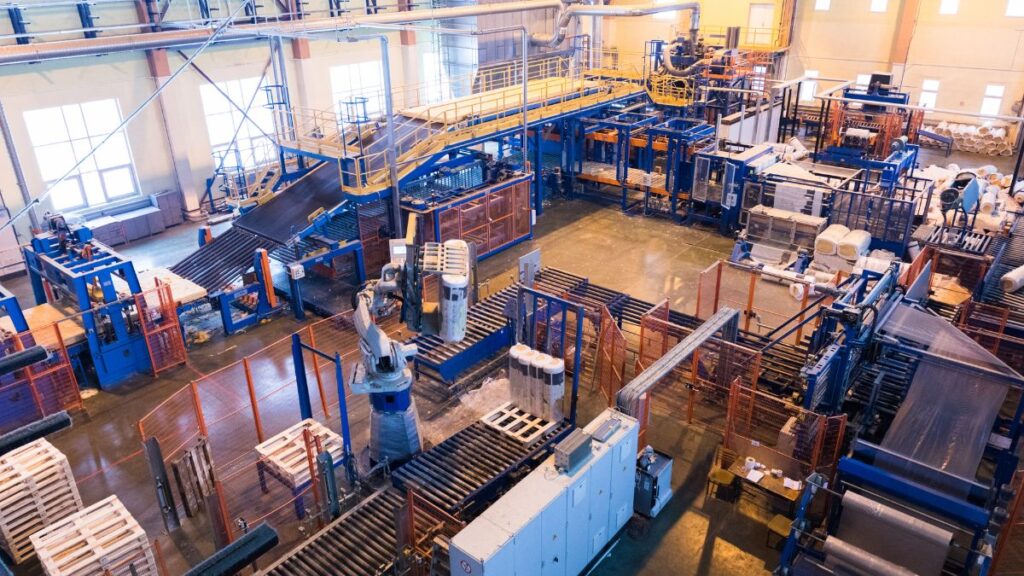
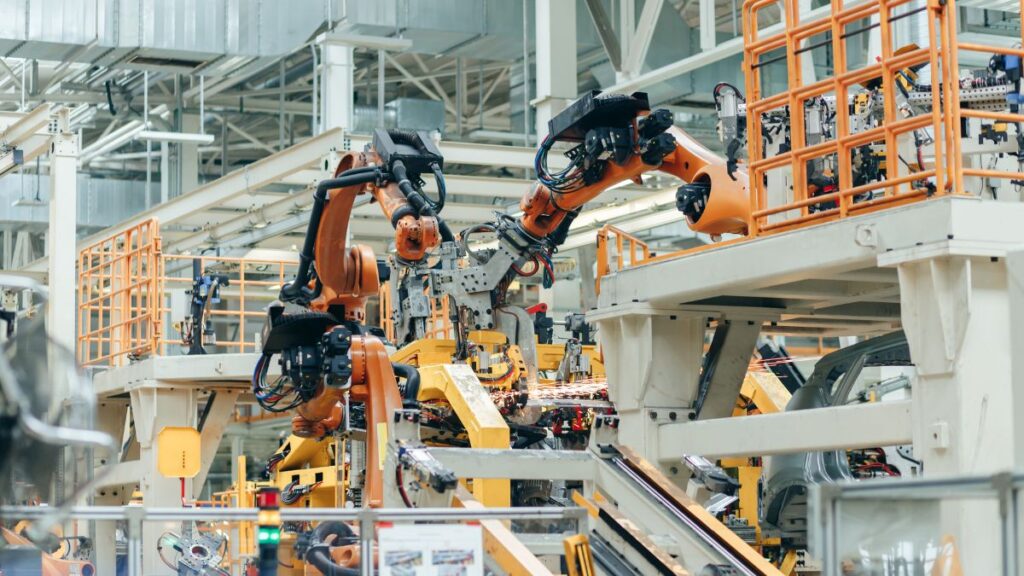
Smart manufacturing revolutionizes your operations, offering enhanced efficiency and productivity compared to traditional shop floors. As an Indian MSME, you stand to gain significantly from adopting smart technologies, which streamline processes, reduce costs, and improve quality control. This blog post will guide you through the benefits and transformative potential that smart manufacturing holds for your business, helping you make informed decisions that drive growth and competitiveness in today’s market.
Key Takeaways:
Smart manufacturing enhances operational efficiency through automation, reducing manual errors and improving production speed.
Access to real-time data analytics allows for better decision-making and resource management, optimizing supply chain processes.
Implementation of smart technologies can lead to cost reductions, improved product quality, and greater competitiveness in the market.
Understanding Traditional Shop Floor Practices
Traditional shop floor practices in Indian MSMEs typically rely on manual labor and age-old techniques, resulting in a slower production rate and higher susceptibility to human error. Processes are often fragmented, with each department operating in silos, leading to inefficiencies and delays. The emphasis tends to be on maintaining existing workflows, which can limit innovation and responsiveness to market changes.
Characteristics of Traditional Manufacturing
Traditional manufacturing is characterized by labor-intensive processes, minimal automation, and a rigid hierarchy. Skilled artisans often execute tasks based on personal expertise and accumulated knowledge instead of standardized procedures. Equipment tends to be outdated, and workspace organization may be suboptimal, impacting productivity and quality.
Challenges Faced by Traditional MSMEs
Traditional MSMEs grapple with several challenges, including limited access to technology, lack of skilled labor, and increasing competition. Operating costs rise due to inefficiencies, and smaller firms may struggle to meet modern market demands, stifling growth and innovation.
Many traditional MSMEs face challenges that hinder competitiveness and growth. Limited investment in cutting-edge technology leaves you at a disadvantage compared to modern manufacturers. Labor shortages arise as skilled workers leave for better opportunities, impacting production quality. Furthermore, the inability to adapt quickly to changing customer demands can result in lost contracts. According to a report by the Ministry of MSME, around 40% of MSMEs face difficulties in accessing finance, making it harder to upgrade equipment or train staff, ultimately stalling potential growth and market positioning.
Overview of Smart Manufacturing
Smart manufacturing integrates advanced technologies like IoT, AI, and big data analytics to create interconnected manufacturing systems. This paradigm shift transforms traditional processes into agile, data-driven operations, enhancing productivity and efficiency. In this environment, real-time monitoring and automated systems help you optimize resource utilization, reduce downtime, and improve product quality, setting a new standard for operational excellence.
Key Technologies in Smart Manufacturing
You will encounter a variety of technologies driving smart manufacturing, including the Internet of Things (IoT), artificial intelligence (AI), machine learning, and robotics. IoT devices allow for real-time data exchange on the shop floor, while AI analyzes this data for actionable insights. Robotics streamline repetitive tasks, improving accuracy and reducing labor costs, creating a robust ecosystem that adapts to your business needs.
Benefits of Smart Manufacturing for MSMEs
Implementing smart manufacturing technologies offers numerous advantages for MSMEs, such as increased operational efficiency, reduced production costs, and enhanced product quality. By leveraging data analytics, you can make informed decisions that drive profitability and improve competitive edge in the marketplace.
The benefits of smart manufacturing extend beyond mere efficiency. With real-time data insights, you can anticipate maintenance needs, minimizing unexpected downtime and extending equipment lifespans. Enhanced flexibility allows for quicker response times to market changes, giving you the agility to adapt production schedules or customize offerings in response to evolving customer demands. Moreover, automation reduces labor-intensive tasks, enabling your workforce to focus on value-added activities, thus accelerating innovation and growth potential without the burden of substantial overhead costs.
Comparative Analysis: Smart Manufacturing vs Traditional
Aspect
Smart Manufacturing
Data Utilization
Real-time analytics and IoT integration enhance decision-making.
Flexibility
Adaptable systems enable quick response to market changes.
Workforce
Enhanced training and upskilling improve employee engagement.
Smart manufacturing systems optimize operations by utilizing real-time data, resulting in increased efficiency and productivity. By applying automation and IoT devices, you can streamline processes, reduce waste, and enhance overall output. For instance, companies adopting smart tools have reported productivity boosts of up to 30% within the first year of implementation.
Cost Implications and Return on Investment
Smart manufacturing can initially seem costly due to high upfront investment in technology. However, the long-term return on investment is notable. Businesses leveraging automation typically see a reduction in labor costs by up to 20%, alongside savings from reduced waste and improved product quality which enhances customer satisfaction.
The shift to smart manufacturing also enables better inventory management through accurate demand forecasting, which can reduce carrying costs. For instance, an Indian MSME that invested in smart systems reported recovering their initial costs within 18 months, thanks to minimized rework and maximized utilization of resources. The compounded savings from lower operational issues and enhanced efficiency further validate the transition towards a smart manufacturing model.
Case Studies of Indian MSMEs
Real-life examples illustrate how Indian MSMEs are successfully adopting smart manufacturing strategies, elevating productivity and compliance while reducing costs. These case studies highlight the transformative effects of technology on operations, showcasing impressive results.
XYZ Electronics: Increased efficiency by 30%, leading to a 20% reduction in labor costs within a year through automation integration.
ABC Auto Parts: Decreased production lead time by 40% using IoT solutions, resulting in a 25% increase in on-time delivery.
MNO Textiles: Achieved a 15% reduction in waste through the implementation of smart inventory management, significantly boosting profit margins.
PQR Engineering: Improved machine uptime from 70% to 90% with predictive maintenance, which led to a 10% increase in overall equipment efficiency.
Successful Transition to Smart Manufacturing
Transitioning to smart manufacturing has empowered several MSMEs to enhance their operational frameworks. By integrating technologies such as AI and IoT, you can streamline processes, optimize resource utilization, and elevate product quality, yielding substantial competitive advantages in the marketplace.
Lessons Learned from Traditional Practices
Traditional manufacturing practices still hold valuable insights for MSMEs transitioning to smart manufacturing. You can glean lessons about skilled labor utilization, process reliability, and the importance of face-to-face communication, which remain foundational even as you embrace new technologies.
Analyzing traditional practices reveals the importance of hands-on experience and problem-solving that are often lost in automated environments. Essential skills developed by your workforce can inform smarter technology implementations. A balance between leveraging new technologies and upholding traditional values ensures a smoother transition and greater organizational coherence. Additionally, understanding historical operational challenges can help you avoid pitfalls in technology adoption while fostering a culture of continuous improvement within your team.
The Role of Government and Policy Support
Government initiatives play a pivotal role in fostering smart manufacturing adoption among Indian MSMEs. Policies aimed at digitization and automation not only encourage technological investments but also help streamline processes. The push for Industry 4.0 is increasingly evident as the government collaborates with industry stakeholders to create a conducive environment for innovation and growth.
Initiatives to Promote Smart Manufacturing
Your engagement with various government initiatives can accelerate your journey towards smart manufacturing. Programs such as the Make in India initiative and the National Policy on Electronics are designed to boost advanced manufacturing capabilities. These frameworks offer resources, training, and technological infrastructure to ease the transition for MSMEs.
Funding and Incentives for MSMEs
Access to funding and incentives is a significant advantage for MSMEs aiming to adopt smart manufacturing technologies. Government schemes, such as the Micro Units Development and Refinance Agency (MUDRA), provide financial support with reduced interest rates, making it easier for you to invest in modern machinery and processes.
In addition to MUDRA, the Credit Guarantee Fund Scheme for Micro and Small Enterprises (CGTMSE) offers collateral-free loans, which can be vital for your initial investments in smart technology. Programs like the Technology Transfer and Deployment scheme grant financial backing for specific technological upgrades. Furthermore, state-specific incentives, like subsidies and tax benefits, can enhance your financial feasibility, helping you modernize operations while minimizing financial strain.
Future Outlook for Indian MSMEs
As the global market evolves, Indian MSMEs are positioned to leverage smart manufacturing technologies for growth and competitiveness. Innovations in automation, AI, and data analytics will not only enhance productivity but also create a more resilient supply chain. By embracing these advancements, MSMEs can expect improved operational efficiencies and the ability to respond rapidly to market demands.
Trends and Predictions
You can anticipate a significant shift towards digital twins and predictive analytics within Indian MSMEs. With increasing adoption of Industry 4.0, manufacturers will harness real-time data to minimize downtime and optimize resource allocation. Furthermore, green manufacturing practices will gain traction as sustainability becomes a priority for consumers and regulators alike.
The Importance of Adaptability
Adaptability will be vital for MSMEs navigating the swiftly changing landscape of manufacturing. Your ability to pivot, adopt new technologies, and reconfigure processes can determine long-term success. Firms that cultivate a culture of continuous improvement and innovation will stay ahead of competitors and swiftly respond to disruptive changes.
In practice, adaptability involves investing in employee training, encouraging open communication about technological shifts, and developing agile operational strategies. For example, a MSME that integrates employee feedback into technology adoption processes not only increases buy-in but also uncovers innovative uses for new tools. Industry leaders demonstrate that flexibility in operations allows for quick adjustments, ensuring sustained growth even amid unpredictable market conditions.
FAQ
Q: What are the main benefits of smart manufacturing for Indian MSMEs compared to traditional shop floors?
A: Smart manufacturing offers Indian MSMEs enhanced productivity, reduced operational costs, and improved quality control through automation and data analytics. This shift enables real-time monitoring and decision-making, leading to quicker response times and reduced waste.
Q: How does the adoption of smart manufacturing technologies impact workforce skills in MSMEs?
A: The transition to smart manufacturing necessitates upskilling the workforce. MSMEs need employees who are adept at handling advanced technologies, which can lead to a more skilled workforce and may also attract younger talent interested in innovative manufacturing environments.
Q: What challenges do Indian MSMEs face when shifting from traditional methods to smart manufacturing?
A: Key challenges include the initial investment cost, lack of awareness or knowledge about smart technologies, and resistance to change from employees. Overcoming these barriers requires strategic planning, support from technology providers, and investment in training programs for staff.