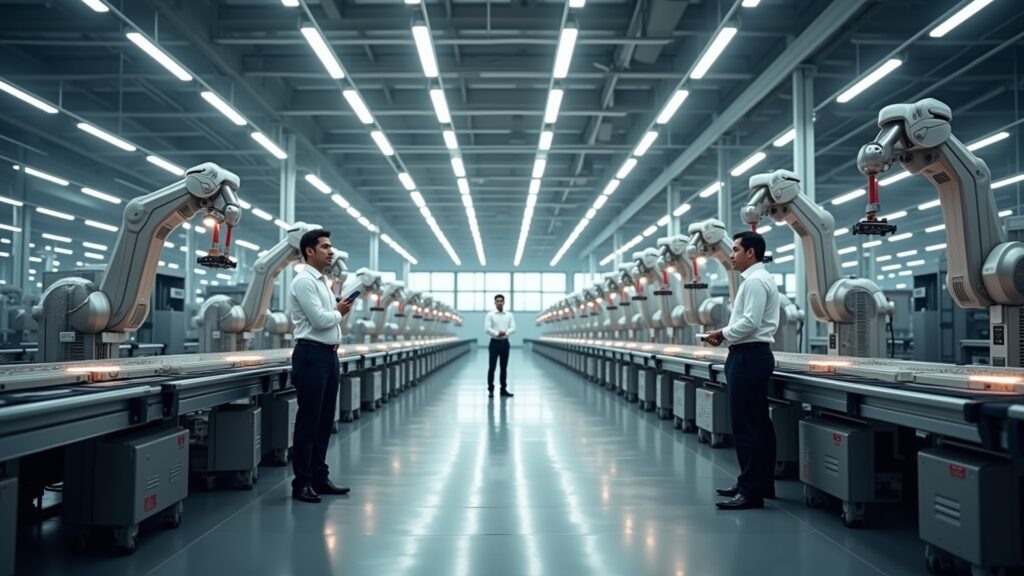
Just like a seasoned navigator charting unknown waters, you must understand the unique challenges and opportunities of transforming your brownfield plant into a smart factory. With the Industrial Internet of Things (IIoT) and advanced automation technologies, you can integrate modern solutions into existing systems, streamline operations, and enhance productivity. This guide will equip you with actionable steps to create a comprehensive roadmap for implementing Industry 0, leveraging your current assets while paving the way for future advancements in manufacturing.
Key Takeaways:
Assess current infrastructure and identify areas for digital transformation.
Implement incremental changes to integrate smart technologies without disrupting existing operations.
Engage stakeholders and foster a culture of innovation to support ongoing advancements.
Understanding Industry 4.0
Grasping the essence of Industry 4.0 is vital for transforming your brownfield plant into a smart factory. This paradigm shift applies intelligent automation, interconnected systems, and data analytics to optimize production processes, enhance flexibility, and improve decision-making. By embracing these concepts, you position your facility to thrive in an increasingly competitive landscape.
Definition and Principles
Industry 4.0 represents the fourth industrial revolution, characterized by the integration of cyber-physical systems and the Internet of Things (IoT). It facilitates seamless communication between machines, systems, and humans, allowing for real-time data exchange and intelligent decision-making. The principles emphasize decentralization, flexibility, and continuous improvement in production processes.
Key Technologies
Several transformative technologies underlie Industry 4.0, including IoT, artificial intelligence (AI), big data analytics, cloud computing, and advanced robotics. These innovations not only enhance operational efficiency but also enable predictive maintenance, customization, and supply chain integration.
IoT connects production equipment, allowing for real-time monitoring and control, while AI algorithms analyze vast amounts of data to optimize operations. Big data analytics offers insights into production trends and customer behavior, facilitating smarter decisions. Cloud computing provides scalable resources, making it easier to implement these technologies without significant upfront investment. Robotics, particularly collaborative robots (cobots), enhance workforce capabilities and efficiency by performing repetitive tasks alongside human operators. Adopting these technologies will significantly advance your journey toward a fully integrated smart factory.
Assessing Your Brownfield Plant
Assessing your brownfield plant is crucial in determining the path to transformation. Conduct a thorough evaluation of existing operations, equipment, and workforce skills to establish a strong foundation for your smart factory roadmap. This comprehensive analysis will help uncover the strengths and weaknesses of your current setup, allowing you to devise a tailored strategy for integrating Industry 4.0 technologies.
Evaluating Current State
Begin by assessing your current state through data collection and analysis. Review machinery performance, production metrics, and workforce capabilities to understand operational efficiency. Identify gaps in technology and processes that may hinder your transition. Gathering input from employees will also highlight areas requiring immediate attention.
Identifying Opportunities for Improvement
Identifying opportunities for improvement involves pinpointing areas where enhancements can yield significant returns on investment. Focus on processes with high costs or inefficiencies, as well as equipment that lacks connectivity or data capabilities. By recognizing potential quick wins, you can prioritize short-term projects that build momentum and support the strategic vision for your smart factory.
For instance, consider implementing predictive maintenance strategies for machinery that frequently causes downtime. Adopting IoT sensors can provide real-time data on equipment health, enabling proactive maintenance and avoiding costly breakdowns. Additionally, harnessing data analytics to optimize production schedules can lead to reduced waste and improved output. Evaluating your current workflows and technological gaps will empower you to make informed decisions that align with your broader digital transformation goals.
Developing a Smart Factory Roadmap
Formulating a smart factory roadmap requires a structured approach to ensure effective implementation within your brownfield plant. This roadmap should align with your business strategy and focus on achieving digital transformation goals through precise milestones and timelines. By mapping out the necessary initiatives, you can gradually transition your existing operations into a more interconnected, efficient system.
Setting Goals and Objectives
Begin by establishing clear goals and objectives that reflect both short-term and long-term aspirations for your smart factory. Prioritize areas that will yield the highest impact, such as improving operational efficiency or enhancing product quality. Use SMART criteria-Specific, Measurable, Achievable, Relevant, and Time-bound-to refine your objectives and ensure accountability throughout the process.
Creating a Step-by-Step Plan
Your step-by-step plan should detail the sequence of actions required to meet your outlined goals. An effective plan includes timelines, responsible personnel, and resource allocation, fostering engagement and dedication from your team. Break down larger tasks into manageable phases, integrating feedback loops to adjust as needed throughout the implementation process.
Creating a Step-by-Step Plan
Phase
Activities
1. Assessment
Evaluate current workflows and technology gaps.
2. Pilot Testing
Implement smart technologies on a small scale for testing.
3. Full-Scale Implementation
Roll out successful pilot solutions plant-wide.
4. Continuous Improvement
Monitor performance and optimize based on data insights.
Developing a well-defined step-by-step plan not only ensures clarity in action but also allows for necessary adjustments as you progress. Incorporate periodic reviews to assess effectiveness and adapt strategies if you encounter unexpected challenges or opportunities. Engaging team members at each stage fosters ownership of changes, boosting morale and collaboration as your plant evolves toward a smart factory model.
Integrating Smart Technologies
Integrating smart technologies is a transformative step in evolving your brownfield plant into a smart factory. This process involves deploying advanced systems that enhance efficiency, visibility, and responsiveness throughout your operations. By leveraging existing infrastructure along with new technologies, you can optimize production processes and improve supply chain management. Successful integration not only boosts productivity but also lays the groundwork for continuous improvement and innovation.
IoT and Automation
Implementing IoT devices and automation solutions can significantly streamline your operations. Sensors that monitor equipment performance and production metrics deliver real-time data, enabling proactive maintenance and minimizing downtime. Automation systems reduce manual intervention during repetitive tasks, which enhances productivity, while digital twin technology allows you to simulate processes for better optimization. This interconnected approach ensures your plant remains competitive in an ever-evolving industry landscape.
Data Analytics and AI
Data analytics and AI play a pivotal role in harnessing the power of your production data. By applying machine learning algorithms, you can identify patterns and anomalies, enabling predictive maintenance and informed decision-making. Analyzing data from various sources fosters a deeper understanding of operational efficiency, allowing for more precise adjustments and strategic planning.
For instance, a brownfield plant can utilize predictive analytics to forecast equipment failures, reducing unplanned outages by up to 30%. By integrating machine learning tools, you can optimize your supply chain, responding accurately to demand fluctuations, which can improve service levels by 20% or more. Leveraging AI-driven insights not only enhances operational efficiency but empowers you to continuously refine processes and drive innovation within your facility.
Change Management and Culture Shift
Fostering a culture shift in your brownfield plant is vital for successfully implementing smart factory initiatives. Engaging employees at all levels and emphasizing the value of change will create a more adaptable workforce. Transparent communication regarding the benefits of smart technologies will help alleviate resistance, making it easier to align your team’s goals with the organization’s vision for innovation.
Employee Engagement Strategies
To enhance employee engagement during the transition, develop initiatives that encourage participation and feedback. Utilize surveys and collaborative workshops to gather insights from your team about potential improvements and concerns. By actively involving employees in the decision-making process, you cultivate a sense of ownership and commitment, making them more likely to embrace the changes ahead.
Training and Development
Implementing comprehensive training and development programs equips your workforce with the skills necessary for the smart factory environment. Tailor training sessions to address specific technological competencies and general adaptability skills, ensuring employees feel prepared and confident in their new roles.
Training and development should extend beyond basic skills to encompass the practical application of advanced technologies, such as IoT devices and data analytics tools. Regular workshops and hands-on demonstrations can facilitate a deeper understanding of these systems, while mentorship programs can support less experienced employees. Incorporating real-world scenarios during training can help bridge the gap between theoretical knowledge and hands-on expertise, ultimately driving productivity and innovation in your brownfield plant.
Measuring Success
Establishing measurable success indicators is important in your journey toward a smart factory. This not only allows you to track progress but also refines your strategies over time. You will want to define specific objectives that align with your overall business goals, ensuring that each accomplishment is quantifiable, whether it’s increased productivity, reduced waste, or enhanced equipment efficiency.
Key Performance Indicators
Selecting appropriate key performance indicators (KPIs) is vital for assessing your smart factory’s effectiveness. Focus on metrics such as Overall Equipment Effectiveness (OEE), production cycle time, downtime rates, and yield percentages. These KPIs provide insights into operational efficiency, enabling you to make data-driven decisions to optimize performance continuously.
Continuous Improvement Strategies
Your journey doesn’t end with implementation; adopting continuous improvement strategies is necessary for sustained success. Regularly evaluate your processes through techniques like Lean manufacturing and Six Sigma. This ensures you identify inefficiencies promptly and can adapt to the ever-evolving manufacturing landscape.
Continuous improvement strategies involve systematically analyzing operations and fostering a culture of feedback and innovation. Implementing regular training sessions ensures your workforce remains engaged and knowledgeable about new technologies and methodologies. For example, adopting Kaizen principles encourages small, incremental changes that lead to significant performance gains over time. Regularly revisiting your KPIs allows for real-time adjustments, resulting in a proactive approach to problem-solving and enhancing competitiveness in an industry that demands agility.
Final Words
Now that you’ve explored the Smart Factory Roadmap for transitioning your brownfield plant to Industry 4.0, you can strategically implement the insights gained. Focus on evaluating your existing processes, investing in adaptable technologies, and fostering a culture of continuous improvement. By taking these steps, you set the foundation for enhanced efficiency, reduced costs, and greater competitiveness in today’s evolving market. Embrace this journey as an opportunity to innovate and drive sustainable growth within your organization.
FAQ
Q: What are the first steps to implement a Smart Factory in a brownfield plant?
A: Begin by conducting a thorough assessment of existing infrastructure and technology. Identify key areas for automation and digital integration. Engage stakeholders to prioritize processes that align with smart factory objectives and set achievable goals for transformation.
Q: How can we ensure our workforce is prepared for the transition to a Smart Factory?
A: Invest in training programs focused on new technologies and digital skills. Encourage a culture of continuous learning and adaptability. Create clear communication channels to address concerns and promote collaboration among team members during the transition process.
Q: What technologies should be prioritized when starting a Smart Factory in a brownfield setting?
A: Focus on integrating Internet of Things (IoT) devices for real-time data collection, advanced analytics for insights, and automation solutions for repetitive tasks. Consider implementing cloud computing and cybersecurity measures to enhance operational efficiency and data security.