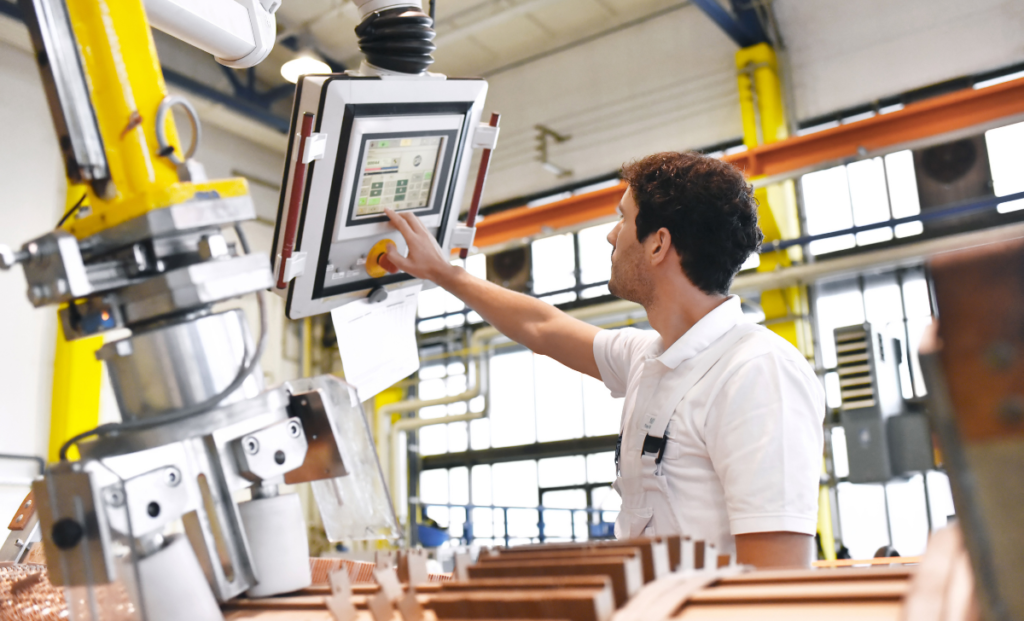
Most industries are undergoing a significant revolution thanks to smart manufacturing processes and operations. As I examine into this transformative world, I’ll showcase how automation, IoT, and data analytics are reshaping efficiencies and production workflows. You’ll discover both the challenges we face in navigating this technological landscape and the opportunities it presents for innovation and competitiveness. Embracing these changes can ultimately lead to enhanced productivity and sustainability in your operations, making it an exciting time to engage with smart manufacturing technologies.
The Evolution of Smart Manufacturing
To understand the evolution of smart manufacturing, we must acknowledge the significant shifts that have molded this industry. From the initial mechanization of processes during the Industrial Revolution to the current age of digital transformation and automation, manufacturing has undergone immense changes. Today, smart manufacturing integrates advanced technologies like IoT, artificial intelligence, and data analytics, enabling more efficient and sustainable operations. This evolution has not only improved productivity but also enhanced decision-making processes, allowing for greater customization and responsiveness in the market.
Historical Context
Between the late 18th and early 19th centuries, the Industrial Revolution marked the inception of modern manufacturing, introducing mechanical production methods that significantly changed labor and output processes. The introduction of electricity and assembly lines in the early 20th century further revolutionized manufacturing by increasing efficiency. As we transitioned into the digital age, the rise of the internet and computer technology laid the groundwork for integrating smart technologies into manufacturing processes, paving the way for intelligent systems that we see today.
Key Technological Advancements
Beside the historical context, significant technological advancements have driven the transformation of smart manufacturing. The proliferation of Internet of Things (IoT) devices enables real-time data collection and analysis, while artificial intelligence (AI) enhances decision-making through predictive analytics. Furthermore, robotics and automation have drastically improved operational efficiency by minimizing human error and increasing productivity. Collectively, these advancements foster a connected factory environment where machine-to-machine communication can optimize processes, reduce downtime, and enhance overall agility.
A thorough exploration of these key technological advancements reveals their profound impact on the manufacturing landscape. The incorporation of IoT technology allows for a comprehensive monitoring system, ensuring that every element of production is tracked and optimized in real-time. With AI algorithms, I can predict potential equipment failures before they occur, significantly minimizing costly downtimes. Additionally, advanced robotics take over repetitive tasks, allowing human workers to focus on more complex, value-added responsibilities. Together, these technologies create a manufacturing ecosystem characterized by greater flexibility, efficiency, and the ability to swiftly adapt to market demands.
Core Components of Smart Manufacturing
One of the key aspects of smart manufacturing is its core components, which enable manufacturers to enhance productivity, efficiency, and overall operational excellence. These components work together seamlessly to create an interconnected environment where data flows in real-time, paving the way for strategic decision-making and optimization throughout the production process.
Internet of Things (IoT)
Above all, the Internet of Things (IoT) serves as the backbone of smart manufacturing by connecting machines, sensors, and devices across the production floor. This connectivity allows for the collection and sharing of data, delivering insights that drive operational improvements and facilitate predictive maintenance, ultimately enhancing productivity and reducing downtime.
Artificial Intelligence and Machine Learning
Intelligence in smart manufacturing is powered by Artificial Intelligence (AI) and Machine Learning (ML), which analyze vast amounts of data collected from IoT devices. These technologies enable manufacturers to identify patterns, predict outcomes, and enhance decision-making processes, driving efficiency and innovation throughout the industry.
Artificial Intelligence and Machine Learning are transforming the landscape of manufacturing by providing automated insights that help optimize processes. With the ability to analyze data in real-time, these technologies reduce human error and foster a proactive approach to challenges. As AI and ML continuously learn from incoming data, they refine operations, uncovering trends that lead to significant cost savings and enhanced quality control. By integrating these cutting-edge technologies, I empower your manufacturing strategy to stay ahead in a rapidly evolving market.
Benefits of Smart Manufacturing Processes
The benefits of smart manufacturing processes are numerous and impactful. By integrating advanced technologies like IoT, AI, and automation, companies can optimize their operations, reduce costs, and enhance overall productivity. The ability to gather real-time data allows for informed decision-making, ultimately leading to better resource allocation and improved operational resilience. This transformation not only benefits the bottom line but also paves the way for sustainable practices in the manufacturing sector.
Increased Efficiency
For manufacturers, increased efficiency is one of the most significant advantages of smart manufacturing processes. By leveraging automation and data analytics, you can streamline workflows, reduce downtime, and minimize waste. This translates into quicker production cycles and a more agile response to market demands, giving you a competitive edge in a fast-paced environment.
Enhanced Product Quality
Along with increased efficiency, enhanced product quality is another vital benefit of smart manufacturing processes. With the implementation of smart technologies, you can track and analyze every phase of the production process, ensuring that each product meets the highest standards.
For instance, real-time monitoring allows you to identify defects or inconsistencies instantly, enabling you to take corrective measures before products leave the facility. Additionally, advanced machine learning algorithms can identify patterns in data that might indicate potential quality issues. By employing these technologies, you can maintain consistency in your products, leading to higher customer satisfaction and reduced return rates. The end result is a solid reputation for quality, making your products more favorable in a competitive marketplace.
Challenges in Implementing Smart Manufacturing
Not all organizations find it easy to adopt smart manufacturing processes. While the benefits are significant, various challenges can hinder the transition. From technological integration to workforce training, companies must navigate a complex landscape of obstacles that can slow down implementation and impact overall efficiency. I believe addressing these issues head-on is important for realizing the full potential of smart manufacturing.
Integration Issues
One major challenge lies in the integration of existing systems with new technologies. Many manufacturers operate on legacy systems that are not designed to communicate with modern smart manufacturing tools. This disconnect can lead to inefficiencies and data silos, making it difficult for your operations to become fully optimized. I suggest conducting a thorough assessment of your current infrastructure before initiating any integration efforts.
Workforce Adaptation
One significant barrier to smart manufacturing is workforce adaptation. As new technologies emerge, your workforce must be equipped with the necessary skills to utilize them effectively. The transition can often lead to resistance, as employees may feel overwhelmed or fear job displacement. It’s important to address these concerns through comprehensive training programs that highlight the positive aspects of technology adoption.
With smart manufacturing advancing at a rapid pace, skilling your workforce becomes paramount. Investing in upskilling and training employees not only alleviates concerns about job security but also enhances overall productivity. I see this as an opportunity for your team to embrace change and adapt to new roles that utilize their expertise alongside cutting-edge technology. Encouraging a culture of continuous learning will prepare your workforce to meet the demands of tomorrow’s manufacturing landscape, ultimately fostering a sense of ownership and commitment to your organization’s goals.
Case Studies: Successful Smart Manufacturing Initiatives
For those exploring the impact of smart manufacturing, these case studies provide insightful evidence of transformation across industries:
- Siemens: Decreased production time by 25% through automation, improving productivity.
- General Electric: Cut operational costs by 15% by implementing IoT solutions for real-time monitoring.
- Boeing: Achieved a 30% reduction in assembly time through augmented reality technologies.
- Toyota: Enhanced supply chain efficiency, reducing waste by 40% with smart logistics.
- Procter & Gamble: Increased product quality by 20% by using data analytics for predictive maintenance.
Industry Leaders
By examining the approaches of industry leaders, I see how established companies leverage smart manufacturing technologies to streamline processes and achieve significant savings. Their investments in automation and data analytics not only improve efficiency but also foster innovation, positioning them ahead of the competition.
Emerging Startups
Below, I highlight the incredible potential of emerging startups in the smart manufacturing space. These companies are not bound by legacy systems, allowing them to embrace the latest technologies fully and disrupt traditional manufacturing paradigms.
Further, several promising startups have embraced smart manufacturing, leveraging AI, machine learning, and IoT to optimize production. For instance, a recent startup reported a 50% increase in production efficiency and a 70% reduction in downtime. Their agile approaches allow for rapid innovation cycles, attracting investment and attention. This dynamic environment fosters a culture of innovation and challenges you as established players to innovate continually.
The Future of Smart Manufacturing
Despite the rapid advancements in technology, the future of smart manufacturing looks incredibly promising. I see an industry that is increasingly interconnected, where artificial intelligence and data analytics are driving significant improvements in efficiency and productivity. As I explore these developments, I’m encouraged by the potential for enhanced decision-making and the ability to respond quickly to changing market demands.
Trends to Watch
Among the trends shaping the future of smart manufacturing, I notice a strong emphasis on sustainability. This includes the adoption of environmentally friendly practices and the reduction of waste. I find it fascinating how companies are integrating circular economy principles to create a more sustainable approach while improving their bottom line.
Potential Innovations
About the innovations on the horizon, I see exciting advancements in autonomous robotics. These technologies will not only streamline production but also minimize human error. As factories evolve, I anticipate that the implementation of smart sensors and IoT devices will provide real-time data, enabling you to make informed decisions swiftly.
Also, I believe that the implementation of blockchain technology will enhance supply chain transparency, allowing you to track products from origin to end-user with greater accuracy. Additionally, augmented reality (AR) and virtual reality (VR) will revolutionize training and maintenance, offering immersive experiences that lead to faster skill acquisition and improved safety measures. As I study these potential innovations, the impact on operational efficiency and workforce development becomes increasingly clear, offering a brighter and more productive future for the manufacturing industry.
To wrap up
As a reminder, I believe that smart manufacturing processes and operations are genuinely reshaping the industry landscape. By embracing advanced technologies like IoT, AI, and automation, you can improve efficiency, reduce waste, and enhance product quality. This transformation not only empowers you to meet evolving consumer demands but also positions your organization for sustainable growth. As you navigate this ever-changing environment, staying informed and adaptable will be key to harnessing the full potential of smart manufacturing solutions.
FAQ
Q: What are the key benefits of implementing smart manufacturing processes?
A: Smart manufacturing processes leverage advanced technologies such as IoT, artificial intelligence, and automation to enhance operational efficiency. Key benefits include increased productivity through real-time data analysis, reduced downtime via predictive maintenance, improved quality control with automated inspections, and enhanced flexibility in production processes. Overall, these technologies enable manufacturers to respond swiftly to market demands and optimize their resources effectively.
Q: How does data analytics play a role in transforming manufacturing operations?
A: Data analytics is integral to smart manufacturing as it fosters informed decision-making by providing insights into production processes. Manufacturers collect large amounts of data from machines and systems, which is then analyzed to identify trends, inefficiencies, and potential issues. With data-driven insights, companies can streamline their operations, forecast demand more accurately, reduce costs, and enhance product quality, leading to a more competitive edge in the market.
Q: What challenges do companies face when transitioning to smart manufacturing?
A: Transitioning to smart manufacturing can present several challenges. Organizations may encounter resistance to change from employees who are accustomed to traditional processes. Additionally, the integration of new technologies with legacy systems can be complex and require significant investment. Ensuring data security and addressing concerns related to privacy are also critical issues. To overcome these challenges, it is important for companies to provide training, develop strategic implementation plans, and foster a culture of innovation.