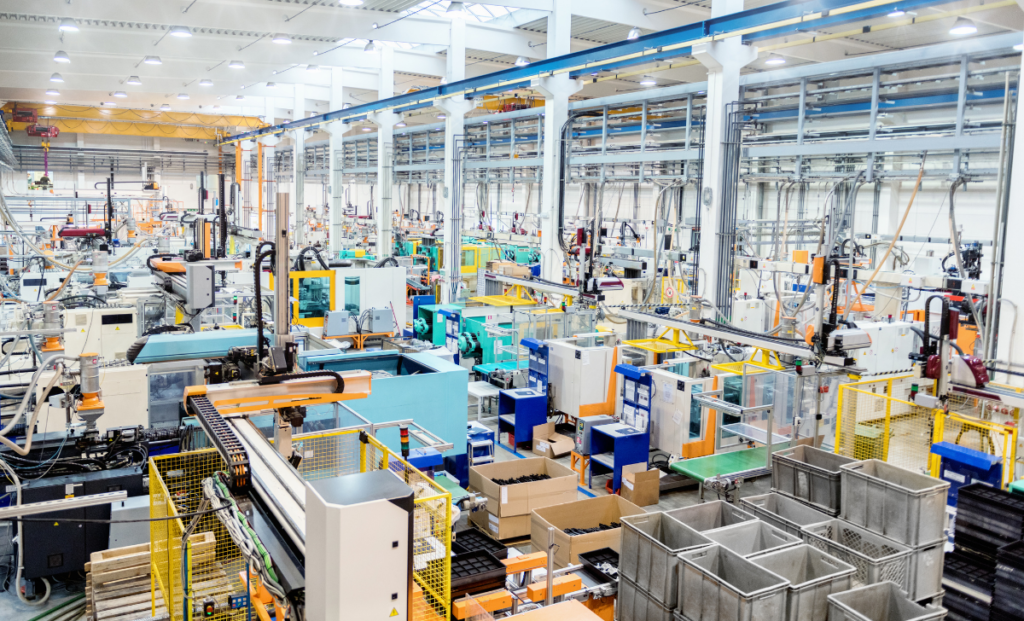
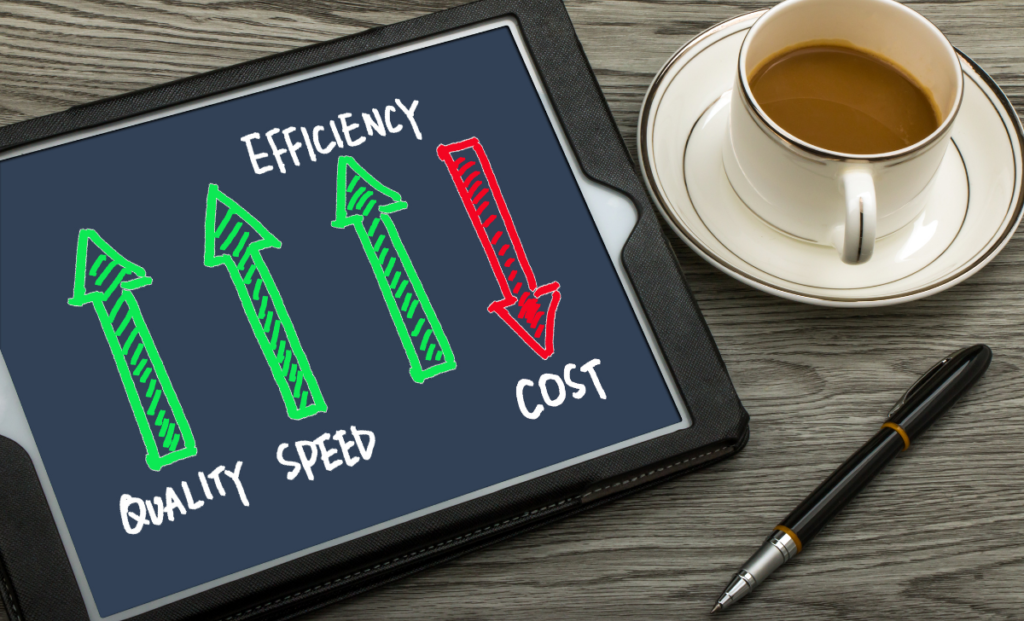
Operations are at the heart of any successful manufacturing business, and I understand the challenges you face in optimizing these processes. By identifying inefficiencies and embracing modern methodologies, you can significantly enhance productivity and reduce waste. In this post, I will share strategies that have proven effective in streamlining manufacturing operations, giving you the tools to improve your bottom line and foster a culture of continuous improvement in your workplace.
Understanding Manufacturing Processes
To optimize your production line, it’s vital to understand the various manufacturing processes involved. This knowledge allows for better decision-making regarding resource allocation and process improvement. Familiarity with each type empowers you to identify bottlenecks, enhancing overall efficiency and productivity.
Types of Manufacturing Processes
To categorize the types of manufacturing processes, I often refer to the following:
- Job Shop – Custom, small batch production
- Batch – Groups of products manufactured together
- Assembly Line – Continuous flow of production
- Continuous – Ongoing, highly automated processes
- Project – One-time production for specific projects
This framework allows you to tailor your strategies effectively.
| Manufacturing Process |
Description |
| Job Shop |
Custom, small batch production |
| Batch |
Groups of products manufactured together |
| Assembly Line |
Continuous flow of production |
| Continuous |
Ongoing, highly automated processes |
| Project |
One-time production for specific projects |
Key Elements of Efficient Operations
Beside understanding the types of manufacturing processes, focusing on the key elements of efficient operations will significantly improve your productivity. These elements include time management, resource optimization, and workforce training.
But to truly enhance your operations, you must analyze areas such as equipment maintenance, employee skillsets, and workflow organization. A well-maintained machine can prevent downtime and production delays, while trained employees can quickly adapt to new technologies. Investing time into streamlining processes not only fosters a more productive environment but also safeguards against costly errors, leading to better profitability in the long run.
Identifying Inefficiencies
While examining your manufacturing processes, it is vital to pinpoint inefficiencies that can hinder productivity. Delving into each step of the operation allows you to uncover areas that may slow down progress, increase costs, or affect quality. By systematically identifying these problem areas, you can develop targeted strategies to streamline operations, enhancing overall workflow and ensuring your resources are used efficiently.
Common Bottlenecks in Production
Before you can effectively address inefficiencies, it’s important to recognize the common bottlenecks in production. Often, these can occur due to equipment malfunctions, material shortages, or staffing issues. Identifying where delays most frequently arise enables you to focus your improvement efforts on the right areas, fostering a more productive environment.
Tools for Process Analysis
Any effective strategy for enhancing manufacturing workflows requires reliable tools for process analysis. Utilizing software solutions like flowcharting tools and Lean Six Sigma templates can help you visualize your operations and identify waste. Additionally, real-time monitoring systems can offer insights into production metrics, guiding you toward informed decisions that enhance efficiency.
In addition to software tools, I find that employing techniques such as value stream mapping can provide a clear view of your processes. With this method, you can identify waste points that may not be immediately apparent. Furthermore, leveraging data analytics allows for the assessment of performance trends and operational bottlenecks, while encouraging a continuous improvement mindset within your team. By integrating these tools, you position yourself to make impactful changes that significantly boost productivity and operational effectiveness.
Lean Manufacturing Principles
If you want to enhance your manufacturing efficiency, understanding Lean Manufacturing Principles is imperative. These principles focus on eliminating waste, optimizing processes, and fostering a culture of continuous improvement, all of which contribute to maximizing productivity. By adopting Lean practices, you position your operations for greater efficiency and responsiveness to customer needs.
Overview of Lean Concepts
Above all, Lean Manufacturing is centered on the idea of creating value for the customer while minimizing waste. It encourages eliminating anything that doesn’t add value to the product or service, from excess inventory to inefficient workflows. By streamlining processes, organizations can achieve better quality, increased speed, and enhanced overall performance.
Implementing Lean Strategies
One effective way to adopt Lean strategies is through value stream mapping. This involves analyzing each step of your manufacturing process to identify waste and inefficiencies. By visualizing your workflow, you can pinpoint areas needing improvement, guiding your efforts to enhance productivity.
And as you implement these strategies, it’s imperative to foster a culture of open communication and employee engagement. Encourage your team to share insights and suggestions, as their firsthand experiences can reveal significant improvement opportunities. Utilizing techniques such as 5S (Sort, Set in order, Shine, Standardize, Sustain) and Kaizen initiatives enables your organization to create a continuously evolving process that is responsive and efficient. This proactive approach ensures that you are always striving for higher productivity and better quality in every aspect of your operations.
Technology Integration
Not all manufacturing processes thrive on traditional methods; integrating technology is imperative for staying competitive. By leveraging advanced solutions such as automation and data analytics, I can enhance operational efficiency and reduce waste in production. Investing in modern technology not only streamlines workflows but also drives innovation and helps your business adapt to ever-changing market demands.
Automation in Manufacturing
The introduction of automation in manufacturing has transformed how I approach production lines. Machines and robotics significantly reduce manual labor and human error, resulting in faster production times and consistent quality. Moreover, automating repetitive tasks allows you to focus on more strategic areas of your operations, ultimately fostering a more productive work environment.
Utilizing Data Analytics
Manufacturing industries are increasingly turning to data analytics to inform decision-making and optimize processes effectively. By harnessing the wealth of data generated during production, I identify patterns and trends that can lead to increased efficiency and higher quality outputs. This analytical approach enables you to pinpoint bottlenecks and implement effective solutions that enhance overall productivity.
In fact, utilizing data analytics empowers you to make more informed decisions based on real-time insights. With predictive analytics, I can anticipate equipment failures before they happen, saving time and money on repairs. Additionally, customer demand forecasting allows for better inventory management, preventing excess stock and reducing waste. As a result, your manufacturing operations become not just reactive but also strategically proactive, positioning your business for sustained success. Embracing this data-driven approach presents a substantial opportunity for improvement in your manufacturing processes.
Workforce Optimization
Unlike traditional methods that rely on rigid structures, workforce optimization focuses on enhancing your team’s effectiveness through flexible strategies. By identifying individual strengths and aligning roles with employees’ skills, you can significantly boost productivity. This approach fosters stronger collaboration, innovative solutions, and increased engagement, ultimately leading to improved overall performance.
Training and Development
About investing in your workforce through comprehensive training and development programs that equip employees with the skills needed to thrive. By offering continuous learning opportunities, you not only enhance their capabilities but also motivate them to forge a deeper connection with your organization.
Fostering a Collaborative Environment
About creating a culture that encourages open communication and teamwork. By promoting a collaborative environment, I believe you can harness diverse perspectives, leading to more effective problem-solving and innovation in your manufacturing processes.
The increase in collaboration within your workplace can lead to enhanced trust and a sense of shared ownership among team members. When individuals feel empowered to voice their ideas, you’re inviting creativity that can directly impact productivity. This interconnectedness also helps break down silos, enabling faster decision-making and quicker adaptation to challenges. By prioritizing a collaborative atmosphere, you lay the foundation for continuous improvement and innovation that can give your manufacturing operations a significant edge.
Continuous Improvement Strategies
Your pursuit of maximum productivity in manufacturing can be significantly supported by adopting continuous improvement strategies. By embedding a culture of ongoing enhancement within your operations, you not only optimize workflows but also empower your team to seek innovative solutions. Embracing this mindset can lead to sustainable growth, reduce waste, and ultimately enhance the bottom line.
Kaizen Techniques
About Kaizen techniques, they are fundamentally about making small, incremental changes that yield substantial improvements over time. I encourage you to involve your entire workforce in the Kaizen process, fostering their ability to contribute their insights. By integrating these continuous feedback loops into your operational framework, you can ensure that efficiency and productivity become a shared responsibility.
Measuring Performance Metrics
An effective manufacturing operation relies heavily on accurately measuring performance metrics. These metrics provide you with important insights into your production processes, allowing you to identify areas of improvement and optimize resources efficiently.
The use of performance metrics such as cycle time, throughput, and overall equipment effectiveness (OEE) serves as a foundation for informed decision-making. By regularly reviewing these metrics, you allow yourself to pinpoint inefficiencies and establish targets for improvement. Not only do these measurements drive accountability, but they also ensure your team remains focused on achieving ongoing enhancements that benefit overall productivity. Make it a priority to analyze and revise your metrics consistently to stay ahead in the manufacturing arena.
Summing up
On the whole, streamlining manufacturing processes and operations is necessary for boosting productivity and efficiency. By focusing on optimizing workflows, adopting the latest technologies, and continuously assessing performance, I can help you identify bottlenecks and implement effective solutions. Your ability to adapt and innovate will ensure that your manufacturing operations remain competitive and responsive to market demands. By embracing a culture of improvement, you set the stage for sustainable success in your production efforts.
FAQ
Q: What are some effective strategies for streamlining manufacturing processes?
A: There are several strategies to enhance manufacturing processes. One effective approach is implementing lean manufacturing principles, which aim to minimize waste and optimize efficiency. This involves analyzing workflows, reducing unnecessary steps, and continuously improving through feedback loops. Automation is another key strategy, as it can speed up production and reduce human error. Utilizing technology for inventory management can also play a significant role in streamlining operations by ensuring that materials are available when needed, thus preventing delays.
Q: How can employee training and engagement improve productivity in manufacturing?
A: Employee training and engagement are imperative for maximizing productivity. A well-trained workforce is more proficient at their tasks, which leads to fewer mistakes and greater efficiency. Offering regular training sessions on new technologies and processes helps keep employees up-to-date, fostering a culture of continuous improvement. Engaging employees by encouraging their input on process improvements can also enhance productivity. When workers feel valued and part of the decision-making process, they are more likely to take ownership of their roles, leading to better outcomes overall.
Q: What role does technology play in optimizing manufacturing operations?
A: Technology is a significant contributor to optimizing manufacturing operations. Advanced manufacturing technologies, such as IoT (Internet of Things) devices, allow for real-time monitoring of equipment and processes, enabling quick adjustments and predictive maintenance. Data analytics can be leveraged to identify trends and inefficiencies, leading to informed decision-making. Additionally, utilizing software solutions for supply chain management and production scheduling can enhance visibility and coordination among various departments, ultimately leading to smoother operations and improved productivity.