Legal frameworks govern every aspect of the manufacturing industry, and as I navigate these complex landscapes, I recognize the importance of compliance and safety in protecting both my employees and my business. As you research into these challenges, it’s imperative to understand the regulatory requirements that keep your operations aligned with laws and standards. Additionally, preventing workplace accidents not only enhances employee morale but can also greatly affect your bottom line. Join me as I explore effective strategies to address these pressing issues in the manufacturing sector.
Understanding Legal Frameworks in Manufacturing
While the manufacturing landscape is ever-evolving, understanding the legal frameworks that govern it is important. Different laws, regulations, and guidelines provide a structured environment for operations, ensuring both compliance and operational success. Familiarizing yourself with these frameworks not only mitigates risk but also enhances your ability to navigate industry complexities effectively.
Key Regulations and Standards
Along with the general legal frameworks, specific regulations and standards underpin the manufacturing industry. These include guidelines set forth by agencies like OSHA, EPA, and ISO, which dictate workplace safety, environmental impact, and quality management. Adhering to these regulations is not only a legal obligation but also a way to improve your organization’s reputation and operational efficiency.
Role of Compliance Officers
Any manufacturing entity benefits greatly from the role of compliance officers, who are responsible for ensuring adherence to internal policies and external regulations. They act as the bridge between regulations and practical implementation, enabling organizations to maintain high standards of safety and legal compliance.
Also, compliance officers play a vital role in identifying potential risks and establishing strategies to mitigate them. They conduct regular audits and training sessions to ensure that all employees are well-informed about pertinent regulations. By staying updated on changing laws and industry standards, they help your organization avoid costly penalties and enhance its operational reputation. Their proactive involvement in compliance not only safeguards your business but also fosters a culture of accountability and excellence.
Safety Regulations and Best Practices
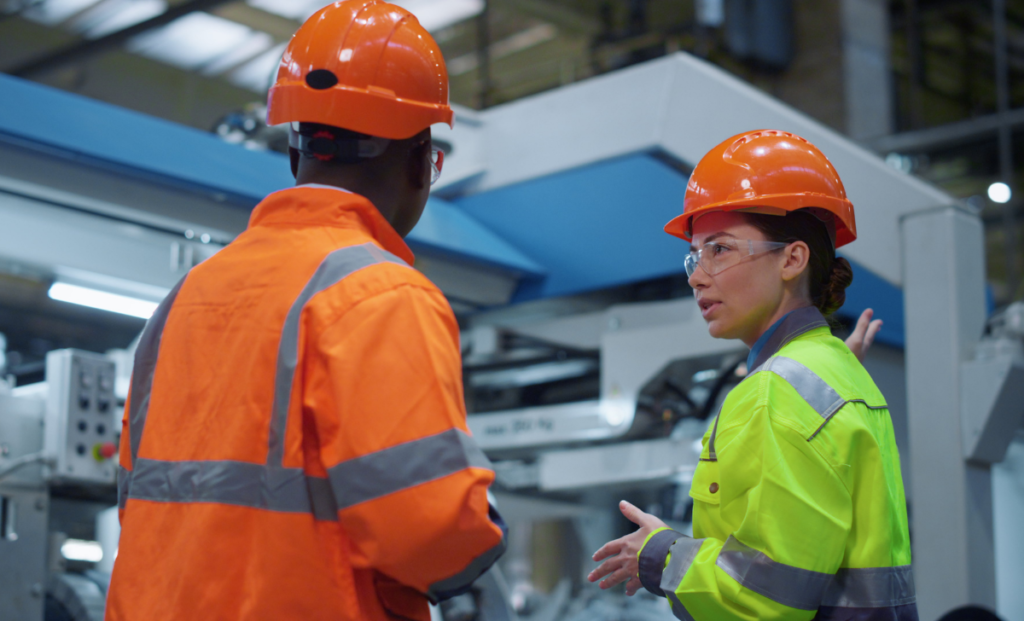
Any successful manufacturing operation must prioritize safety regulations and best practices to protect employees and minimize risks. Awareness and adherence to these regulations help create a safer work environment, ultimately leading to enhanced productivity and lower accident rates. Engaging your team in safety training and fostering a culture of safety are key components in maintaining compliance and ensuring every individual feels accountable for their own safety and that of others.
Occupational Safety and Health Administration (OSHA) Guidelines
Administration enforces standards that help prevent workplace injuries and illnesses. Familiarizing yourself with OSHA guidelines is imperative for compliance, as they outline the responsibilities of employers and employees in ensuring a safe work environment. You should regularly review and update safety protocols, conduct risk assessments, and provide necessary training to align with these guidelines effectively.
Implementing Safety Protocols
Before any manufacturing process begins, implementing safety protocols is necessary to safeguard your workforce. By developing comprehensive safety training programs and regularly updating them, you can ensure everyone understands their role in maintaining a safe environment. Communication and collaboration among your team members will further solidify your safety culture.
But implementing safety protocols goes beyond just training; it involves establishing a clear set of procedures to follow in case of emergencies. Regularly revisiting these protocols ensures that equipment is adequately maintained and hazards are promptly identified. Involving your employees in safety audits not only empowers them but also encourages a sense of ownership towards maintaining a safe workplace. Ultimately, fostering a proactive approach to safety not only protects your most valuable assets—your employees—but also contributes to your organization’s overall success.
Risk Management and Liability
Clearly, navigating risk management and liability in the manufacturing sector is vital for protecting your business. I understand that any misstep can lead to significant financial repercussions and damage to reputation. By proactively addressing these issues, you can create a safer workplace while safeguarding your interests. It’s imperative to continuously assess risks and ensure compliance with applicable regulations to foster a resilient operation.
Identifying Legal Risks
Around every corner in the manufacturing industry lie potential legal risks that can arise from various sources, including regulatory compliance, workplace safety, and contractual obligations. By staying informed about ever-evolving laws and industry standards, you can pinpoint areas that might expose you to liability. Conducting regular audits and engaging with legal experts will enable you to better identify these risks and implement measures to address them effectively.
Strategies for Mitigating Liability
Alongside identifying legal risks, implementing effective strategies for mitigating liability is imperative for your manufacturing operations. By fostering a culture of safety, providing employee training, and ensuring adherence to regulations, you can minimize potential legal challenges. Regular reviews of policies and procedures can further enhance your company’s compliance and readiness to address any disputes that may arise.
A proactive approach plays a significant role in strengthening your defenses against liability. This includes developing comprehensive safety programs that educate employees about hazard recognition and prevention while also encouraging open communication regarding concerns. Regularly updating training protocols ensures your team remains well-informed of the latest regulations. Moreover, establishing a robust documentation process will provide valuable records to support your stance in case of disputes. By committing to these strategies, you not only protect your business but also create a safer work environment for your employees.
Environmental Compliance Issues
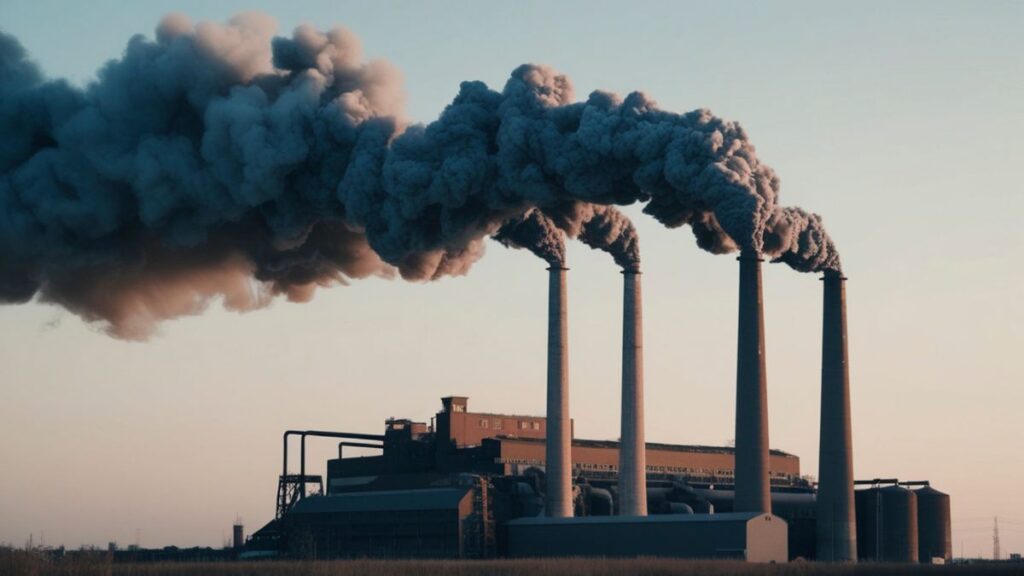
All manufacturers must address stringent environmental compliance issues to avoid penalties and foster a sustainable future. With various local, national, and international regulations, understanding these requirements is key to maintaining operational integrity and corporate reputation. Ensuring compliance not only protects the environment but also builds trust with stakeholders.
Navigating Environmental Regulations
Between navigating complex regulations and keeping your operations compliant, it can be overwhelming. Familiarizing yourself with the specific environmental laws governing your industry is imperative. I recommend collaborating with legal experts and regularly reviewing policies to stay updated on any changes that might impact your business.
Sustainable Manufacturing Practices
Sustainable practices focus on reducing waste, conserving energy, and minimizing environmental impact. By implementing these methods, you can improve efficiency while contributing to a healthier planet. I urge you to explore initiatives such as using renewable resources or optimizing production processes to achieve sustainability goals.
Practices such as energy-efficient technologies, waste reduction strategies, and responsible sourcing of materials are not just beneficial for the environment; they can also lead to significant cost savings. Additionally, adopting a circular economy approach, where products are designed for reuse and recycling, can prevent waste and minimize your carbon footprint. By prioritizing sustainable practices, you will not only comply with regulations but also position your business as a forward-thinking leader in the manufacturing industry.
Training and Employee Engagement
For any manufacturing facility, effective training and employee engagement are vital for fostering a safe and compliant workplace. By prioritizing such initiatives, we ensure that team members are well-prepared to understand and navigate the legal, compliance, and safety challenges inherent in the manufacturing sector. When employees feel engaged and adequately trained, they are more likely to uphold standards and contribute positively to the organization’s goals.
Importance of Training Programs
By implementing comprehensive training programs, you empower your employees with the knowledge necessary to adhere to safety regulations and operate equipment safely. This not only minimizes risks but also enhances operational efficiency and encourages an informed workforce that understands their responsibilities.
Cultivating a Safety Culture
By fostering a strong safety culture within your organization, you create an environment where employees prioritize safety in their daily tasks. This culture significantly reduces the likelihood of accidents and ensures compliance with industry regulations, ultimately benefiting your bottom line.
Understanding the significance of a safety culture means recognizing its impact on every aspect of your operations. A strong safety culture is characterized by open communication, shared responsibility, and the active participation of every employee in safety protocols. By promoting this mindset, you empower your team to take ownership of safety practices, leading to a workplace where preventable incidents are minimized, creating a more productive and motivated workforce. Taking these steps transforms safety from a mere compliance requirement to a shared value within your company culture.
Technology and Compliance Solutions
Unlike traditional methods, technology offers innovative compliance solutions that help manufacturers manage regulations efficiently. By integrating software and automation, I can streamline processes, track compliance metrics, and ensure that safety measures are consistently met. Advanced analytics tools enable me to identify potential risks and respond proactively, reducing liability and enhancing overall safety within the manufacturing environment.
Digital Tools for Monitoring Compliance
Around the clock, digital tools simplify the process of monitoring compliance standards in real-time. I can leverage cloud-based platforms and mobile applications to keep constant tabs on operational practices and regulatory updates. These tools not only improve oversight but also facilitate timely adjustments to processes, ensuring that you remain compliant with industry standards while minimizing administrative burdens.
Data Security and Privacy Considerations
On the subject of data security, it’s necessary to safeguard sensitive information related to compliance practices. Cybersecurity threats can have significant implications for your manufacturing operations, as breaches may expose confidential data or lead to regulatory fines.
To enhance security, I prioritize implementing industry-standard encryption protocols and regularly updated software to protect sensitive information from unauthorized access. Additionally, employee training on data privacy policies is necessary to foster a culture of vigilance. Consistently monitoring the security landscape allows me to quickly address vulnerabilities and adapt to emerging threats, ensuring that both compliance and data privacy are maintained effectively in our manufacturing practices.
Conclusion
Considering all points, navigating the legal, compliance, and safety challenges in the manufacturing industry requires a proactive and informed approach. I encourage you to stay updated on regulations, implement comprehensive safety protocols, and foster a culture of compliance within your organization. By prioritizing these aspects, you can mitigate risks and enhance operational efficiency, ultimately leading to a safer and more productive environment for your employees and stakeholders alike.
Q: What are the main legal challenges faced by manufacturers in the current environment?
A: Manufacturers face several legal challenges, including compliance with local, national, and international regulations on labor, environmental protection, and product safety. Intellectual property issues are also significant, as companies need to protect their innovations while navigating potential infringement claims. Additionally, manufacturers must address contractual obligations with suppliers and customers, ensuring that all parties adhere to agreed-upon terms to avoid disputes.
Q: How can manufacturers ensure compliance with safety regulations?
A: To ensure compliance with safety regulations, manufacturers should first conduct a thorough assessment of applicable laws and standards relevant to their industry, such as OSHA regulations in the United States. Implementing comprehensive training programs for employees on safety protocols is important. Regular audits and inspections of manufacturing processes and equipment can help identify potential hazards. Additionally, establishing a safety culture within the organization, encouraging employee feedback, and promptly addressing safety concerns contribute to maintaining compliance.
Q: What role does technology play in navigating compliance and safety challenges in manufacturing?
A: Technology plays a significant role in helping manufacturers navigate compliance and safety challenges. Advanced software solutions can streamline compliance tracking and documentation, ensuring that all regulatory requirements are met efficiently. Automated systems for monitoring workplace safety can provide real-time data on equipment performance and employee conditions, helping to identify and mitigate risks proactively. Moreover, technology enables better training simulations for employees, allowing them to practice safety procedures in a controlled environment, thus enhancing overall workplace safety.