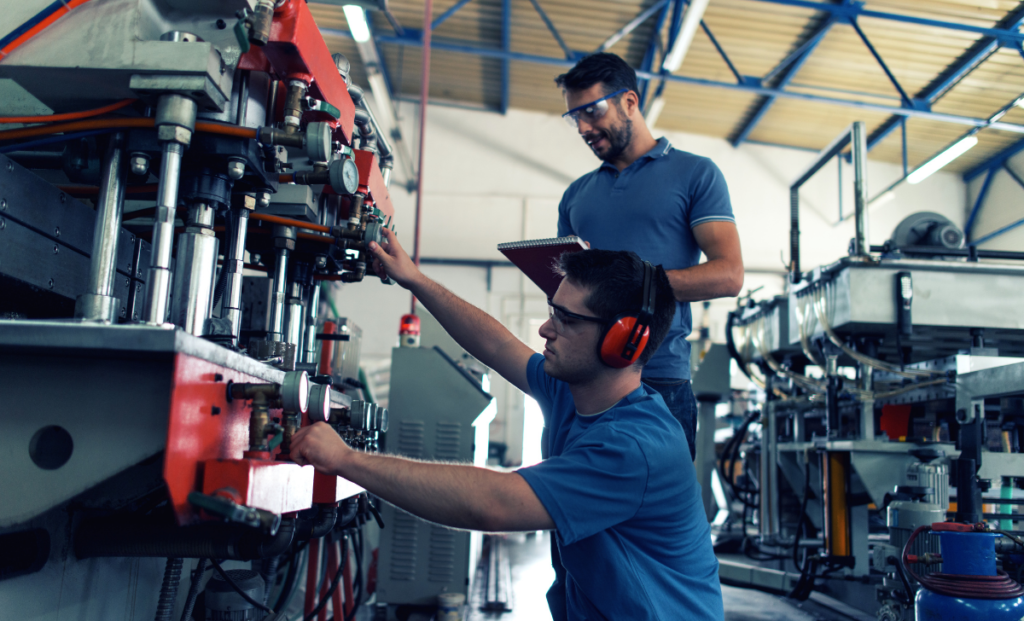
Many manufacturers overlook the importance of legal, compliance, and safety standards, which can lead to dire consequences for both your business and employees. In this post, I will guide you through the important guidelines that you need to establish a safe work environment, avoid legal pitfalls, and maintain regulatory compliance. By prioritizing these elements, you not only protect your workforce but also enhance your company’s reputation and operational efficiency. Join me as we explore the best practices that can contribute to your industry’s success.
Understanding Legal Requirements
While navigating the complexities of manufacturing, it is crucial to grasp the legal requirements that govern your operations. These regulations not only ensure compliance but also foster a safe workplace. Your understanding of these laws will help mitigate risks and enhance your business’ reputation in the industry.
Federal Regulations
Across the United States, federal regulations establish a baseline for safety and compliance in manufacturing. Key agencies such as OSHA, EPA, and the FDA set standards that can significantly impact your processes. Ensuring your practices align with these regulations is vital for maintaining your operational license and avoiding penalties.
State and Local Laws
After addressing federal requirements, it’s equally important to consider state and local laws that may impose additional obligations. Variances can exist between jurisdictions, affecting everything from environmental standards to labor laws, and I encourage you to stay informed on these local requirements.
Plus, understanding your state and local laws can greatly influence your operational success. Each area may have specific regulations that impact labor costs, environmental compliance, and workplace safety. Failure to comply with these laws can lead to significant fines and legal repercussions. Staying proactive in tracking these regulations can not only protect your enterprise but also enhance your reputation and foster trust with your stakeholders.
Compliance Frameworks
Even in a rapidly evolving manufacturing landscape, establishing a robust compliance framework is vital for ensuring operational success and legal adherence. By aligning with industry standards and regulatory requirements, you can create a foundation that supports continuous improvement and risk management, ultimately leading to enhanced productivity and sustainability.
OSHA Standards
After understanding the importance of compliance frameworks, I emphasize the significance of adhering to OSHA standards in the manufacturing sector. These regulations are designed to ensure workplace safety, helping to prevent accidents and injuries. By implementing OSHA guidelines, you not only protect your workforce but also improve operational efficiency.
ISO Certifications
Among the various compliance frameworks, obtaining ISO certifications stands out as a testament to your commitment to quality and continuous improvement. Achieving ISO certification signifies that your manufacturing processes meet globally recognized standards, enhancing your market reputation and customer trust.
For instance, ISO 9001 focuses on quality management systems, ensuring that your products consistently meet customer expectations. Achieving this certification can lead to greater operational efficiency and a reduction in waste. Similarly, ISO 14001 demonstrates your commitment to environmental management, which not only helps you comply with regulations but also promotes sustainable practices. As you engage in ISO certification processes, you establish a culture of excellence that can set your organization apart in a competitive landscape.
Safety Protocols in Manufacturing
One of the most vital aspects of manufacturing success is the implementation of robust safety protocols. These protocols are designed to protect employees, equipment, and the environment while ensuring compliance with industry regulations. By establishing comprehensive safety measures, you not only create a safe workplace but also enhance productivity and foster a culture of responsibility among your team.
Risk Assessment Strategies
An effective risk assessment strategy is important for identifying potential hazards in the manufacturing process. By conducting thorough evaluations, I can pinpoint risks and develop actionable mitigation plans. This proactive approach not only minimizes the likelihood of accidents but also establishes a framework for continuous safety improvement, ensuring that you maintain optimal safety standards in your operations.
Employee Training Programs
Above all, successful manufacturing relies heavily on well-structured employee training programs that prioritize safety. These programs equip your workforce with the necessary skills and knowledge to recognize hazards and respond effectively. This commitment to training fosters a safety-first mindset among your employees, significantly reducing workplace incidents.
Training is an ongoing process that emphasizes your commitment to providing employees with the best possible safety education. Comprehensive employee training programs typically cover important safety procedures, emergency response plans, and the proper use of equipment. By engaging your team through hands-on exercises and realistic scenarios, you empower them to identify potential hazards and act swiftly in emergencies. Furthermore, a strong emphasis on regular updates and retraining ensures that your workforce remains current with the latest safety protocols, ultimately fostering a culture of safety throughout your organization.
Environmental Compliance
For any manufacturing operation, adhering to environmental compliance is imperative for sustainable growth and legal integrity. It ensures that your business minimizes its ecological impact while following the necessary laws and regulations. By implementing effective environmental strategies, you not only protect natural resources but also build a positive reputation among stakeholders and clients.
Waste Management Regulations
With strict waste management regulations in place, it is imperative that you develop a comprehensive plan for handling and disposing of industrial waste. This includes identifying hazardous materials, implementing recycling programs, and ensuring that waste disposal aligns with local and federal guidelines to prevent significant penalties.
Emission Standards
Regulations surrounding emission standards dictate the amount of pollutants your manufacturing facility can release into the atmosphere. These standards are instrumental in promoting cleaner air and public health while emphasizing the responsibility of businesses to innovate and adopt greener technologies.
Even though complying with emission standards can initially seem daunting, the rewards are significant. Non-compliance can lead to hefty fines and severely damage your business reputation. Conversely, by adhering to these standards, you can not only avoid such risks but also enhance operational efficiency and contribute positively to environmental stewardship. By adopting cleaner technologies and practices, your facility may even benefit from incentives aimed at fostering sustainability. As you navigate these regulations, prioritize staying informed and proactive—a step that will safeguard both your business and the environment.
Best Practices for Maintaining Compliance
Despite the complexities of legal and regulatory frameworks, maintaining compliance in manufacturing is important for your operational success and reputation. By actively engaging with compliance measures, I can help you minimize risks and ensure that your processes meet the required standards. Adhering to best practices not only safeguards your business but also enhances productivity and quality across your manufacturing processes.
Regular Audits and Inspections
Below are some key strategies for conducting regular audits and inspections. You should establish a robust schedule to intermittently assess compliance with regulatory standards, which can help identify any areas of concern before they escalate into significant issues. I find that using a checklist tailored to your specific operations aids in ensuring nothing is overlooked during these audits, leading to consistent improvements in your processes.
Documentation and Record-Keeping
After implementing compliance measures, strong documentation and record-keeping practices are vital for demonstrating adherence to regulations. You should maintain accurate logs of all processes, compliance efforts, and incidents, as these records can provide critical insights for future reference and audits.
Also, thorough documentation not only serves as a legal safeguard but also promotes a culture of transparency and continuous improvement. I advise keeping records of training sessions, safety protocols, and incident reports, as they provide a clear history of compliance that can be invaluable during audits. This diligence not only enhances your reputation with regulatory bodies but can also lead to improved safety outcomes, protecting both your employees and your business’s future.
The Role of Technology in Compliance and Safety
Your organization can greatly benefit from leveraging advanced technologies to enhance compliance and safety protocols in manufacturing. Utilizing smart systems enables you to track and manage regulatory requirements effectively, reducing risks and promoting a culture of safety. By integrating technology into your operations, you can ensure that your compliance processes are not only efficient but also aligned with industry standards.
Automation and Monitoring Tools
Against the backdrop of increasing regulatory demands, automation and monitoring tools can provide a robust solution for maintaining safety and compliance in manufacturing. These technologies allow you to streamline your processes, minimize human error, and ensure real-time reporting on safety standards and compliance metrics.
Data Analysis for Compliance Tracking
Beside automation, effective data analysis serves as a backbone for compliance tracking in the manufacturing sector. This analytical approach empowers you to pinpoint inconsistencies, forecast risks, and adapt strategies in real-time, assuring optimal safety measures are maintained.
Role of data analysis in compliance tracking cannot be overstated. By utilizing advanced analytical tools, I can identify patterns and trends that indicate potential compliance breaches before they become serious issues. Leveraging AI and machine learning algorithms, I can enhance decision-making processes, enabling the organization to proactively address risks. Effective data management ensures that your team stays informed and compliant, while fostering a safety-centric work environment that ultimately leads to a positive culture around compliance and safety in manufacturing.
Conclusion
Presently, I believe that adhering to legal, compliance, and safety guidelines is vital for your success in manufacturing. By prioritizing these aspects, you not only protect your workforce but also enhance your reputation and operational efficiency. I urge you to regularly examine and update your practices to remain compliant with evolving regulations. Your commitment to maintaining a safe and lawful environment ultimately fosters innovation, promotes trust, and drives the overall success of your organization.
Q: What are the key legal regulations that manufacturers must comply with?
A: Manufacturers need to adhere to several key legal regulations including the Occupational Safety and Health Administration (OSHA) standards, which ensure safe working conditions, and the Environmental Protection Agency (EPA) regulations that govern environmental safety. Additionally, product safety laws, such as those under the Consumer Product Safety Commission (CPSC), mandate that products meet specific safety requirements before reaching consumers. Compliance with these regulations not only promotes a safer working environment but also protects the business from potential legal repercussions.
Q: How can manufacturers ensure compliance with safety standards in the workplace?
A: Manufacturers can ensure compliance with safety standards by conducting regular training sessions for employees about workplace safety protocols and hazard recognition. Implementing a safety management system that includes risk assessments, incident reporting, and regular safety audits is also beneficial. Furthermore, maintaining clear documentation of safety practices and compliance activities allows for easier verification during inspections and audits, helping to identify areas for improvement and reinforce a culture of safety within the organization.
Q: What steps should be taken to maintain environmental compliance in manufacturing?
A: To maintain environmental compliance, manufacturers should first understand and assess the specific environmental laws that apply to their operations. This includes regulations related to waste management, emissions, and resource consumption. Regularly monitoring and reporting environmental performance can help ensure compliance and identify any areas of concern. Additionally, investing in sustainable practices, such as waste reduction initiatives and resource-efficient technologies, not only helps in compliance but also enhances the company’s reputation and operational efficiency.