You may be wondering what the future holds for the manufacturing sector as technology rapidly evolves. I’ll explore key trends that are shaping our industry, including the rise of automation, sustainability practices, and the increasing demand for digital transformation. By understanding these factors, you can position your business to not only adapt but thrive in this changing landscape. Join me as I probe into actionable insights that can help you lead your organization to success.
Key Industry Trends
For manufacturing leaders, staying ahead of the curve involves recognizing industry trends that shape the future landscape. Technologies such as automation, artificial intelligence, and the ongoing evolution of supply chain management are transforming operations and driving efficiency. Adapting to these trends will not only enhance competitiveness but also foster resilience in a rapidly changing market.
Digital Transformation
By embracing digital transformation, I can revolutionize manufacturing processes. This evolution involves integrating advanced technologies like IoT, machine learning, and data analytics, enabling real-time insights and streamlined operations. The potential for increased productivity and reduced costs makes this transition necessary for any forward-thinking business.
Sustainability Initiatives
Across the manufacturing sector, there is a growing emphasis on sustainability initiatives that aim to minimize environmental impact. By adopting green practices, I can not only enhance my company’s reputation but also meet the rising demand for eco-friendly products.
The shift towards sustainability is not just beneficial for the planet; it can also drive long-term cost savings and improved brand loyalty. Companies that invest in sustainable practices, like reducing waste and adopting renewable energy sources, can significantly decrease their carbon footprint. As consumers become more environmentally conscious, those who prioritize sustainable innovation are better positioned to attract and retain customers, ultimately leading to a more resilient business model.
Emerging Technologies
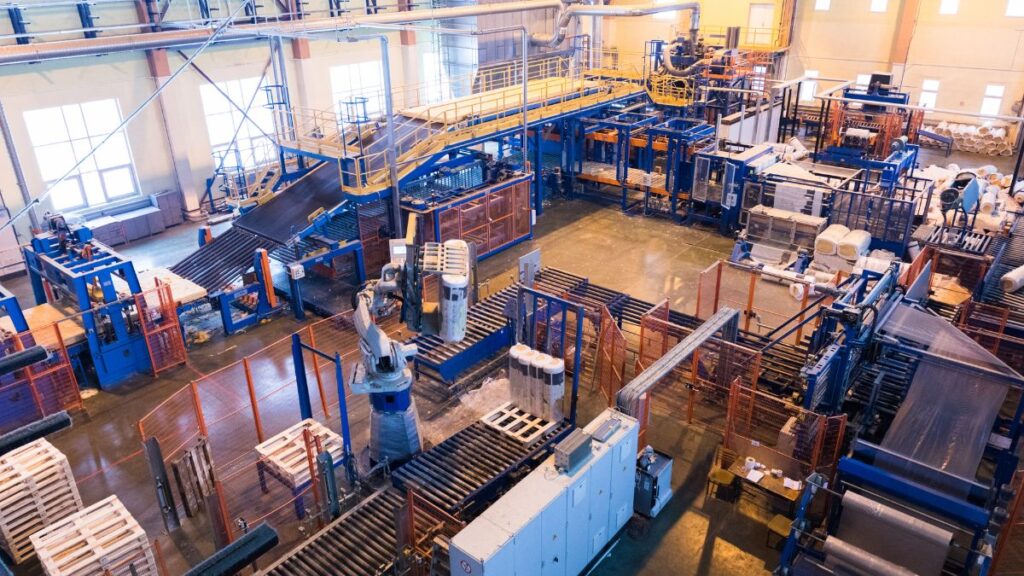
Now, as we witness rapid advancements, emerging technologies are reshaping the manufacturing landscape. These innovations, including automation, robotics, and artificial intelligence, are not just enhancing efficiency but also redefining how organizations operate. As a leader in this field, it’s necessary for you to stay abreast of these technological trends to harness their full potential in driving your business forward.
Automation and Robotics
By implementing automation and robotics, you can significantly reduce operational costs and enhance production efficiency. Automated systems streamline repetitive tasks, allowing your workforce to focus on more strategic activities. With robotics becoming more sophisticated, you’ll find opportunities for innovation and increased productivity in your manufacturing processes.
Artificial Intelligence and Machine Learning
Technologies such as artificial intelligence (AI) and machine learning are revolutionizing manufacturing practices. These intelligent systems analyze vast amounts of data to uncover insights and optimize operations. By integrating AI, you can predict equipment failures, enhance quality control, and even personalize products to meet customer demands. Automating data analysis not only speeds up decision-making but can ultimately lead to significant cost savings and improved customer satisfaction.
In fact, the impact of AI and machine learning is profound. These technologies empower your organization to make data-driven decisions, reduce downtime, and improve operational efficiency. As you adopt AI tools, you gain the ability to anticipate market trends, which is pivotal in maintaining a competitive edge. Embracing these innovations can lead to improved productivity and a more agile response to changes in consumer preferences and market dynamics.
Supply Chain Resilience
Some manufacturing leaders are recognizing the importance of building robust supply chain resilience to navigate unforeseen disruptions. As we continue to face challenges such as global pandemics and geopolitical tensions, it is important for businesses to adopt strategies that enhance flexibility and adaptability in their supply chains. By focusing on resilience, leaders can mitigate risks and ensure smoother operations.
Diversification Strategies
Above all, you should consider implementing diversification strategies to strengthen your supply chain. By sourcing materials and components from multiple suppliers or exploring new markets, you can reduce dependency on any single source, thereby enhancing your supply chain’s overall resilience. This approach not only prepares you for potential disruptions but also opens up new opportunities for growth.
Risk Management Approaches
Below, risk management approaches play a vital role in fortifying your supply chain against potential threats. By identifying, assessing, and mitigating risks beforehand, you position your business to respond effectively to challenges and maintain operational continuity.
Another important aspect of risk management involves conducting regular assessments to identify vulnerabilities within your supply chain. By implementing a dynamic system for monitoring these risks, you can swiftly adapt your strategies as needed. Investing in technology to enhance visibility and data analytics will allow you to anticipate potential disruptions. Additionally, creating a strong partnership network with suppliers and stakeholders can provide a collective shield against uncertainties. Ultimately, these proactive measures empower you to sustain performance while emerging stronger from challenges.
Workforce Development
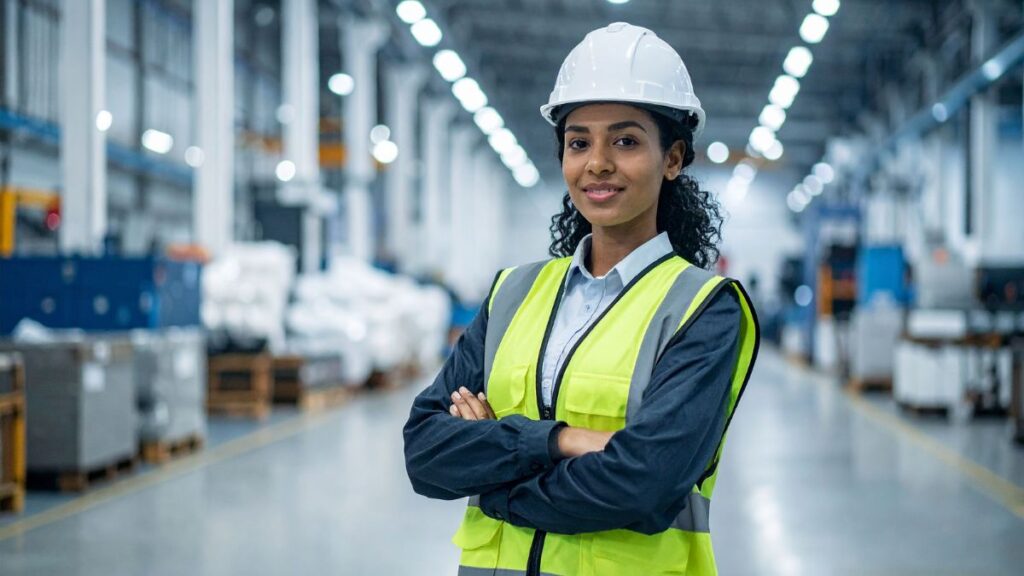
After recognizing the importance of a skilled workforce, manufacturing leaders must invest in workforce development to remain competitive. This involves not only attracting new talent but also nurturing existing employees’ skills. With evolving technologies, businesses need to create a culture of continuous learning, ensuring that teams are well-equipped to handle the demands of modern manufacturing.
Skill Gap Analysis
After assessing your team’s current capabilities, conducting a skill gap analysis is vital to identify areas for improvement. This process enables you to pinpoint specific skills that are lacking in your organization compared to industry standards. Emphasizing on this analysis can streamline your training programs and development initiatives, ensuring that your workforce is aligned with future business goals.
Talent Acquisition Strategies
Skill gaps highlight the need for effective talent acquisition strategies to bring the right individuals into your organization. A streamlined recruitment process should focus on aligning your hiring criteria with the skills and expertise required for the future. Utilizing data-driven approaches can help you identify the best candidates who can contribute to your business objectives, ultimately increasing productivity and innovation.
A strategic talent acquisition plan is about more than just filling positions; it’s about finding individuals who will add value to your organization. I look for candidates who possess both technical skills and cultural fit for my team. By leveraging online platforms, establishing partnerships with educational institutions, and implementing proactive networking techniques, you can build a robust talent pipeline. This approach not only strengthens your workforce but also fosters a positive company reputation, attracting high-quality candidates eager to join your organization.
Innovating for the Future
Keep pushing the boundaries of what’s possible in manufacturing by embracing innovation. The future demands that leaders not only adapt to new technologies but also integrate them into their operational frameworks. By fostering a culture of continuous improvement and exploration, businesses can stay ahead of the competition and redefine manufacturing standards.
Product Lifecycle Management
With effective Product Lifecycle Management (PLM), I can streamline processes, enhance collaboration, and reduce time-to-market. Implementing PLM tools allows you to gain deeper insights into your products, manage changes efficiently, and ensure compliance throughout the lifecycle, ultimately leading to improved profitability.
Customer-Centric Manufacturing
After adopting a customer-centric approach in manufacturing, I have seen transformational benefits for businesses. This strategy focuses on understanding consumer needs, enhancing product customization, and improving overall experience, leading to higher customer satisfaction and loyalty.
This shift towards customer-centric manufacturing empowers you to deliver precisely what your clients want, minimizing the risk of overproduction and waste. By prioritizing their preferences, your company can connect more deeply with customers, fostering loyalty and driving repeat business. In an era where personalization is key, ignoring these trends can leave your business vulnerable to competitors willing to meet customer demands. Therefore, investing in customer insights and adapting production accordingly can lead to enhanced profitability and a stronger market position.
Regulatory Changes and Compliance
Unlike previous years, manufacturers now face a rapidly evolving landscape of regulatory changes and compliance requirements. Staying informed about these regulations is important for leaders and businesses striving to maintain not only compliance but also a competitive edge. With new laws and standards emerging, understanding the implications of these changes can significantly impact operational efficiency and market positioning.
Environmental Regulations
At a time when sustainability is a pressing concern, environmental regulations are becoming increasingly stringent. You must adapt your manufacturing practices to comply with these regulations, which can sometimes require major changes in procedures and resources. Staying ahead means regularly reviewing policies and engaging in proactive environmental management.
Safety Standards and Guidelines
Standards and guidelines related to safety are continuously updating to protect workers and the community. I must keep abreast of these changes to ensure that your workplace adheres to the best practices, reducing risks and enhancing productivity. By prioritizing safety, not only do we protect our employees, but we also strengthen our company’s reputation.
Regulations regarding safety standards are in place to ensure that I provide a safe working environment. Neglecting these safety protocols can lead to significant repercussions, including fines and employee injuries. By integrating comprehensive training and consistently adhering to guidelines, I can foster a culture of safety that not only mitigates potential hazards but also enhances morale. Positive compliance can lead to improved productivity, employee retention, and ultimately a stronger brand image. Your commitment to safety standards directly influences your business’s success and sustainability.
To wrap up
On the whole, as I look toward the future of manufacturing, I see a landscape continuously shaped by technological advancements and sustainability efforts. I believe that embracing digital transformation, optimizing supply chains, and focusing on workforce development will be vital for you and your business to thrive. It’s necessary to stay adaptive and open to these emerging trends, ensuring you can meet the evolving demands of consumers and the market. By doing so, you position yourself not just as a participant, but as a leader in this dynamic industry.
FAQ
Q: What are the key trends shaping the future of manufacturing?
A: The future of manufacturing is influenced by several key trends including the adoption of Industry 4.0 technologies, which incorporate automation, data exchange, and IoT (Internet of Things) solutions. Additionally, sustainability initiatives are driving manufacturers to adopt greener practices, such as energy-efficient processes and waste reduction. The rise of advanced materials, such as lightweight composites and biodegradable substances, also plays a significant role. Flexibility in production strategies, including the use of on-demand manufacturing and customized products, is additionally transforming how companies operate.
Q: How are manufacturers addressing labor shortages in the industry?
A: Manufacturers are tackling labor shortages by investing in workforce development programs and training initiatives that focus on upskilling employees in new technologies and methodologies. Automation is being leveraged to reduce dependency on manual labor while enhancing efficiency. Furthermore, companies are fostering partnerships with educational institutions to create apprenticeship programs and internships, thereby attracting new talent. Employers are also prioritizing employee retention through better working conditions, benefits, and career advancement opportunities.
Q: What role does digital transformation play in the manufacturing sector’s evolution?
A: Digital transformation is pivotal in reshaping the manufacturing landscape. It facilitates the integration of smart technologies, allowing for real-time monitoring, predictive maintenance, and data-driven decision-making. This transformation results in increased operational efficiency, reduced costs, and enhanced product quality. The connection between supply chains through digital platforms enables manufacturers to respond more agilely to market demands and disruptions. Additionally, leveraging big data and analytics provides valuable insights that help leaders develop strategies to improve productivity and competitiveness in an ever-evolving marketplace.