Interviews with manufacturing leaders provide invaluable insights into the evolving landscape of this vital industry. I aim to highlight success stories that showcase how innovation and strategic vision are transforming traditional practices. By exploring the journeys of these leaders, you’ll discover how they navigate challenges and leverage opportunities to shape a sustainable and efficient future in manufacturing. Join me as we examine into their experiences, learn from their transformative approaches, and explore the lessons that can guide your own success in this dynamic field.
The Evolution of Manufacturing
A strong foundation in the evolution of manufacturing reveals a journey marked by remarkable progress and transformation. Over the centuries, industries have shifted from manual craftsmanship to sophisticated production systems, demonstrating how innovation drives growth and efficiency. As we navigate through this landscape, it is crucial to appreciate the breakthroughs that have shaped modern manufacturing, ultimately paving the way for a new era of possibilities.
Historical Innovations
Historical innovations have significantly influenced manufacturing, such as the invention of the steam engine and the assembly line. These milestones dramatically increased production efficiency and laid the groundwork for mass manufacturing techniques that we still rely on today.
Technological Advancements
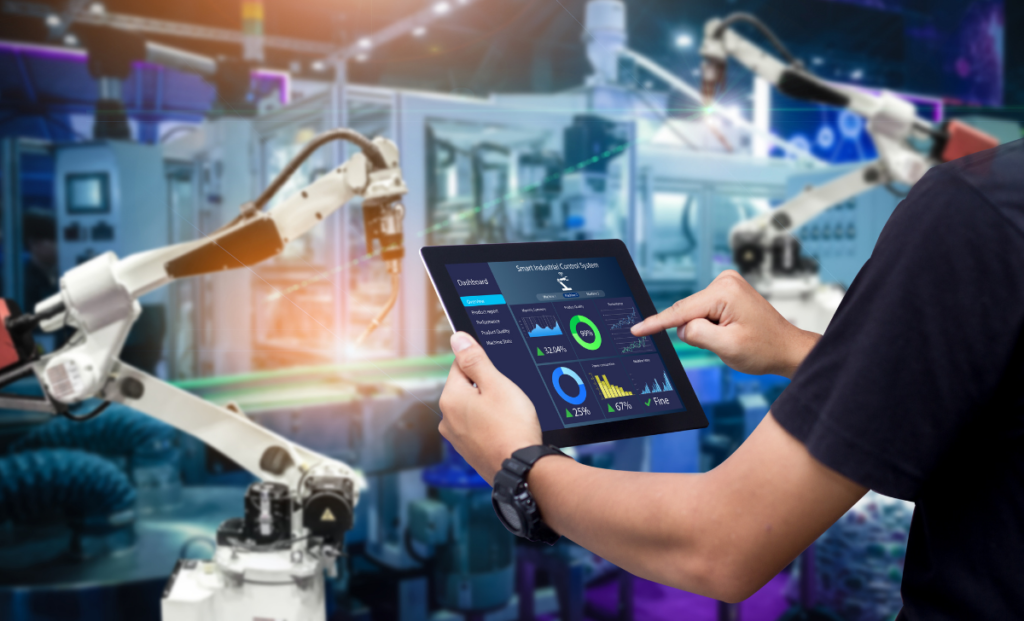
Between the advent of computer-aided design (CAD) and the rise of automation, technological advancements have revolutionized the manufacturing sector, enhancing precision and efficiency. The integration of Industry 4.0 technologies like the Internet of Things (IoT) and artificial intelligence has enabled real-time monitoring and smarter decision-making in manufacturing processes.
Hence, the impact of technological advancements in manufacturing cannot be overstated. With the implementation of robotics, businesses now benefit from increased productivity and the ability to operate in risky environments, minimizing human injury. Additionally, the use of big data analytics empowers manufacturers to optimize their operations by predicting maintenance needs before issues arise, significantly reducing downtime. These developments symbolize the positive trajectory of our industry as we continue to evolve.
Profiles of Industry Leaders
Now, it’s important to spotlight those individuals at the forefront of manufacturing innovation. These industry leaders are not just executives; they are visionaries who are steering their organizations toward a more sustainable and technologically advanced future. By understanding their profiles, we can gain insights into the traits and strategies that drive success in this ever-evolving field.
Key Figures in Manufacturing
Against the backdrop of constant change, certain key figures have emerged as pivotal influencers in the manufacturing sector. They are the game-changers who not only adapt to industry shifts but also drive significant transformations at their companies, influencing trends that will shape the future of manufacturing.
Notable Case Studies
Along with industry leadership, examining specific case studies provides a clearer picture of achievements in manufacturing. These examples illustrate how strategic decisions can lead to impactful results, showcasing the power of innovation and adaptability. Here are some notable case studies:
- Company A: Increased productivity by 30% through the implementation of AI technology in the supply chain.
- Company B: Successfully reduced waste by 25% after adopting sustainable practices.
- Company C: Achieved a 15% cost reduction by integrating IoT solutions into their manufacturing processes.
- Company D: Improved employee safety ratings by 40% within one year due to enhanced training programs.
Manufacturing case studies highlight the immense potential that lies in innovation and strategic thinking. Companies that prioritize technology and sustainability produce better outcomes, ultimately benefiting both their bottom line and the environment. The above examples reveal that even small changes can lead to significant impacts, demonstrating that your approach toward manufacturing can effectively redefine success.
Challenges Facing the Manufacturing Sector
It is evident that the manufacturing sector is grappling with a myriad of challenges that threaten its growth and adaptability. From economic pressures to supply chain interruptions, these obstacles require innovative solutions and strategic planning. The landscape is shifting rapidly, and manufacturers must stay ahead of the curve to succeed in an increasingly competitive market.
Economic Pressures
Against a backdrop of rising inflation and fluctuating demand, manufacturers are feeling the pinch of economic pressures. Costs for raw materials and labor are on the rise, forcing businesses to rethink their pricing strategies and operational efficiencies. This economic environment creates uncertainty for manufacturers, impacting their ability to plan for long-term growth.
Supply Chain Disruptions
By navigating the complexities of supply chain disruptions, manufacturers are encountering significant hurdles that affect delivery times, production schedules, and overall efficiency. These disruptions stem from global events, regulatory changes, and localized challenges, compelling manufacturers to adapt their strategies swiftly.
Considering the wide-ranging effects of supply chain disruptions, it is vital that you actively assess your reliance on global suppliers. Shortages of vital components may lead to stalled production and ultimately affect customer satisfaction. Local sourcing can mitigate risks but may increase costs. Embracing technology and real-time data can provide insight into potential delays, allowing you to devise contingency plans and maintain a competitive edge in your manufacturing processes.
Sustainability in Manufacturing
After decades of growth and development, the manufacturing industry is finally prioritizing sustainability. Companies are shifting their focus towards eco-friendly practices, aiming to reduce their carbon footprint while remaining competitive. As a leader in this sector, I believe that integrating sustainable methods not only benefits the environment but also enhances operational efficiency and builds a positive brand image. The future of manufacturing depends on our ability to embrace and innovate sustainable practices.
Eco-Friendly Practices
For manufacturers looking to adopt eco-friendly practices, implementing renewable energy sources, improving waste management, and utilizing sustainable materials is vital. By making these changes, you can significantly reduce environmental impact while appealing to a growing base of eco-conscious consumers. I encourage you to explore these opportunities, as they contribute to a healthier planet and can lead to long-term cost savings for your business.
Future Trends
Manufacturing is poised for a transformative shift in sustainability as more companies recognize its importance. The use of advanced technologies, like IoT and AI, will facilitate smarter resource management, allowing manufacturers to track energy usage and waste in real-time. Additionally, an increasing emphasis on the circular economy means products will be designed for longevity, repairability, and recyclability. In this evolving landscape, collaboration among industry stakeholders will be key to driving innovation and establishing best practices for sustainable manufacturing.
Trends in sustainability are reshaping manufacturing, presenting both opportunities and challenges. The shift towards automated systems can reduce waste significantly, while a focus on sustainable sourcing ensures raw materials are obtained responsibly. The environmental impact of logistics will also be under scrutiny, prompting a move towards electric transportation and more efficient supply chains. As manufacturers, we must stay informed and adapt to these trends to thrive in an environmentally-conscious market, ensuring that our practices not only comply with regulations but also align with consumer expectations.
The Role of Automation and AI
To harness the power of automation and AI, leaders in the manufacturing sector are redefining operational frameworks. These technologies offer innovative solutions that not only optimize processes but also enable a level of precision previously unattainable. As I observe this ongoing transformation, it’s evident that staying ahead requires embracing technological advancements to ensure long-term competitiveness and sustainability in the industry.
Impact on Workforce
Against the backdrop of rapid automation, the manufacturing workforce is experiencing significant shifts. While some fear job losses, many opportunities arise for skilled roles that require advanced technical knowledge. I believe that upskilling and reskilling your workforce is imperative to ensure that employees can adapt and thrive in this automated environment.
Enhancing Efficiency
Among the numerous benefits of automation and AI is the dramatic enhancement of efficiency within manufacturing processes. By integrating automated systems, I’ve seen firsthand how companies can minimize waste, reduce production times, and improve consistency in product quality. This newfound efficiency not only drives profitability but also allows for more agile responses to market demands.
Further examining how automation enhances efficiency reveals its transformative potential across various facets of manufacturing. It allows for the streamlining of operations, as machines perform repetitive tasks with unmatched speed and accuracy. Additionally, I find that data analytics, driven by AI, provides insights into production metrics that can lead to greater decision-making effectiveness. The reduction of human error leads to higher quality outputs, while predictive maintenance ensures machines operate optimally, cutting down on costly downtimes. By embracing these advancements, you can position your organization at the forefront of the future manufacturing landscape.
Future Outlook and Trends
Keep an eye on the future of manufacturing as it continues to evolve, driven by innovation and the need for efficiency. Sustainability, automation, and digital transformation are reshaping the landscape, paving the way for manufacturers to enhance productivity and reduce their environmental impact. By embracing these trends, I believe you can position your business for growth in the coming years.
Predictions for the Next Decade
Against a backdrop of rapid technological advancements, I foresee that by 2033, the manufacturing sector will increasingly adopt AI and machine learning to streamline operations. This shift will not only optimize production processes but also facilitate data-driven decision-making, aiding in the creation of smarter factories.
Emerging Technologies
With advancements in technology at an unprecedented pace, emerging tools like IoT, blockchain, and advanced robotics are set to revolutionize manufacturing. These innovations will enhance connectivity, supply chain transparency, and operational efficiency, ultimately driving down costs and improving product quality.
Further insights reveal that these emerging technologies can transform the manufacturing landscape significantly. For instance, the Internet of Things (IoT) will allow for real-time data tracking and predictive maintenance, enhancing overall operational efficiency. Additionally, blockchain offers an unprecedented level of transparency and security in supply chain management, which is vital in today’s complex logistics environment. Furthermore, incorporating advanced robotics can reduce labor costs and minimize human error, driving productivity. Embracing these technologies not only positions you competitively but also opens opportunities for significant innovation and sustainability.
Final Words
As a reminder, the insights gained from industry interviews and success stories of manufacturing leaders provide invaluable perspectives on how to navigate and thrive in an evolving landscape. I encourage you to reflect on these experiences, as they not only highlight innovative strategies but also showcase the resilience and adaptability of professionals in our field. By learning from the triumphs and challenges faced by others, you can better position yourself and your organization for future success. Embrace these lessons as you shape your own journey in the manufacturing industry.
FAQ
Q: What kinds of topics are covered in the ‘Industry Interviews & Success Stories’ series?
A: The series focuses on various themes important to the manufacturing sector, including innovative technologies, sustainable practices, workforce development, and leadership strategies. Interviews with industry leaders highlight their journeys, challenges they’ve faced, and insights into trends shaping the manufacturing landscape.
Q: Who are the featured leaders in the series, and how are they selected?
A: Featured leaders in the series come from diverse backgrounds within the manufacturing industry, including executives, engineers, and thought leaders. They are selected based on their contributions to the field, their role in driving innovation, and their track record of success in transforming manufacturing processes or company cultures.
Q: How can listeners or viewers benefit from these interviews and success stories?
A: By engaging with these interviews, listeners can gain valuable insights into best practices, emerging trends, and the real-world experiences of successful leaders. This knowledge can empower professionals, students, and industry stakeholders to enhance their own strategies, foster collaboration, and inspire innovation within their organizations.