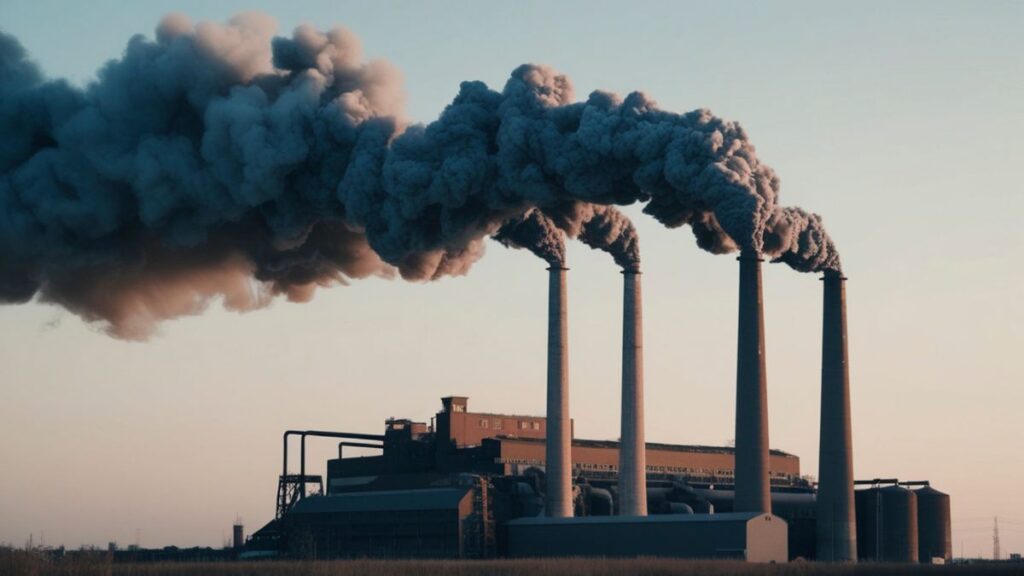
You may not realize it, but exports are transforming the landscape of global manufacturing in unprecedented ways. As I explore this topic, I invite you to consider how international trade dynamics influence not only economies but also the strategies of companies worldwide. With advancements in technology and shifts in consumer demand, the interconnectivity between nations is rapidly reshaping production processes. Join me as I examine into the implications of these changes and uncover how they affect your industry and beyond.
The Evolution of Global Manufacturing
The evolution of global manufacturing has been a transformative journey, marked by innovations and shifts that have altered production practices and supply chains. As industries adapted to changing technologies and market demands, manufacturing processes evolved from localized operations to integrated global networks, influencing economies and societies worldwide.
Historical Context
After the industrial revolution in the 18th century, manufacturing began to shift dramatically from handcrafting to mechanical production. This was fueled by technological advancements and the development of transportation infrastructure, which enabled goods to be produced in one region and consumed in another, laying the foundation for today’s global market.
Key Drivers of Change
The landscape of global manufacturing has undergone significant shifts driven by various factors. The rise of technology, globalization, and changing consumer preferences have all played a pivotal role in shaping how industries operate. As you investigate into these changes, you will find that innovation and cost reduction have become central to staying competitive in a world where trade barriers continue to diminish.
This transformation in manufacturing does not occur in isolation; instead, it is the result of interlinked forces that include supply chain optimization, increased connectivity, and sustainability pressures. For instance, advancements in logistics and communication allow businesses to coordinate complex supply chains across continents, enhancing efficiency and reducing costs. At the same time, you must consider that the push towards sustainable manufacturing is reshaping production processes, compelling industries to balance profit with environmental responsibility. Understanding these key drivers enables you to grasp how modern manufacturing is not merely a reflection of change but a continuous evolution responding to your needs and the world’s dynamics.
The Role of Exports in Manufacturing
While global manufacturing is evolving, the role of exports has never been more significant. They allow manufacturers to tap into emerging markets, diversify their portfolios, and maximize economies of scale. By reaching customers beyond their domestic borders, companies can not only increase their revenue but also enhance their competitiveness in an ever-changing landscape.
Economic Impact
On a broader scale, exports can stimulate local economies and create job opportunities. As companies expand into international markets, they often require more workforce, leading to increased employment in manufacturing sectors. This growth contributes to a more robust economy, benefiting local communities and fostering innovation.
Trade Agreements and Their Influence
Impacting the dynamics of global trade, trade agreements can significantly alter the landscape of manufacturing. These agreements often facilitate smoother transactions by reducing tariffs, thus enabling companies to export products with lower costs. They can also pave the way for increased market access, allowing businesses to seize opportunities in foreign markets. However, these agreements can also present risks such as increased competition, which could challenge local manufacturers.
Plus, it’s important to navigate these complexities carefully. Trade agreements can create win-win situations for participating countries; however, they might also unduly favor stronger economies, placing smaller players at a disadvantage. Understanding the nuances of these agreements can help you leverage opportunities while strategically managing risks. Engaging with policymakers and fostering dialogues about the implications of these agreements can ensure that the benefits of globalization are shared more equitably among all manufacturing sectors.
Emerging Markets and Manufacturing Hubs
It is evident that emerging markets are becoming central to the global manufacturing landscape. With their rapidly growing economies and increasing manufacturing capabilities, countries like Vietnam, India, and Brazil are attracting foreign direct investment (FDI) and transforming into key manufacturing hubs. These nations are not only diversifying their production lines but also enhancing their competitiveness on a global scale.
Growth in Developing Countries
Developing countries are witnessing significant advancements in their manufacturing sectors, fueled by improved infrastructure and access to technology. For instance, countries such as Bangladesh have seen their textile exports soar, achieving a remarkable $30 billion in revenue in 2021, showcasing their capacity to become vital players in the global supply chain.
Case Studies of Successful Export Strategies
Against this backdrop of transformation, several countries have implemented successful export strategies that offer valuable insights. Here are a few notable case studies:
- Vietnam: Capitalizing on trade agreements, their electronics sector grew by 15%, reaching $100 billion in exports in 2022.
- India: With a push in digital manufacturing, India’s machinery exports increased by 20%, hitting $25 billion in the last fiscal year.
- Mexico: Benefiting from proximity to the U.S. market, the automotive sector contributed $50 billion in exports, marking a growth of 12% from the previous year.
The significance of these case studies lies not only in their impressive export numbers but also in the strategies employed. For instance, Vietnam’s focus on forming strategic partnerships with global brands has anchored its position in the electronics supply chain. Moreover, India’s emphasis on innovation and skill development has driven export growth in advanced manufacturing sectors. Each of these strategies provides a roadmap for other developing nations seeking to enhance their manufacturing capabilities and expand into international markets.
Technology’s Influence on Manufacturing Exports
To thrive in today’s competitive landscape, manufacturers must embrace technology to enhance their export capabilities. Innovations such as automation, artificial intelligence, and digital supply chains not only streamline processes but also improve product quality. As I observe these trends, it’s clear that technology is redefining what it means to be a global player in manufacturing; your ability to adapt can determine your success in reaching broader markets.
Automation and Efficiency
Below, I will outline how automation enhances manufacturing efficiency, allowing for faster production times and reduced labor costs. By implementing robotics and automated systems, companies can optimize their workflows, which directly impacts their ability to scale operations and meet global demand more effectively.
Digital Supply Chains
For those looking to expand their manufacturing exports, embracing digital supply chains is key. This transformation enables real-time visibility into operations, facilitating better decision-making and resource allocation. With digital tools, you can streamline communication with suppliers, reduce delays, and ensure a more responsive supply chain.
It is imperative to acknowledge that adopting digital supply chains can greatly improve operational efficiencies and responsiveness. By utilizing data analytics, manufacturers can gain insights into market trends and customer demands, allowing for quicker adjustments in production. Additionally, the use of cloud-based platforms enables seamless collaboration with international partners, minimizing disruptions caused by geographic distances. However, challenges like cybersecurity threats and the need for skilled personnel to manage these technologies remain significant; addressing these factors can make a substantial difference in achieving smoother, more reliable operations in the global market.
Challenges in Global Manufacturing Exports
All successful global manufacturing exporters face a myriad of challenges that can impact their operations and profitability. As markets evolve, issues such as regulatory changes, supply chain disruptions, and fluctuating trade policies can create obstacles that demand strategic adjustments. Understanding these challenges is necessary for navigating the complex landscape of international trade, ensuring your business can remain competitive and resilient.
Regulatory and Compliance Issues
Compliance with regulations in different countries is a complex affair that can overwhelm even seasoned exporters. You need to stay updated on local laws, safety standards, and tariffs, as non-compliance could lead to severe penalties or disruptions in your operations. It is necessary to allocate resources to compliance management, ensuring that your organization meets all pertinent regulations while maintaining efficiency.
Supply Chain Disruptions
Below the surface of any thriving export operation lies the risk of supply chain disruptions. These can stem from various factors such as natural disasters, political instability, or unexpected logistical challenges. These circumstances can delay shipments, increase costs, and strain relationships with suppliers. Understanding the complexities of your supply chain helps you develop strategies to mitigate risks and maintain steady operations for your exports.
Regulatory changes can further exacerbate supply chain disruptions. Fluctuating tariffs, export restrictions, and varying documentation requirements can lead to unexpected challenges in shipping goods across borders. I find it vital to diversify your suppliers and distribution channels to minimize the impact of disruptions. Moreover, staying informed about geopolitical shifts and market trends can empower you to make timely adjustments and build a robust, adaptable supply chain that withstands external pressures.
Future Trends in Global Manufacturing
Many industries are on the brink of transformation as we move towards an increasingly interconnected world. The future of global manufacturing will likely see a blend of advanced technologies, evolving consumer preferences, and heightened competition. Businesses must adapt to these changes to thrive, as agility and foresight will be crucial in navigating the rapidly shifting landscape of international markets.
Sustainability and Innovation
Innovation plays a pivotal role in the evolution of manufacturing, particularly when it comes to sustainability. Companies are now integrating eco-friendly practices and advanced technologies to minimize their environmental footprint while enhancing efficiency. You’ll find that sustainable materials, circular economy principles, and smart manufacturing processes are reshaping how goods are produced and delivered.
Shifts in Global Trade Policies
After decades of relatively stable trade norms, we are experiencing significant shifts in global trade policies. These changes are reshaping the frameworks within which manufacturers operate, impacting tariffs, regulations, and international agreements.
It is critical to understand that these shifts in global trade policies can have profound implications for your manufacturing strategies. As governments adopt more protectionist measures and alter existing trade agreements, you may face new tariffs and regulatory hurdles that affect your cost structures. Conversely, there are also opportunities to explore emerging markets that may offer favorable conditions for manufacturers. Staying informed and agile in response to these evolving policies could prove beneficial for your business in this increasingly uncertain environment.
To wrap up
The dynamics of global manufacturing are undeniably changing as exports reshape markets across the globe. I see how businesses increasingly leverage international trade to optimize production costs and expand their reach. By understanding the intricacies of these shifts, you can better navigate your strategy in this interconnected landscape. As I reflect on these developments, I encourage you to consider how embracing these export opportunities can lead to enhanced competitiveness and growth for your organization.
FAQ
Q: How are exports influencing global manufacturing trends?
A: Exports play a significant role in reshaping global manufacturing trends by facilitating access to new markets and resources. As companies expand their operations beyond domestic boundaries, they can leverage cost advantages from countries with lower production costs. This globalization allows for increased competition, drives innovation, and encourages the adoption of advanced manufacturing technologies. Additionally, countries focused on export-led growth often invest in their infrastructure and workforce, further enhancing their manufacturing capabilities.
Q: What are the challenges faced by manufacturers when exporting products?
A: Manufacturers encounter several challenges when exporting, including navigating complex trade regulations and tariffs that vary by country. Understanding cultural differences and specific market demands is also critical, as it may necessitate adjustments in product design or marketing strategies. Furthermore, supply chain logistics can complicate exports, as companies must manage shipping, customs, and potential delays. Building strong relationships with local partners and distributors is crucial to mitigate these risks and ensure successful market entry.
Q: In what ways are emerging markets impacting global manufacturing dynamics?
A: Emerging markets are significantly impacting global manufacturing dynamics by becoming key players in the supply chain. These regions often provide a competitive advantage due to lower labor costs and increasing levels of technological adoption. As a result, many multinational companies are relocating manufacturing operations to these markets to capitalize on these benefits. This shift not only alters the geographical landscape of global manufacturing but also influences investment flows, technological advancements, and labor practices in both developed and developing economies.