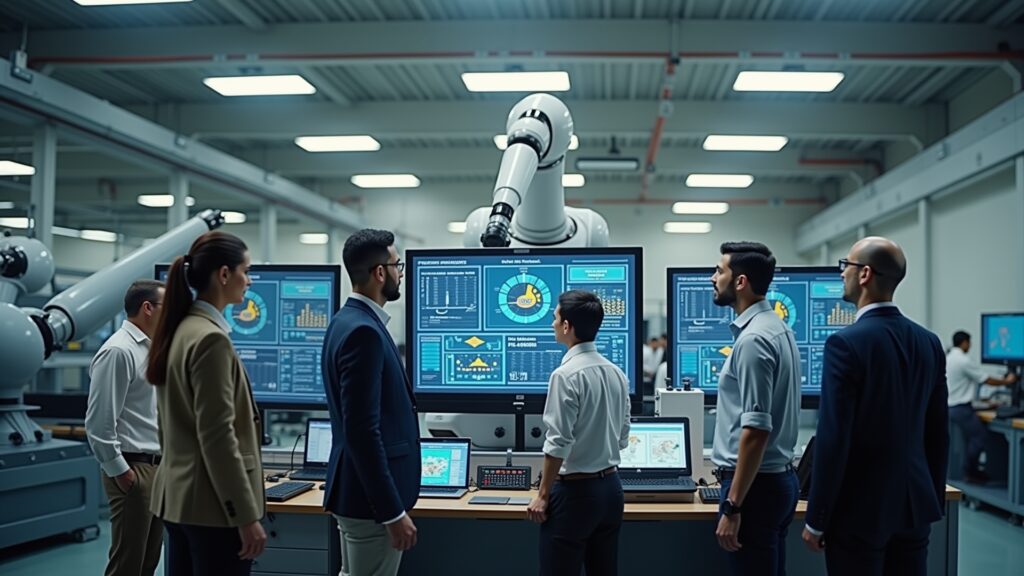
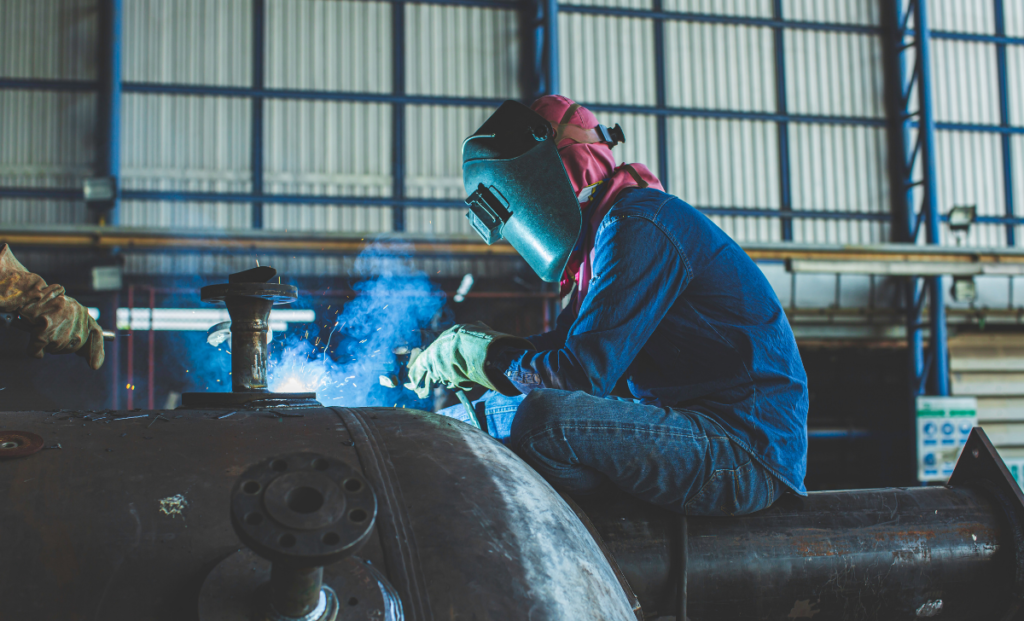
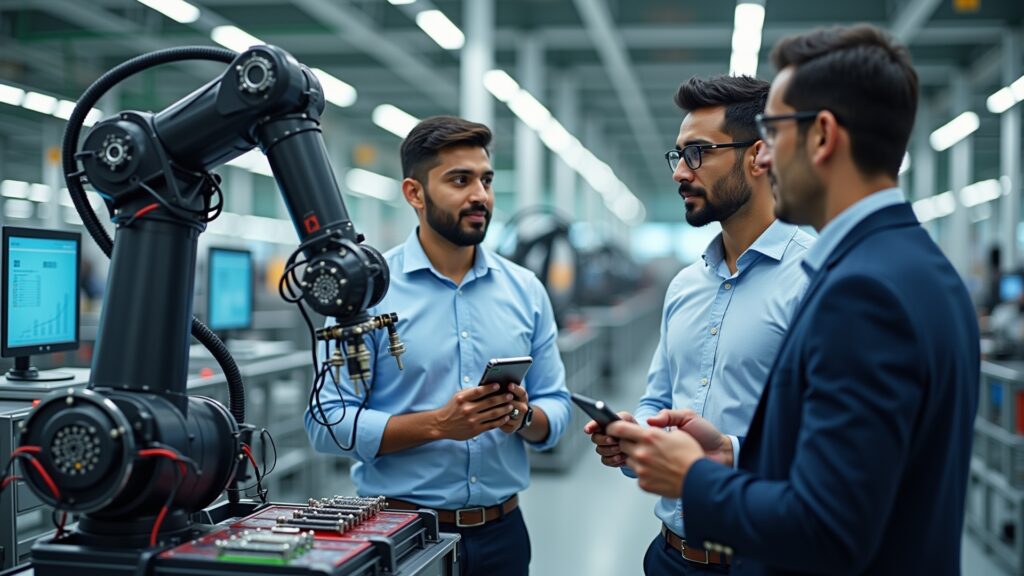
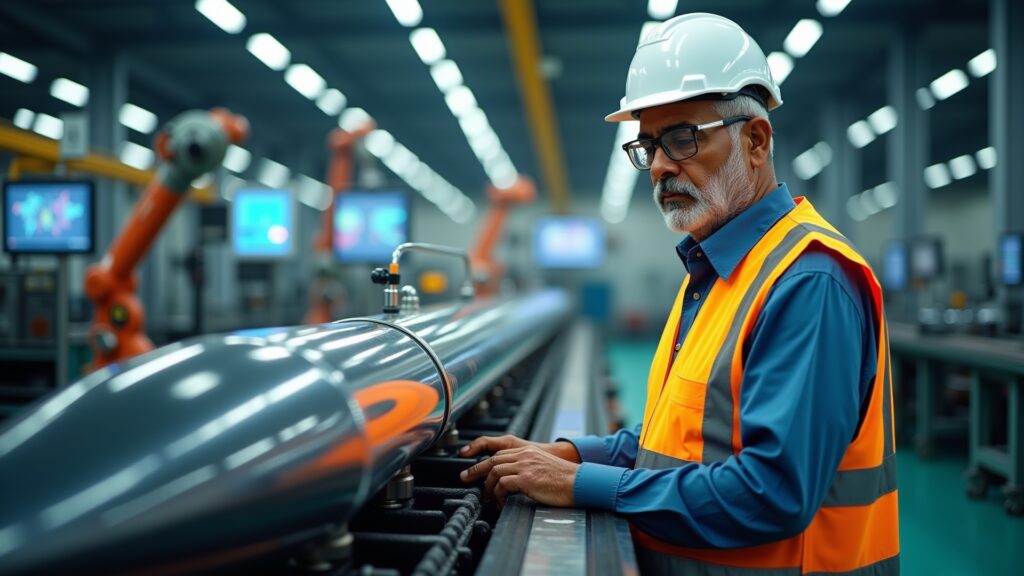
It’s necessary to understand that effective training and upskilling are key components in the development of a skilled manufacturing workforce. As I explore this topic, you will see how investing in your employees through targeted training not only enhances their skills but also boosts productivity and reduces turnover rates. By providing continuous learning opportunities, you are not just improving individual capabilities but are also contributing to the overall success and innovation within your organization.
The Importance of Training in Manufacturing
The manufacturing sector is evolving rapidly, necessitating continuous training for workers to maintain their edge. Training programs not only equip employees with the latest skills and technologies but also foster a culture of safety and efficiency. Investing in training empowers your workforce to respond to challenges confidently and adapt to innovations, ultimately driving organizational success.
Enhancing Skill Sets
Across the manufacturing landscape, skill enhancement is imperative for increased productivity and innovation. By providing targeted training, you enable your employees to develop new competencies that are vital to keeping pace with technological advancements and industry changes. This not only boosts individual performance but also enhances team dynamics as workers collaborate and share their newfound knowledge.
Meeting Industry Demands
Industry standards are constantly shifting, compelling businesses to keep their workforce aligned with current practices. Training ensures your employees are well-versed in the latest technologies, practices, and regulations, mitigating the risk of compliance issues.
Due to the dynamic nature of the manufacturing sector, it’s imperative that you remain vigilant in addressing emerging technologies and safety standards. Failure to keep up can result in operational inefficiencies and open your business to potential legal liabilities. Investing in comprehensive training not only prepares your team for current demands but also positions your organization for future growth and success in the marketplace.
Upskilling: A Necessity in Modern Manufacturing
Some may underestimate the importance of upskilling in today’s manufacturing landscape. However, as the industry evolves, continuous training is no longer a luxury but a necessity. Enhanced skills not only improve productivity but also ensure that your workforce remains competitive and prepared to tackle the challenges posed by the advancements in manufacturing technologies.
Adapting to Technological Advances
Before you can fully leverage new technologies in manufacturing, your workforce must undergo appropriate training. This means investing time and resources to ensure your employees are well-versed in operating the latest machinery and software. Without this investment, you risk falling behind in an increasingly competitive market.
Promoting Employee Retention
Around the manufacturing sector, companies are realizing that investing in upskilling significantly enhances employee retention. When workers feel valued and see opportunities for growth, they are less likely to seek employment elsewhere. This not only reduces turnover costs but also fosters a positive work environment and a loyal workforce.
Plus, in my experience, prioritizing upskilling can lead to higher job satisfaction among employees. When they recognize that their employer is committed to their professional growth, they are more likely to stay engaged and motivated. This creates a positive cycle, where skilled employees contribute to higher productivity and innovation, ultimately driving the success of your manufacturing operations. Furthermore, reducing turnover minimizes potential disruptions and helps maintain a strong company culture, which is vital for long-term success.
Training Methods and Approaches
While various training methods exist, adopting the right approach depends on the specific needs of your workforce and the goals of your organization. Practical, hands-on training can enhance learning outcomes, whereas theoretical knowledge provides necessary background. A blend of different strategies can lead to a more well-rounded and effectively skilled workforce, ensuring that employees can adapt to the ever-evolving landscape of manufacturing.
On-the-Job Training
Against traditional classroom settings, on-the-job training allows employees to gain practical experience in a real-world environment. This method enables you to tailor training to your operations while also facilitating immediate feedback. By utilizing skilled mentors, you can ensure that your team members acquire vital skills and knowledge necessary to perform their tasks efficiently.
Formal Education and Certification Programs
At the same time, formal education and certification programs play an important role in worker development. These structured curricula are designed to provide in-depth knowledge and skills necessary for specialized roles in manufacturing. Often aimed at enhancing your workforce’s qualifications, these programs equip employees with recognized credentials, making them valuable assets to your organization.
Training through formal education and certification programs is an effective means of enhancing skill levels in your workforce. These programs often comprise a combination of theoretical knowledge and practical assignments, ensuring that participants are well-prepared for their roles. By investing in these educational initiatives, you also bolster team morale and engagement as employees gain confidence in their abilities, potentially leading to a more efficient and safe work environment.
The Role of Technology in Training
Despite the traditional methods still being in use, technology is transforming how we approach training in the manufacturing sector. It allows for more engaging, accessible, and effective learning experiences. As I see it, technology not only facilitates knowledge acquisition but also bridges the skills gap by making advanced training resources available to a broader workforce, ensuring that individuals are well-prepared for the complexities of modern manufacturing.
E-Learning Platforms
With the rise of e-learning platforms, training has become more flexible and personalized. These platforms allow you to learn at your own pace and on your own schedule, making it easier to integrate training into your busy work life. I find this accessibility empowers employees to take charge of their learning journey, fostering a culture of continuous improvement within organizations.
Virtual Reality and Simulation
The integration of virtual reality (VR) and simulation technology in training delivers immersive experiences that traditional methods cannot offer. By simulating real-world environments and scenarios, I can help trainees practice their skills without the risks associated with on-the-job training.
A significant advantage of using virtual reality and simulation in manufacturing training is the ability to simulate hazardous situations without putting anyone in harm’s way. This technology provides realistic scenarios that require quick thinking and problem-solving, which can significantly enhance your preparedness for real-life challenges. Moreover, the engagement factor of VR training often leads to higher retention rates of critical information. Trainees can repeat simulations as many times as necessary, improving their proficiency while reducing training costs associated with traditional hands-on methods. Overall, VR and simulation technologies represent a positive shift in how we can train our workforce effectively and safely.
Assessing Training Effectiveness
Your training programs must deliver tangible results to justify the investment. By implementing evaluation processes to measure both knowledge retention and practical application in the manufacturing environment, you can ensure that your workforce is receiving valuable education. Continuous tracking of employee performance, productivity metrics, and feedback loops will help you make necessary adjustments, ensuring that your trainings remain relevant and impactful.
Metrics for Success
By identifying specific metrics, such as employee productivity rates, quality of work, and skills assessment scores, you can develop a comprehensive view of training effectiveness. These measurable outcomes can inform future training initiatives and verify whether your current programs are meeting their intended goals.
Continuous Improvement Strategies
Training is not a one-time event but rather an ongoing process. I believe in regularly revisiting training protocols, collecting employee feedback, and analyzing performance data to identify areas for enhancement. This iterative approach helps create a workforce that is not only skilled but also adaptable to technological advancements.
But, the key to ensuring effectiveness lies in continuous monitoring and adaptation. By actively seeking employee input and analyzing performance data, you can pinpoint what works and what doesn’t. This approach allows you to refine your training programs, addressing any gaps in knowledge or skills. It’s important to create an environment where feedback is not only welcomed but encouraged, enabling your workforce to elevate their expertise continually. Incorporating regular check-ins and performance reviews fosters a culture of lifelong learning, important in the rapidly evolving manufacturing landscape.
Case Studies and Best Practices
Unlike traditional approaches to workforce development, many companies successfully leverage innovative training and upskilling programs. Here are some enlightening case studies highlighting their impact:
- GM: Reduced employee turnover by 20% after implementing a comprehensive upskilling initiative.
- Boeing: Increased production efficiency by 25% through targeted training in advanced manufacturing technologies.
- Siemens: Achieved a 30% reduction in operational costs following the rollout of its training programs.
- Ford: Improved workplace safety by 15% after launching a series of hands-on training sessions.
Successful Training Programs
Case studies from across the industry show that successful training programs often combine practical experience with theoretical knowledge. Companies that prioritize employee engagement and cater to diverse learning styles yield better outcomes in productivity and morale.
Lessons Learned from Industry Leaders
Against the backdrop of numerous failed training efforts, lessons from industry leaders can guide your approach to developing effective workforce programs. Key takeaways include the importance of tailoring training to specific roles and the value of continuous assessment to adapt to changing needs.
At this juncture, it becomes clear that adaptability and ongoing support are fundamental in elevating workforce capabilities. Companies that invest in a culture of continuous learning not only enhance employee satisfaction but also drive innovation and efficiency in their operations. By fostering open communication and providing resources for employee feedback, you can build robust training frameworks that resonate deeply within your organization.
Conclusion
Hence, as I reflect on the significance of training and upskilling in manufacturing workforce development, it becomes clear that investing in your team’s growth is vital for fostering innovation and efficiency. By equipping your workforce with the latest skills and knowledge, you not only enhance productivity but also prepare your organization to adapt to the ever-evolving industry landscape. Embracing continuous learning within your workforce ultimately leads to greater success and resilience in today’s competitive manufacturing environment.
FAQ
Q: What is the significance of training and upskilling in the manufacturing sector?
A: Training and upskilling play a vital role in manufacturing workforce development by enhancing employees’ skills and competencies. This process ensures that workers are well-equipped to handle advanced technologies and new machinery that are continually emerging in the field. As a result, organizations can boost productivity, reduce errors, and retain skilled talent, which is important for maintaining competitiveness in the global market.
Q: How can companies effectively implement training programs for their manufacturing workforce?
A: Companies can implement effective training programs by first conducting a skills gap analysis to identify the areas where employees need improvement. They can then develop tailored training modules that address these gaps, utilizing a mix of on-the-job training, workshops, and online courses. Collaborating with industry experts, educational institutions, and trade organizations can also enhance the training process. Additionally, continuous feedback and assessments should be integrated into the program to measure progress and make necessary adjustments.
Q: What are the long-term benefits of investing in workforce training and upskilling?
A: Investing in workforce training and upskilling leads to numerous long-term benefits for manufacturers. These include heightened employee satisfaction and morale, as workers feel valued and see opportunities for personal growth. It can also lead to lower turnover rates, saving costs associated with recruiting and training new hires. Furthermore, a well-trained workforce can drive innovation and improve product quality, positioning the organization for sustained success and adaptability in an ever-evolving market.