There’s a growing urgency for us to adopt sustainable practices in manufacturing, as our planet faces significant environmental challenges. I believe that green manufacturing not only reduces waste and energy consumption but also enhances economic viability and social responsibility. By understanding the principles of sustainability, you can become a part of a movement that actively contributes to a healthier planet. In this blog post, I’ll share insights on how we can collectively pave the way for a greener future through innovative manufacturing approaches.
Understanding Sustainability in Manufacturing
Before submerging into the details, it’s necessary to recognize that sustainability in manufacturing goes beyond mere compliance with environmental regulations. It represents a fundamental shift in how industries operate, emphasizing the importance of resource efficiency, waste reduction, and environmental protection. Manufacturers, suppliers, and consumers are all part of this evolving narrative that seeks to lessen our overall impact on the planet while fostering economic growth and social equity.
Definition and Importance
Below, sustainability in manufacturing is often defined as the practice of producing goods in a way that minimizes negative environmental impacts while promoting social and economic well-being. It’s important because it aligns business practices with global efforts to combat climate change, ensuring that we leave a viable planet for future generations.
Principles of Sustainable Manufacturing
Between the ongoing industrial advancements, the principles of sustainable manufacturing revolve around three key pillars: environmental stewardship, economic viability, and social equity. These principles guide manufacturers in creating products that not only meet consumer needs but also contribute positively to the environment and the community.
To further elaborate, the principles of sustainable manufacturing require a holistic approach that encompasses energy efficiency in production processes, reducing emissions, utilizing renewable resources, and promoting recycling and reusability. By prioritizing these aspects, manufacturers can enhance their operational performance, lower costs, and improve their brand reputation, all while playing a pivotal role in protecting our planet. Adopting these principles allows us to innovate responsibly and create lasting change in our industries.
Green Manufacturing Practices
Assuming the role of a responsible manufacturer means embracing green manufacturing practices that minimize environmental impact. By integrating sustainable methods and technologies, we can enhance production efficiency while prioritizing our planet’s health. From energy conservation to sustainable resource management, the shift towards greener practices is not just beneficial for the environment but also for businesses aiming to attract eco-conscious consumers.
Energy Efficiency
One of the most significant steps I can take towards sustainability is improving energy efficiency in my operations. By utilizing energy-efficient machinery and optimizing processes, I can significantly reduce energy consumption, leading to lower operational costs and decreased carbon emissions. This not only benefits the environment but also positions your business as a leader in sustainable manufacturing.
Waste Reduction Strategies
Against the backdrop of growing environmental concerns, I have adopted various waste reduction strategies to ensure a sustainable manufacturing process. By minimizing waste generation at every stage, I can contribute to a cleaner planet while also improving cost efficiency and resource management.
It is important that I implement effective waste reduction strategies to fully realize the benefits of green manufacturing. This includes practices such as lean manufacturing approaches, which streamline production processes to eliminate unnecessary waste, and recycling materials back into the production cycle. Additionally, collaborating with suppliers to reduce packaging and adopt sustainable materials can significantly lower your waste footprint. By creating a culture of sustainability within my organization, I not only enhance product life cycles but also foster innovation and drive positive change in my community.
Innovations in Sustainable Materials
It is imperative to embrace innovative sustainable materials that minimize environmental impact while maximizing efficiency. Emerging technologies and research are driving the development of materials designed to be both functional and eco-friendly. From bio-based plastics to advanced composites, these materials pave the way for a greener future in manufacturing. As I explore these innovations, I am excited to see how they shape not only product design but also the entire manufacturing process.
Biodegradable Materials
Any conversation about sustainability must include the benefits of biodegradable materials. These materials are designed to decompose naturally, reducing waste in landfills and minimizing environmental pollution. They serve as excellent alternatives to traditional plastics, ensuring that your products are not just functional but also eco-conscious. I find it inspiring how many companies are adopting biodegradable materials into their products, reflecting a genuine commitment to sustainability.
Recycled and Recyclable Resources
Recycled materials play a significant role in creating a sustainable manufacturing ecosystem. Utilizing resources that have already undergone a life cycle reduces the demand for raw materials and conserves energy. As I examine deeper into this topic, I appreciate the positive impact recycling has on waste reduction and resource conservation, making it a vital aspect of our path to sustainability.
It is important to acknowledge that recycled and recyclable resources have the potential to transform industries. By incorporating these materials, you not only reduce waste but also minimize the consumption of virgin resources. Many manufacturing sectors are pivoting toward circular economies, focusing on designing products with the end of their life in mind. The use of recycled content can significantly lower your carbon footprint while promoting sustainability. This shift not only fulfills consumer demand for eco-friendly products but also drives innovation and economic growth. Embracing recycled materials is a step toward a more sustainable and responsible future for us all.
The Role of Technology in Green Manufacturing
All industries are witnessing a transformative shift through the integration of technology in green manufacturing. By employing innovative solutions, businesses can reduce waste, enhance energy efficiency, and optimize resource management. These advancements are not only important for environmental sustainability but also beneficial for economic competitiveness. As I explore this field, I see technology as a vital catalyst in paving the way for a greener future.
Automation and Smart Technologies
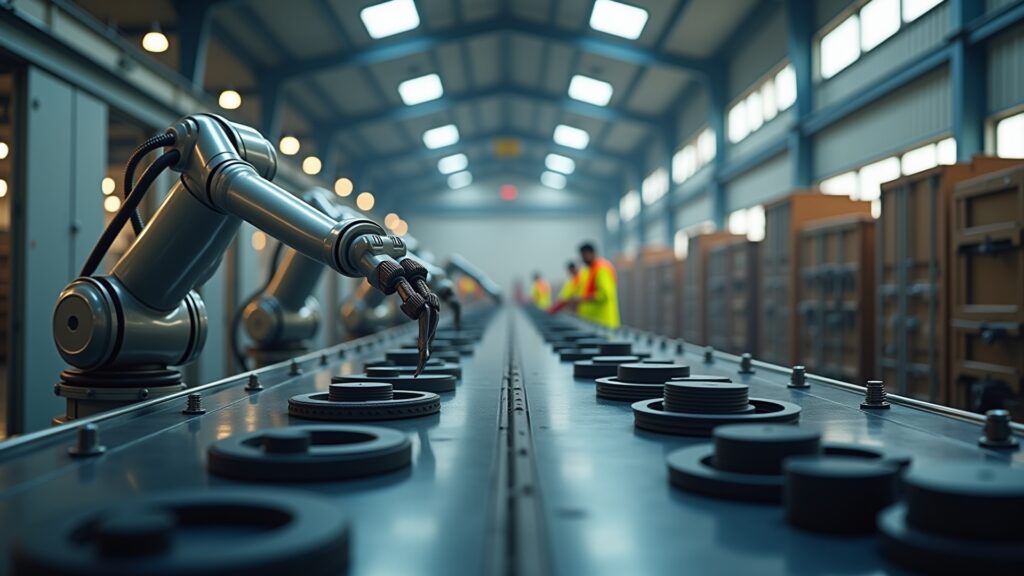
Before submerging into the benefits of automation and smart technologies, it’s important to understand that these systems streamline production processes, minimize human error, and allocate resources effectively. By embracing robotics and AI, manufacturers can significantly cut down energy consumption and waste. I find it exciting how these innovations are allowing you to create a more sustainable production environment.
Data Analytics for Sustainability
On the topic of data analytics for sustainability, I believe that harnessing data is integral in driving informed decisions in manufacturing. By collecting and analyzing operational data, companies can identify areas for improvement, optimize energy use, and reduce emissions. This data-driven approach not only helps you meet sustainability goals but also unlocks cost savings and operational efficiencies.
Technology has revolutionized the way we approach sustainability in manufacturing. By employing advanced data analytics, you can pinpoint inefficiencies and transform them into opportunities for improvement. The use of real-time monitoring systems allows for proactive decision-making, leading to reduced waste and better resource utilization. Additionally, these technologies provide insight into environmental impact, enabling you to track progress and adjust strategies as needed. Embracing this data-driven culture will position your business as a leader in sustainability while simultaneously enhancing your bottom line.
Regulations and Standards
Despite the growing awareness of sustainability, many manufacturers still grapple with the complexities of regulations and standards. It’s vital to navigate these changing landscapes to ensure compliance and promote responsible practices. As I look into the future of manufacturing, I see a pressing need for standardized guidelines that support environmental preservation while enhancing operational efficiency.
Global Guidelines
Any successful approach to sustainable manufacturing must align with global guidelines that address environmental issues. These standards provide a framework for organizations worldwide, promoting best practices in sustainability that can be adapted to local contexts. This alignment ensures that I contribute positively to global sustainability efforts while enhancing my brand’s reputation.
Compliance and Certification
About ensuring sustainability in manufacturing is my commitment to compliance and certification. Engaging with recognized standards not only ensures that your processes meet regulatory requirements but also enhances credibility with stakeholders, including consumers who favor eco-friendly practices.
Understanding the landscape of compliance and certification helps me to align my manufacturing efforts with environmental standards. I can achieve benefits such as reduced waste, lowered emissions, and improved resource utilization. By pursuing recognized certifications, I showcase my commitment to sustainability, which can enhance customer trust and attract eco-conscious consumers. Furthermore, adhering to these standards often leads to operational efficiencies, translating into cost savings over time. Ultimately, being proactive in compliance not only safeguards your business against potential penalties but also positions you as a leader in the sustainable manufacturing movement.
Case Studies of Successful Green Manufacturing
For those seeking inspiration, several companies have embraced sustainability in their manufacturing processes, showcasing tangible results. Here are some noteworthy case studies:
- Patagonia – Reduced water usage by 50% in their manufacturing by using recycled materials.
- Tesla – Achieved a 51% reduction in greenhouse gas emissions in their production facilities.
- Unilever – Cut operational waste by 95% by implementing a zero-waste production process.
- Ford – Decreased CO2 emissions by 30% through advanced eco-friendly technologies in their assembly lines.
Industry Leaders
Any business aiming for sustainability can learn from industry leaders who have successfully integrated eco-friendly practices into their strategies. Brands like Dell have reached a 100% recycled packaging goal, and 3M has invested over $2 billion in pollution prevention initiatives, proving that large-scale changes are possible.
Emerging Companies
An exciting trend in green manufacturing is the rise of emerging companies focused on sustainable practices. Startups like Alo Yoga are using organic materials and renewable resources to create eco-conscious products, while Biolite designs innovative energy products that reduce reliance on nonrenewable resources.
Consequently, the commitment of these startups to environmentally friendly practices not only minimizes their carbon footprint but also inspires larger corporations to adopt similar methods. Through the use of cutting-edge technology and sustainable materials, these companies are proving that you can operate profitably while prioritizing the planet. This shift in focus not only benefits the environment but creates a strong brand identity, appealing to a new generation of environmentally-conscious consumers.
To wrap up
Now that we’ve explored the importance of sustainability and green manufacturing, I hope you can see how these practices are crucial for fostering a healthier planet. By adopting eco-friendly methods and mindful resource management, you not only contribute to a greener future but also enhance your business’s efficiency and reputation. I encourage you to embrace these principles in your operations and inspire others to do the same. Together, we can pave the way for an innovative and sustainable tomorrow.
Q: What is green manufacturing and how does it contribute to sustainability?
A: Green manufacturing refers to the practice of designing and producing goods in a way that minimizes environmental impact. This includes reducing waste, energy consumption, and the use of harmful substances. By adopting sustainable practices, manufacturers can conserve natural resources for future generations, reduce greenhouse gas emissions, and promote a healthier ecosystem. Through innovation and the implementation of eco-friendly technologies, green manufacturing plays a significant role in paving the way for a greener future by creating products that are both economically viable and environmentally friendly.
Q: What are some examples of sustainable practices in manufacturing?
A: Several sustainable practices can be integrated into manufacturing processes. Examples include using renewable energy sources like solar or wind power, implementing recycling programs to reuse materials, and optimizing supply chain logistics to reduce transportation emissions. Additionally, companies can prioritize the use of biodegradable or recyclable materials in their products, employ waste reduction techniques such as lean manufacturing, and invest in eco-efficient technologies that lower energy consumption during production. All these strategies contribute to a more sustainable approach to manufacturing, ultimately helping to protect the environment.
Q: How can companies transition to sustainable manufacturing practices?
A: Transitioning to sustainable manufacturing practices involves a multi-step approach. First, companies should conduct an assessment of their current manufacturing processes to identify areas where they can improve efficiency and reduce environmental impact. Next, organizations can set clear sustainability goals and develop a plan to achieve them, which may include adopting cleaner technologies and practices. Training employees on sustainability initiatives is also important to ensure everyone is onboard with the transition. Finally, collaborating with suppliers who prioritize sustainability can enhance the overall effectiveness of these initiatives. Through dedication and strategic planning, companies can successfully move towards a more sustainable manufacturing model.