It’s an exciting time in the world of manufacturing as I explore the trends, innovations, and best practices that are shaping the future. As you navigate the rapidly evolving landscape, you’ll find that embracing cutting-edge technologies and sustainable methods can significantly enhance your operations. Staying informed about these developments will not only keep you competitive but also enable you to make informed decisions that drive efficiency and productivity. Join me as I investigate into the key aspects that will define the future of manufacturing processes and operations.
Emerging Trends in Manufacturing
While the manufacturing landscape continues to evolve, I see emerging trends reshaping operations, from digital innovations to adaptable supply chains. These shifts are not just adaptations to current needs but also groundwork for future capabilities, reinforcing the industry’s evolution towards smarter and more efficient systems. Staying ahead means recognizing these trends and how they can impact your strategies for growth and sustainability.
Automation and Robotics
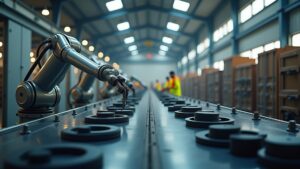
Below, I explore how automation and robotics are revolutionizing manufacturing. Their integration enables increased precision, reduced labor costs, and streamlined operations, allowing manufacturers to enhance productivity and minimize human error. As you consider these technologies, be aware of their potential to transform your processes.
Sustainability Practices
About enhancing manufacturing processes, sustainability practices are emerging as a top priority. I find that maintaining awareness of your environmental impact can lead to innovative methods that reduce waste and conserve resources. This not only improves your bottom line but also resonates positively with customers and stakeholders.
Considering the shift towards sustainability, I urge you to implement practices such as resource efficiency, waste reduction, and circular manufacturing. These strategies not only lead to cost savings but also promote a positive brand image in an increasingly eco-conscious market. Investing in renewable energy sources and adopting green technologies can significantly reduce your carbon footprint and enhance your competitive edge. By prioritizing sustainability, you can secure a more resilient future for your manufacturing operations.
Innovations Shaping the Future
Assuming you’re looking to stay ahead in the manufacturing sector, understanding the innovations shaping the future is vital. These advancements are transforming how products are designed, produced, and delivered, paving the way for increased efficiency and sustainability. Embracing these innovations will empower you to streamline operations and improve your competitive edge.
Additive Manufacturing
Between traditional subtractive methods and newer techniques, additive manufacturing stands out as a game-changer. This process, which builds objects layer by layer, allows for complex designs and rapid prototyping, fostering creativity and flexibility while significantly reducing material waste.
Smart Manufacturing Solutions
To optimize operations in the evolving landscape of manufacturing, you must consider smart manufacturing solutions. This approach integrates advanced technologies, enabling you to monitor, control, and enhance manufacturing processes in real-time.
Plus, these smart manufacturing solutions leverage technologies like IoT, AI, and data analytics to improve production efficiency and minimize downtime. By implementing automated systems and predictive maintenance, you can enhance safety and reduce the risk of failures. Additionally, these innovations help in maintaining high quality standards while significantly decreasing operational costs. Adopting smart manufacturing solutions transforms your operations into a more agile and responsive system, ensuring you stay ahead of the curve in a competitive market.
Best Practices in Manufacturing Operations
Any organization aiming to enhance its manufacturing operations should adopt best practices that maximize efficiency and productivity. This includes implementing robust quality control systems, investing in employee training, and embracing technology to streamline processes. By focusing on continuous improvement and employee engagement, companies can not only optimize their operations but also foster a culture that supports innovation and sustainability.
Lean Manufacturing Principles
Against the backdrop of ever-evolving market demands, lean manufacturing principles serve as a guiding framework for reducing waste and increasing value. By implementing these practices, you can eliminate unnecessary steps in your processes, thus enhancing efficiency. This approach encourages a culture of continuous improvement, whereby every team member contributes to identifying and resolving inefficiencies.
Integrated Supply Chain Management
Among the top strategies in enhancing manufacturing operations is the adoption of integrated supply chain management. This approach involves a comprehensive view of the entire production process, encompassing sourcing, production, and distribution, allowing for better coordination and responsiveness to market changes.
Lean integrated supply chain management focuses on synchronizing your suppliers, manufacturers, and distributors to create a seamless flow of information and materials. By leveraging advanced technologies such as real-time data analytics and cloud-based platforms, you can achieve a higher level of flexibility and responsiveness in your operations. This leads to significant reductions in lead times, inventory costs, and ultimately improves customer satisfaction. It’s vital to ensure that your partners are aligned with the same quality and efficiency goals to foster teamwork that drives success in your manufacturing endeavors.
The Role of Data Analytics
Once again, data analytics emerges as a game-changer in manufacturing processes and operations. By harnessing the power of analytics, I can identify trends, optimize workflows, and improve overall efficiency. Embracing data-driven decision-making leads to innovative solutions that reshape how we interpret production data, ultimately allowing for better resource allocation and enhanced productivity.
Predictive Maintenance
Behind the scenes, predictive maintenance utilizes data analytics to foresee equipment failures before they occur. By analyzing historical data and identifying patterns, I can schedule maintenance at optimal times, thereby minimizing downtime and extending equipment lifespan. This proactive approach saves costs and improves operational efficiency.
Real-Time Monitoring
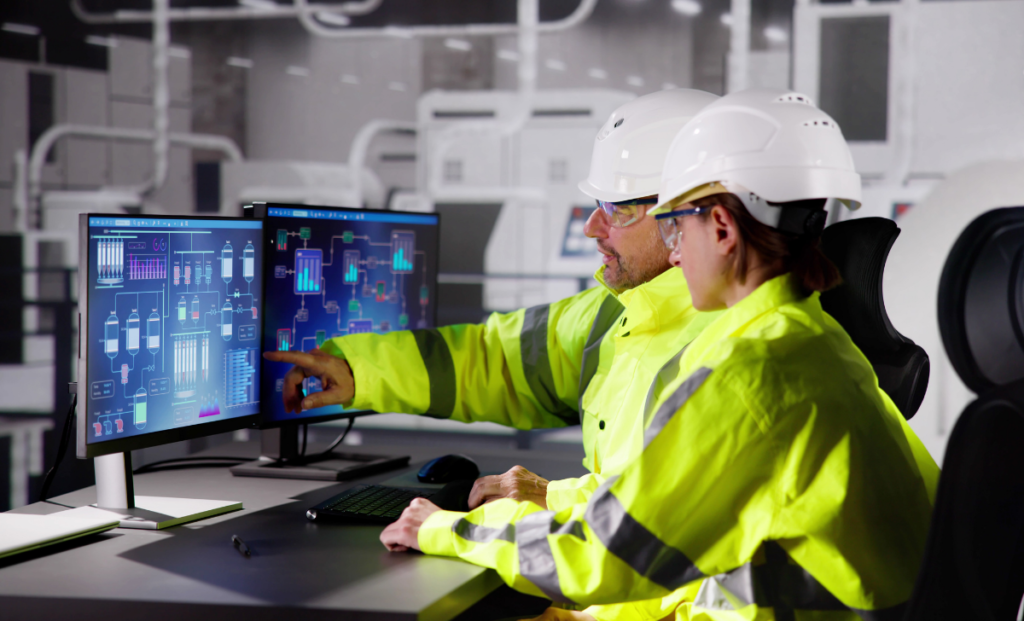
Against the backdrop of rapid technological advancements, real-time monitoring is transforming the manufacturing landscape. By leveraging IoT sensors and data analytics, I can track machinery performance, product quality, and supply chain dynamics in real time. This immediate feedback loop enables you to make informed decisions swiftly and adapt operations on-the-fly, ensuring optimal performance.
Also, real-time monitoring provides valuable insights into the production process, allowing you to anticipate potential issues before they escalate. By keeping an eye on key metrics, such as energy consumption and machine efficiency, I can easily pinpoint areas for improvement. Taking action based on this data can lead to significant cost savings and enhance product quality. Furthermore, the ability to quickly respond to any anomalies ensures a more resilient operation, improving overall productivity and customer satisfaction.
Workforce Development and Skills
After understanding the rapid transformation in manufacturing processes, it’s vital to focus on workforce development and the evolution of skills. As technology advances, the manufacturing workforce must adapt, merging traditional skills with new competencies to meet the demands of modern operations. By investing in employee training and development, organizations can ensure they remain competitive and innovative in the future landscape of manufacturing.
Upskilling and Reskilling
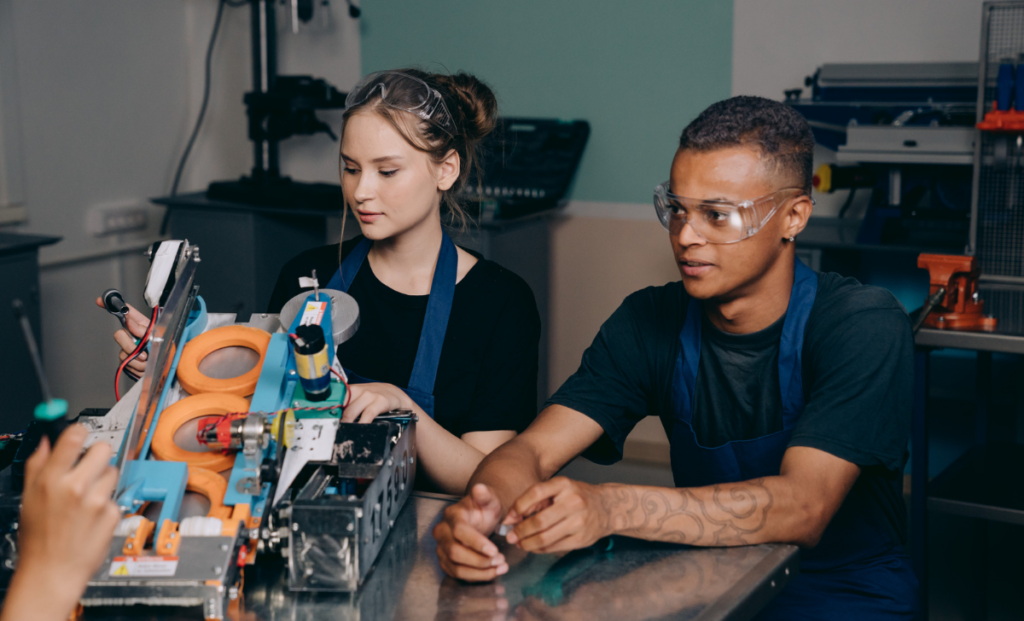
Along with the shift in manufacturing technologies, upskilling and reskilling are imperative for your workforce. As automation and smart technologies become more prevalent, providing your employees with opportunities to learn advanced skills will enhance productivity and job satisfaction. Investing in these training programs not only improves your team’s capabilities but also boosts morale and retention.
Future Work Environments
Any discussion about future work environments in manufacturing must consider flexibility and adaptability. The rise of remote operations, hybrid work models, and smart factories is transforming how we work, empowering employees to operate effectively from anywhere. Emphasizing collaboration tools and integrating artificial intelligence into daily operations will create agile environments conducive to innovation and efficiency. Additionally, sustainable practices will be a key focus, aligning manufacturing goals with broader societal values.
Considering the changing landscape of manufacturing and the future work environments, I find it vital to address how technology will foster collaboration between remote teams and on-site workers. Adopting virtual and augmented reality tools can not only improve training but can also make real-time problem-solving easier. Acknowledging the importance of a safe and inclusive culture will enhance employee engagement and retention. As you adapt to these shifts, keeping communication open and fostering an environment of continuous learning will be pivotal in achieving long-term success.
Regulatory and Compliance Considerations
Unlike earlier manufacturing eras, today’s operations must navigate a complex web of regulations and compliance mandates. As I explore the landscape of manufacturing, I see that understanding these rules is vital for not just legal adherence but also for enhancing operational efficiency and sustainability. Staying updated on evolving laws ensures your processes can adapt, reducing risks and fostering a responsible business model.
Environmental Regulations
Around the globe, manufacturers face increasing pressure to adhere to stringent environmental regulations. These laws are designed to minimize environmental impact, promoting sustainability and responsible resource management. I find it vital to incorporate eco-friendly practices not only to comply with these regulations but also to appeal to a growing market of environmentally conscious consumers.
Safety Standards in Manufacturing
Environmental measures in manufacturing are only part of the equation; I must also place significant emphasis on safety standards. These standards are established to protect workers and ensure safe operational practices across all facilities. By abiding by these regulations, you not only safeguard your team but also enhance productivity and morale.
Indeed, the implementation of comprehensive safety standards in manufacturing is not merely a regulatory obligation but a commitment to creating a secure workplace. This includes adhering to guidelines set forth by organizations such as OSHA and ISO, which dictate everything from machine safety to employee training. I believe that investing in safety measures can lead to a notable reduction in workplace incidents and injuries, ultimately saving your company money and fostering a positive culture of safety. By prioritizing these standards, you position your organization as a leader in responsible manufacturing.
Conclusion
With this in mind, I see that the future of manufacturing processes and operations is poised to be shaped by innovative technologies, sustainability practices, and a focus on efficiency. You can leverage these trends to optimize your manufacturing strategies and stay competitive. As we embrace the digital age, adopting best practices will not only enhance productivity but also foster a culture of continuous improvement. By remaining adaptable and informed, you can navigate the complexities of modern manufacturing and drive your business toward success.
Q: What emerging technologies are shaping the future of manufacturing processes?
A: The future of manufacturing is being significantly influenced by several emerging technologies. Key innovations include the Internet of Things (IoT), which enhances connectivity and data exchange between machines, enabling smarter manufacturing operations. Additionally, advancements in artificial intelligence (AI) and machine learning allow for predictive maintenance, optimizing production processes and reducing downtime. Additive manufacturing, or 3D printing, is also transforming how products are designed and produced, leading to more customizable solutions and reduced waste. Robotics, particularly with collaborative robots (cobots), are enhancing productivity and safety on the shop floor by working alongside human operators. Overall, these technologies not only streamline manufacturing processes but also drive innovation and adaptability in an ever-evolving market.
Q: How can companies ensure they are adopting the best practices for modern manufacturing operations?
A: To adopt best practices for modern manufacturing operations, companies should begin by investing in employee training and development. Ensuring that workers are skilled in new technologies and methodologies fosters a culture of continuous improvement within the organization. Implementing lean manufacturing principles can help minimize waste and improve efficiency by streamlining processes. Companies should also consider utilizing data analytics to make informed decisions based on real-time insights and performance metrics. Regularly evaluating and reengineering processes can ensure responsiveness to market changes and customer demands. Collaboration with industry experts and participation in manufacturing networks can provide valuable insights into emerging trends and innovations, thus assisting companies in staying competitive.
Q: What role does sustainability play in the future of manufacturing processes and operations?
A: Sustainability is becoming an vital element in the future of manufacturing processes and operations. Companies are increasingly recognizing the importance of environmentally responsible practices to reduce their carbon footprint and improve resource efficiency. This encompasses adopting renewable energy sources, minimizing waste, and utilizing sustainable materials throughout the production cycle. Circular economy principles are also gaining traction, wherein companies focus on reusing materials and recycling products to extend their lifecycle. Implementing sustainable practices not only benefits the environment but can also lead to cost savings and enhanced brand reputation. As consumers become more eco-conscious, manufacturers who prioritize sustainability will likely gain a competitive advantage in the marketplace.