Sustainability is not just a buzzword; it represents a fundamental shift in how industries operate. In my exploration of green manufacturing, I’ve witnessed how this innovative approach is transforming traditional manufacturing processes into models of efficiency and environmental responsibility. By adopting methods that minimize waste and reduce carbon footprints, companies are not only improving their bottom lines but also contributing to a healthier planet. Join me as I research into how these practices are redefining the industry and enhancing our collective future.
Overview of Green Manufacturing
The concept of green manufacturing focuses on creating products in a way that minimizes environmental impact while maximizing resource efficiency. By integrating sustainable practices into production processes, companies can reduce waste, conserve energy, and lower emissions. This approach not only supports the planet but also enhances the overall competitiveness of businesses in today’s eco-conscious market.
Definition and Principles
Among the core principles of green manufacturing are resource efficiency, waste reduction, and a commitment to using sustainable materials. This philosophy encourages industries to adopt a lifecycle approach, considering the environmental impact of a product from its inception to its disposal. By doing so, you can foster innovation and create more sustainable products that benefit both the economy and the environment.
Importance in Modern Industry
Overview, green manufacturing is gaining significance as businesses strive to align with sustainability goals and consumer demand for greener products. As I see it, companies adopting environmentally friendly practices can improve their reputation, reduce costs, and even tap into new markets. The integration of advanced technologies and sustainable materials allows you to compete effectively while contributing positively to the environment.
Principles of green manufacturing underscore the emerging trends driving sustainability in the industry today. As I evaluate the urgency of responding to climate change and resource depletion, companies that prioritize environmentally responsible practices are often viewed as leaders in their respective fields. You will find that stakeholders increasingly favor firms that adopt sustainable methodologies, encouraging investment and growth while positively impacting communities and the planet.
Key Practices in Green Manufacturing
Assuming you want to understand how industries are embracing eco-friendly initiatives, green manufacturing encompasses several key practices that promote sustainability. From innovative design processes to utilizing renewable energy sources, these practices create a more environmentally responsible manufacturing landscape. By prioritizing energy efficiency and sustainable materials, companies can lessen their ecological footprint and meet the growing demand for greener products.
Resource Efficiency
Any strategy that aims to enhance resource utilization is imperative in green manufacturing. This involves optimizing processes to minimize energy consumption and maximizing the use of environmentally friendly materials. By implementing advanced technologies and embracing lean manufacturing principles, companies can significantly reduce their resource consumption while maintaining productivity levels.
Waste Reduction Techniques
Behind the scenes, adopting effective waste reduction techniques is important for sustainable manufacturing. Companies are increasingly adopting practices such as recycling, repurposing, and minimizing scrap during production. Sustainable product design also plays a role, focusing on reducing emissions and ensuring that materials can be reused.
Waste management is a challenging aspect of manufacturing, but implementing efficient waste reduction techniques can have a remarkable impact. By prioritizing recycling and repurposing materials, I can help to ensure that fewer resources end up in landfills. Techniques like just-in-time production reduce excess inventory and minimize waste, while designing products for longevity and disassembly can make recycling easier. Not only do these practices benefit the environment, but they can also enhance your company’s profitability through reduced disposal costs and increased efficiency.
Technologies Enhancing Sustainability
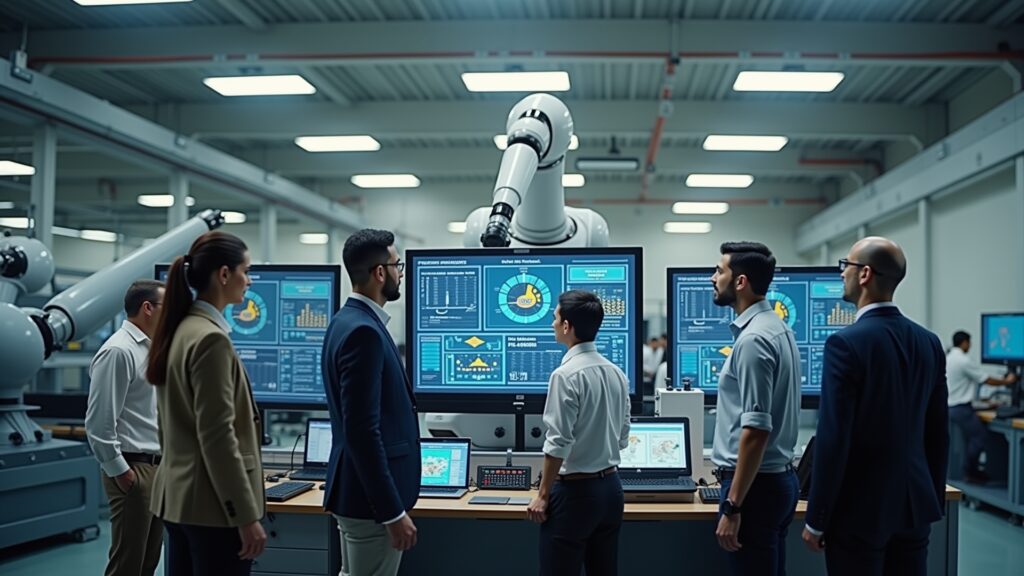
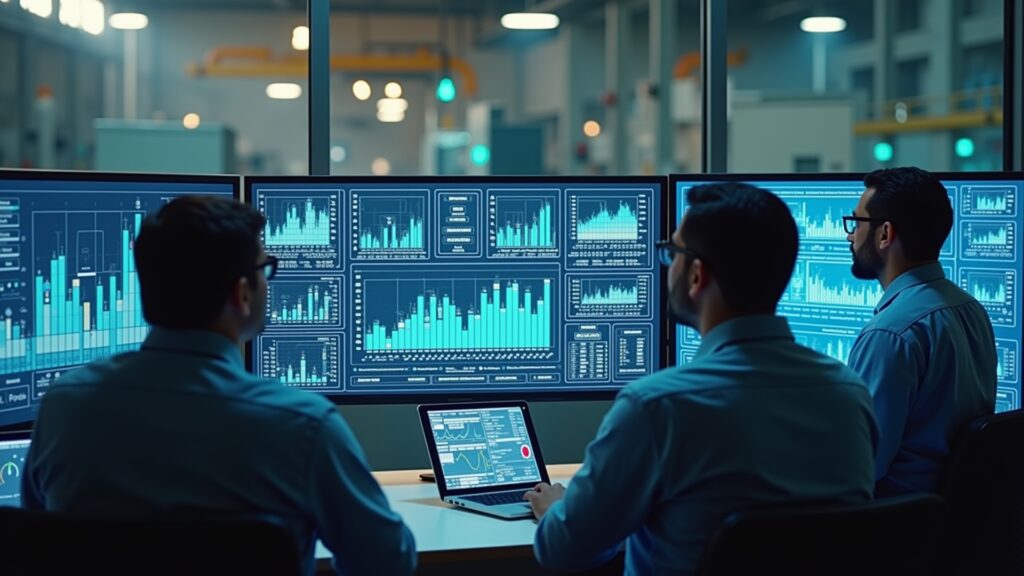
Clearly, the integration of advanced technologies in manufacturing processes plays a vital role in achieving greater sustainability. By harnessing the power of innovative solutions, companies are significantly reducing their carbon footprint while improving resource efficiency. From automation to data analytics, these technologies not only streamline operations but also foster an eco-friendly production environment, paving the way for a more sustainable future in the industry.
Renewable Energy Sources
Beside traditional energy sources, the shift towards renewable energy is transforming the manufacturing landscape. Renewable energy options such as solar, wind, and hydroelectric power are now being adopted to decrease reliance on fossil fuels. Implementing these sources not only enhances sustainability but also reduces operational costs in the long run.
Advanced Manufacturing Technologies
Advanced manufacturing technologies are making a significant impact on sustainability efforts. These include:
- 3D Printing
- Internet of Things (IoT)
- Artificial Intelligence (AI)
- Robotics
Advanced Manufacturing Technologies
| Technology |
Impact on Sustainability |
| 3D Printing |
Reduces waste by producing only what is necessary. |
| IoT |
Optimizes energy usage and prevents overproduction. |
| AI |
Enhances decision-making processes for better resource management. |
| Robotics |
Increases efficiency and reduces human error in manufacturing. |
It is evident that the adoption of these technologies not only fosters efficiency but also promotes sustainable practices across the manufacturing sector. With innovations such as 3D printing, manufacturers can minimize waste by creating items on demand. The implementation of IoT allows real-time monitoring of energy consumption, drastically cutting down unnecessary expenditures. Moreover, AI drives smarter logistics and production decisions, while robotics enhances precision and faster turnaround times. By investing in these technologies, you are not only contributing to a more sustainable industry but also ensuring your business remains competitive in an ever-evolving market.
Economic Benefits of Green Manufacturing
Your pursuit of green manufacturing not only advances sustainability goals but also fosters economic benefits that can drive your business toward profitability. Embracing eco-friendly practices can significantly lower operational costs while simultaneously enhancing your brand image. This holistic approach allows you to operate more efficiently and respond to evolving market demands.
Cost Savings and Profitability
Below are some of the key ways green manufacturing leads to significant cost savings. By optimizing resource usage, reducing waste, and implementing energy-efficient technologies, I have seen businesses cut operational costs dramatically. These savings can boost profitability and create a more robust financial foundation for future growth.
Market Opportunities
Between the rising consumer focus on sustainability and increased regulation, green manufacturing opens new market opportunities for businesses. More consumers are willing to pay a premium for eco-friendly products, which can lead to increased sales and a loyal customer base.
Even more compelling is the fact that companies embracing sustainability often gain a competitive edge. As the demand for environmentally conscious products grows, your commitment to green manufacturing can position you as a leader in your industry. With customers increasingly seeking brands that align with their values, this shift creates extensive market opportunities, driving innovation and expanding your reach. By taking proactive steps toward sustainability, you not only enhance your market presence but also contribute to a healthier planet.
Challenges and Barriers to Implementation
Despite the numerous advantages of green manufacturing, various challenges and barriers can impede its adoption. Companies often face difficulties in transitioning from traditional practices to more sustainable methods, which can involve substantial changes in processes, employee training, and supply chain management. These hurdles often require strategic planning and a commitment to long-term sustainability goals.
Initial Investment and Cost
Among the most significant challenges in transitioning to green manufacturing is the initial investment and cost associated with implementing eco-friendly technologies and practices. Many businesses may hesitate to allocate funds to upgrade equipment or redesign processes due to concerns about immediate financial returns.
Regulatory and Compliance Issues
On the other hand, regulatory and compliance issues can complicate the adoption of sustainable practices in manufacturing. Navigating through various environmental regulations and standards often requires extensive knowledge and resources, creating a potential barrier for many organizations.
The complexity of environmental regulations can vary greatly between regions and industries, making it necessary for manufacturers to stay informed about compliance requirements. Failing to adhere could lead to significant penalties and setbacks for your business. Moreover, the cost of implementing changes to meet these regulations can be overwhelming. However, embracing these requirements can ultimately lead you toward enhanced sustainability benefits and a competitive advantage in the market. It is important for manufacturers to prioritize understanding and integrating compliance into their operational frameworks to foster a more sustainable future.
Case Studies in Green Manufacturing
Now, let’s explore into some impactful case studies highlighting the effectiveness of green manufacturing initiatives:
- Ford Motor Company: Reduced water usage by 60% in manufacturing.
- Patagonia: Achieved 100% traceability for its supply chain.
- Interface Inc.: Cut greenhouse gas emissions by 96% since 1996.
- Siemens: Invested €1 billion in sustainable manufacturing by 2025.
- Toyota: Improved energy efficiency by 25% across its global operations.
Successful Implementations
Around the world, companies are successfully implementing green manufacturing practices that not only benefit the environment but also improve operational efficiency. For instance, when Patagonia committed to using 100% recycled materials, they reported a significant increase in customer loyalty, boosting sales by over 30% in sustainable product lines.
Lessons Learned from Failures
Between the success stories, there are also valuable lessons from failures in green manufacturing. Companies may encounter unexpected challenges when transitioning to sustainable practices, such as inadequate technology or lack of employee training.
Green manufacturing initiatives may face setbacks when businesses underestimate the importance of comprehensive training and technology integration. A large corporation that aimed to implement a zero-waste policy found its employees ill-prepared, leading to a 25% increase in production waste instead of the intended decrease. This points to the importance of thorough planning and employee involvement to ensure that your sustainable goals are effectively met. If overlooked, such oversights can create unnecessary roadblocks on the path to a greener future.
Summing up
Hence, I believe that green manufacturing is not just a trend, but a necessity that drives sustainability across various industries. By adopting eco-friendly practices, I see how companies can reduce waste, lower energy consumption, and promote the use of renewable resources. This approach not only benefits the environment but also enhances a company’s reputation and profitability. As you explore these innovative methods, your commitment to sustainable practices will undoubtedly have a positive impact on both your operations and the planet.
FAQ
Q: What is green manufacturing and how does it contribute to sustainability?
A: Green manufacturing refers to the processes and practices used in production that prioritize environmental responsibility and resource efficiency. This approach reduces waste, conserves energy, and minimizes the use of hazardous materials. By implementing green manufacturing principles, industries can significantly lower their carbon footprint, utilize renewable resources, and ensure that manufacturing operations are aligned with sustainable development goals. This holistic approach not only benefits the environment but also leads to cost savings and improved product quality.
Q: What are some key strategies employed in green manufacturing?
A: Key strategies in green manufacturing include using eco-friendly materials, implementing energy-efficient technologies, and promoting waste reduction techniques. For instance, companies may opt for recycled or biodegradable raw materials to minimize resource depletion. Additionally, adopting advanced manufacturing technologies such as automation and AI can optimize production processes, leading to less energy consumption. Lastly, establishing a comprehensive waste management system, including recycling and repurposing, helps divert materials from landfills and promotes a circular economy within industries.
Q: How does green manufacturing impact the overall economy and job market?
A: Green manufacturing positively impacts the economy by driving innovation and creating new business opportunities in sustainable technologies. As industries transition to greener practices, there is a growing demand for skilled workers in areas such as renewable energy, waste management, and sustainable design. This can lead to job creation in emerging sectors focused on sustainability. Moreover, companies embracing green manufacturing often experience enhanced competitiveness as consumers increasingly prefer environmentally friendly products, potentially boosting sales and market share.