Success in the manufacturing industry doesn’t come without insight and perseverance. In this blog post, I will take you inside the minds of industry leaders through exclusive interviews and inspiring success stories. You will discover how these titans overcame significant challenges, embraced innovation, and developed vision-driven strategies that transformed their businesses. By learning from their experiences, you can apply their principles to your own journey and elevate your manufacturing expertise.
The Evolution of Manufacturing
Before the industrial revolution, manufacturing was largely an artisanal process, relying on human labor and rudimentary tools. Today, I see how this has transformed into a complex symphony of automated systems, global supply chains, and innovative technologies that have reshaped the landscape of production. This evolution has not only redefined efficiency but also revolutionized how we think about manufacturing on a global scale.
Historical Perspectives
After examining the origins of manufacturing, I come to appreciate the intricate progression from cottage industries to mass production. Major events like the introduction of the steam engine and assembly lines marked significant milestones. It’s fascinating to see how each phase laid the groundwork for today’s high-tech environments.
Technological Advancements
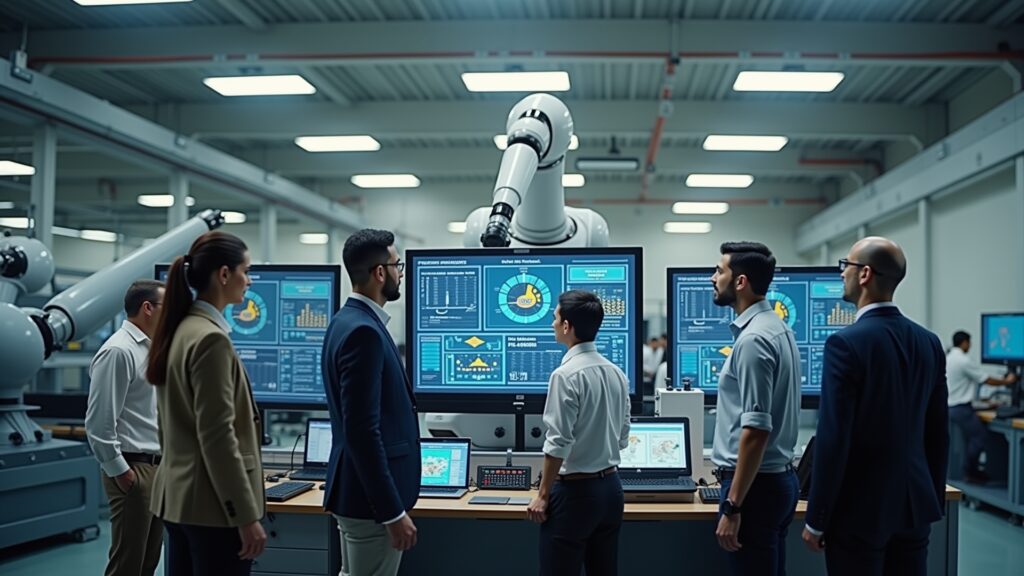
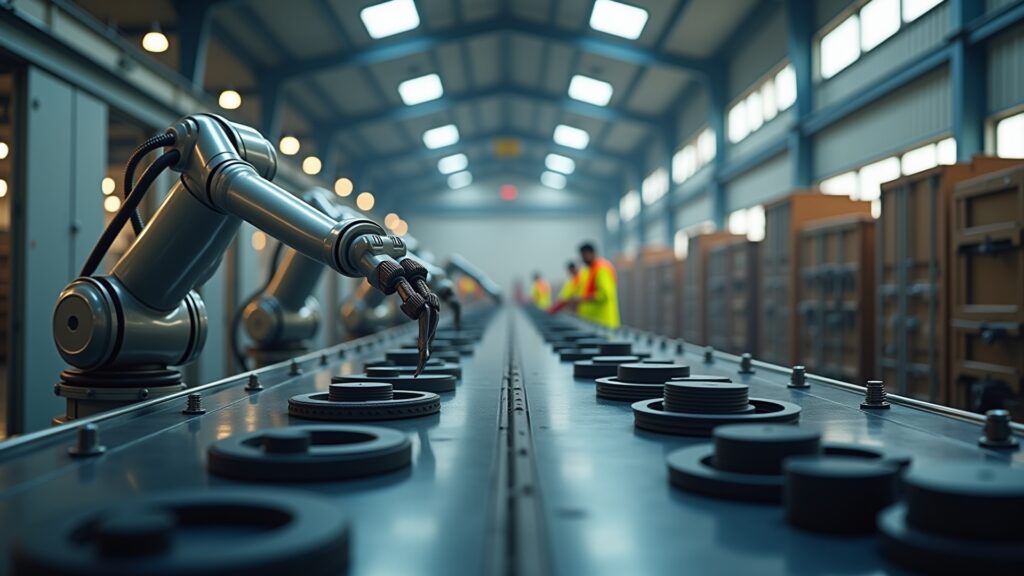
Any discussion of manufacturing evolution must highlight the impact of technological advancements. From the advent of robotics to the integration of Artificial Intelligence, I find that these innovations have profoundly enhanced productivity and precision in the manufacturing sector.
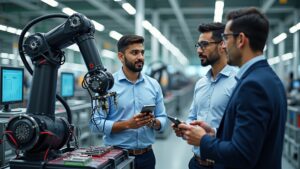
It’s evident that the rise of technologies such as robotics, smart factories, and IoT has transformed modern manufacturing. Automation decreases labor costs while increasing production rates, allowing you to produce more efficiently. However, the shift towards technology also raises concerns, such as the potential for job displacement. Embracing these technological changes can yield significant benefits if balanced with strategies to upskill the workforce. Ultimately, the future of manufacturing hinges on adapting to and integrating these advancements thoughtfully.
Interviews with Industry Leaders
There’s a wealth of knowledge to gain from the experiences and insights of industry leaders. These high-caliber conversations uncover the driving forces behind their success and the challenges they have navigated throughout their careers. Through these interviews, I aim to present unfiltered perspectives that can inspire and guide you in your own manufacturing journey.
Insights from Pioneers
Before venturing into the strategies that drive success, it’s necessary to gather insights from the pioneers who have shaped the industry. Their stories provide a rich context for understanding the evolving landscape of manufacturing and the innovative ideas that can ignite change. Each leader I spoke with shared unique experiences that highlight their paths to excellence.
Strategies for Success
Strategies employed by these manufacturing leaders are both enlightening and actionable. They shed light on the methods and approaches that can be applied to achieve sustainable growth and resilience in your operations.
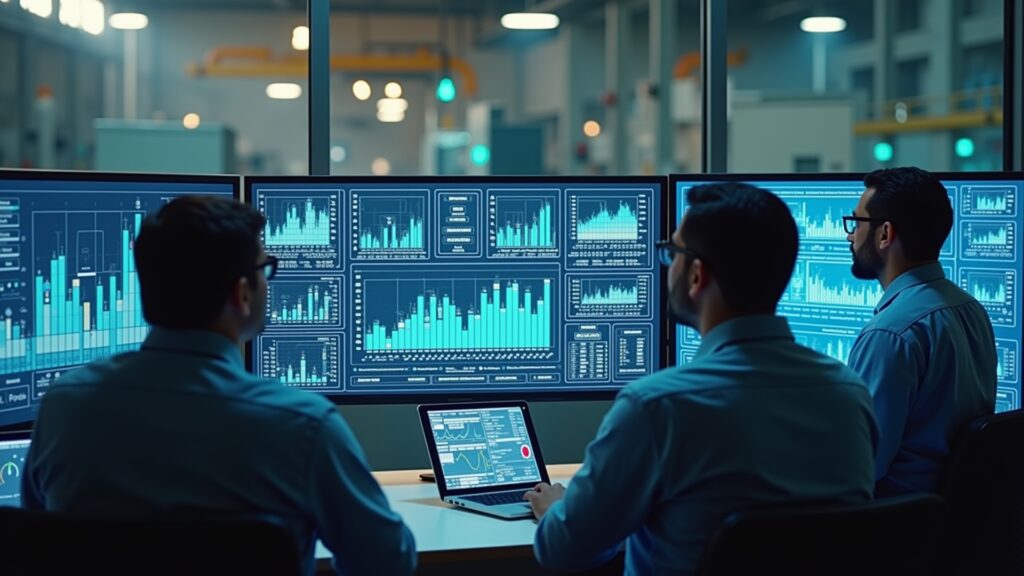
Leaders frequently emphasized the importance of a strong company culture as a foundational element for success. They shared that investing in employee engagement and continuous training fosters innovation and adaptability. Moreover, emphasizing data-driven decision-making allows for more strategic planning and optimization of resources. Recognizing emerging trends and being open to collaborative partnerships also emerged as pivotal strategies that can propel your manufacturing efforts to new heights. Overall, these approaches create a robust framework to enhance productivity and drive long-term success.
Case Studies of Manufacturing Excellence
Some of the most inspiring examples of manufacturing excellence come from companies pushing the boundaries of innovation and efficiency. Here are notable case studies showcasing their success:
- Toyota: Implemented the Toyota Production System, reducing waste by 25% and increasing productivity.
- Boeing: Achieved 10% faster production cycle times with Lean manufacturing techniques.
- GE: Enhanced operational efficiency with digital tools, lowering costs by 20%.
- Siemens: Integrated automation technology, resulting in 30% improvement in output quality.
- 3M: Fostered a culture of innovation leading to 40% of revenue coming from new products.
Success Stories
By examining these success stories, you can uncover practical strategies that you can adopt in your own operations. Each company not only achieved remarkable results but also demonstrated how leveraging technology, workforce engagement, and continuous improvement can lead to exceptional outcomes.
Lessons Learned
One key takeaway from these case studies is the importance of adaptability in manufacturing. Embracing change can foster significant advantages, positioning your business ahead of competitors.
With every success story, there are valuable lessons that can guide your journey. Embrace technology and innovation as your allies, and actively seek to improve your processes. By doing so, you can achieve higher efficiency, increase product quality, and significantly enhance overall profitability. The path to excellence often involves taking calculated risks and being open to new ideas, as these elements can create a robust, future-ready manufacturing environment.
Innovation and Sustainability in Manufacturing
Once again, we probe into the symbiotic relationship between innovation and sustainability within the manufacturing sector. As industry leaders tackle growing environmental concerns, they are reimagining traditional practices to embrace new technologies and processes that prioritize eco-friendliness. In our exclusive interviews, these titans discuss how embracing sustainable practices not only reduces their carbon footprint but also drives profitability and enhances brand reputation.
Green Manufacturing Practices
Any shift towards green manufacturing practices involves rethinking resource management and waste reduction. Many industry leaders are investing in energy-efficient technologies, utilizing renewable materials, and adopting circular economy principles. By prioritizing these sustainable approaches, manufacturers are not only complying with regulations but also paving the way for higher efficiency and lower operating costs.
The Future of Sustainable Production
Any forward-looking discussion on sustainable production involves anticipating the integration of advanced technologies. Innovations such as Artificial Intelligence (AI), the Internet of Things (IoT), and blockchain have the potential to revolutionize your manufacturing processes, making them more efficient and environmentally friendly. Leaders in the industry advocate for continuous advancements that address sustainability while maximizing productivity.
It is imperative to acknowledge that the future of sustainable production hinges on transformative technologies that can streamline operations while minimizing environmental impact. By leveraging tools like AI for predictive maintenance, manufacturers can significantly reduce waste and energy consumption. Furthermore, IIIoT (Industrial Internet of Things) enables real-time monitoring, ensuring resources are used efficiently. The shift towards renewable energy sources and more efficient supply chains aligns with your goals for sustainability, illustrating that smarter, greener practices are not only beneficial for the planet but also lead to long-term profitability and a favorable market position.
Challenges Faced by Manufacturing Titans
Now, as I dig deeper into the minds of manufacturing titans, it becomes clear that they face a myriad of challenges that threaten their success. From navigating fluctuating market demands to adapting to technological advancements, these industry leaders continuously strive to overcome obstacles that hinder their growth and performance.
Economic Pressures
Behind every successful manufacturing titan lies the constant battle against economic pressures. I observe that the need to manage operational costs while ensuring competitive pricing can create immense stress within organizations. With changing regulations, inflation rates, and labor costs rising, it demands strategic foresight to maintain profitability.
Supply Chain Disruptions
About the intricate world of supply chains, I realize that disruptions can severely impact production timelines and customer satisfaction. Manufacturing titans are not immune to external factors; they often find themselves contending with unforeseen events, such as natural disasters or geopolitical tensions, that ripple through their networks.
With the recent rise of global challenges like pandemics and trade disputes, supply chain disruptions have become increasingly common and problematic for manufacturers. It’s vital that you establish resilient supply chains to mitigate risks, balancing local sourcing with global partnerships. Investing in advanced technologies for real-time monitoring can enhance visibility and allow you to respond swiftly to unexpected changes, safeguarding your operations against potential delays and ensuring customer demands are met effectively.
Emerging Trends in the Industry
After analyzing numerous interviews with industry leaders, it’s clear that emerging trends are shaping the future of manufacturing. Companies are redefining their strategies to adapt, innovate, and thrive amidst rapidly changing technologies and consumer demands. Staying informed about these trends is vital for anyone looking to navigate the evolving landscape of manufacturing effectively.
Automation and AI
Industry experts emphasize that the integration of automation and artificial intelligence is revolutionizing manufacturing processes. By leveraging these technologies, manufacturers are not only increasing efficiency but also lowering costs and enhancing product quality. As a professional in this space, you need to understand how to harness these advancements to remain competitive.
Globalization vs. Localization
One of the pressing debates in manufacturing today revolves around globalization and localization. The rise of global supply chains has enabled businesses to source materials and labor from multiple regions, yet there is a growing trend towards local production to mitigate risk.
Plus, balancing globalization and localization presents both opportunities and challenges. While globalization offers access to broader markets and cost efficiencies, localization promotes community engagement and reduces the dependency on international logistics. This dual approach can lead to enhanced resilience against global disruptions while fostering a stronger connection with local consumers. Understanding which strategy best suits your needs can be the key to outpacing your competition.
Conclusion
Taking this into account, “Inside the Minds of Manufacturing Titans – Exclusive Industry Interviews & Success Stories” provides invaluable insights into the minds of industry leaders. By engaging directly with these titans, I’ve gained not only knowledge but also inspiration to apply within my own endeavors. You can leverage these real-life experiences and strategies to enhance your understanding of the manufacturing sector, ultimately paving the way for your success. The lessons learned are both profound and applicable, making this collection an important resource for anyone serious about excelling in manufacturing.
FAQ
Q: What is “Inside the Minds of Manufacturing Titans” about?
A: “Inside the Minds of Manufacturing Titans” is a comprehensive exploration into the experiences and insights of leading figures in the manufacturing industry. This book comprises exclusive interviews and success stories that present the strategies, challenges, and philosophies of top executives. Through engaging narratives, readers gain a deeper understanding of what drives these industry leaders and how they navigate the complexities of modern manufacturing.
Q: Who are some of the industry figures featured in the book?
A: The book features an array of esteemed industry professionals, including CEOs, founders, and other high-ranking individuals from prominent manufacturing companies. These leaders share their personal journeys, lessons learned, and key decisions that have shaped their organizations. The diversity of perspectives provides readers with varied insights that reflect different sectors within manufacturing, from automotive to technology.
Q: How can this book benefit manufacturing professionals and enthusiasts?
A: “Inside the Minds of Manufacturing Titans” serves as an invaluable resource for professionals in the manufacturing sector, whether they are emerging leaders or seasoned veterans. By delving into the stories and strategies of successful industry figures, readers can glean important lessons about leadership, innovation, and resilience. Additionally, the book offers inspiration for those looking to enhance their own practices or to understand the dynamics of the manufacturing landscape better.